



Obama releases high-speed rail plan
The plan identifies two types of projects for funding. One would create new corridors for world-class high-speed rail like the kind found in Europe and Japan. Another would involve making train service along existing rail lines incrementally faster.

President Barack Obama, along with Vice President Biden and Secretary LaHood, announced a new U.S. push today to transform travel in America, creating high-speed rail lines from city to city, reducing dependence on cars and planes and spurring economic development.
The President released a strategic plan outlining his vision for high speed rail in America. The plan identifies $8 billion provided in the American Recovery and Reinvestment Act (ARRA) and $1 billion a year for five years requested in the federal budget as a down payment to jump-start a potential world-class passenger rail system and sets the direction of transportation policy for the future. The strategic plan will be followed by detailed guidance for state and local applicants. By late summer, the Federal Railroad Administration (FRA) will begin awarding the first round of grants.
Additional funding for long-term planning and development is expected from legislation authorizing federal surface transportation programs.
The report formalizes the identification of ten high-speed rail corridors as potential recipients of federal funding. Those lines are: California, Pacific Northwest, South Central, Gulf Coast, Chicago Hub Network, Florida, Southeast, Keystone, Empire and Northern New England. Also, opportunities exist for the Northeast Corridor from Washington to Boston to compete for funds to improve the nation’s only existing high-speed rail service.
With a boost from the ARRA, the Obama administration launched a competitive process to drive local communities to develop their high-speed rail potential. The President, Vice President and Secretary of Transportation are urging states and local communities to put together plans for a network of 100 mile to 600 mile corridors, which will compete for the federal dollars. The merit-driven process will result in federal grants as soon as late summer 2009.
“My high-speed rail proposal will lead to innovations that change the way we travel in America. We must start developing clean, energy-efficient transportation that will define our regions for centuries to come,” said President Obama. “A major new high-speed rail line will generate many thousands of construction jobs over several years, as well as permanent jobs for rail employees and increased economic activity in the destinations these trains serve. High-speed rail is long-overdue, and this plan lets American travelers know that they are not doomed to a future of long lines at the airports or jammed cars on the highways.”
“Today, we see clearly how Recovery Act funds and the Department of Transportation are building the platform for a brighter economic future - they’re creating jobs and making life better for communities everywhere,” said Vice President Biden. “Everyone knows railways are the best way to connect communities to each other, and as a daily rail commuter for over 35 years, this announcement is near and dear to my heart. Investing in a high-speed rail system will lower our dependence on foreign oil and the bill for a tank of gas; loosen the congestion suffocating our highways and skyways; and significantly reduce the damage we do to our planet.”
“President Obama's vision of robust, high-speed rail service offers Americans the kind of travel options that throughout our history have contributed to economic growth and enhanced quality of life,” said Secretary LaHood. “We simply can't build the economy of the future on the transportation networks of the past.”
The plan identifies two types of projects for funding. One would create new corridors for world-class high-speed rail like the kind found in Europe and Japan. Another would involve making train service along existing rail lines incrementally faster.
More Rail

The Invisible Infrastructure of Passenger Flow
What a seat reservation system on Austria’s Railjet trains reveals about the future of rider experience, and why U.S. agencies should pay attention.
Read More →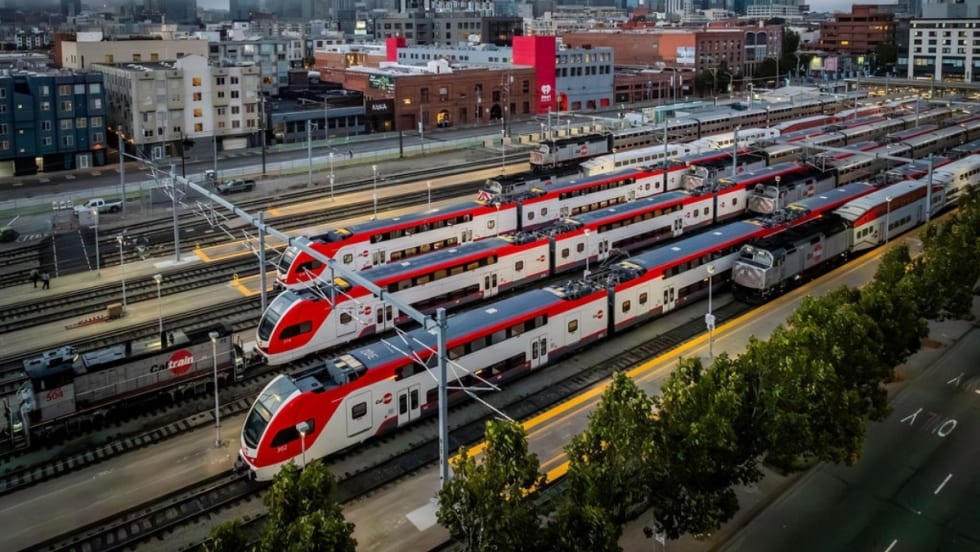
Caltrain Board Approves FY27 Budget, Endorses Efficiency Measures
The move ensures Caltrain service will continue operating as usual in the near term, but long-term financial challenges remain for the rail agency absent a new revenue source.
Read More →
Alstom Acquires Delaware Site to Support Amtrak NextGen Acela Fleet
The company is investing more than $55 million to acquire and improve the property and will employ approximately 100 people at this site once it is operational.
Read More →
When Routine Fails: How Public Transit Must Adapt for the World Cup
The 2026 FIFA World Cup will test transit agencies’ ability to manage unpredictable travel patterns, making real-time data and operational flexibility critical to moving millions of visitors efficiently.
Read More →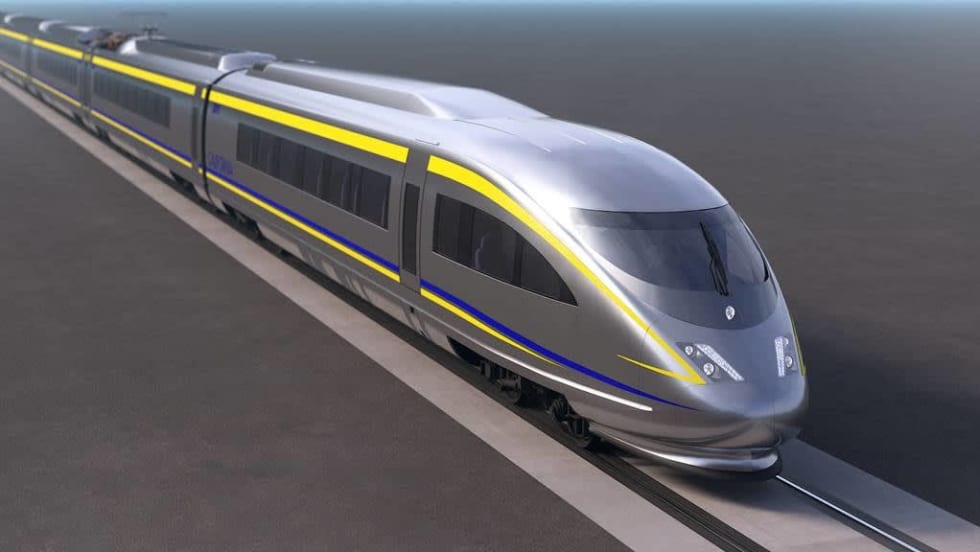
California Selects Team for Nation’s First True High-Speed Rail Track and Systems Contract
The board action follows completion of track installation at the 150-acre southern railhead in Kern County, which will serve as the staging and distribution hub for high-speed track and systems installation.
Read More →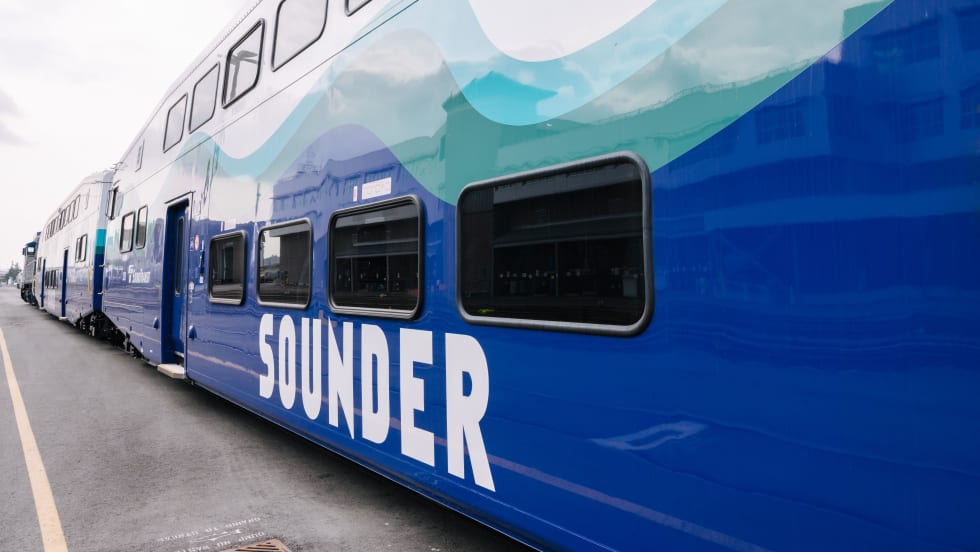
Seattle's Sound Transit Launches New Sounder Railcars into Service
Alstom manufactured all the cars under a $46.5 million contract and came into service in anticipation of summer crowds for soccer and baseball.
Read More →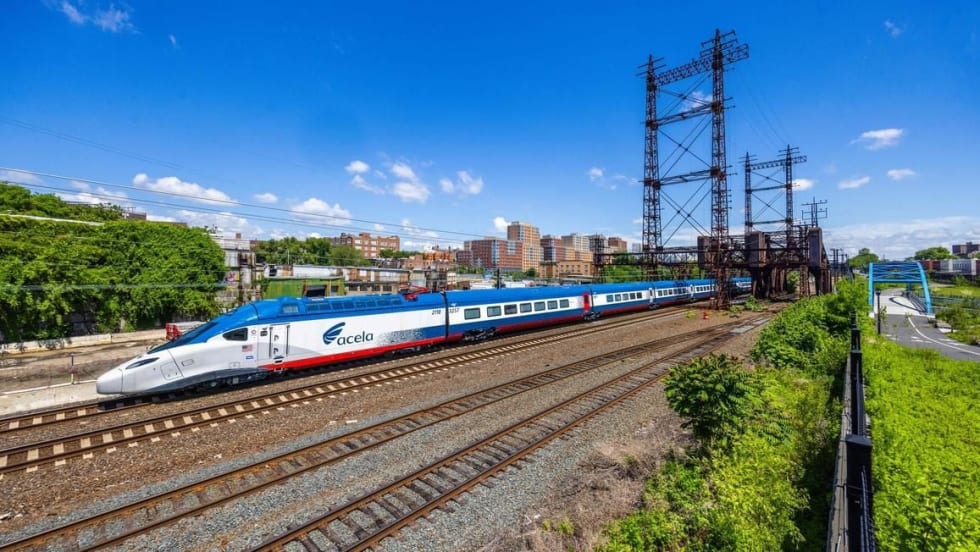
Alstom Partners With Universities to Build Rail Talent Pipeline
The partnerships include a new engineering scholarship fund at Alfred State College in Western New York and collaborations with transportation centers at the University of Pennsylvania and New York University.
Read More →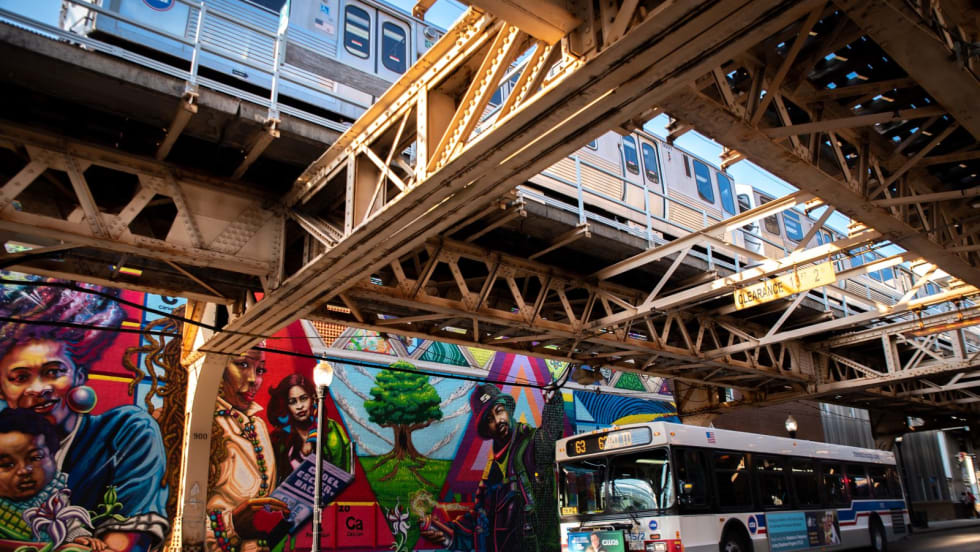
Chicago's NITA Act Moves Into Next Phase as Service Improvements Begin
Rider-focused improvements will begin rolling out across the system immediately as CTA, Metra, and Pace increase service this summer in the six-county region.
Read More →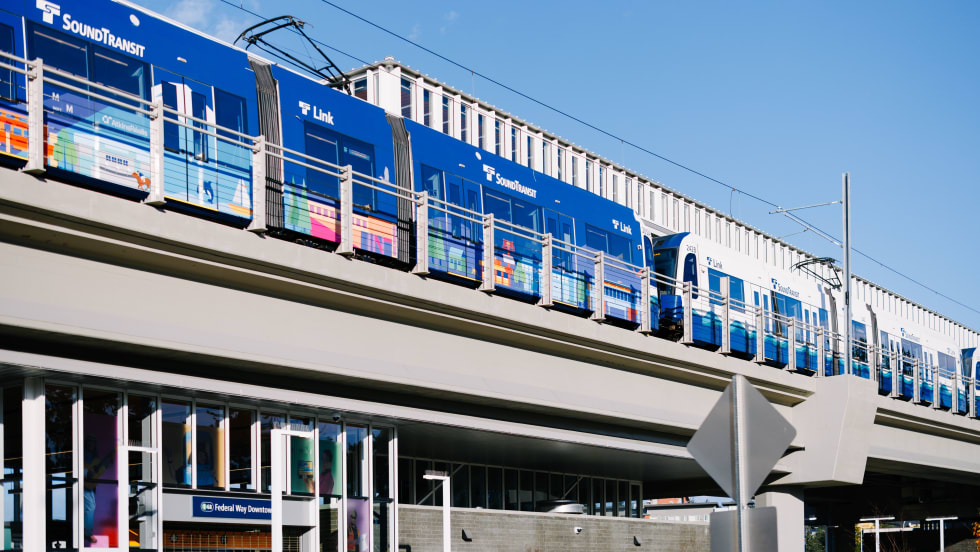
Seattle’s Sound Transit Adopts Updated ST3 System Plan
The updated system plan incorporates cost savings across the agency, including new revenue sources and financial policies, to set the agency on a sustainable path for the future.
Read More →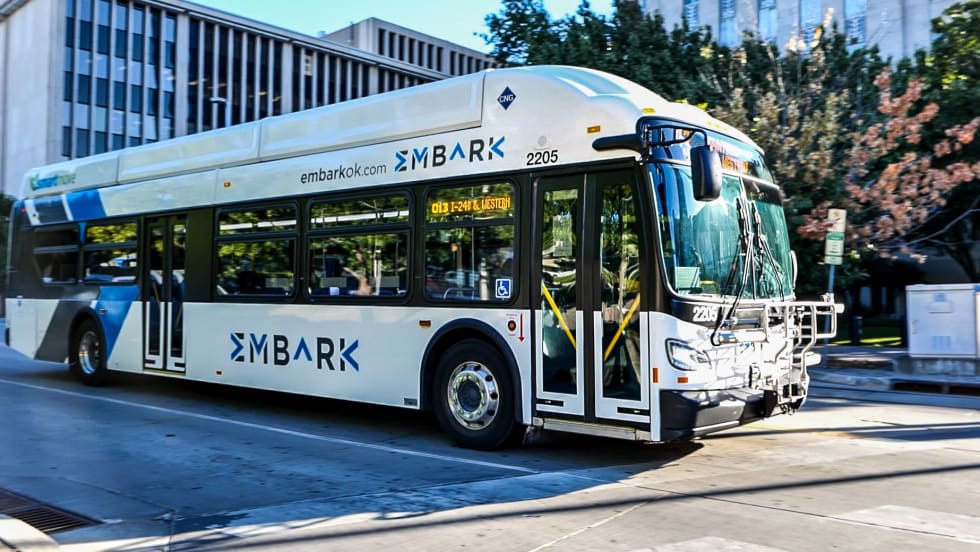
Inside Look: EMBARK Expands Fare-Free Transit Program Through New Public-Private Partnership
The OKC transit agency says sponsorship helps subsidize the Third Friday Free initiative while reducing barriers for first-time riders and boosting ridership across buses, streetcars, and river cruises.
Read More →