



D.C. Metro investigates train collision cause
Contacted experts in the field of track signaling to conduct an independent review. Other actions include staff realignment; shifting the position of the 1000-series cars; and operating all trains manually.

External experts in track signaling and circuitry from across the country are in discussions with Washington Metropolitan Area Transit Authority (Metro) officials in an effort to help determine what may have caused last week’s train collision.
The experts were contacted by Metro to assist with the transit agency’s investigation into what caused two trains to collide on the Red Line at the start of the afternoon rush hour on June 22.
“We have been talking with subject-matter experts in the field of track signaling for the past few days. We have contacted the American Public Transportation Association to be part of this effort,” Metro GM John Catoe said. "The effort will include an independent review of critical components such as signals and circuitry. Final findings will be important to Metro, but also may eventually impact the rest of the transit industry as well."
Signals, circuits, relays and other components are located in the track bed and in special train control booths that enable trains and the Operations Control Center to communicate with each other to move trains and passengers safely.
In an effort to facilitate the internal review, Catoe also announced an immediate realignment of some staff from Metro’s Rail Department and Infrastructure and Renewal Dept., while the investigation is under way so that all staff who are affiliated with signal and track responsibilities, whether they are engineers or maintenance staff, are housed together in the Operations Department.
In addition, Metro has already implemented several other actions since last week’s accident, including inspections of all 3,000 track circuits; shifting the position of the 1000-series cars; restricting speeds on the Red Line and operating all trains manually.
Catoe said he would not consider returning trains to automatic mode until officials have evaluated the recommendations made by the team of outside experts.
Metro officials are in the process of shifting the 1000-series cars, — the oldest in the fleet — which were involved in last week’s accident, between the newer series of cars when a train is put into service. This is because the first car of the striking train in last Monday’s accident sustained the most damage, and officials believe that if those cars are relocated to the center of six- and eight-car trains the newer cars may absorb the majority of impact in the event of a collision.
A consequence of mixing 1000-series cars with newer models, such as the 6000-series cars, will mean that the interior next station stop signs, which are featured in the 6000-series vehicles, will not function. However all critical railcar operations and safety mechanisms will work.
“These railcars are safe,” Catoe said. There are no plans to remove the nearly 300 old rail cars from service. “We have no evidence that these 1000-series cars contributed to the cause of the accident. But I understand that the public perception may be different. Removing them from service is not practical, nor is it necessary,” Catoe explained.
Metro also has reduced speeds to a maximum of 35 mph throughout the Red Line while the investigation continues between the Fort Totten and Takoma Metrorail stations.
Metro’s Board of Directors voted last week on June 23 to establish an emergency hardship relief fund of $250,000 to provide financial relief to the families of the victims of the collision to assist with medical, funeral and other immediate expenses.
More Rail

The Invisible Infrastructure of Passenger Flow
What a seat reservation system on Austria’s Railjet trains reveals about the future of rider experience, and why U.S. agencies should pay attention.
Read More →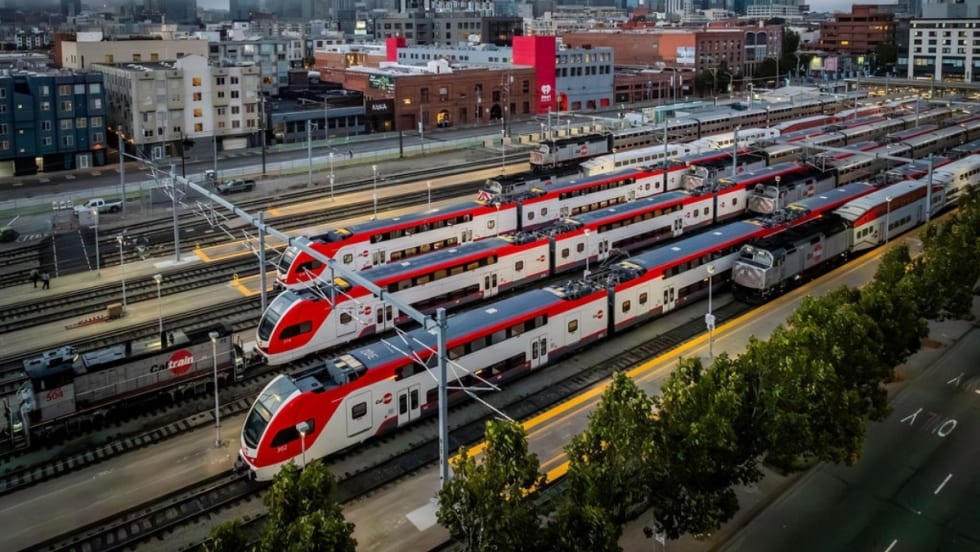
Caltrain Board Approves FY27 Budget, Endorses Efficiency Measures
The move ensures Caltrain service will continue operating as usual in the near term, but long-term financial challenges remain for the rail agency absent a new revenue source.
Read More →
Alstom Acquires Delaware Site to Support Amtrak NextGen Acela Fleet
The company is investing more than $55 million to acquire and improve the property and will employ approximately 100 people at this site once it is operational.
Read More →
When Routine Fails: How Public Transit Must Adapt for the World Cup
The 2026 FIFA World Cup will test transit agencies’ ability to manage unpredictable travel patterns, making real-time data and operational flexibility critical to moving millions of visitors efficiently.
Read More →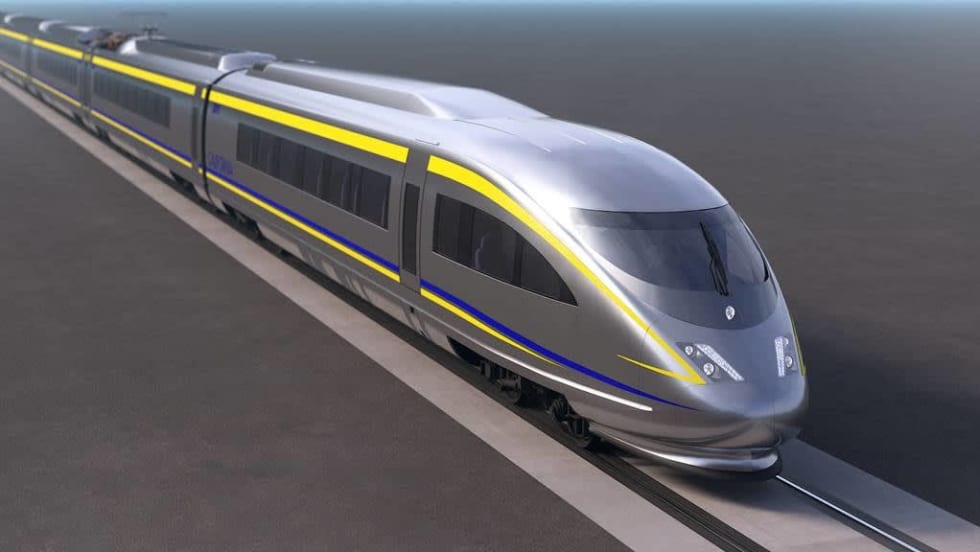
California Selects Team for Nation’s First True High-Speed Rail Track and Systems Contract
The board action follows completion of track installation at the 150-acre southern railhead in Kern County, which will serve as the staging and distribution hub for high-speed track and systems installation.
Read More →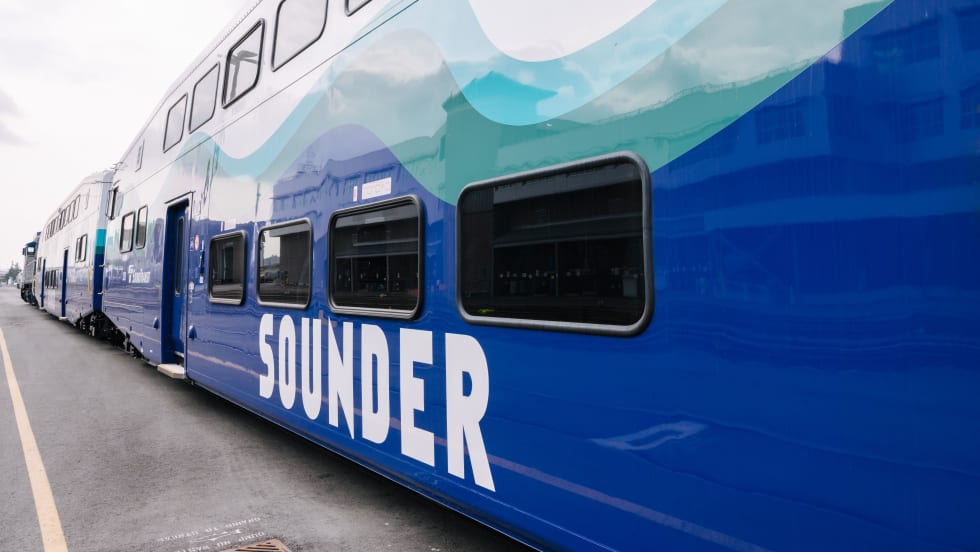
Seattle's Sound Transit Launches New Sounder Railcars into Service
Alstom manufactured all the cars under a $46.5 million contract and came into service in anticipation of summer crowds for soccer and baseball.
Read More →
Alstom Partners With Universities to Build Rail Talent Pipeline
The partnerships include a new engineering scholarship fund at Alfred State College in Western New York and collaborations with transportation centers at the University of Pennsylvania and New York University.
Read More →
Chicago's NITA Act Moves Into Next Phase as Service Improvements Begin
Rider-focused improvements will begin rolling out across the system immediately as CTA, Metra, and Pace increase service this summer in the six-county region.
Read More →
Seattle’s Sound Transit Adopts Updated ST3 System Plan
The updated system plan incorporates cost savings across the agency, including new revenue sources and financial policies, to set the agency on a sustainable path for the future.
Read More →
Inside Look: EMBARK Expands Fare-Free Transit Program Through New Public-Private Partnership
The OKC transit agency says sponsorship helps subsidize the Third Friday Free initiative while reducing barriers for first-time riders and boosting ridership across buses, streetcars, and river cruises.
Read More →