



Flexible solar strips light up campus bus shelter
The solar cells capture sunlight during the day and convert it to electricity to recharge batteries located in each lighting unit. The batteries can hold enough charge to light the shelter for the better part of a night.

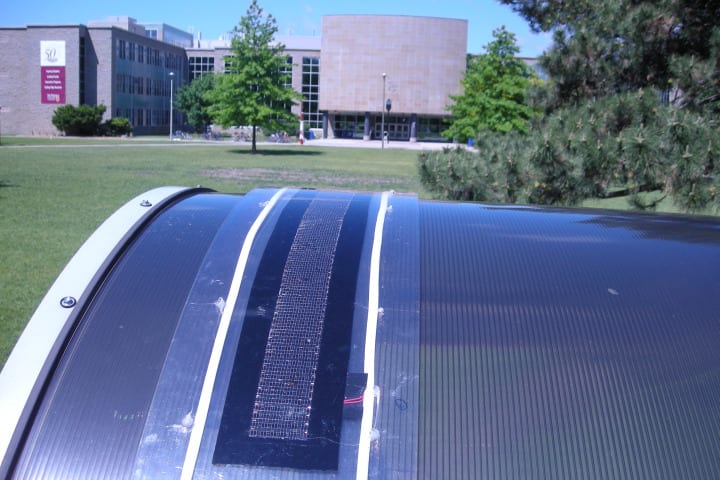
Exterior view of flexible solar strip designed by engineering researchers at McMaster on curved bus shelter roof. Photo courtesy of Faculty of Engineering, McMaster University.
[IMAGE]shelter-exterior-full.jpg[/IMAGE]New flexible solar cell technology developed by a group of engineering researchers at Hamilton, Ontario-based McMaster University has been installed on a campus shelter to power lighting for night-time transit users.
The researchers are also hoping that the prototype will help boost efforts to commercialize the new technology. The bus shelter is located on the west side of University Avenue between the John Hodgins Engineering Building and the Life Sciences Building.
“Our goal is to provide a clean, affordable power source for bus shelters that will let transit companies run Internet-based scheduling updates,” said Adrian Kitai, a professor of engineering physics at McMaster who guided the project. “The solar technology can also be used to light up bus shelter signage and provide lighting for general safety.”
The flexible solar cell project started as a master’s thesis for Wei Zhang, who subsequently worked as an engineer in the Department of Engineering Physics. Julia Zhu, a research technician in the department, and Jesika Briones, a master’s of engineering entrepreneurship and innovation graduate, also helped develop the initiative.
The ability to bend the solar cells to fit the curved roof of the bus shelter is one of the main features of the technology. The flexibility is achieved by tiling a large number of small silicon elements into an array, mounting them onto a flexible sheet, and connecting them through a proprietary method. The two solar strips installed on the McMaster bus shelter are about 35 inches long and 5 inches wide. Each strip has 720 .39-inch-square solar cells and generates up to 4.5 Watts of power.
With the help of Facility Services at McMaster, a solar strip was mounted at each end of the bus shelter roof and connected to two energy-efficient, multi-LED, light fixtures. Each light fixture uses only 600 milliwatts of power and produces about the same light output as a three watt regular tungsten bulb or what a small night light would use. The lights are bright enough for easy reading.
The solar cells capture sunlight during the day and convert it to electricity to recharge batteries located in each lighting unit. The batteries can hold enough charge to light the shelter for the better part of a night.
The solar cell research team is monitoring the installation to determine how much solar power is required to fully recharge the batteries based on weather conditions. Winter months will be a particular focus as shorter and overcast days, snow and cold can affect the charging ability of the solar cells and batteries.
Funding for the initiative was provided through an NSERC strategic grant and an NSERC I2I grant.
More Technology
Biz Briefs: Masabi Partners with LANTA and More
In this edition, we spotlight the latest developments shaping the future of mobility.
Read More →
Joshua Schank on Transportation Innovation, Risk, and the Future of Mobility
In this edition of METROspectives, Joshua Schank discusses lessons from launching LA Metro’s Office of Extraordinary Innovation, the challenges of advancing new mobility technologies, and much more.
Read More →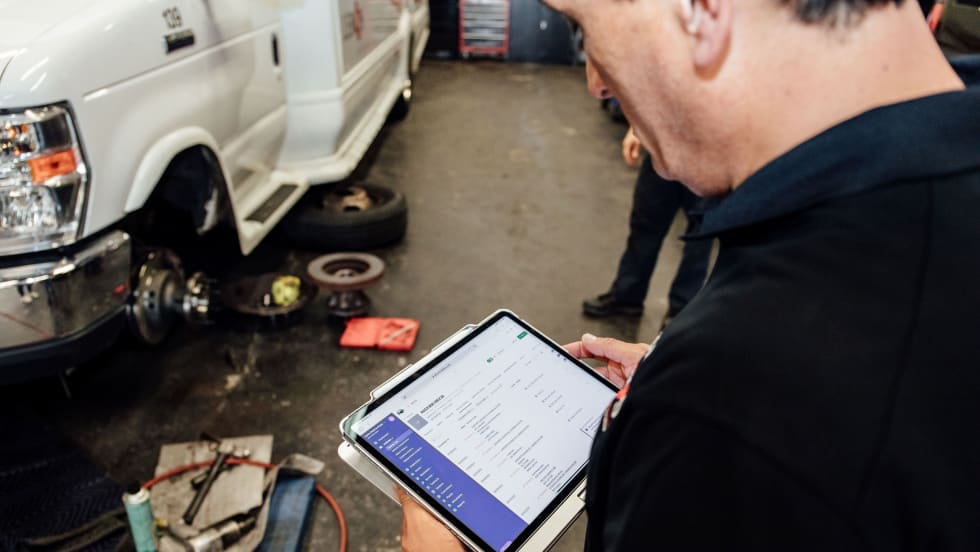
Reinventing Fleet Maintenance with Real-time Visibility and AI
Transit leaders need to know what needs fixing, where to look, who is responsible, when work is completed, and what it costs without having to chase information across disconnected systems.
Read More →
Alstom Acquires Delaware Site to Support Amtrak NextGen Acela Fleet
The company is investing more than $55 million to acquire and improve the property and will employ approximately 100 people at this site once it is operational.
Read More →
ABA's Ferguson Testifies in Support of BUS Act, National Standards for Bus Operators
The BUSES Act would create a nationwide framework preventing state and local governments from enforcing bus idling restrictions of less than 15 minutes, a threshold consistent with existing Environmental Protection Agency guidance.
Read More →
When Routine Fails: How Public Transit Must Adapt for the World Cup
The 2026 FIFA World Cup will test transit agencies’ ability to manage unpredictable travel patterns, making real-time data and operational flexibility critical to moving millions of visitors efficiently.
Read More →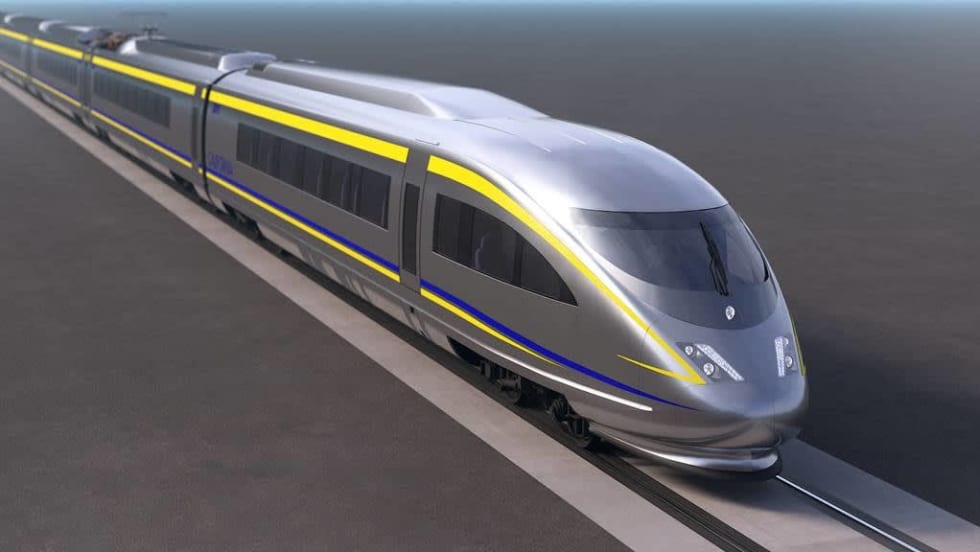
California Selects Team for Nation’s First True High-Speed Rail Track and Systems Contract
The board action follows completion of track installation at the 150-acre southern railhead in Kern County, which will serve as the staging and distribution hub for high-speed track and systems installation.
Read More →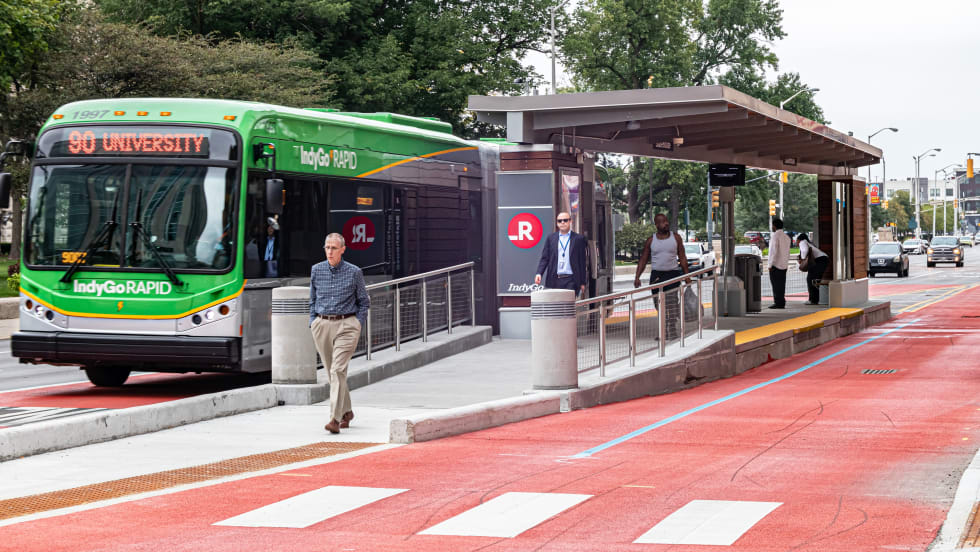
IndyGo, Cleveland RTA Expand Digital Fare Payment Options with Masabi
The new systems combine mobile apps, smart cards, and automatic fare capping to simplify payments, expand flexibility, and help riders access the lowest available fares.
Read More →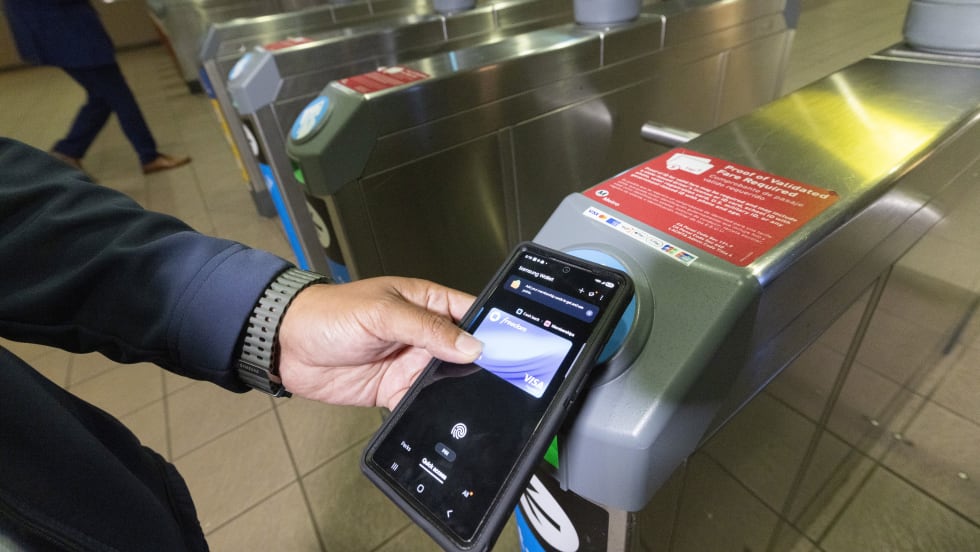
LA Metro Launches New Mobile App, Contactless Payment Options
Available on Metro and at 26 TAP-participating transit agencies, the system reduces waiting times, speeds boarding, and improves convenience systemwide, said the agency.
Read More →
Joshua Schank on Transportation Innovation, Risk, and the Future of Mobility
In this edition of METROspectives, the co-author of New Tricks for Old Bureaucracies, discusses lessons from launching LA Metro’s Office of Extraordinary Innovation, the challenges of advancing new mobility technologies, and much more.
Read More →