



S.F. Muni unveils solar-powered bus shelter
Will use third-generation organic-dye-based photovoltaic solar film to power lights and information systems.

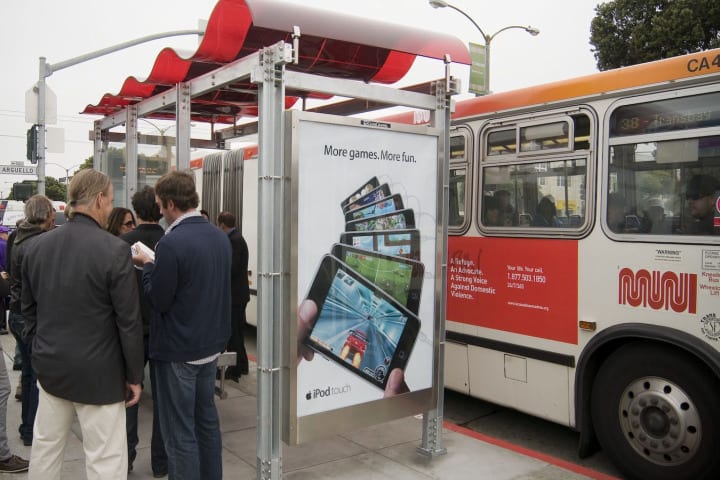
Photo courtesy of SFMTA.
Photo courtesy of SFMTA.
The San Francisco Municipal Transportation Agency (SFMTA) recently unveiled the city's first solar-powered transit shelter, which features sustainable materials and WiFi connectivity.
The new shelter is the first of at least 1,100 that will replace existing shelters around the city. The installation comes after a two-year process to develop, design and fabricate the new shelters, which were created with the SFMTA’s transit shelter advertising and maintenance contractor, Clear Channel Outdoor, in partnership with the San Francisco-based architecture team Lundberg Design.
“Transit shelters that use photovoltaics, LEDs, and WiFi are going to be standard in the future – and I’m proud that San Francisco is once again acting like the pacecar for other cities by trying and implementing these technologies,” said Mayor Gavin Newsom, who attended the unveiling.
San Francisco’s new transit shelters will feature two maps and a larger space for transit information, as well as Next Bus technology and a Push-To-Talk system for those who are visually impaired. The seating placement and design allow access for all customers under the shelter's most distinctive design element: the red undulating top.
Many of the new transit shelters, including the one at Geary and Arguello, will use third-generation organic-dye-based photovoltaic solar film to power the shelter lights and information systems. This patented technology uses a film that contains no heavy metals unlike typical silicon-based solar panels.
The design team developed a process to encapsulate the solar film material between sheets of plastic made of 40 percent post-industrial recycled content. The structure of the new shelters uses steel with a high-recycled content, usually between 60 and 70 percent, as well as energy-efficient light-emitting diodes (LEDs). The old fluorescent lights in the current shelters use 336 watts; the new LED panels use only 74.4 watts, making them four and a half times more energy efficient.
The new solar shelter is also testing WiFi connectivity to better enable Muni customers with mobile devices or laptops to use the Internet. If the test is successful, Clear Channel and the SFMTA could add WiFi to other new shelters in the City.
After the initial five shelters are installed, the SFMTA and Clear Channel will work together to see if any remaining design issues need to be addressed. After that review—and by the end of the summer—the team will develop a plan and timeline for installing the 1,100 new shelters at existing locations as expeditiously as possible, but no later than the end of 2013. The agreement also provides for the possibility of 400 additional transit shelters at new locations around San Francisco.
The SFMTA’s transit shelter advertising and maintenance contract with Clear Channel will generate at least $300 million for the SFMTA over the 20-year term of the contract.
More Bus
Brian Dickson on Building Stronger, More Resilient Transportation Organizations
Bus Business Consultants Founder Brian Dickson discusses the leadership principles, operational discipline, and strategic planning that separate transportation companies positioned for long-term success from those stuck in survival mode.
Read More →
LA Metro Breaks Ground on Vermont BRT Project
The 12.4-mile corridor is projected to serve 66,200 daily riders, reduce travel times by up to 24%, and create the nation's busiest bus rapid transit corridor.
Read More →
Roman Cornell on ABC Companies’ Evolution and the Future of Passenger Transportation
The company’s CEO discusses carrying forward a third-generation family legacy, ABC’s continued evolution in passenger transportation, support for increasingly complex fleets, and how technology and continued investment could help operators improve uptime.
Read More →
VIA Bus Ridership Grows 10.1% Through August 2026
San Antonio's VIA Metropolitan Transit reported the highest bus ridership growth among major Texas transit systems. Federal Transit Administration data ranked it second among the nation's 50 largest transit systems.
Read More →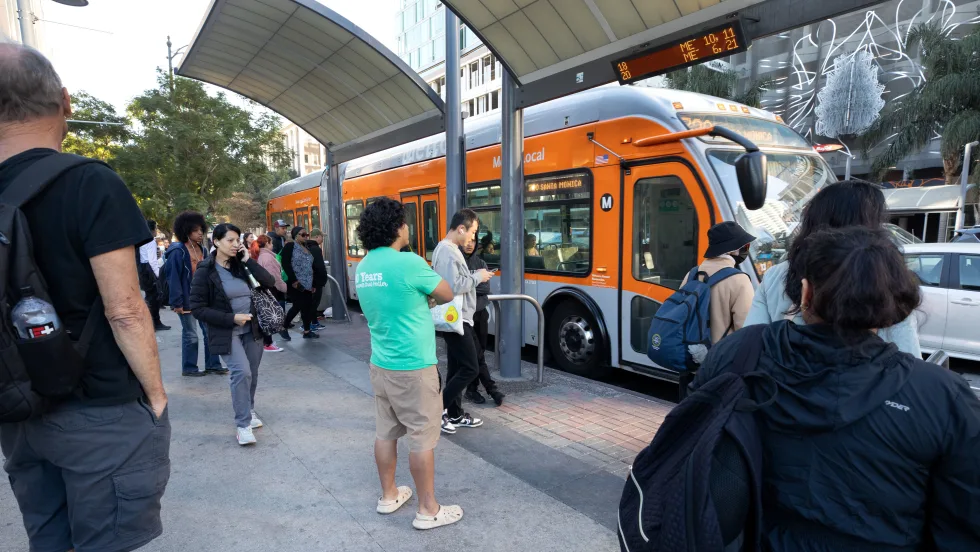
LA Metro September Ridership Climbs 3.9%, Led by Rail Growth
The agency recorded more than 27.2 million boardings, with rail ridership increasing 12.4% year over year and the D Line posting the largest gains.
Read More →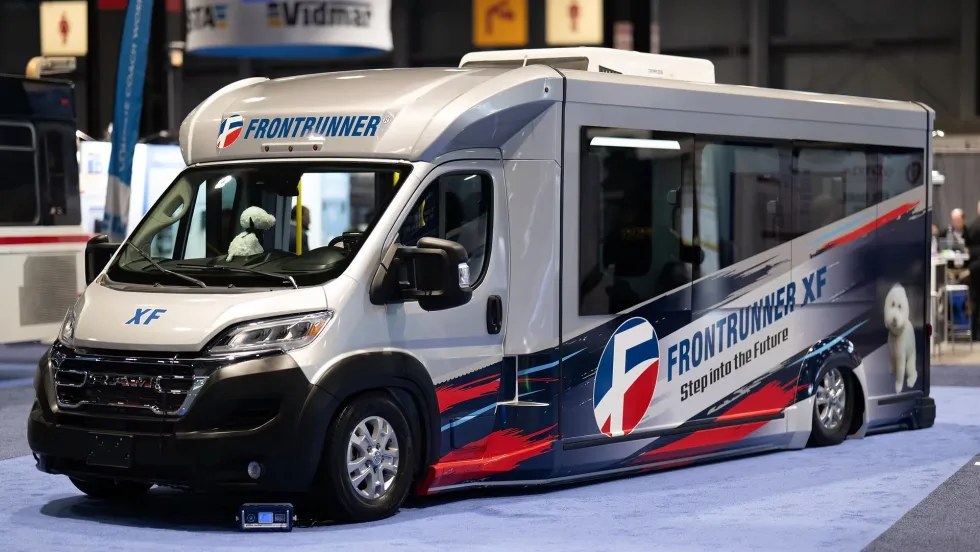
Frontrunner Bus Group Introduces XF Low-Floor Bus with Enhanced Accessibility
The new mid-sized bus features a full flat-floor design, eight-inch curbside step-in height, and zero-entry rear ramp to improve passenger access and operational flexibility.
Read More →
Scenes from APTA TRANSform & EXPO 2026
Transit leaders, manufacturers, and industry professionals gathered in Chicago to explore new technologies, share ideas, and discuss the future of public transportation.
Read More →
More Than a Summer Job: Building the Next Generation of Transit Talent
The Delaware River Port Authority and PATCO have transformed their internship program into a hands-on professional development experience that introduces students to the breadth of transportation careers — and creates a pipeline for future employees.
Read More →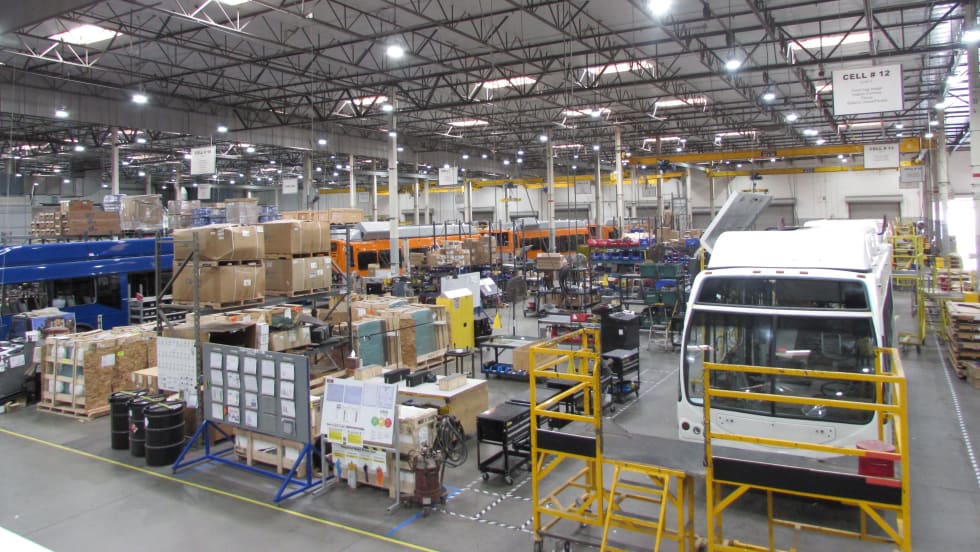
LA Metro Board Awards 220 Battery-Electric Bus Contract to ENC
The contract, which is the largest base award of battery-electric buses by a U.S. transit agency, will be built in Southern California, sustaining good jobs as LA prepares to welcome the world in 2028
Read More →
Public Transit Conference Returning to GFX in 2027, Call for Papers Now Open
The Call for Papers is now open, allowing transit agency professionals and industry experts to help shape the PTC educational program by submitting session ideas for consideration.
Read More →