



Senator unveils bus, train driver texting legislation
Law will ban any driver or conductor from using electronic devices while inside any public or private transportation vehicle. The legislation will also heavily penalize those who put the public’s safety at risk.

Today, U.S. Senator Charles E. Schumer unveiled new legislation that will ban train conductors and bus drivers from texting on their cell phones while on the job.
The legislation comes in the wake of major mass transit accidents in Massachusetts and California that were caused by distracted operators who were texting on their cell phones while operating the mass transit vehicles. There were 25 deaths as a result of these accidents alone. There is also an ongoing investigation into the recent Washington D.C. Metro crash that left nine dead, although the cause of this accident is not yet known.
Schumer’s legislation will ban any driver or conductor from using electronic devices while inside any public or private transportation vehicle. The legislation will also heavily penalize those who put the public’s safety at risk. The Department of Transportation currently has a ban on texting for rail conductors but not mass transit or buses.
“Texting while conducting a train or driving a bus is not only irresponsible, it’s extremely dangerous,” Schumer said. “By texting by while driving, mass transit operators are shirking on their responsibility to provide riders with a safe and reliable means of transportation. These injuries and deaths underscore the dire need for sweeping legislation. With my new bill, conductors and drivers will finally be held accountable for their risky behavior that puts the public in peril.”
Recently, the American Medical Association identified texting while driving as a public health risk and cited a study that found that texting while driving causes a 400 percent increase in time spent with eyes off the road. However, texting while driving affects train conductors and bus drivers, as well as car operators. In September 2008, the worst train crash in 15 years took place in Los Angeles when a train conductor receiving and sending text messages went through a red light and collided with a freight train, killing 25 people and injuring 135.
In May 2009, a MBTA trolley in Boston ran a red light and crashed into another trolley. The conductor admitted to texting when the accident took place. Forty-nine people were injured. Earlier this year, a San Antonio bus driver was caught on video driving through rush hour traffic while texting on his cell phone. The bus inevitably crashed into an SUV.
The Federal Railroad Administration (FRA), part of the U.S. Department of Transportation (DOT), issued an emergency order in October 2008 to restrict on duty railroad operating employees from using cell phones and other electronic devices. The decision to issue the order came after the Los Angeles crash that killed 25 people, which raised serious concerns within FRA and DOT over the safety of rail transportation when electronic devices were used by conductors.
Schumer’s legislation accomplishes four goals:
First, it bans any driver or conductor from using any electronic devices while inside any public or private transportation vehicle they are operating.
Second, the legislation creates severe penalties and fines for any driver or conductor found using an electronic device inside a transportation vehicle they are operating.
Third, the legislation directs conductor and driver training programs to emphasize the danger of texting while operating a vehicle.
Lastly, it creates a hotline for concerned citizens to call when they witness a driver or conductor using an electronic device while operating a vehicle.
Schumer added, “In order to protect New Yorkers from the type of tragic public transportation accidents that recently rocked California, Massachusetts, and Texas, we must act quickly to get this legislation passed. By enforcing these strict penalties, New Yorkers will feel safer traveling on public transportation in the future.”
More Bus
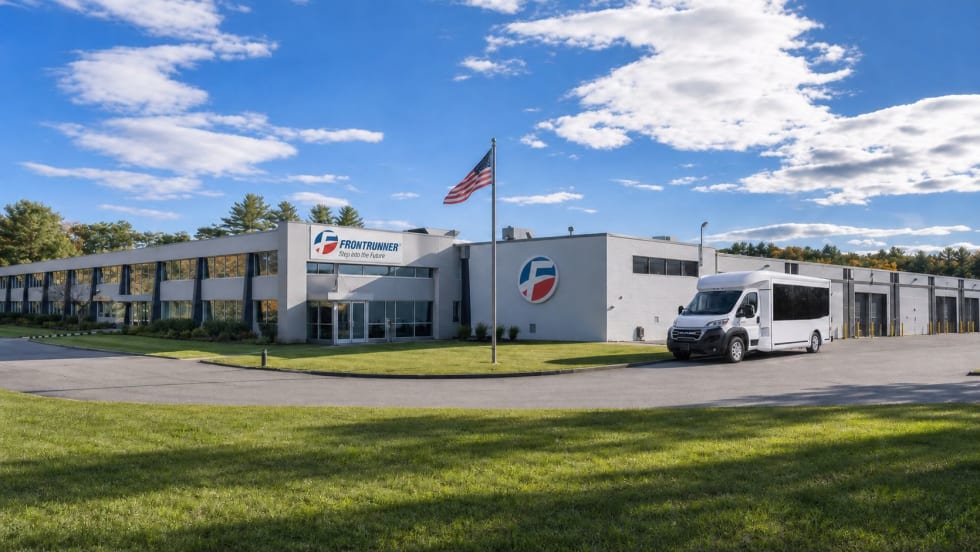
Frontrunner Bus Group Expands with New Massachusetts Headquarters
The significantly larger facility will provide the infrastructure needed to support the company’s growing workforce, advanced technologies, and expanding product line.
Read More →
Joshua Schank on Transportation Innovation, Risk, and the Future of Mobility
In this edition of METROspectives, Joshua Schank discusses lessons from launching LA Metro’s Office of Extraordinary Innovation, the challenges of advancing new mobility technologies, and much more.
Read More →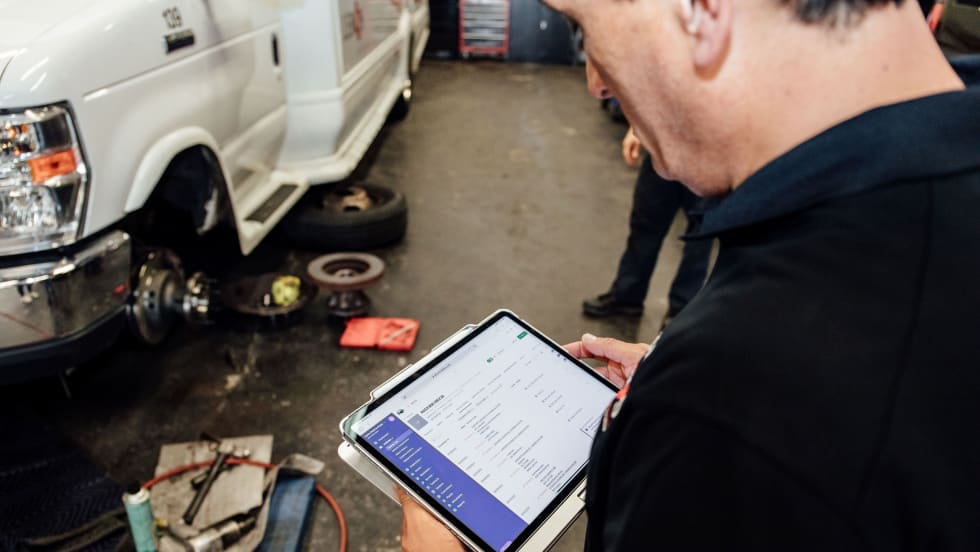
Reinventing Fleet Maintenance with Real-time Visibility and AI
Transit leaders need to know what needs fixing, where to look, who is responsible, when work is completed, and what it costs without having to chase information across disconnected systems.
Read More →
SamTrans Sets Priorities for Potential Connect Bay Area Revenue
The board-approved framework allocates future funding to maintaining service, rider improvements, equity initiatives, and infrastructure repairs.
Read More →
When Routine Fails: How Public Transit Must Adapt for the World Cup
The 2026 FIFA World Cup will test transit agencies’ ability to manage unpredictable travel patterns, making real-time data and operational flexibility critical to moving millions of visitors efficiently.
Read More →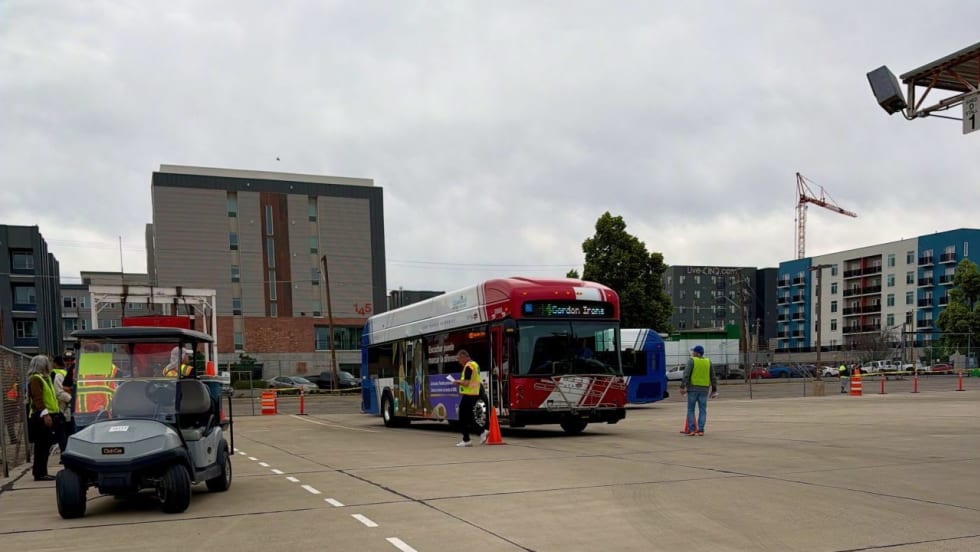
Photo Highlights from APTA's 2026 Mobility Conference
The photo gallery captures scenes from the conference, including the International Bus Roadeo, exhibit hall activities, the Bus Showcase, and much more.
Read More →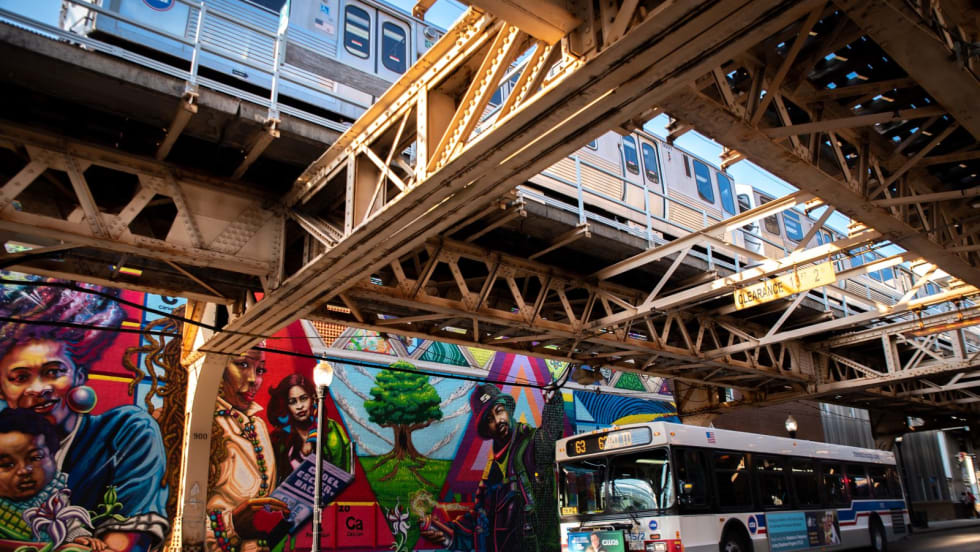
Chicago's NITA Act Moves Into Next Phase as Service Improvements Begin
Rider-focused improvements will begin rolling out across the system immediately as CTA, Metra, and Pace increase service this summer in the six-county region.
Read More →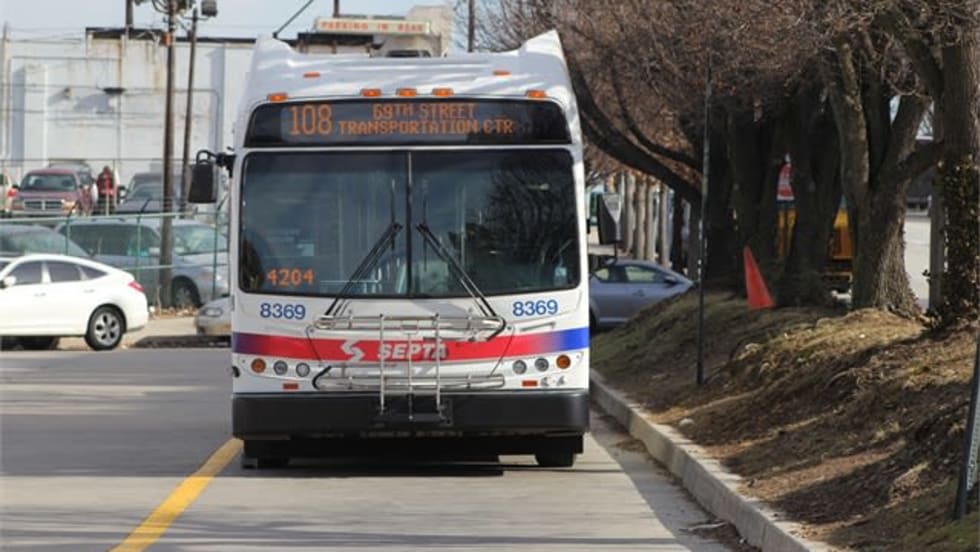
Philadelphia's SEPTA Approves Annual Transit Service Plan
Between 2021 and 2024, SEPTA held more than 200 public meetings — including 144 in-person sessions — throughout the SEPTA service region.
Read More →
A True Low-Floor Minibus Design Delivers Better Accessibility and Efficiency for Everyone
As transit demands evolve, so should your fleet. Download the whitepaper to see how the Low-Floor Frontrunner Minibus compares to traditional options.
Read More →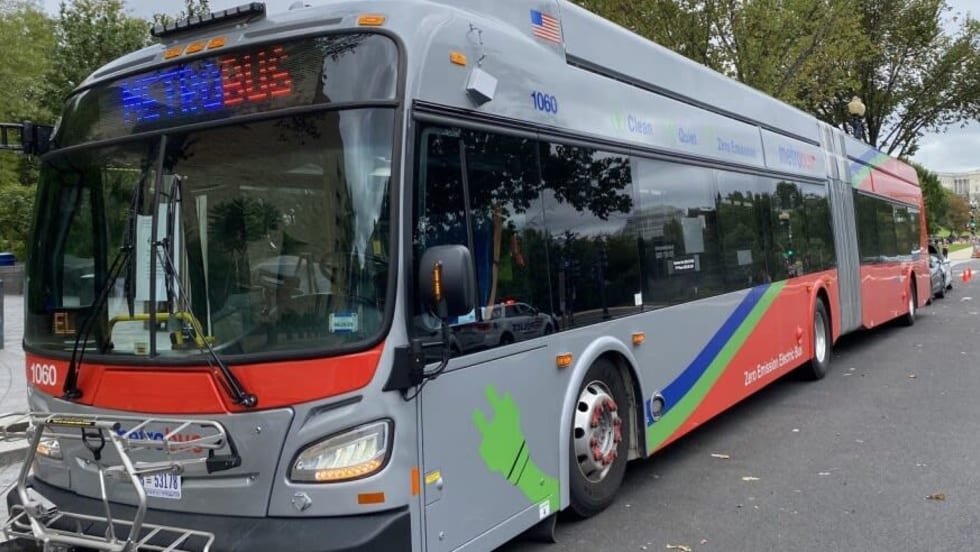
WMATA Debuts 'Fares Pay for Service' Awareness Campaign
The campaign was highlighted during a media event at the Paul S. Sarbanes Transit Center in Silver Spring, where WMATA’s GM/CEO Randy Clarke joined Metro Transit Police officers, WMATA management team, board members, and staff to expand fare enforcement and customer education efforts on Metro Bus routes throughout the region.
Read More →