



V. Tech focuses on alternative transportation options
Students can take advantage of the university’s Bike, Bus and Walk program, which allows students without a single-occupancy vehicle parking permit to apply for 15 free daily hang tags per semester.

Virginia Polytechnic Institute and State University (Virginia Tech) in Blacksburg, Va., has several transportation options available to students and faculty that minimize the number of single-occupancy vehicles brought to campus. These options supplement the 11 public Blacksburg Transit routes that serve the school.
Alternative Transportation Manager Deborah Freed says the university began looking at alternative transportation options in 1999. “With parking, if you build it, they will come — and that’s not always a good thing, since it leads to more congestion on campus and the need for more and more parking to be built,” Freed says. “We felt the need to give commuters an alternative to driving alone.”
Students can take advantage of the university’s Bike, Bus and Walk program, which allows students without a single-occupancy vehicle parking permit to apply for 15 free daily hang tags per semester. Also available is an emergency ride back program, so students who have chosen alternative transportation can get a ride back home in case of an emergency. “That’s been used very lightly, but it’s the kind of fallback measure that makes people feel safe joining the program,” Freed says.
Virginia Tech also offers a vanpool and carpool program. The cost of a carpool parking permit is 30-percent less than for a single-occupancy vehicle permit, plus the cost can be split between the people in the carpool. There are reserved parking spots on campus, and carpool permit holders also receive five free daily hang tags per semester for days when they need to have a vehicle on campus but are not carpooling.
Starting this coming school year, the university will have U Car Share vehicles on campus for student and faculty use. People who sign up as members can reserve cars online, and the hourly rate covers gas and insurance. The program comes at no cost to the university, which only has to provide signage and parking spaces for the six vehicles.
“These are relatively inexpensive programs to put in place, and I would say that the cost that we have reduced in building new parking probably has covered the cost of the program itself,” Freed says.
She says that people in the Virginia Tech community have been turning to alternative transportation options for a variety of reasons, including high gas prices, tough financial times making it more difficult to own and operate a car, and environmental reasons. “The environmental movement has been very strong on our campus, so we have a lot of folks who are opting for what they see as greener transportation options to cut down on their personal carbon footprints,” Freed explains.
More Bus
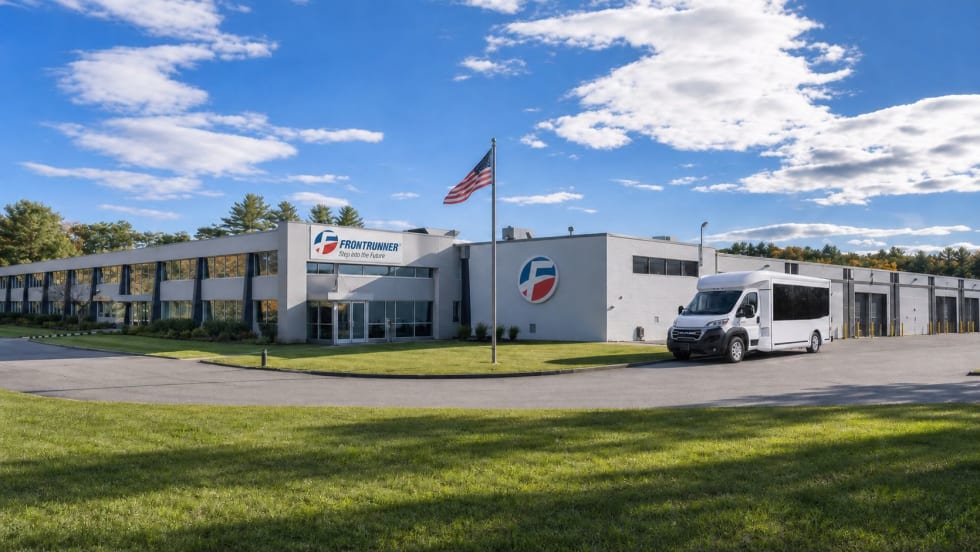
Frontrunner Bus Group Expands with New Massachusetts Headquarters
The significantly larger facility will provide the infrastructure needed to support the company’s growing workforce, advanced technologies, and expanding product line.
Read More →
Joshua Schank on Transportation Innovation, Risk, and the Future of Mobility
In this edition of METROspectives, Joshua Schank discusses lessons from launching LA Metro’s Office of Extraordinary Innovation, the challenges of advancing new mobility technologies, and much more.
Read More →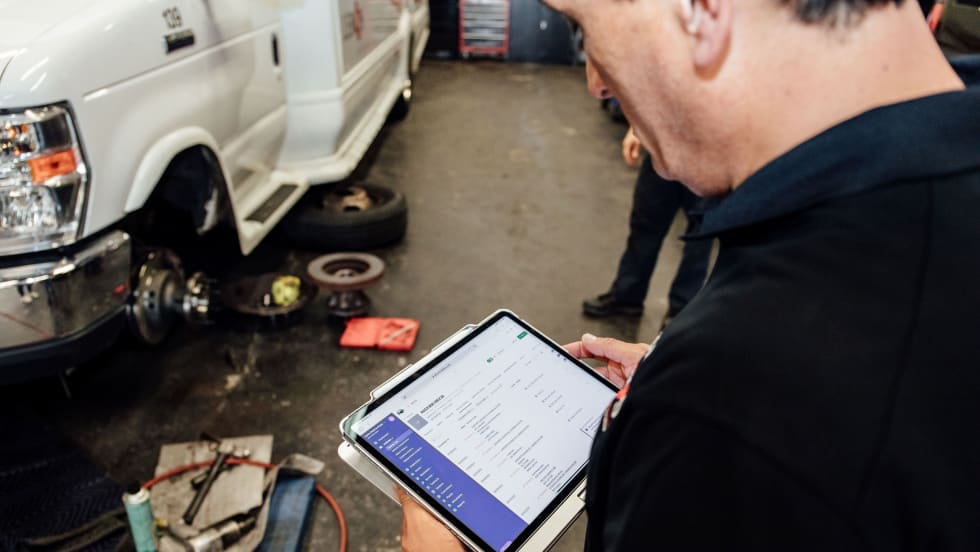
Reinventing Fleet Maintenance with Real-time Visibility and AI
Transit leaders need to know what needs fixing, where to look, who is responsible, when work is completed, and what it costs without having to chase information across disconnected systems.
Read More →
SamTrans Sets Priorities for Potential Connect Bay Area Revenue
The board-approved framework allocates future funding to maintaining service, rider improvements, equity initiatives, and infrastructure repairs.
Read More →
When Routine Fails: How Public Transit Must Adapt for the World Cup
The 2026 FIFA World Cup will test transit agencies’ ability to manage unpredictable travel patterns, making real-time data and operational flexibility critical to moving millions of visitors efficiently.
Read More →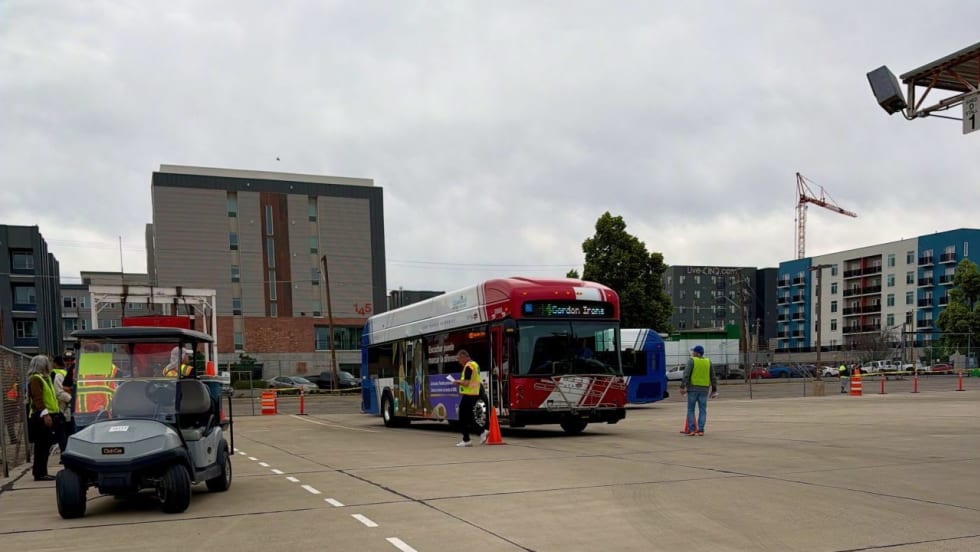
Photo Highlights from APTA's 2026 Mobility Conference
The photo gallery captures scenes from the conference, including the International Bus Roadeo, exhibit hall activities, the Bus Showcase, and much more.
Read More →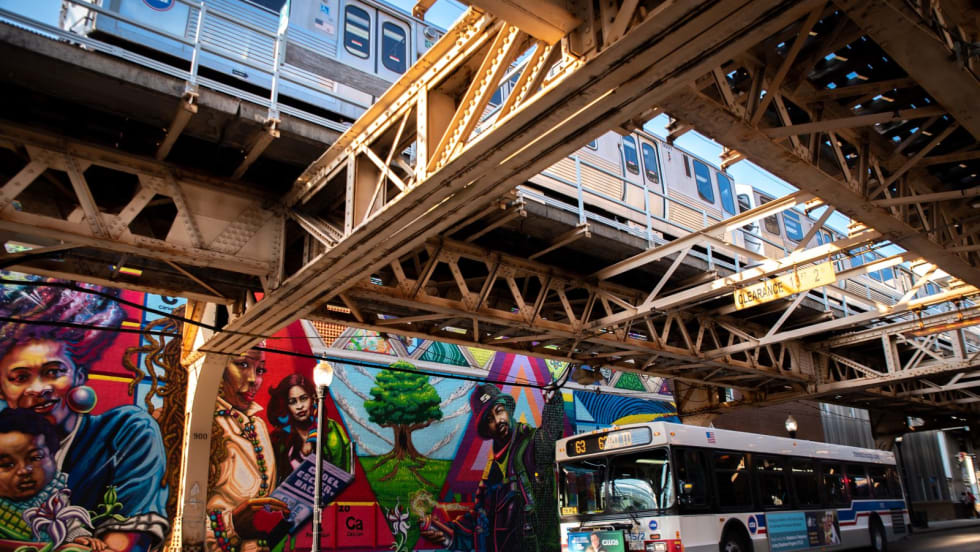
Chicago's NITA Act Moves Into Next Phase as Service Improvements Begin
Rider-focused improvements will begin rolling out across the system immediately as CTA, Metra, and Pace increase service this summer in the six-county region.
Read More →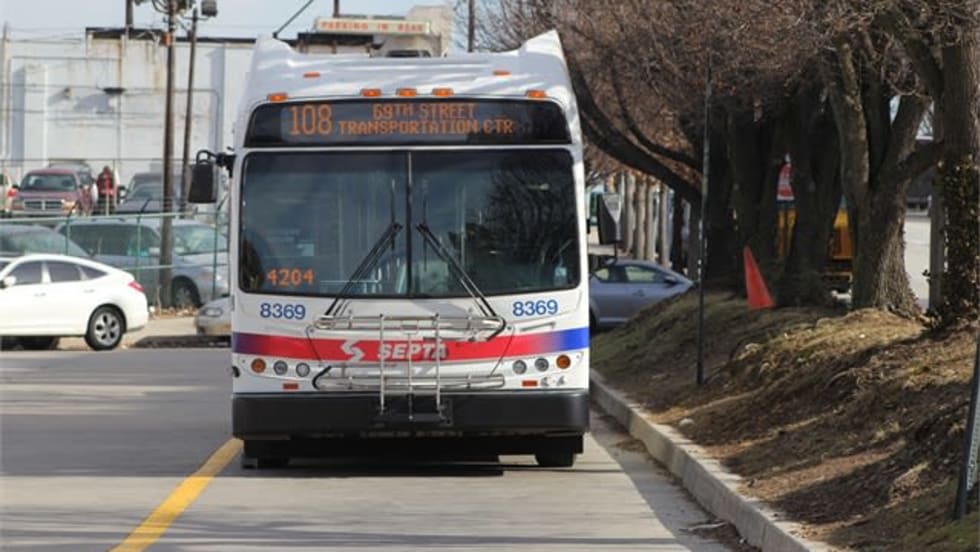
Philadelphia's SEPTA Approves Annual Transit Service Plan
Between 2021 and 2024, SEPTA held more than 200 public meetings — including 144 in-person sessions — throughout the SEPTA service region.
Read More →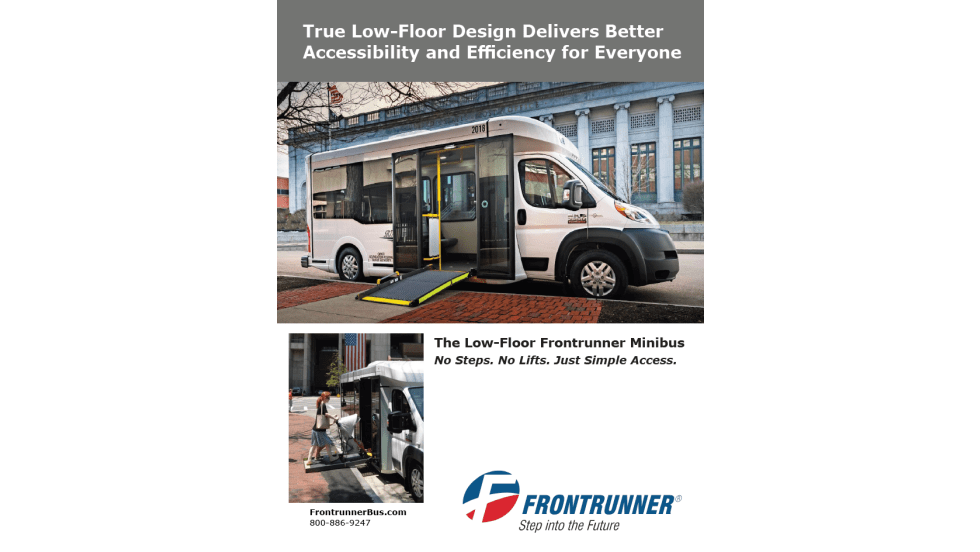
A True Low-Floor Minibus Design Delivers Better Accessibility and Efficiency for Everyone
As transit demands evolve, so should your fleet. Download the whitepaper to see how the Low-Floor Frontrunner Minibus compares to traditional options.
Read More →
WMATA Debuts 'Fares Pay for Service' Awareness Campaign
The campaign was highlighted during a media event at the Paul S. Sarbanes Transit Center in Silver Spring, where WMATA’s GM/CEO Randy Clarke joined Metro Transit Police officers, WMATA management team, board members, and staff to expand fare enforcement and customer education efforts on Metro Bus routes throughout the region.
Read More →