



Hertz launches car program on Arizona campus
Members can access reserved cars on campus using a security code within a smart chip provided in their Hertz access card.

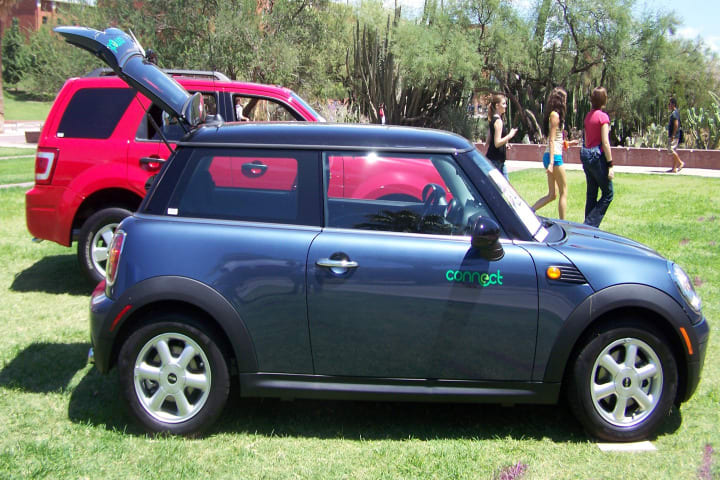
[IMAGE]Hertz-car-sharing-full.jpg[/IMAGE]The Hertz global car sharing club has launched a new alternative transportation program on the University of Arizona campus.
Car sharing offers an alternative transportation mode to encourage SOV (Single Occupant Vehicle) drivers to use transit, bike or walk to work and class. Car sharing supports this by providing a car that’s easy to access and has a low cost, according to Hertz officials. Commuters don’t have to drive their own cars to work and class if they have one readily available.
Every Connect by Hertz car on the road eliminates up to 14 personal vehicles, reducing the overall number of cars on the roads, according to the car rental company. Fewer cars on the road means less CO2 emissions clogging up the air. In the U.S., Connect by Hertz cars are all EPA Smartway certified. This ensures less air pollutants and greenhouse gases are emitted.
Car sharing members use vehicles when they want to, and pay for the service based on how much they drive. After pre-registering with Hertz online, Hertz will mail an access card to each member. Once the card is received, the member goes to the Connect by Hertz website and reserves the vehicle that they want for as many hours as they want.
The cars are strategically placed around campus providing students, university faculty and staff an environmentally-friendly, economical alternative to car ownership. Ten cars are parked around campus -- three in Tyndall Garage, one in Sixth St. Garage, two on Highland north of 4th St., two in Second St Garage, and two on Olive at 2nd St.
Hertz will check each member's driving record. Drivers between 18 and 21 must have a clean record and have been driving for a year. Others must have a valid license. With their credit card already on file, members select the vehicle they want and the amount of time they will need.
The car sharing program has a maximum mileage limit of 180 miles per day. After making an online reservation, the member can access the reserved car on campus. Members can use a security code within a smart chip provided in their Hertz access card unlock the car.
The member returns the car to the same location. If the driver wants to extend their rental, there is a button to push on the dashboard that will connect them with Hertz to extend their time. If there is not another reservation, time can be extended. If the driver wants a free hour, they can stop at a car wash and get the vehicle washed.
Returning a car late or with excess miles incurs additional expense. The car sharing program provides all support to the vehicle including maintenance, cleaning, repair, insurance, and gas.
Hertz is waiving the first year membership and application fee, so sign up now for your free membership by visiting www.connectbyhertz.com.
More Bus
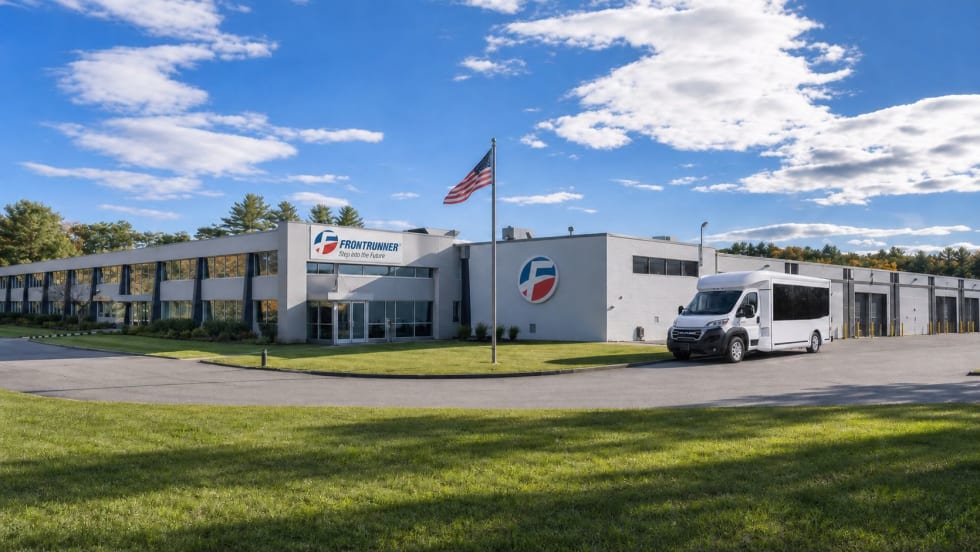
Frontrunner Bus Group Expands with New Massachusetts Headquarters
The significantly larger facility will provide the infrastructure needed to support the company’s growing workforce, advanced technologies, and expanding product line.
Read More →
Joshua Schank on Transportation Innovation, Risk, and the Future of Mobility
In this edition of METROspectives, Joshua Schank discusses lessons from launching LA Metro’s Office of Extraordinary Innovation, the challenges of advancing new mobility technologies, and much more.
Read More →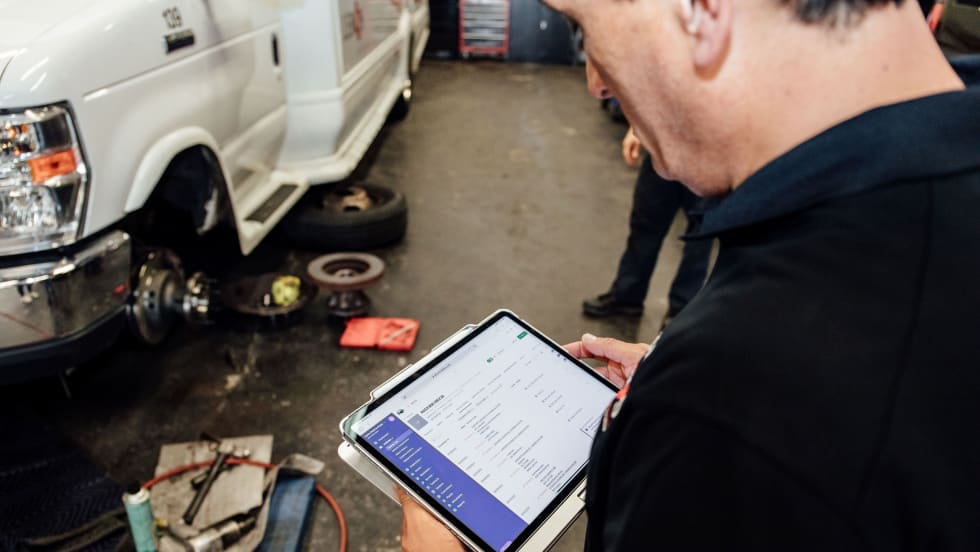
Reinventing Fleet Maintenance with Real-time Visibility and AI
Transit leaders need to know what needs fixing, where to look, who is responsible, when work is completed, and what it costs without having to chase information across disconnected systems.
Read More →
SamTrans Sets Priorities for Potential Connect Bay Area Revenue
The board-approved framework allocates future funding to maintaining service, rider improvements, equity initiatives, and infrastructure repairs.
Read More →
When Routine Fails: How Public Transit Must Adapt for the World Cup
The 2026 FIFA World Cup will test transit agencies’ ability to manage unpredictable travel patterns, making real-time data and operational flexibility critical to moving millions of visitors efficiently.
Read More →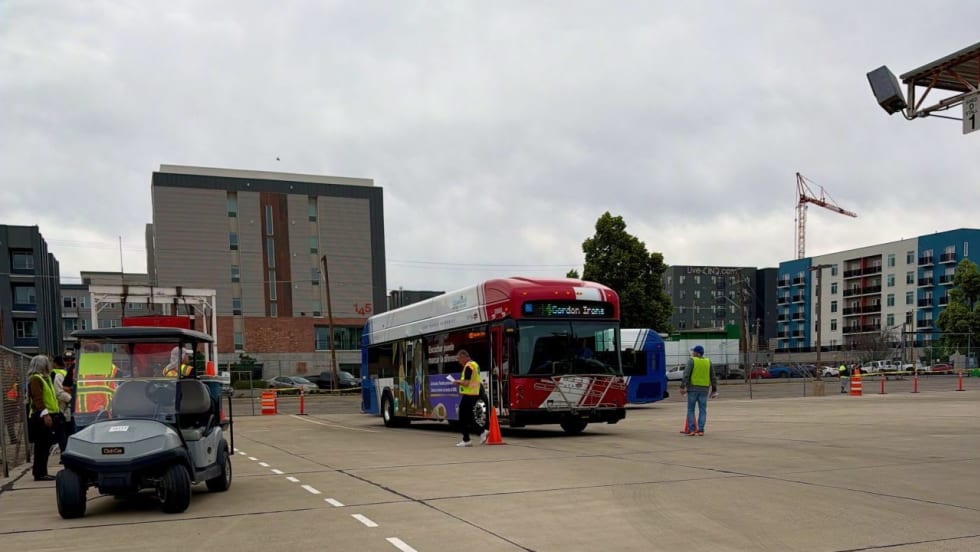
Photo Highlights from APTA's 2026 Mobility Conference
The photo gallery captures scenes from the conference, including the International Bus Roadeo, exhibit hall activities, the Bus Showcase, and much more.
Read More →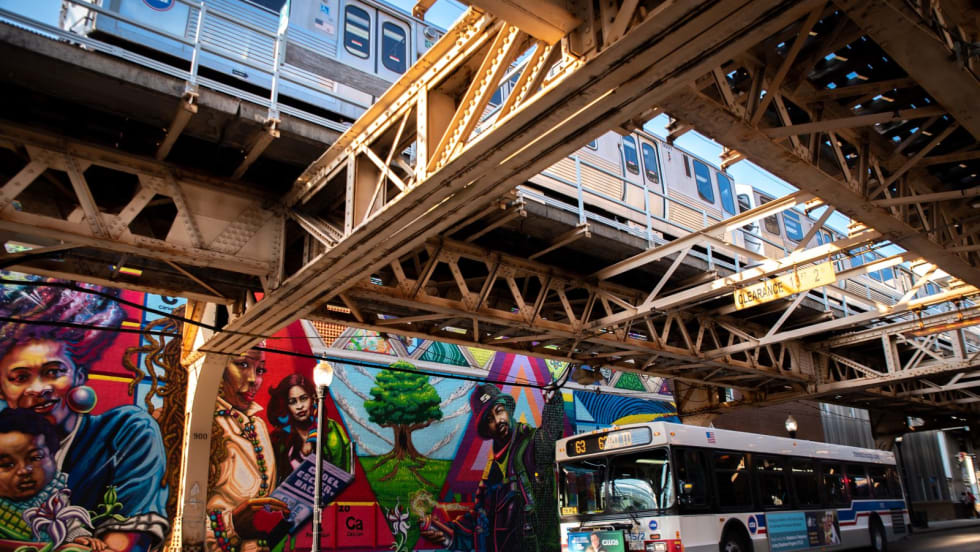
Chicago's NITA Act Moves Into Next Phase as Service Improvements Begin
Rider-focused improvements will begin rolling out across the system immediately as CTA, Metra, and Pace increase service this summer in the six-county region.
Read More →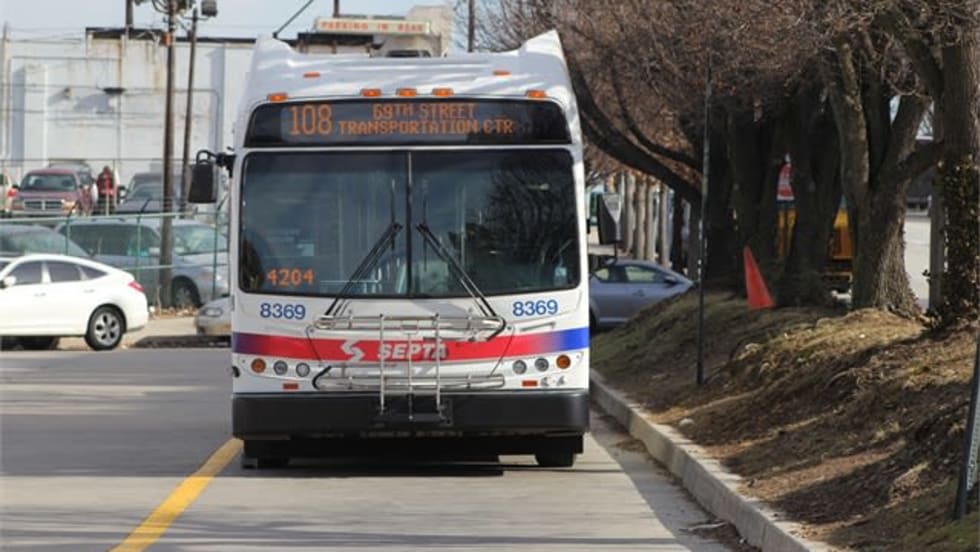
Philadelphia's SEPTA Approves Annual Transit Service Plan
Between 2021 and 2024, SEPTA held more than 200 public meetings — including 144 in-person sessions — throughout the SEPTA service region.
Read More →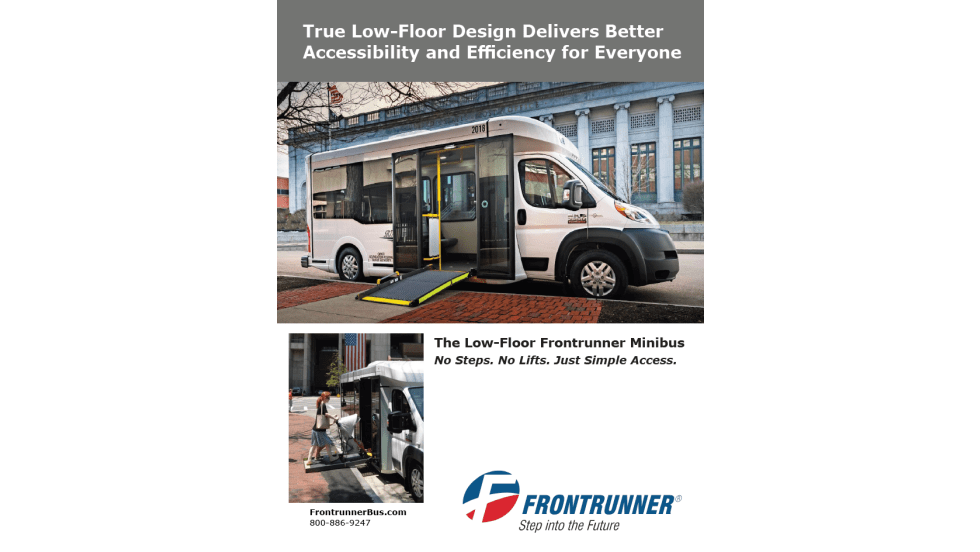
A True Low-Floor Minibus Design Delivers Better Accessibility and Efficiency for Everyone
As transit demands evolve, so should your fleet. Download the whitepaper to see how the Low-Floor Frontrunner Minibus compares to traditional options.
Read More →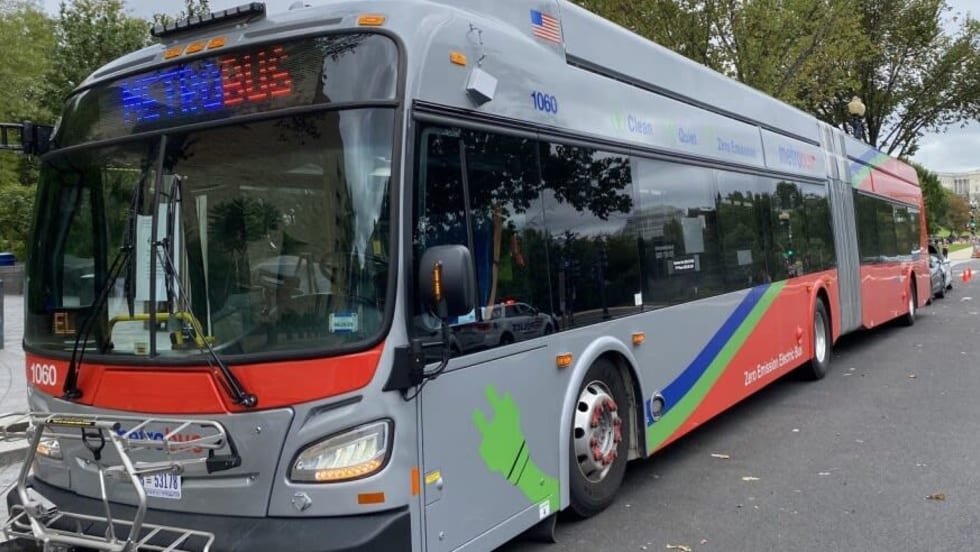
WMATA Debuts 'Fares Pay for Service' Awareness Campaign
The campaign was highlighted during a media event at the Paul S. Sarbanes Transit Center in Silver Spring, where WMATA’s GM/CEO Randy Clarke joined Metro Transit Police officers, WMATA management team, board members, and staff to expand fare enforcement and customer education efforts on Metro Bus routes throughout the region.
Read More →