



NYSDOT receives ARRA funds for rural transit
The $20 million in funding will enable small cities and rural counties to purchase 149 buses, upgrade maintenance facilities, build bus shelters and install signage.

On Wednesday, the New York State Department of Transportation (NYSDOT) announced the certification of nearly $20 million in funding for small cities and rural counties to purchase buses and upgrade transit facilities through the federal American Recovery and Reinvestment Act of 2009 (ARRA).
The assistance is being provided only to public transportation capital projects in areas with a population of less than 50,000 people. Funding will be used to purchase 149 buses and upgrade maintenance facilities, which will improve bus reliability. It will also be used to build bus shelters and install signage to make it easier for riders unfamiliar with bus routes to locate stops.
The Federal Transit Administration (FTA) has issued final approval of the projects, which NYSDOT had selected and submitted for funding.
NYSDOT Acting Commissioner Stanley Gee said, "It is essential, especially in rural areas where few transportation options may exist, to make transit services available. We are pleased to join with Governor Paterson to use this federal economic-recovery funding to expand transit opportunities and provide travel choices for residents of rural communities across New York State."
More Bus
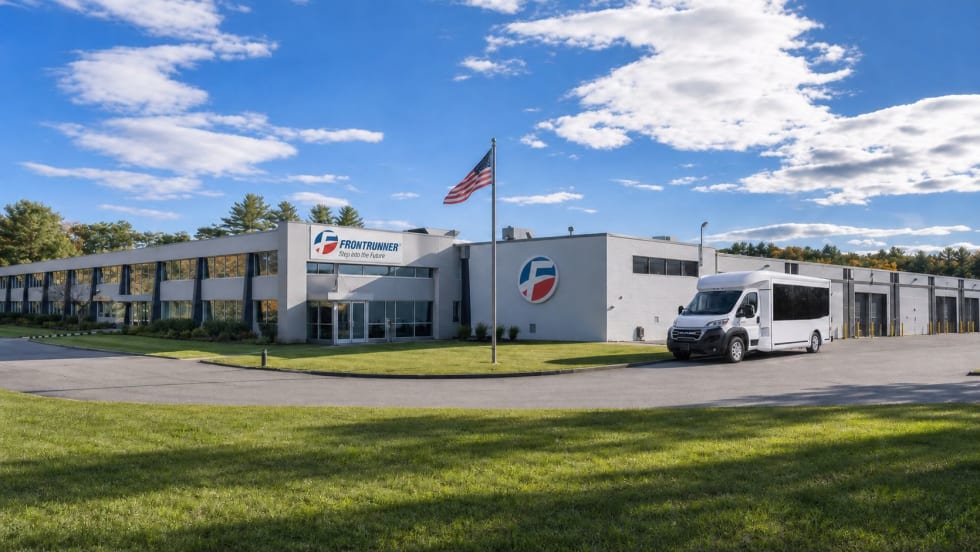
Frontrunner Bus Group Expands with New Massachusetts Headquarters
The significantly larger facility will provide the infrastructure needed to support the company’s growing workforce, advanced technologies, and expanding product line.
Read More →
Joshua Schank on Transportation Innovation, Risk, and the Future of Mobility
In this edition of METROspectives, Joshua Schank discusses lessons from launching LA Metro’s Office of Extraordinary Innovation, the challenges of advancing new mobility technologies, and much more.
Read More →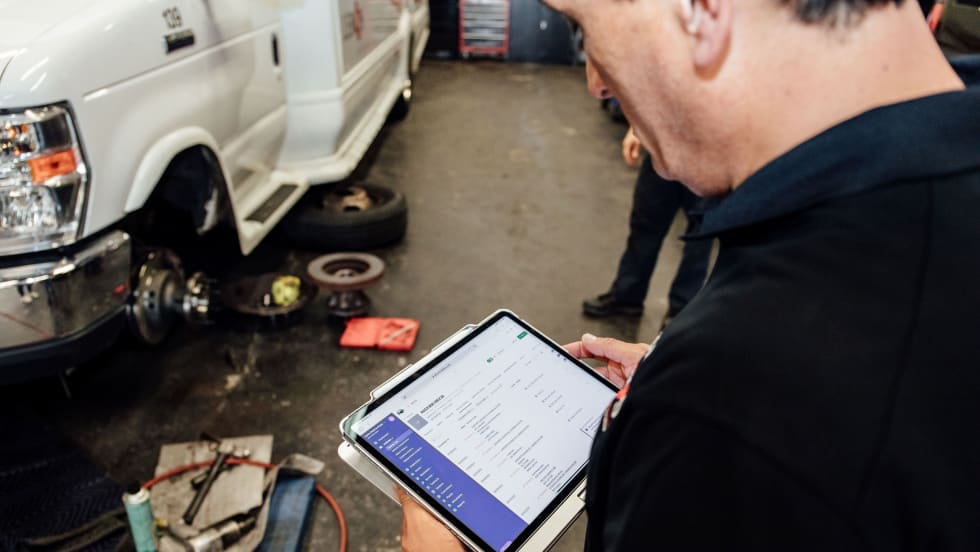
Reinventing Fleet Maintenance with Real-time Visibility and AI
Transit leaders need to know what needs fixing, where to look, who is responsible, when work is completed, and what it costs without having to chase information across disconnected systems.
Read More →
SamTrans Sets Priorities for Potential Connect Bay Area Revenue
The board-approved framework allocates future funding to maintaining service, rider improvements, equity initiatives, and infrastructure repairs.
Read More →
When Routine Fails: How Public Transit Must Adapt for the World Cup
The 2026 FIFA World Cup will test transit agencies’ ability to manage unpredictable travel patterns, making real-time data and operational flexibility critical to moving millions of visitors efficiently.
Read More →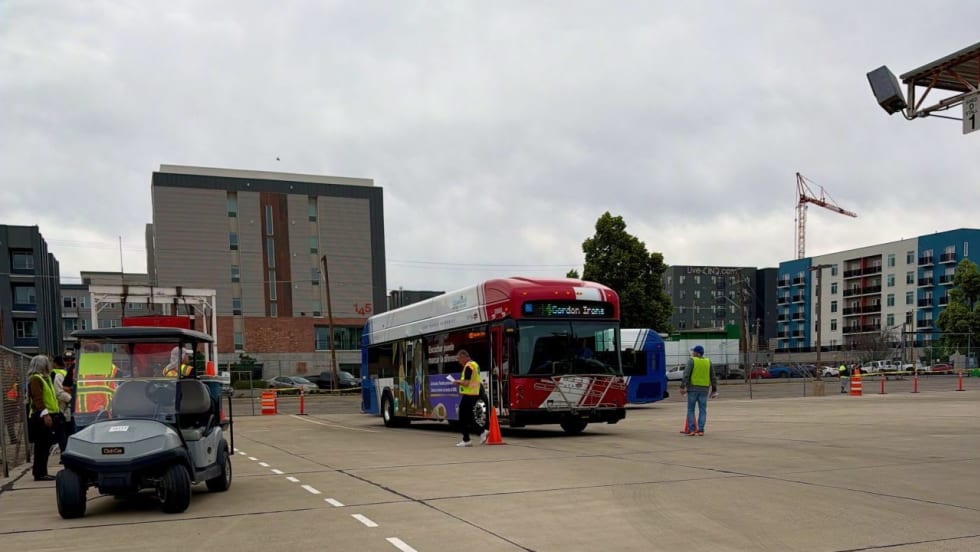
Photo Highlights from APTA's 2026 Mobility Conference
The photo gallery captures scenes from the conference, including the International Bus Roadeo, exhibit hall activities, the Bus Showcase, and much more.
Read More →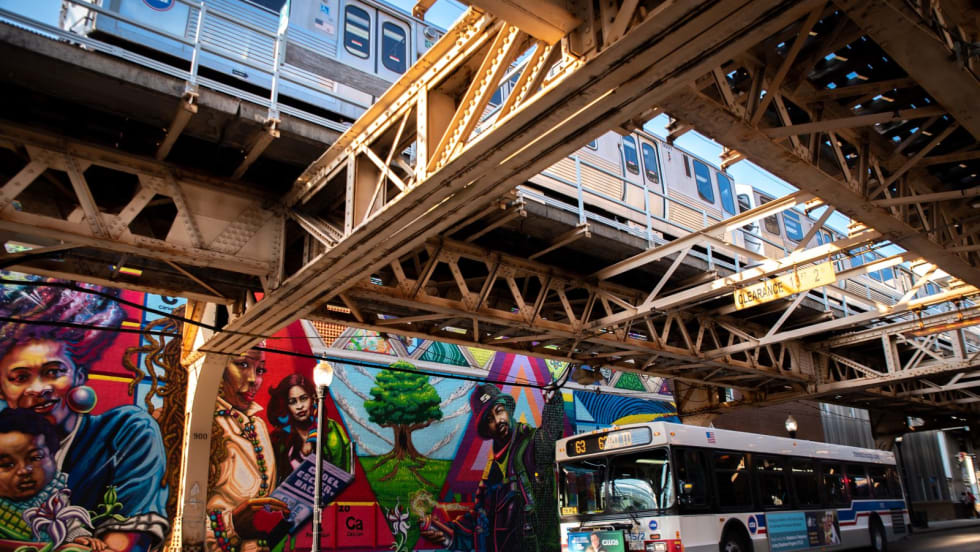
Chicago's NITA Act Moves Into Next Phase as Service Improvements Begin
Rider-focused improvements will begin rolling out across the system immediately as CTA, Metra, and Pace increase service this summer in the six-county region.
Read More →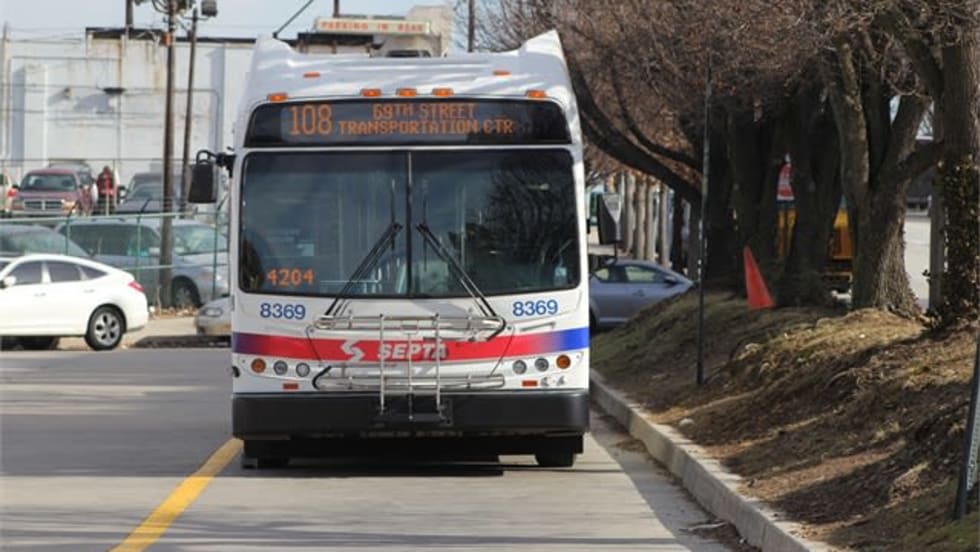
Philadelphia's SEPTA Approves Annual Transit Service Plan
Between 2021 and 2024, SEPTA held more than 200 public meetings — including 144 in-person sessions — throughout the SEPTA service region.
Read More →
A True Low-Floor Minibus Design Delivers Better Accessibility and Efficiency for Everyone
As transit demands evolve, so should your fleet. Download the whitepaper to see how the Low-Floor Frontrunner Minibus compares to traditional options.
Read More →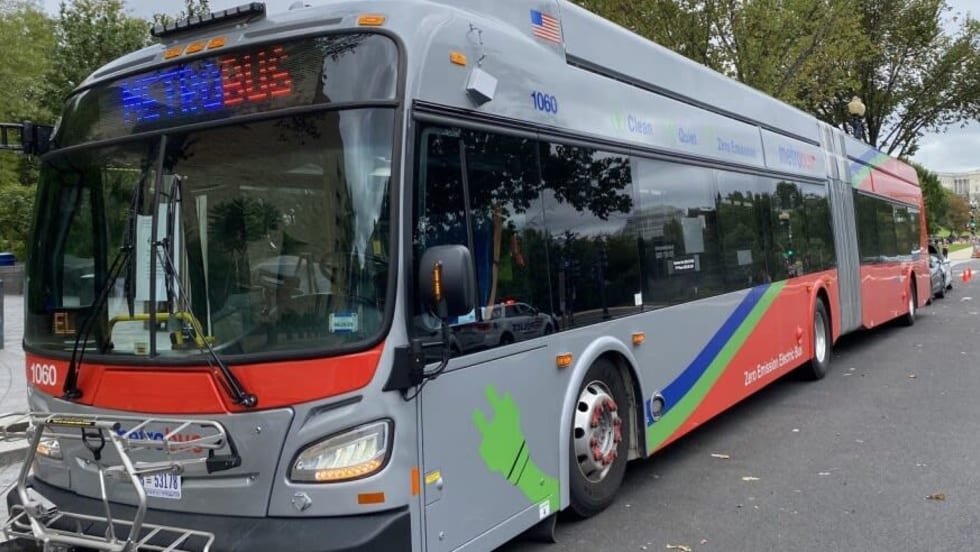
WMATA Debuts 'Fares Pay for Service' Awareness Campaign
The campaign was highlighted during a media event at the Paul S. Sarbanes Transit Center in Silver Spring, where WMATA’s GM/CEO Randy Clarke joined Metro Transit Police officers, WMATA management team, board members, and staff to expand fare enforcement and customer education efforts on Metro Bus routes throughout the region.
Read More →