



WVU opens transportation hub
The 7,000-square-foot Mountaineer Station features a 500-space parking garage for both permit and short-term use, a commuter student lounge with lockers, interior bicycle storage and showers, a waiting area for Mountain Line and campus bus passengers, direct access to the Health Sciences Center PRT Station, and information stations for Mountain Line and WVU transportation services.

Last week, West Virginia University (WVU) celebrated the grand opening of a $16 million transportation hub that includes a commuter student lounge with couches, wireless Internet access and lockers to store books.
The 7,000-square-foot Mountaineer Station features a 500-space parking garage for both permit and short-term use, a commuter student lounge with lockers, interior bicycle storage and showers, a waiting area for Mountain Line and campus bus passengers, direct access to the Health Sciences Center PRT Station, and information stations for Mountain Line and WVU transportation services.
"This was the perfect place to build and operate such a facility at West Virginia University because of the conveniently located PRT station and Mountain Line bus stop," said Hugh E. Kierig, director of WVU Transportation and Parking. "The fact that Mountaineer Station promotes a variety of transportation modes including biking and walking is an even greater benefit to the campus and community. The intermodal center goes hand-in-hand with the WE Go Campaign to promote alternative transportation, reduce traffic congestion, and active transport."
U.S. Rep. Alan Mollohan (D-W.Va.) and WVU President James Clements attended the grand opening as well as other campus and community leaders. There was also an open house from to allow the general public to tour the new building.
The construction on Mountaineer Station began in October of last year and the project cost about $16 million with $5.1 million coming from a U.S. Department of Transportation Federal Transit Administration grant. U.S. Rep. Alan Mollohan, D-W.Va. was instrumental in securing the federal funds for Mountaineer Station.
More Technology
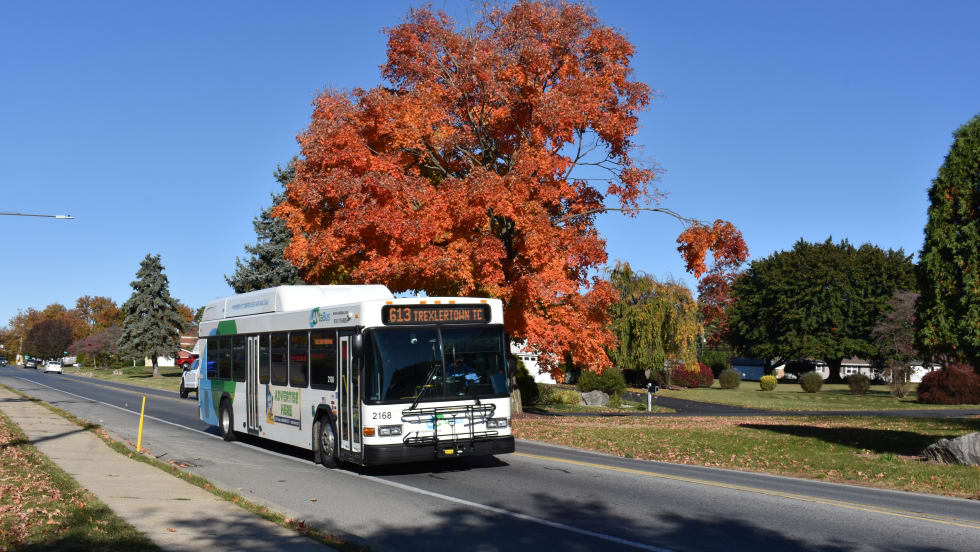
Biz Briefs: Masabi Partners with LANTA and More
In this edition, we spotlight the latest developments shaping the future of mobility.
Read More →
Joshua Schank on Transportation Innovation, Risk, and the Future of Mobility
In this edition of METROspectives, Joshua Schank discusses lessons from launching LA Metro’s Office of Extraordinary Innovation, the challenges of advancing new mobility technologies, and much more.
Read More →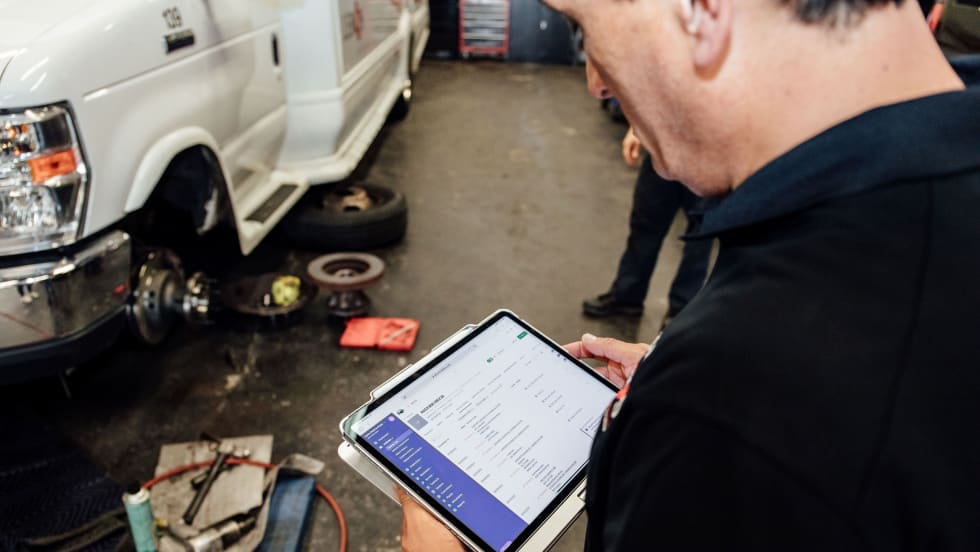
Reinventing Fleet Maintenance with Real-time Visibility and AI
Transit leaders need to know what needs fixing, where to look, who is responsible, when work is completed, and what it costs without having to chase information across disconnected systems.
Read More →
Alstom Acquires Delaware Site to Support Amtrak NextGen Acela Fleet
The company is investing more than $55 million to acquire and improve the property and will employ approximately 100 people at this site once it is operational.
Read More →
ABA's Ferguson Testifies in Support of BUS Act, National Standards for Bus Operators
The BUSES Act would create a nationwide framework preventing state and local governments from enforcing bus idling restrictions of less than 15 minutes, a threshold consistent with existing Environmental Protection Agency guidance.
Read More →
When Routine Fails: How Public Transit Must Adapt for the World Cup
The 2026 FIFA World Cup will test transit agencies’ ability to manage unpredictable travel patterns, making real-time data and operational flexibility critical to moving millions of visitors efficiently.
Read More →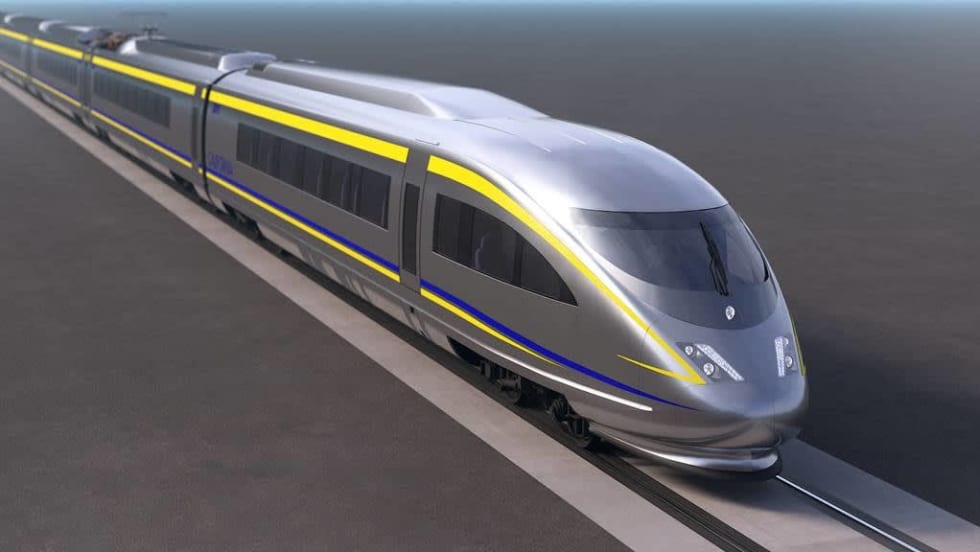
California Selects Team for Nation’s First True High-Speed Rail Track and Systems Contract
The board action follows completion of track installation at the 150-acre southern railhead in Kern County, which will serve as the staging and distribution hub for high-speed track and systems installation.
Read More →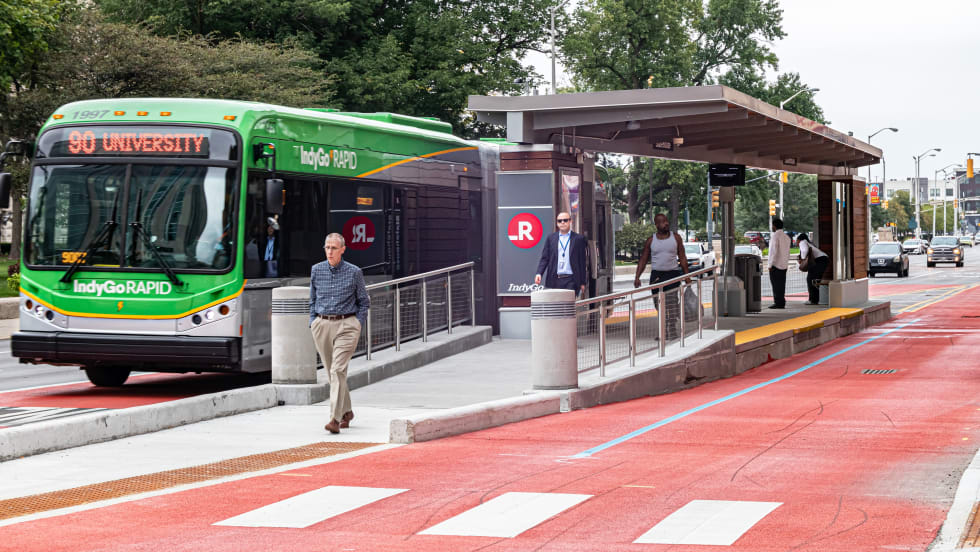
IndyGo, Cleveland RTA Expand Digital Fare Payment Options with Masabi
The new systems combine mobile apps, smart cards, and automatic fare capping to simplify payments, expand flexibility, and help riders access the lowest available fares.
Read More →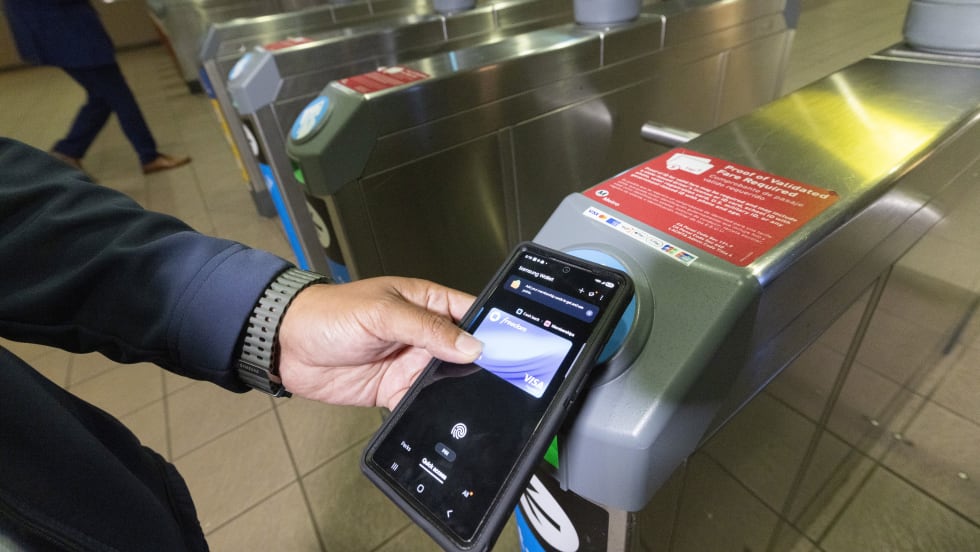
LA Metro Launches New Mobile App, Contactless Payment Options
Available on Metro and at 26 TAP-participating transit agencies, the system reduces waiting times, speeds boarding, and improves convenience systemwide, said the agency.
Read More →
Joshua Schank on Transportation Innovation, Risk, and the Future of Mobility
In this edition of METROspectives, the co-author of New Tricks for Old Bureaucracies, discusses lessons from launching LA Metro’s Office of Extraordinary Innovation, the challenges of advancing new mobility technologies, and much more.
Read More →