



Community Transit set to launch BRT service
Staff will be at each Swift station throughout the first few days of service to answer questions. Getting riders used to paying fares at the station, not onboard the bus, is expected to be the biggest challenge.

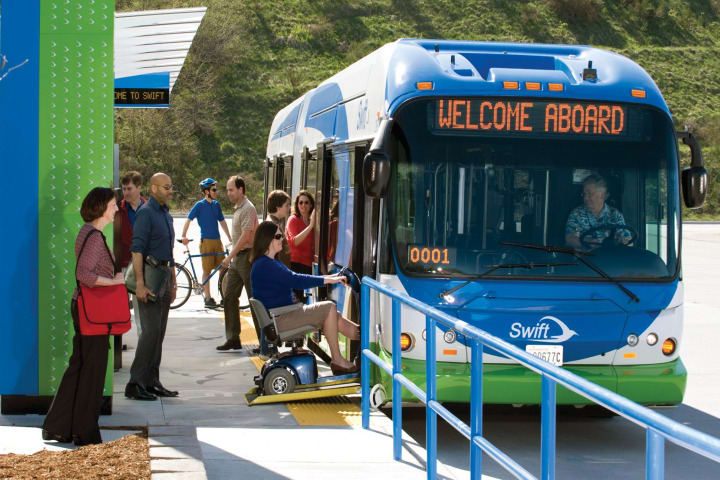
[IMAGE]Swift-station-people-full.jpg[/IMAGE]On Sunday, Nov. 29, Snohomish County, Wash.-based Community Transit will host a public celebration to launch Swift into service. The party will be held from 2 p.m. to 4 p.m. at the Crossroads Swift Station at Highway 99 and 196th Street in Lynnwood. The first Swift buses will begin service after the event, with free rides until midnight.
Swift will begin its regular weekday service at 5 a.m. Monday, Nov. 30.
“Transit service will be a little more exciting and a lot quicker with Swift,” said Community Transit CEO Joyce Eleanor. “From the distinctive hybrid Swift buses to the easily identifiable stations to the idea of off board fare collection, Swift brings a new experience to the state.”
About 100 transit fans will take the official inaugural rides on Swift buses from the Aurora Village Transit Center to the Swift launch celebration on Sunday.
The family event will include carnival games, face painting, balloon animals, a photo booth, live music and Community Transit’s super hero, Oxy Gene. Two Swift buses will be on hand for people to tour.
Swift will operate on a 17-mile corridor in Snohomish County between Everett Station and the Aurora Village Transit Center in Shoreline, primarily along Highway 99. Buses will run every 10 minutes weekdays and every 20 minutes at night and on weekends. Swift service runs until midnight seven nights a week.
Swift will stop at just 12 stations in each direction and riders will pay their fare at the stations, using ticket vending machines or ORCA smart cards. Onboard bike racks, transit signal priority to extend a green light and transit access lanes in south Snohomish County are additional features to keep Swift buses moving.
Community Transit staff will be at each Swift station throughout the first few days of service to answer questions. Getting riders used to paying fares at the station, not onboard the bus, is expected to be the biggest challenge.
“Riders must remember to pay their fare as soon as they get to the Swift station because the bus will not be stopped for long,” said Eleanor. “This is very different from the current way people ride buses, but it is essential to keep this service swift. If people use an ORCA card, it will be even easier.”
Earlier this year Community Transit adopted a fare enforcement policy that allows for citations up to $124 for people caught riding buses without paying their fare. On Swift, riders will randomly be asked to show their proof of fare payment.
More Bus

Brian Dickson on Building Stronger, More Resilient Transportation Organizations
Bus Business Consultants Founder Brian Dickson discusses the leadership principles, operational discipline, and strategic planning that separate transportation companies positioned for long-term success from those stuck in survival mode.
Read More →
LA Metro Breaks Ground on Vermont BRT Project
The 12.4-mile corridor is projected to serve 66,200 daily riders, reduce travel times by up to 24%, and create the nation's busiest bus rapid transit corridor.
Read More →
Roman Cornell on ABC Companies’ Evolution and the Future of Passenger Transportation
The company’s CEO discusses carrying forward a third-generation family legacy, ABC’s continued evolution in passenger transportation, support for increasingly complex fleets, and how technology and continued investment could help operators improve uptime.
Read More →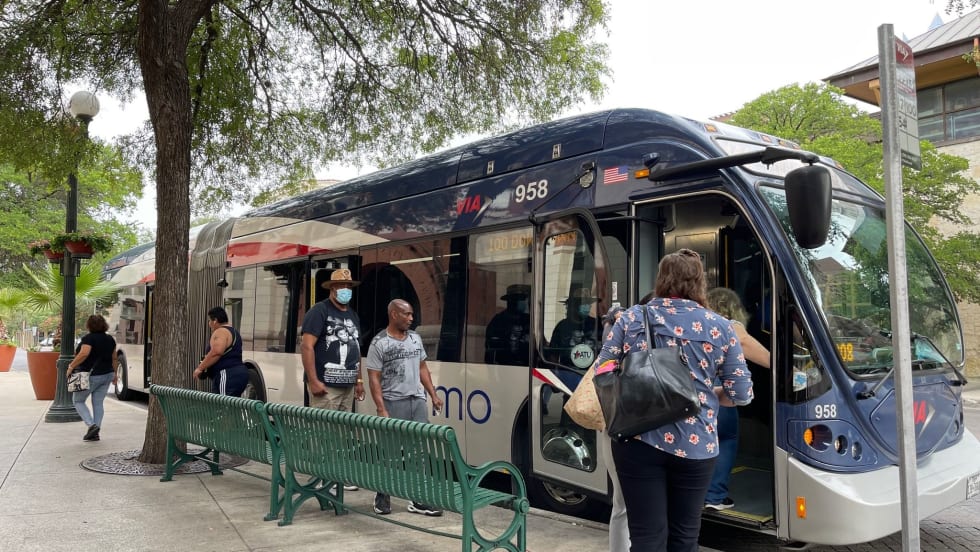
VIA Bus Ridership Grows 10.1% Through August 2026
San Antonio's VIA Metropolitan Transit reported the highest bus ridership growth among major Texas transit systems. Federal Transit Administration data ranked it second among the nation's 50 largest transit systems.
Read More →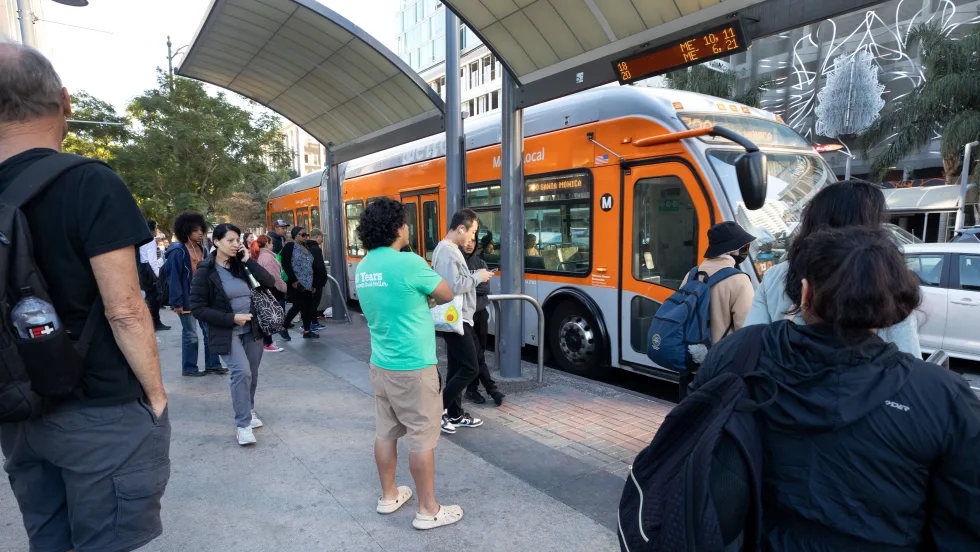
LA Metro September Ridership Climbs 3.9%, Led by Rail Growth
The agency recorded more than 27.2 million boardings, with rail ridership increasing 12.4% year over year and the D Line posting the largest gains.
Read More →
Frontrunner Bus Group Introduces XF Low-Floor Bus with Enhanced Accessibility
The new mid-sized bus features a full flat-floor design, eight-inch curbside step-in height, and zero-entry rear ramp to improve passenger access and operational flexibility.
Read More →
Scenes from APTA TRANSform & EXPO 2026
Transit leaders, manufacturers, and industry professionals gathered in Chicago to explore new technologies, share ideas, and discuss the future of public transportation.
Read More →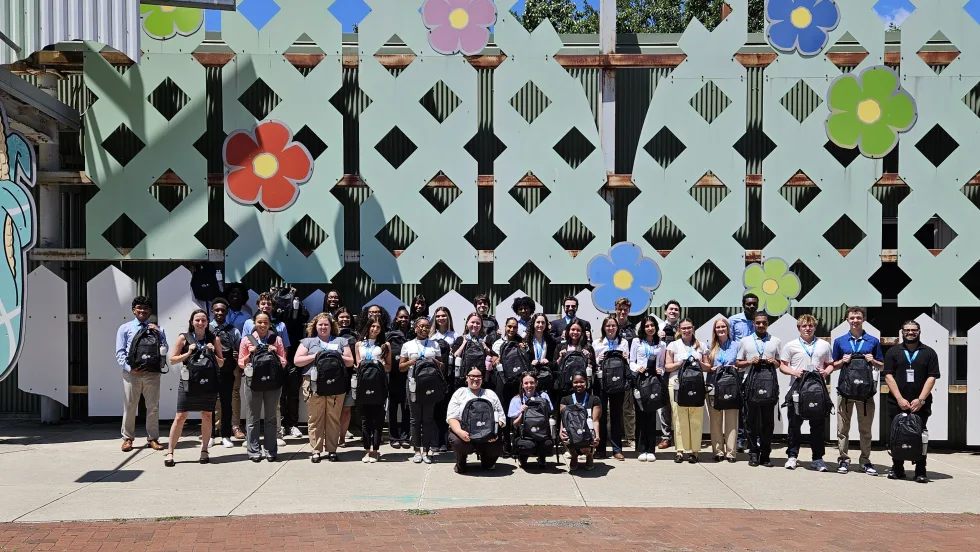
More Than a Summer Job: Building the Next Generation of Transit Talent
The Delaware River Port Authority and PATCO have transformed their internship program into a hands-on professional development experience that introduces students to the breadth of transportation careers — and creates a pipeline for future employees.
Read More →
LA Metro Board Awards 220 Battery-Electric Bus Contract to ENC
The contract, which is the largest base award of battery-electric buses by a U.S. transit agency, will be built in Southern California, sustaining good jobs as LA prepares to welcome the world in 2028
Read More →
Public Transit Conference Returning to GFX in 2027, Call for Papers Now Open
The Call for Papers is now open, allowing transit agency professionals and industry experts to help shape the PTC educational program by submitting session ideas for consideration.
Read More →