



NTSB issues safety recommendations
Address tire pressure monitoring systems, occupant protection systems, overhead luggage racks and applicant screening.

The National Transportation Safety Board (NTSB) is making the following recommendations to the National Highway Traffic Safety Administration (NHTSA):
Require all new motor vehicles weighing more than 10,000 pounds to be equipped with direct tire pressure monitoring systems to inform drivers of the actual tire pressures on their vehicles. (H-09-22)
Develop performance standards for newly manufactured motorcoaches to require that overhead luggage racks remain anchored during an accident sequence. (H-09-23)
Develop performance standards for newly manufactured motorcoaches that prevent head and neck injuries from overhead luggage racks. (H-09-24)
In two years, develop performance standards for motorcoach occupant protection systems that account for frontal impact collisions, side impact collisions, rear impact collisions and rollovers. (H-99-47)
Once pertinent standards have been developed for motorcoach occupant protection systems, require newly manufactured motorcoaches to have an occupant crash protection system that meets the newly developed performance standards and retains passengers, including those in child safety restraint systems, within the seating compartment throughout the accident sequence for all accident scenarios. (H-99-48)
In two years, develop performance standards for motorcoach roof strength that provide maximum survival space for all seating positions and take into account current typical motorcoach window dimensions. (H-99-50)
Once performance standards have been developed for motorcoach roof strength, require newly manufactured motorcoaches to meet those standards. (H-99-51)
The NTSB is also making the following recommendations to the Federal Motor Carrier Safety Administration (FMCSA):
Establish a regulatory requirement within 49 Code of Federal Regulations 382.405 that provides the NTSB, in the exercise of its statutory authority, access to all positive drug and alcohol test results and refusal determinations that are conducted under the U.S. Department of Transportation testing requirements. (H-09-18)
Require that tire pressure be checked with a tire pressure gauge during pretrip inspections, vehicle inspections and roadside inspections of motor vehicles. (H-09-19)
Require those states that allow private garages to conduct FMCSA inspections of commercial motor vehicles to have a quality assurance and oversight program that evaluates the effectiveness and thoroughness of those inspections. (H-09-20)
Develop an evaluation component to determine the effectiveness of your new applicant screening program. (H-09-21)
Develop a system that records all positive drug and alcohol test results and refusal determinations that are conducted under the U.S. Department of Transportation testing requirements, require prospective employers to query the system before making a hiring decision and require certifying authorities to query the system before making a certification decision. (H-01-25)
More Bus
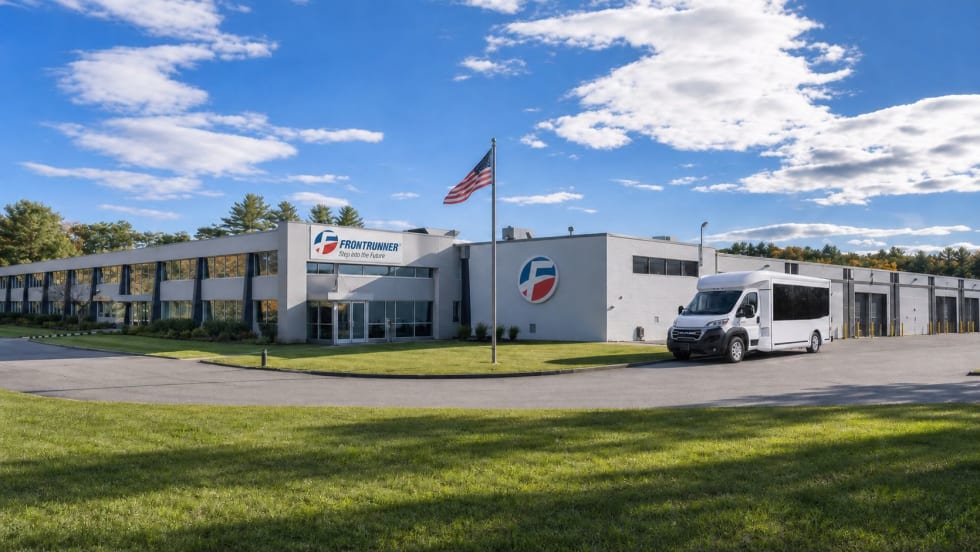
Frontrunner Bus Group Expands with New Massachusetts Headquarters
The significantly larger facility will provide the infrastructure needed to support the company’s growing workforce, advanced technologies, and expanding product line.
Read More →
Joshua Schank on Transportation Innovation, Risk, and the Future of Mobility
In this edition of METROspectives, Joshua Schank discusses lessons from launching LA Metro’s Office of Extraordinary Innovation, the challenges of advancing new mobility technologies, and much more.
Read More →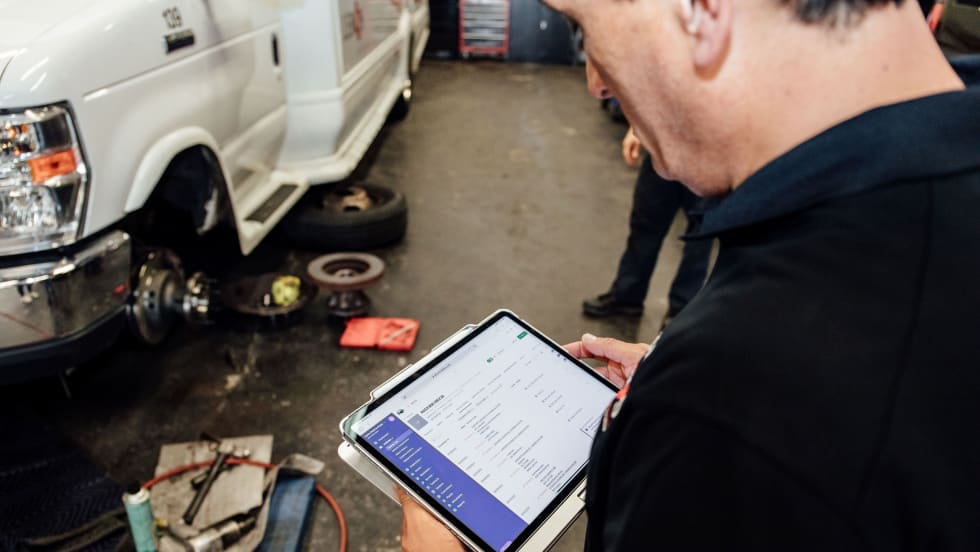
Reinventing Fleet Maintenance with Real-time Visibility and AI
Transit leaders need to know what needs fixing, where to look, who is responsible, when work is completed, and what it costs without having to chase information across disconnected systems.
Read More →
SamTrans Sets Priorities for Potential Connect Bay Area Revenue
The board-approved framework allocates future funding to maintaining service, rider improvements, equity initiatives, and infrastructure repairs.
Read More →
When Routine Fails: How Public Transit Must Adapt for the World Cup
The 2026 FIFA World Cup will test transit agencies’ ability to manage unpredictable travel patterns, making real-time data and operational flexibility critical to moving millions of visitors efficiently.
Read More →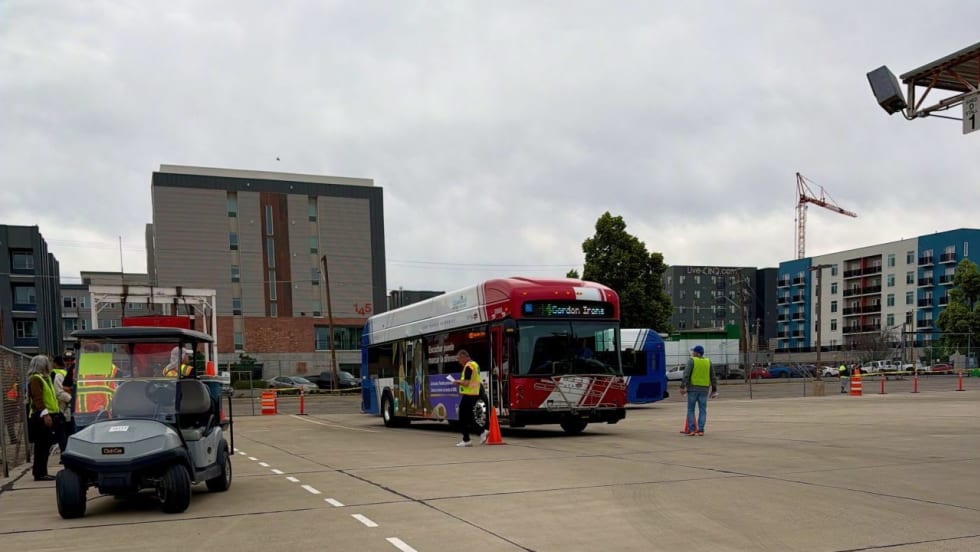
Photo Highlights from APTA's 2026 Mobility Conference
The photo gallery captures scenes from the conference, including the International Bus Roadeo, exhibit hall activities, the Bus Showcase, and much more.
Read More →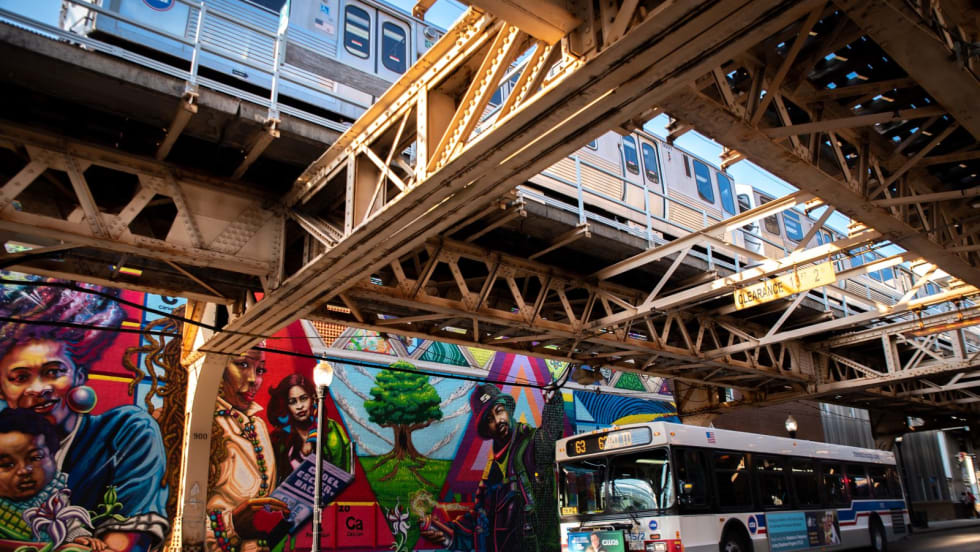
Chicago's NITA Act Moves Into Next Phase as Service Improvements Begin
Rider-focused improvements will begin rolling out across the system immediately as CTA, Metra, and Pace increase service this summer in the six-county region.
Read More →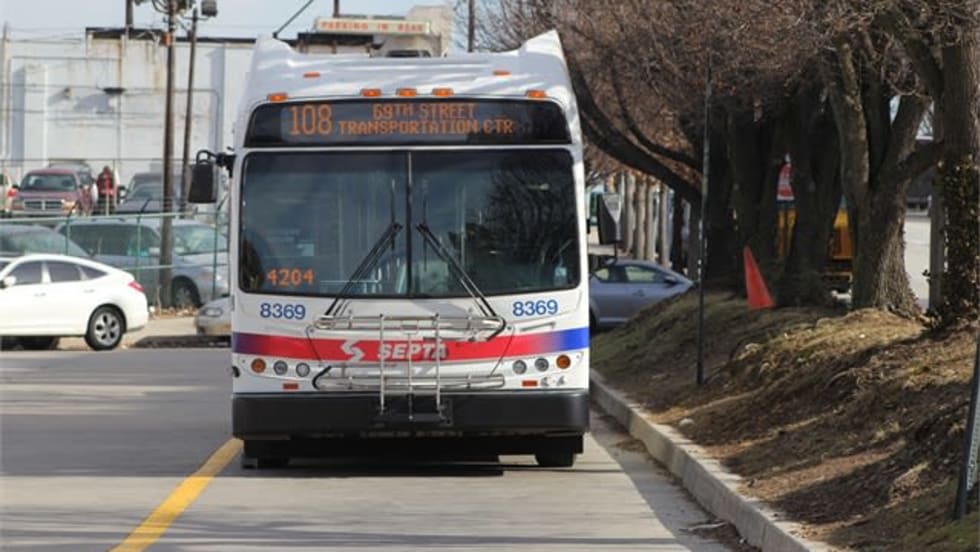
Philadelphia's SEPTA Approves Annual Transit Service Plan
Between 2021 and 2024, SEPTA held more than 200 public meetings — including 144 in-person sessions — throughout the SEPTA service region.
Read More →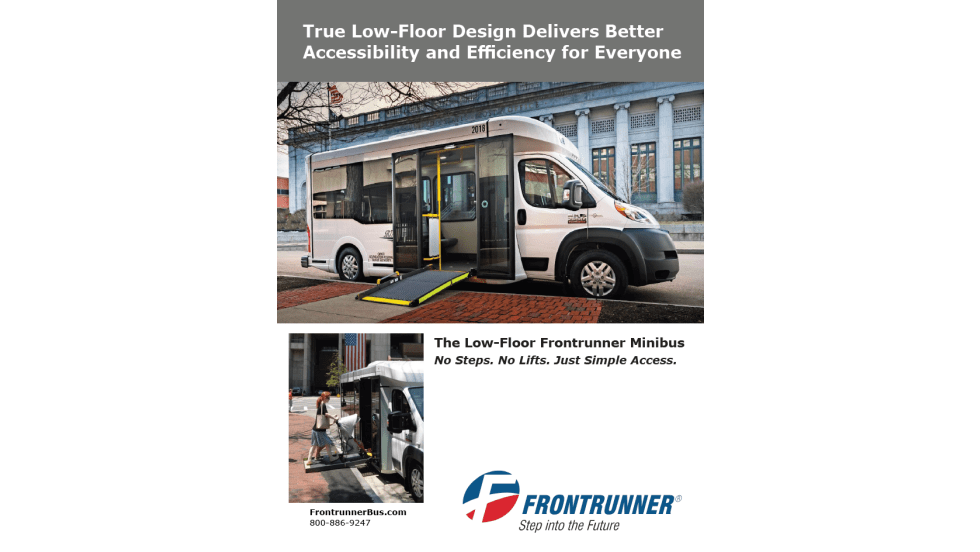
A True Low-Floor Minibus Design Delivers Better Accessibility and Efficiency for Everyone
As transit demands evolve, so should your fleet. Download the whitepaper to see how the Low-Floor Frontrunner Minibus compares to traditional options.
Read More →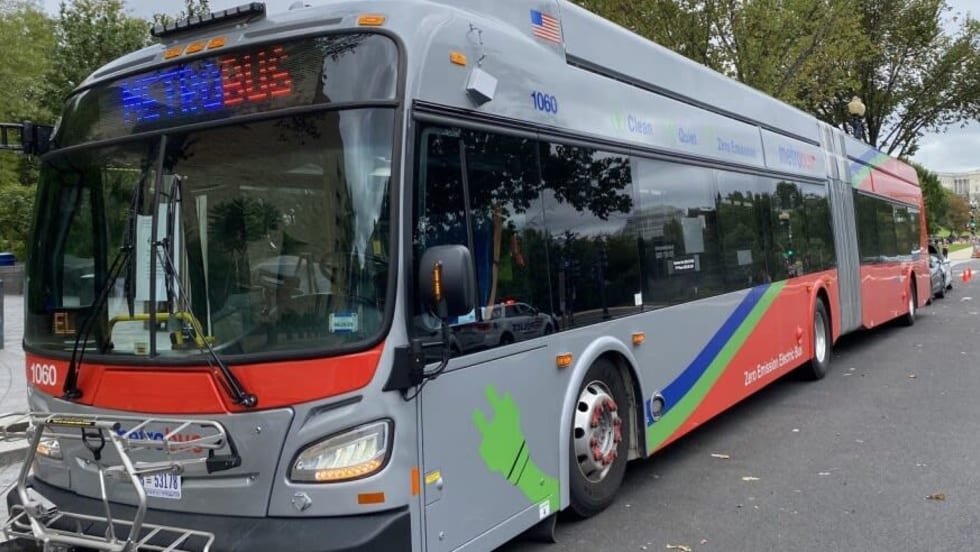
WMATA Debuts 'Fares Pay for Service' Awareness Campaign
The campaign was highlighted during a media event at the Paul S. Sarbanes Transit Center in Silver Spring, where WMATA’s GM/CEO Randy Clarke joined Metro Transit Police officers, WMATA management team, board members, and staff to expand fare enforcement and customer education efforts on Metro Bus routes throughout the region.
Read More →