



Report: Smart growth could save Calif. $31B, cut GHGs
Of four regions studied, the Bay Area is saving the most on transportation costs due to its smart growth communities, with Los Angeles coming in a close second.

A study performed by TransForm, a California-based coalition of unions and nonprofits that works to create world-class public transportation and walkable communities in the Bay Area and beyond, finds that residents of the Bay Area, Los Angeles, Sacramento and San Diego who have access to the best public transportation options are not only emitting far fewer greenhouse gas emissions on average, but also spending billions less on transportation than residents who live in communities where public transportation is scarce.
The report, "Windfall For All: How Connected, Convenient Neighborhoods Can Protect Our Climate And Safeguard California's Economy," also concluded that if all of the residents in the four regions studied lived in transportation-friendly communities, Californians would save $31 billion dollars per year on transportation costs and emit an average of 34 percent less greenhouse gases.
"This report provides hard evidence that SB375, California's groundbreaking law to promote more convenient walkable neighborhoods with more transportation choices has the power to act as an economic driver," said Stuart Cohen, executive director of TransForm. "By reducing public and private transportation costs and increasing revenues to local governments, SB375 can help put dollars back in the pockets of consumers and local governments."
Overall, the findings indicate that of the four regions studied, the Bay Area is saving the most on transportation costs due to its smart growth communities, with Los Angeles coming in a close second.
TransForm's report also includes case studies of diverse communities including those in San Jose, Windsor and Marin County that are putting smart growth policies into practice, with notable results.
In order to fully realize the environmental and economic benefits of SB 375 identified in "Windfall for All," TransForm concludes that there needs to be a shift in policies and investments to support smart growth development and public transportation.
SB375 requires the California Air Resources Board (CARB) to propose draft emission reduction targets related to planning and transportation for California's 18 metropolitan regions by June 10, 2010. CARB must adopt final targets by September 30, 2010. Transform is releasing the results of its report November 19, 2009 at the CARB meeting in Sacramento.
More Bus
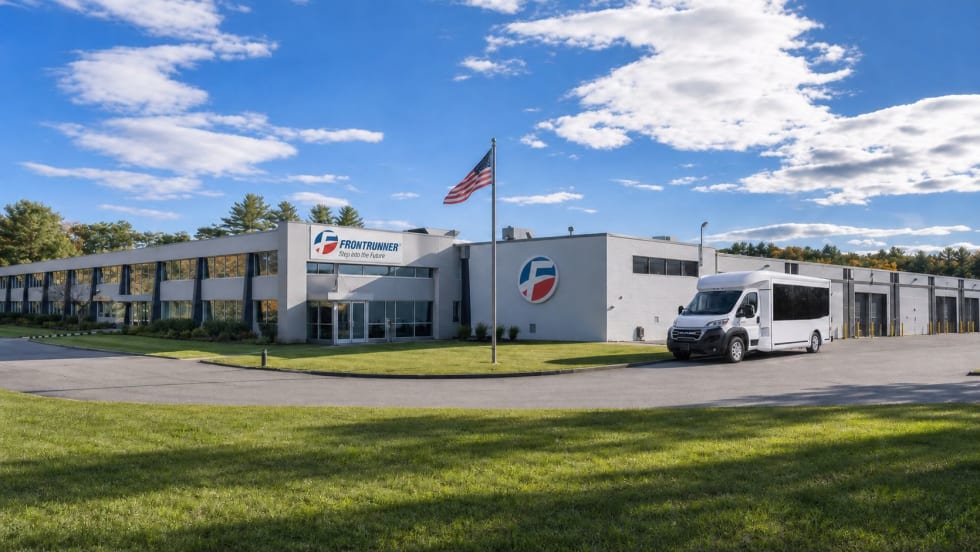
Frontrunner Bus Group Expands with New Massachusetts Headquarters
The significantly larger facility will provide the infrastructure needed to support the company’s growing workforce, advanced technologies, and expanding product line.
Read More →
Joshua Schank on Transportation Innovation, Risk, and the Future of Mobility
In this edition of METROspectives, Joshua Schank discusses lessons from launching LA Metro’s Office of Extraordinary Innovation, the challenges of advancing new mobility technologies, and much more.
Read More →
Reinventing Fleet Maintenance with Real-time Visibility and AI
Transit leaders need to know what needs fixing, where to look, who is responsible, when work is completed, and what it costs without having to chase information across disconnected systems.
Read More →
SamTrans Sets Priorities for Potential Connect Bay Area Revenue
The board-approved framework allocates future funding to maintaining service, rider improvements, equity initiatives, and infrastructure repairs.
Read More →
When Routine Fails: How Public Transit Must Adapt for the World Cup
The 2026 FIFA World Cup will test transit agencies’ ability to manage unpredictable travel patterns, making real-time data and operational flexibility critical to moving millions of visitors efficiently.
Read More →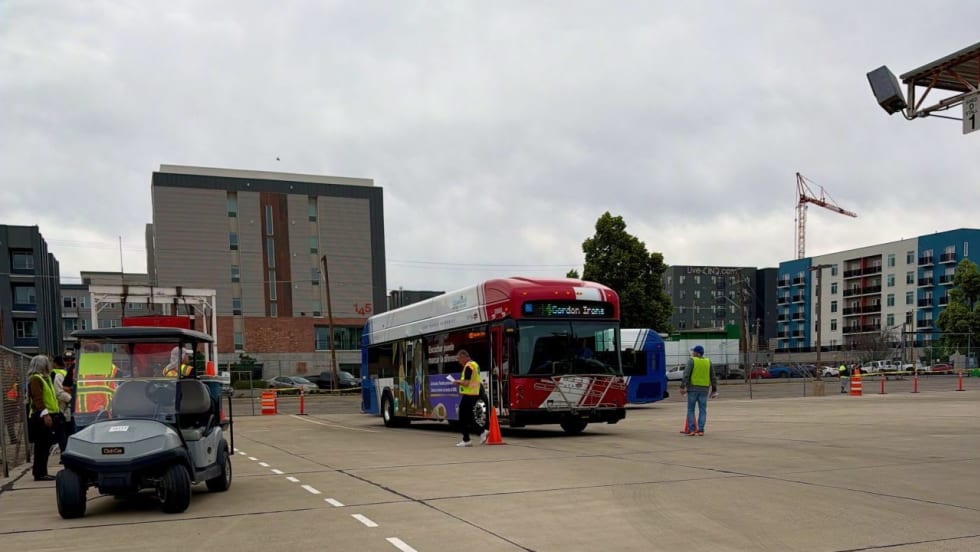
Photo Highlights from APTA's 2026 Mobility Conference
The photo gallery captures scenes from the conference, including the International Bus Roadeo, exhibit hall activities, the Bus Showcase, and much more.
Read More →
Chicago's NITA Act Moves Into Next Phase as Service Improvements Begin
Rider-focused improvements will begin rolling out across the system immediately as CTA, Metra, and Pace increase service this summer in the six-county region.
Read More →
Philadelphia's SEPTA Approves Annual Transit Service Plan
Between 2021 and 2024, SEPTA held more than 200 public meetings — including 144 in-person sessions — throughout the SEPTA service region.
Read More →
A True Low-Floor Minibus Design Delivers Better Accessibility and Efficiency for Everyone
As transit demands evolve, so should your fleet. Download the whitepaper to see how the Low-Floor Frontrunner Minibus compares to traditional options.
Read More →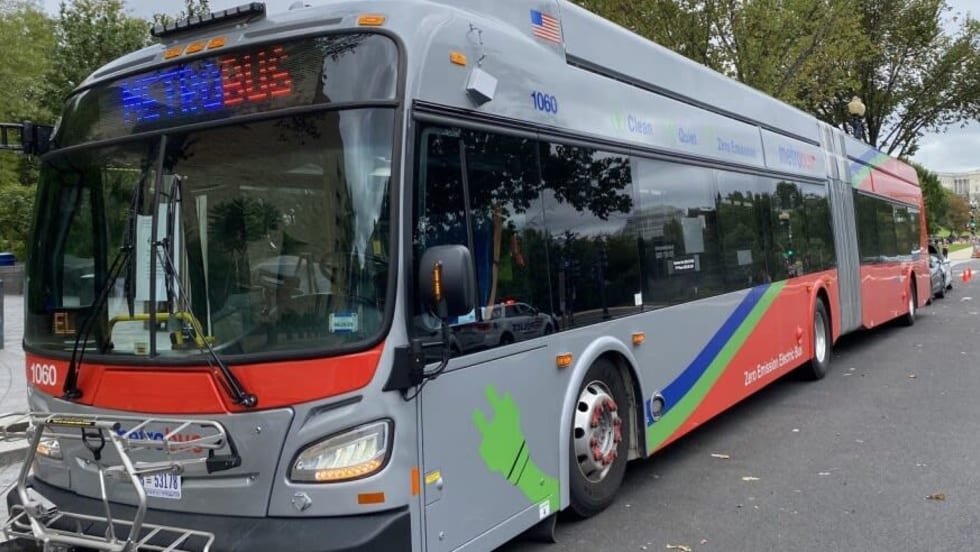
WMATA Debuts 'Fares Pay for Service' Awareness Campaign
The campaign was highlighted during a media event at the Paul S. Sarbanes Transit Center in Silver Spring, where WMATA’s GM/CEO Randy Clarke joined Metro Transit Police officers, WMATA management team, board members, and staff to expand fare enforcement and customer education efforts on Metro Bus routes throughout the region.
Read More →