



U. of Delaware adds hydrogen bus to fleet
Built by California-based Ebus, the vehicle features fuel cells from Ballard Power Systems. Newark, Del.-based Air Liquide is providing a climate-controlled facility to store the vehicle.

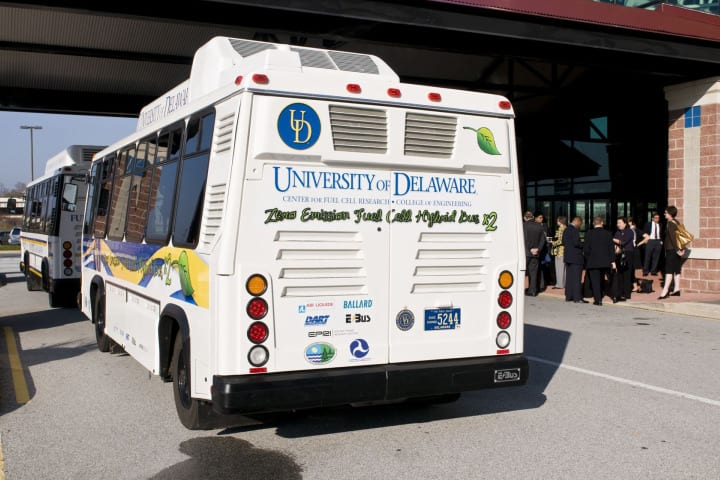
[IMAGE]U-of-Delaware-hydrogen-bus-full.jpg[/IMAGE]The University of Delaware's (UD) newest bus, a 22-foot, 22-seat vehicle that runs on hydrogen, tooled around downtown Wilmington on Monday, Nov. 16, carrying some very important riders — U.S. Sen. Thomas R. Carper (D-Del.), U.S. Rep. Michael N. Castle (R-Del.) and Wilmington Mayor James Baker.
The ride was part of a briefing session to update Delaware's congressional delegation about the progress of UD's fuel cell research, research for which they secured $1.7 million in funding in 2007.
The bus, built by California-based Ebus, features fuel cells from Ballard Power Systems. Newark, Del.-based Air Liquide is providing a climate-controlled facility to store the vehicle.
The paint job on the bus illustrates its place in the progression of fuel cell research at UD. It reads “Zero Emission Fuel Cell Hybrid Bus x2,” as the bus is the second in the hydrogen fleet; the first rolled out in 2007 and currently runs as a shuttle on UD's Newark campus.
Additionally, the “x2” relates to the fuel cell capacity of the bus. Where the first bus contained just one fuel cell stack, this bus houses two, making it more powerful and capable of reaching higher speeds.
The bus, like its predecessor, does not require diesel like traditional buses; instead its fuel cells combine hydrogen and oxygen to directly produce electricity to run the bus. The reaction produces no greenhouse gas emissions and its exhaust consists only of water and water vapor.
“There are only about a dozen fuel cell buses in service across our entire country and two of these buses are on UD's campus. I think we can be rightfully proud of that achievement,” said Ajay Prasad, professor of mechanical engineering, director of the UD Center for Fuel Cell Research and host of the event.
“These two fuel cell buses are a tremendous step forward,” said Castle. “The University has been a leader in this. We have pulled hard to try to help with the funding of it. We hope this expands exponentially from here on.”
Carper commented that the buses and the green economy they represent are where the country needs to be headed. “It will be reduce our dependence on foreign oil, cleaning up our environment, providing not only safe and affordable transportation but also a lot of jobs to drive them and a lot of jobs to build them, and that's a great combination,” he said.
Mark Barteau, senior vice provost for research and strategic initiatives at UD, noted this and other projects undertaken by researchers working within the University of Delaware Energy Institute aim to be solutions to the world's complex energy problems.
“When we launched the Energy Institute, one of the things we said we wanted to do was to take research out of the laboratory and into public demonstration, and I think that's a critical component of our fuel cell bus program,” Barteau said. “This is very much out there on the street where our students can use it and the public can see it.”
While the buses are visible all around campus, what might be hidden is all the work that goes into making them possible.
“We have about 20 people currently working on these projects,” said Michael Chajes, dean of the UD College of Engineering. “It's critical for our nation to both do the research but also educate the people who will carry this forward.”
Chajes remarked that in order to do that important work, UD needs more facilities, stating the planned Interdisciplinary Science and Engineering building will allow for more of this sort of innovation.
More Technology
Biz Briefs: Masabi Partners with LANTA and More
In this edition, we spotlight the latest developments shaping the future of mobility.
Read More →
Joshua Schank on Transportation Innovation, Risk, and the Future of Mobility
In this edition of METROspectives, Joshua Schank discusses lessons from launching LA Metro’s Office of Extraordinary Innovation, the challenges of advancing new mobility technologies, and much more.
Read More →
Reinventing Fleet Maintenance with Real-time Visibility and AI
Transit leaders need to know what needs fixing, where to look, who is responsible, when work is completed, and what it costs without having to chase information across disconnected systems.
Read More →
Alstom Acquires Delaware Site to Support Amtrak NextGen Acela Fleet
The company is investing more than $55 million to acquire and improve the property and will employ approximately 100 people at this site once it is operational.
Read More →
ABA's Ferguson Testifies in Support of BUS Act, National Standards for Bus Operators
The BUSES Act would create a nationwide framework preventing state and local governments from enforcing bus idling restrictions of less than 15 minutes, a threshold consistent with existing Environmental Protection Agency guidance.
Read More →
When Routine Fails: How Public Transit Must Adapt for the World Cup
The 2026 FIFA World Cup will test transit agencies’ ability to manage unpredictable travel patterns, making real-time data and operational flexibility critical to moving millions of visitors efficiently.
Read More →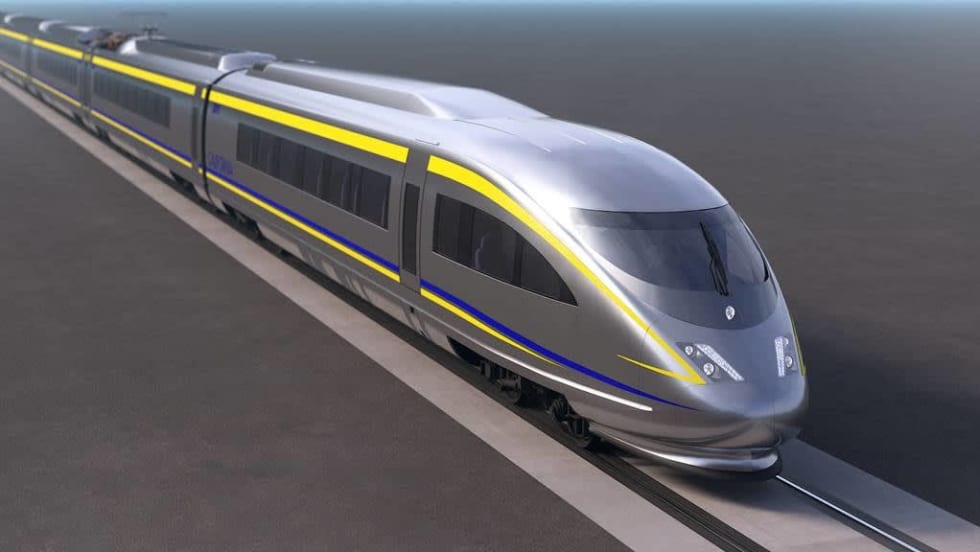
California Selects Team for Nation’s First True High-Speed Rail Track and Systems Contract
The board action follows completion of track installation at the 150-acre southern railhead in Kern County, which will serve as the staging and distribution hub for high-speed track and systems installation.
Read More →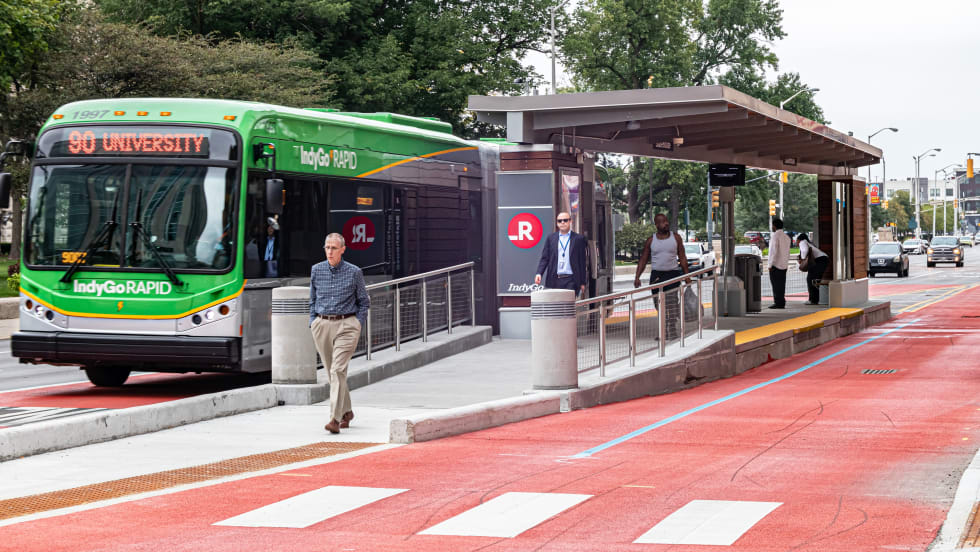
IndyGo, Cleveland RTA Expand Digital Fare Payment Options with Masabi
The new systems combine mobile apps, smart cards, and automatic fare capping to simplify payments, expand flexibility, and help riders access the lowest available fares.
Read More →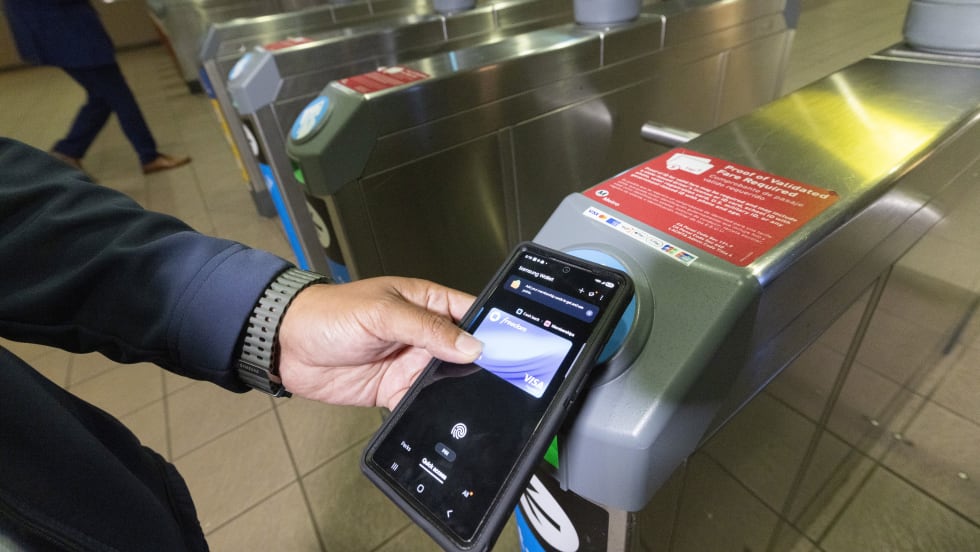
LA Metro Launches New Mobile App, Contactless Payment Options
Available on Metro and at 26 TAP-participating transit agencies, the system reduces waiting times, speeds boarding, and improves convenience systemwide, said the agency.
Read More →
Joshua Schank on Transportation Innovation, Risk, and the Future of Mobility
In this edition of METROspectives, the co-author of New Tricks for Old Bureaucracies, discusses lessons from launching LA Metro’s Office of Extraordinary Innovation, the challenges of advancing new mobility technologies, and much more.
Read More →