



Virginia Tech honored for sustainability practices
Transportation, one of the categories rated that contributes to the university’s overall grade, received an 'A' for the third year in a row.

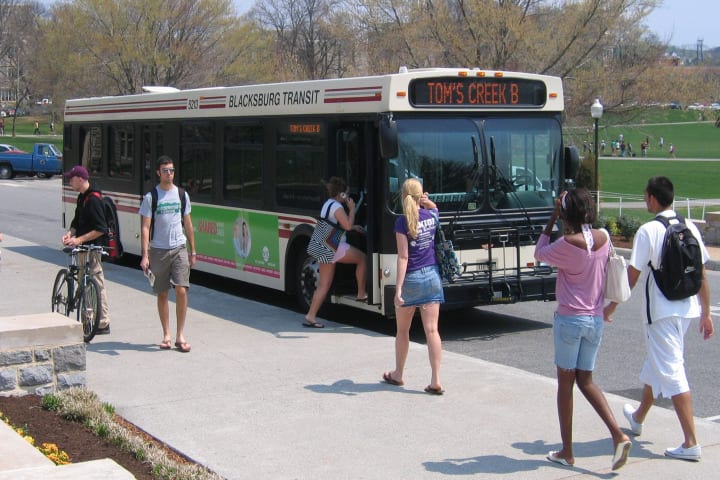
[IMAGE]Blacksburg-Transit-at-Virginia-Tech-full.jpg[/IMAGE]Virginia Tech was recognized as a sustainable campus leader through the College Sustainability Report Card for the 2010 year.
Transportation, one of the categories rated that contributes to the university’s overall grade, received an 'A' for the third year in a row.
The College Sustainability Report Card gives detailed information for hundreds of college campuses nationwide. The organization is able to rate individual programs and areas such as transportation, food and recycling, as well as student involvement, and more. These ratings determine the college or university’s overall sustainability grade.
The programs available at Virginia Tech through the Alternative Transportation unit on campus such as the carpool program; bike, bus and walk; fare-free boarding for Blacksburg Transit; discounted Smart Way Bus passes; and most recently U Car Share, raise the bar for sustainable transportation in Blacksburg. Due to these transportation options available to faculty, staff, and students, Virginia Tech has been named one of the Best Workplaces for Commuters for four years, which was also taken into consideration on the report card.
In addition, environmentally friendly practices at Fleet Services are noted as well. In recent years, Fleet Services has added hybrid vehicles to their rental fleet and biodiesel is now available for a variety of the state vehicles.
More Technology
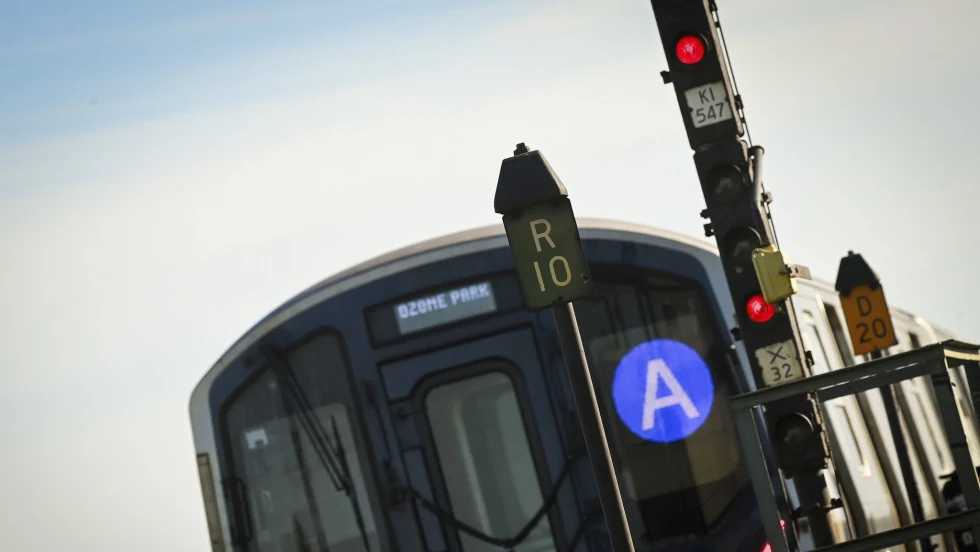
New York MTA Launches Historic $1.9B Signal, Track Modernization Project
Funded in part by congestion pricing revenue, the project will replace nearly century-old signals along the A and C lines in Brooklyn and Queens.
Read More →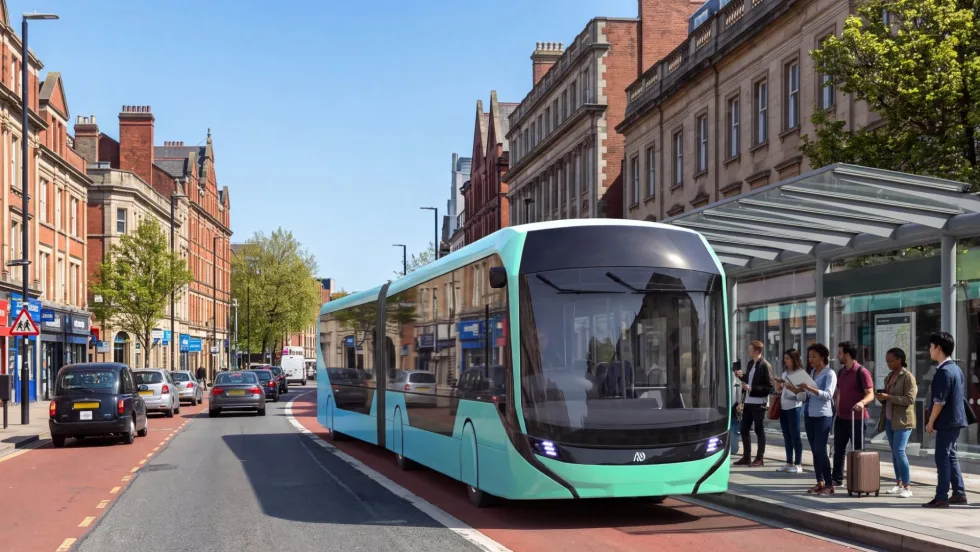
Biz Briefs: New Electric Offering from Alexander Dennis/Volvo, Transdev in Boston, and More
In METRO's latest installment, we also take a look at recent news from STV, WSP, Prevost, and more partnerships making headlines across the transportation sector.
Read More →
Roman Cornell on ABC Companies’ Evolution and the Future of Passenger Transportation
The company’s CEO discusses carrying forward a third-generation family legacy, ABC’s continued evolution in passenger transportation, support for increasingly complex fleets, and how technology and continued investment could help operators improve uptime.
Read More →
ETA CEO John Maglio on Transit Technology, Innovation, and Building Agency Trust
ETA founder and CEO John Maglio explores the evolution of transit technology, the importance of reliable systems, and how stronger partnerships can help agencies improve operations and the passenger experience.
Read More →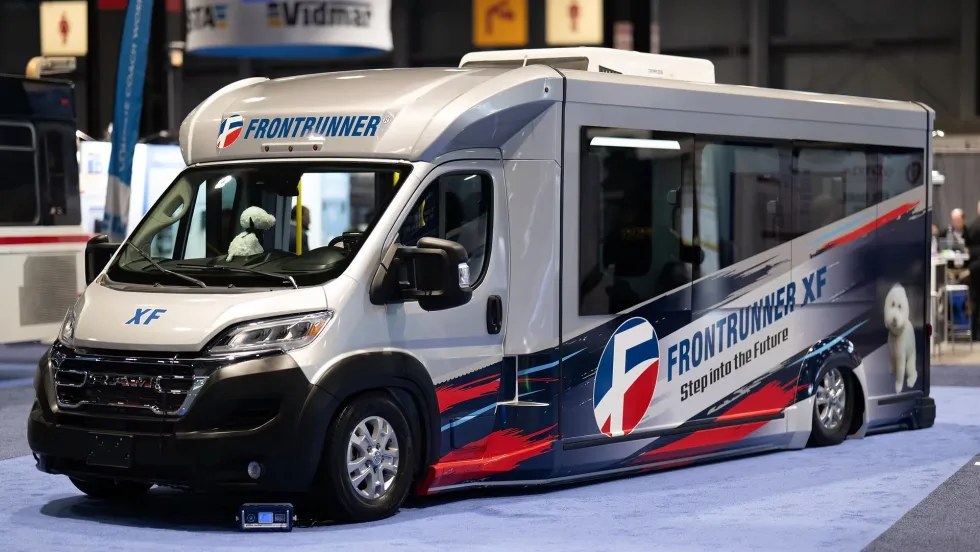
Frontrunner Bus Group Introduces XF Low-Floor Bus with Enhanced Accessibility
The new mid-sized bus features a full flat-floor design, eight-inch curbside step-in height, and zero-entry rear ramp to improve passenger access and operational flexibility.
Read More →
Building a Flexible Path to Transit Electrification with BAE's John Hroncich
John Hroncich discusses BAE Systems’ modular and scalable approach, lessons learned from decades of real-world operations, and how agencies can identify electrification strategies that fit their fleets.
Read More →
Scenes from APTA TRANSform & EXPO 2026
Transit leaders, manufacturers, and industry professionals gathered in Chicago to explore new technologies, share ideas, and discuss the future of public transportation.
Read More →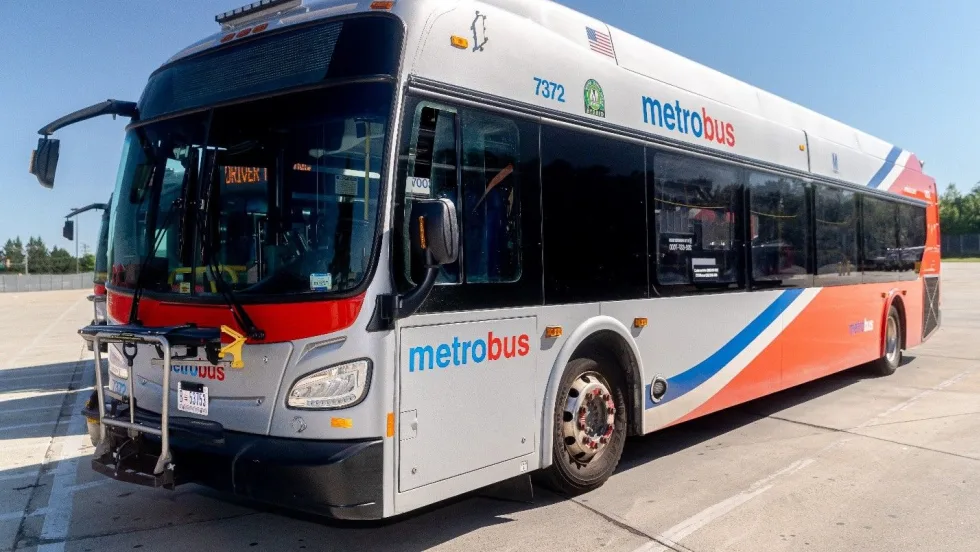
Biz Briefs: New Flyer Secures Additional 100-Bus Order from WMATA and More
In METRO's latest installment, we also take a look at recent news from Masabi, MCI, Samsara, and more partnerships making headlines across the transportation sector.
Read More →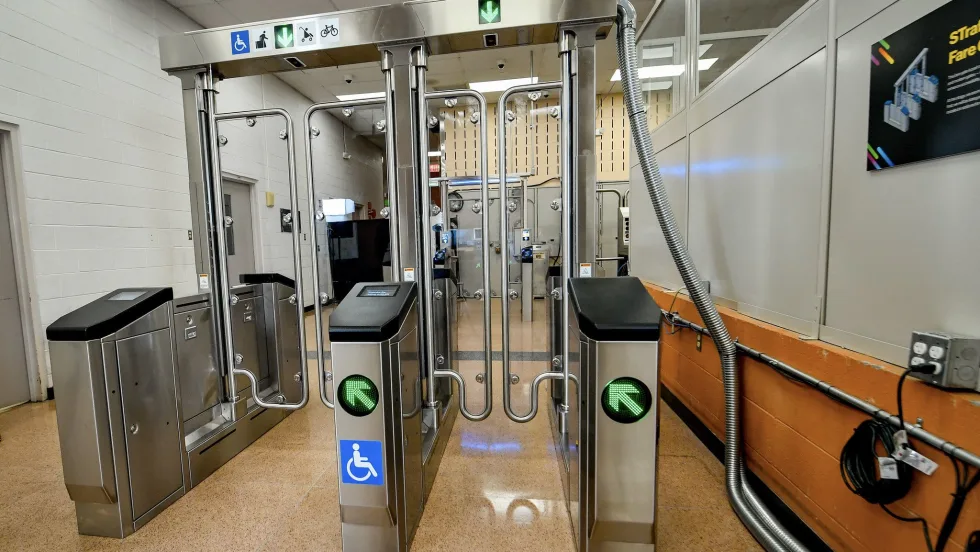
MTA Fare Gate Pilot Reduces Fare Evasion by 35%
Following a 20-station pilot, the agency plans to install new fare gates at 20 additional subway stations as part of a $1.1 billion modernization initiative.
Read More →
California Law Extends AC Transit’s Bus Lane Camera Enforcement
The new law allows AC Transit to continue using forward-facing bus cameras to enforce parking violations in bus-only lanes and at bus stops.
Read More →