



DHS releases guidance for $253M in transit security grants
Funds granted based on capabilities to reduce risk through training, operational deterrence, drills and public awareness activities; key critical infrastructure and asset protection; and other mitigation activities.

The U.S. Department of Homeland Security (DHS) released the application guidance for the Transit Security Grant Program (TSGP) totaling an estimated $253 million in funds for state, local and territorial governments and private sector entities to strengthen the nation’s transportation infrastructure and protect the traveling public from acts of terrorism and other major disasters.
“These transit grants play a major role in our efforts to work with our state, local, tribal, territorial and private sector partners to build a national culture of readiness and resilience,” said Secretary Janet Napolitano. “This year’s guidance focuses on maximizing efficiency and value while prioritizing risk in awarding grants to strengthen our nation’s transportation security.”
TSGP awards funds to owners and operators of transit systems — including intercity bus, commuter bus, ferries and all forms of passenger rail — based on their capabilities to reduce risk through training, operational deterrence, drills and public awareness activities; key critical infrastructure and asset protection; and other mitigation activities.
Eligible agencies were determined by the Urban Areas Security Initiative (UASI) urban areas list and the National Transit Database. TSGP Tier I is comprised of the transit agencies in the eight highest-risk urban areas, and will continue to utilize the cooperative agreement process, while Tier II will consist of all other eligible transit agencies.
Applications for the TSGP programs are due Feb. 18, 2010.
On Tuesday, Secretary Napolitano announced the release of fiscal year 2010 grant application guidance kits for 13 additional DHS grant programs totaling more than $2.7 billion. The guidance packages incorporate the input of DHS’ state, local, tribal, territorial and private sector partners and include specific steps undertaken by DHS to improve the ability of state and local partners to apply for and utilize grant funding.
The fiscal year 2010 guidance has increased tribal funding, reduced administrative paperwork for state and local government, and enabled local jurisdictions to use preparedness funding for ongoing maintenance contracts, warranties, repair or replacement costs, upgrades and user fees for equipment purchased with previous DHS grants.
DHS oversees more than 50 grant and financial assistance programs representing approximately $4 billion in non-disaster grant funding annually to help state, local, tribal, territorial, and private sector entities strengthen the nation’s ability to prevent, protect, respond to and recover from terrorist attacks, major disasters and other emergencies.
For more information about TSGP and other preparedness grant programs, visit www.dhs.gov and www.fema.gov/grants.
More Bus

Frontrunner Bus Group Expands with New Massachusetts Headquarters
The significantly larger facility will provide the infrastructure needed to support the company’s growing workforce, advanced technologies, and expanding product line.
Read More →
Joshua Schank on Transportation Innovation, Risk, and the Future of Mobility
In this edition of METROspectives, Joshua Schank discusses lessons from launching LA Metro’s Office of Extraordinary Innovation, the challenges of advancing new mobility technologies, and much more.
Read More →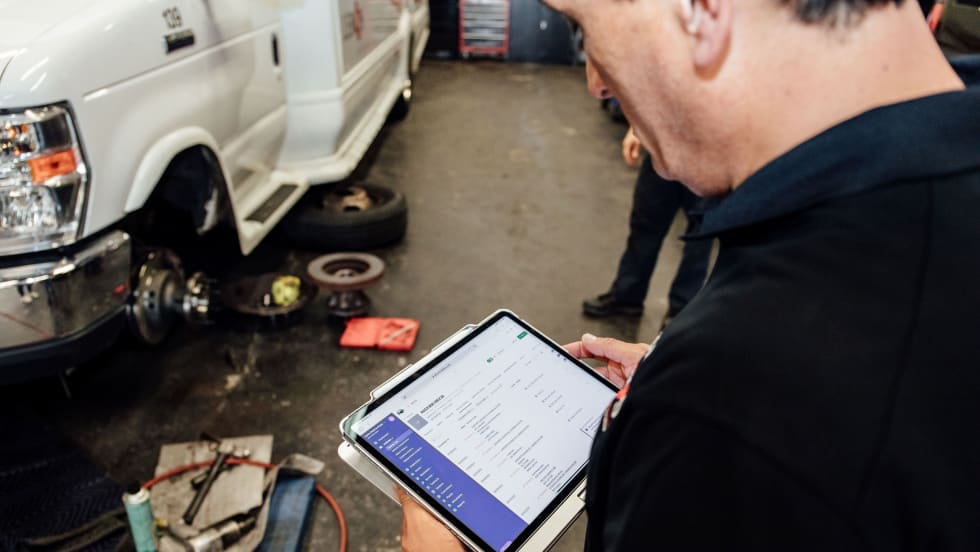
Reinventing Fleet Maintenance with Real-time Visibility and AI
Transit leaders need to know what needs fixing, where to look, who is responsible, when work is completed, and what it costs without having to chase information across disconnected systems.
Read More →
SamTrans Sets Priorities for Potential Connect Bay Area Revenue
The board-approved framework allocates future funding to maintaining service, rider improvements, equity initiatives, and infrastructure repairs.
Read More →
When Routine Fails: How Public Transit Must Adapt for the World Cup
The 2026 FIFA World Cup will test transit agencies’ ability to manage unpredictable travel patterns, making real-time data and operational flexibility critical to moving millions of visitors efficiently.
Read More →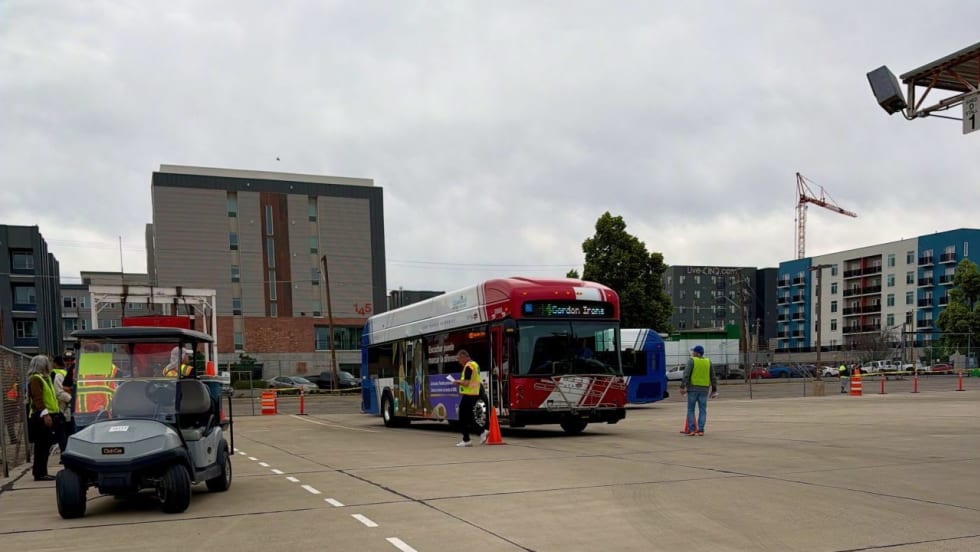
Photo Highlights from APTA's 2026 Mobility Conference
The photo gallery captures scenes from the conference, including the International Bus Roadeo, exhibit hall activities, the Bus Showcase, and much more.
Read More →
Chicago's NITA Act Moves Into Next Phase as Service Improvements Begin
Rider-focused improvements will begin rolling out across the system immediately as CTA, Metra, and Pace increase service this summer in the six-county region.
Read More →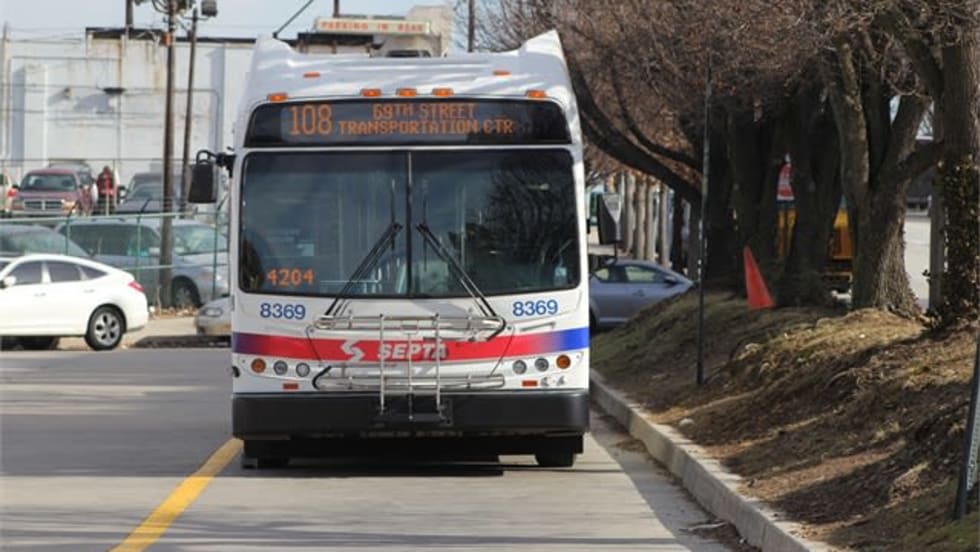
Philadelphia's SEPTA Approves Annual Transit Service Plan
Between 2021 and 2024, SEPTA held more than 200 public meetings — including 144 in-person sessions — throughout the SEPTA service region.
Read More →
A True Low-Floor Minibus Design Delivers Better Accessibility and Efficiency for Everyone
As transit demands evolve, so should your fleet. Download the whitepaper to see how the Low-Floor Frontrunner Minibus compares to traditional options.
Read More →
WMATA Debuts 'Fares Pay for Service' Awareness Campaign
The campaign was highlighted during a media event at the Paul S. Sarbanes Transit Center in Silver Spring, where WMATA’s GM/CEO Randy Clarke joined Metro Transit Police officers, WMATA management team, board members, and staff to expand fare enforcement and customer education efforts on Metro Bus routes throughout the region.
Read More →