



Michigan schools reach out to transit agency
Increases in enrollment, parking constraints and push to go greener cause Saginaw Valley State University and Delta College to begin working with Bay Metro Transit Authority on student outreach, express routes.

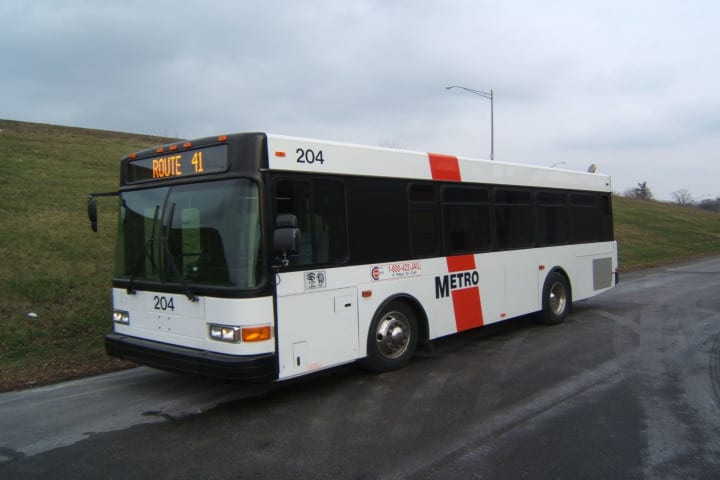
[IMAGE]Bay.jpg[/IMAGE]Parking concerns and a push to become more green have been contributing factors in the higher use of public transportation amongst students and faculty at two Michigan schools — Saginaw Valley State University and Delta College — according to officials at Bay City, Mich.-based Bay Metro Transit Authority.
"Three years ago, we started linking up with neighboring Midland County and their transit system at certain locations," says Eric Sprague, service development planner at Bay Metro. "Much of the staff for both schools come from that area and, when they realized we came into the county, they started commuting by bus much more often."
The economy is also a factor in SVSU's and Delta's decision to reach out to Bay Metro, since the impact of the downturn has caused an increase in enrollment, which is coupled with parking constraints at both schools.
"People are also trying to save gas and the schools are both really trying to find ways to become greener," Sprague says.
Sprague adds that since the growth in ridership, Bay Metro has been in contact much more with the schools in an attempt to find ways to better communicate necessary information to the students and staff, trying to work out schedules, and looking at the possibility of setting up park-and-ride lots, eventually leading to express routes in Bay City and Midland and Saginaw Counties.
"In the past, it was us asking where the best place to put our marketing materials and schedules. There wasn't a really big push," says Sprague about the agency's relationship with Delta College. "Now, we've met with staff from the school to talk about setting up a kiosk indoors near the bus shelter so students will know exactly where to look for information, grab route pamphlets, and have the necessary phone number or Website they can use to set up their trip itinerary."
Bay Metro is also in early talks with SVSU about working out a similar on-campus program. Once these programs are ironed out, Bay Metro hopes it can have the express routes up and ready to go by next fall, but Sprague explains that is dependent on the collaboration of the three entities being able to create an effective schedule and the agency's ability to implement and test the route by this summer.
"The shuttle has to be frequent enough to be useful. Something every hour is probably not very practical, so that's the difficulty — the logistics of it are a little bit hard to work in with our current schedules," says Sprague. "For the growth of the university and the college, as well as their interest in public transportation, I think it's something we're going to be working toward. Anything to show public transportation is worthwhile; we're going to shoot for."
More Bus
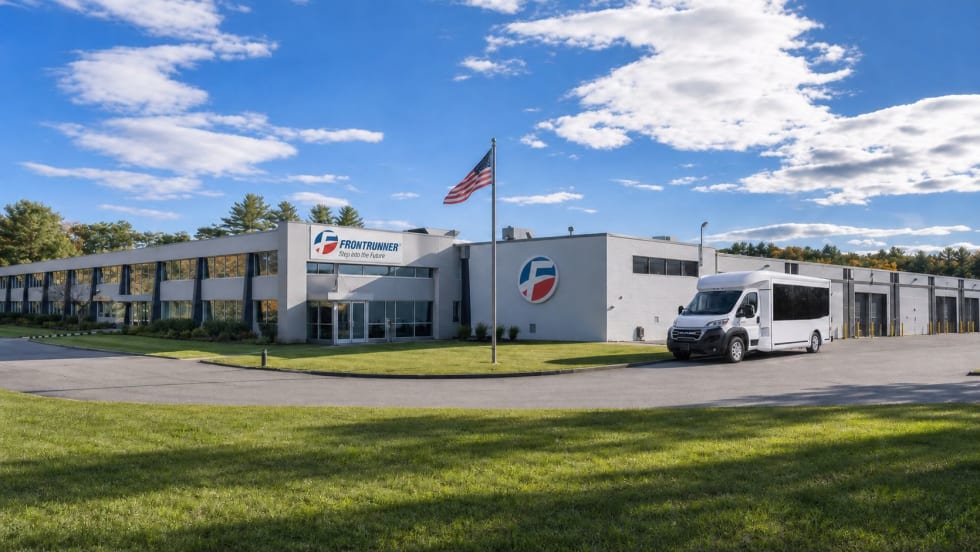
Frontrunner Bus Group Expands with New Massachusetts Headquarters
The significantly larger facility will provide the infrastructure needed to support the company’s growing workforce, advanced technologies, and expanding product line.
Read More →
Joshua Schank on Transportation Innovation, Risk, and the Future of Mobility
In this edition of METROspectives, Joshua Schank discusses lessons from launching LA Metro’s Office of Extraordinary Innovation, the challenges of advancing new mobility technologies, and much more.
Read More →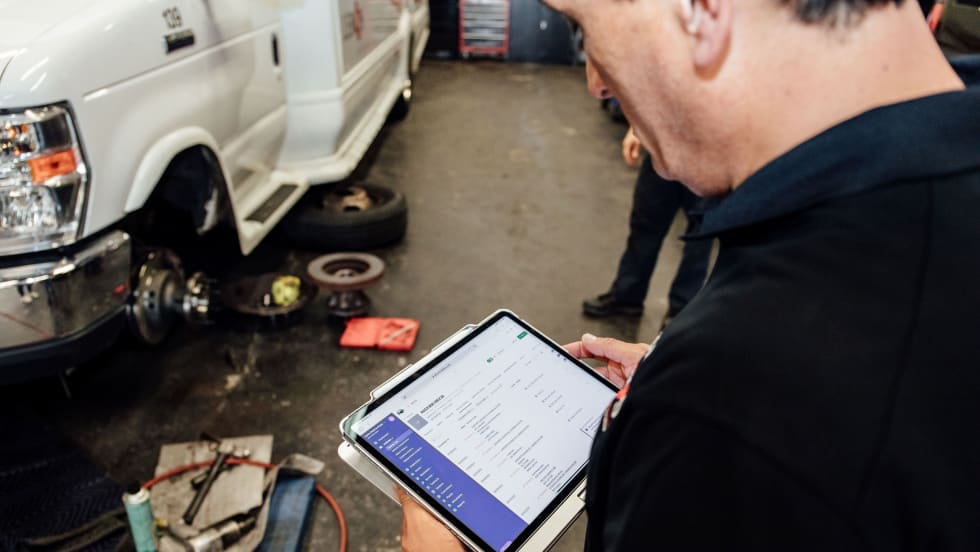
Reinventing Fleet Maintenance with Real-time Visibility and AI
Transit leaders need to know what needs fixing, where to look, who is responsible, when work is completed, and what it costs without having to chase information across disconnected systems.
Read More →
SamTrans Sets Priorities for Potential Connect Bay Area Revenue
The board-approved framework allocates future funding to maintaining service, rider improvements, equity initiatives, and infrastructure repairs.
Read More →
When Routine Fails: How Public Transit Must Adapt for the World Cup
The 2026 FIFA World Cup will test transit agencies’ ability to manage unpredictable travel patterns, making real-time data and operational flexibility critical to moving millions of visitors efficiently.
Read More →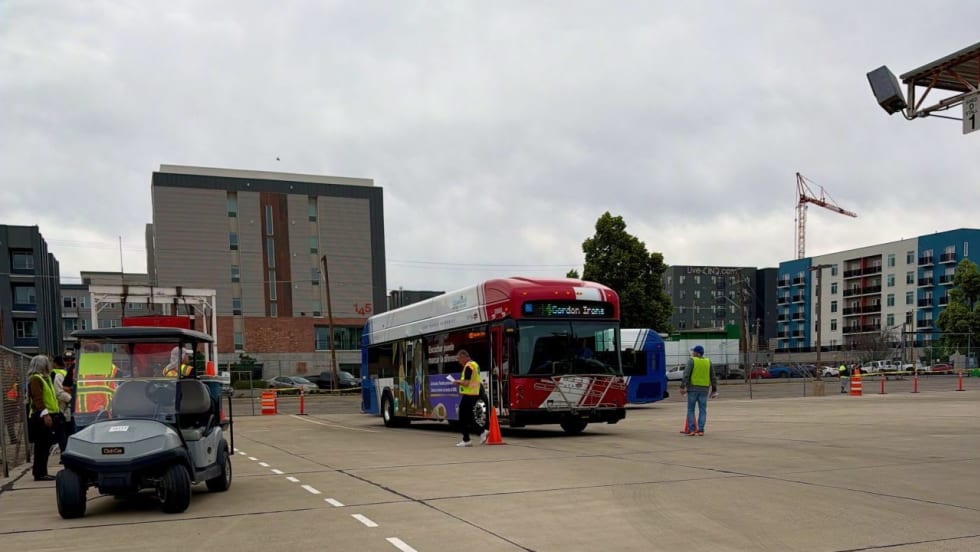
Photo Highlights from APTA's 2026 Mobility Conference
The photo gallery captures scenes from the conference, including the International Bus Roadeo, exhibit hall activities, the Bus Showcase, and much more.
Read More →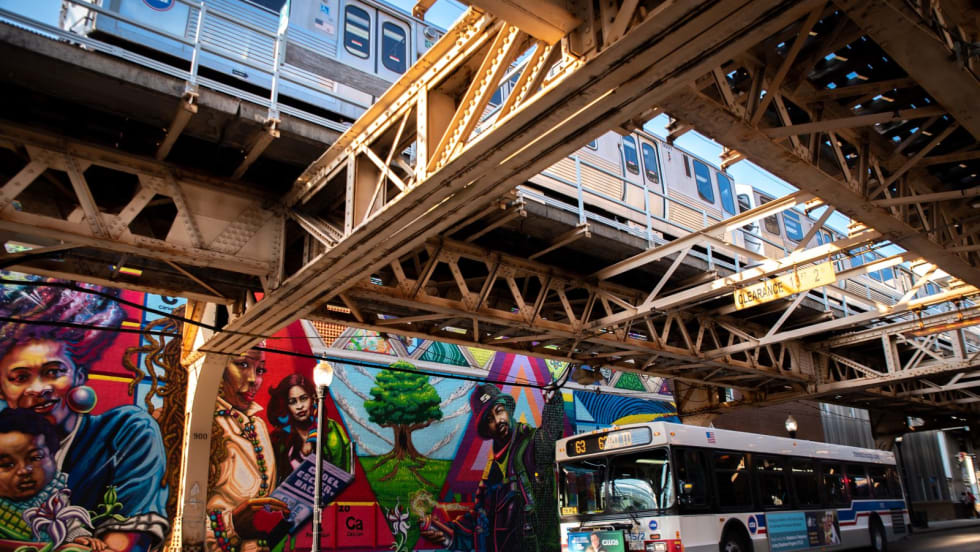
Chicago's NITA Act Moves Into Next Phase as Service Improvements Begin
Rider-focused improvements will begin rolling out across the system immediately as CTA, Metra, and Pace increase service this summer in the six-county region.
Read More →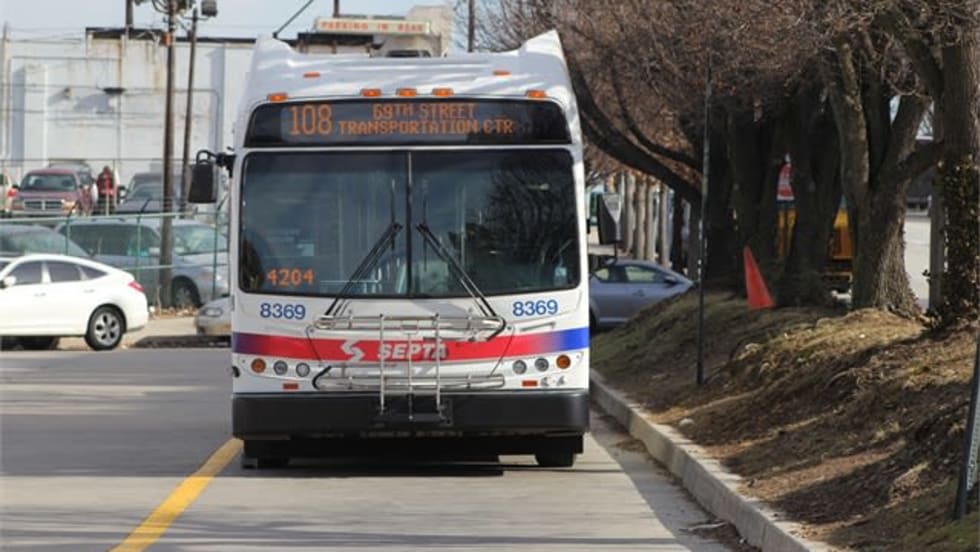
Philadelphia's SEPTA Approves Annual Transit Service Plan
Between 2021 and 2024, SEPTA held more than 200 public meetings — including 144 in-person sessions — throughout the SEPTA service region.
Read More →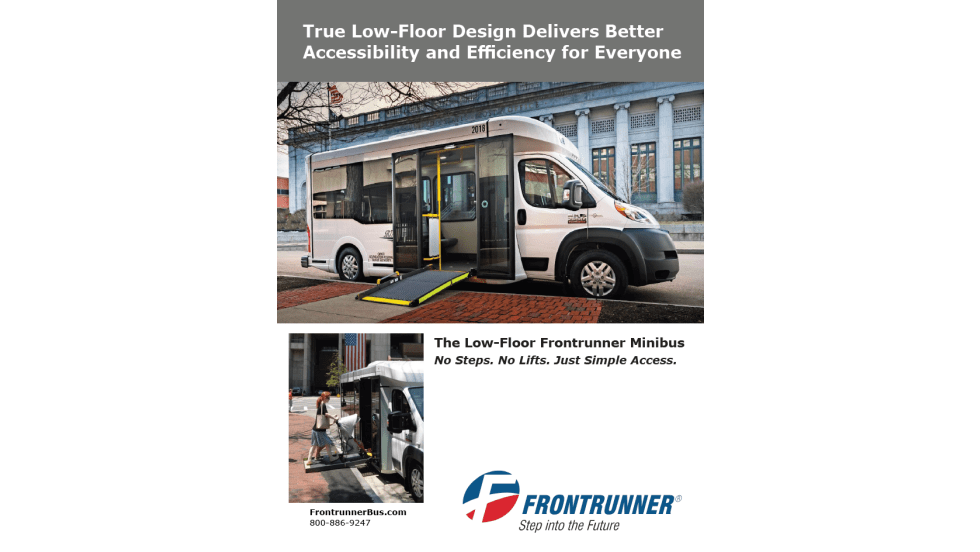
A True Low-Floor Minibus Design Delivers Better Accessibility and Efficiency for Everyone
As transit demands evolve, so should your fleet. Download the whitepaper to see how the Low-Floor Frontrunner Minibus compares to traditional options.
Read More →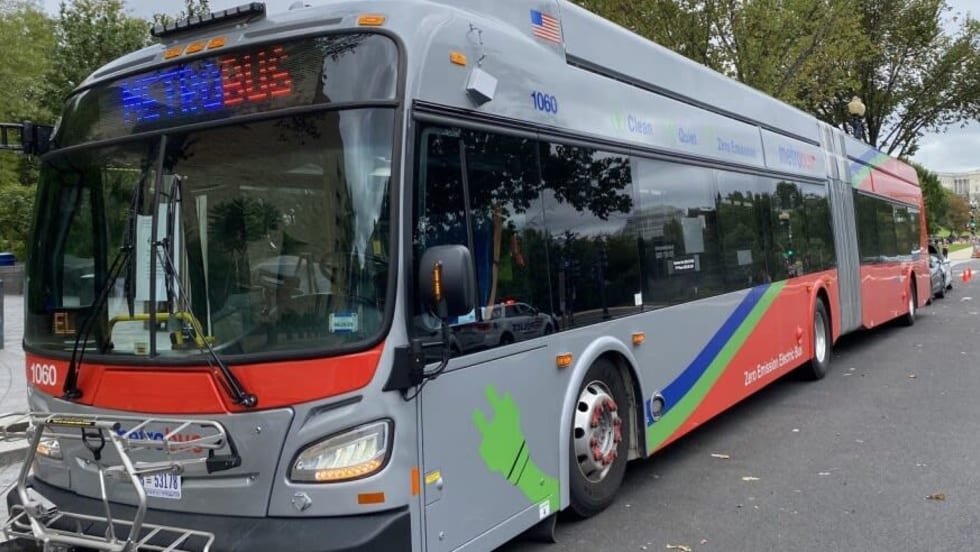
WMATA Debuts 'Fares Pay for Service' Awareness Campaign
The campaign was highlighted during a media event at the Paul S. Sarbanes Transit Center in Silver Spring, where WMATA’s GM/CEO Randy Clarke joined Metro Transit Police officers, WMATA management team, board members, and staff to expand fare enforcement and customer education efforts on Metro Bus routes throughout the region.
Read More →