



Georgia Tech adds system upgrades
The Department of Parking and Transportation has upgraded vehicles, switched to a B20 biodiesel fuel mix, and added an automated dispatch service for its late night shuttle.

The Georgia Institute of Technology's Department of Parking and Transportation has announced recent upgrades made over the winter break, including new buses and trolleys and an improved ride request system for the university's late night cross-campus Stingerette shuttle.
The new vehicles are tied to a 10-year contract with Groome Transportation after a contract with First Student ran out, according to an article in The Technique. Georgia Tech representatives helped select and design new vehicles. Tech Trolleys now feature a cow pusher in the front; and Stinger buses now have monogrammed seats, rearview cameras, LED screens showing bus driver and route names, and a new exterior design.
In addition, campus transportation is switching to a B20 biodiesel mix, with the biofuel made with cooking oil from campus dining services.
Georgia Tech's popular Stingerette shuttle service is implementing an automated dispatch software service called RideCell, co-founded by a professor emeritus at Tech and an alumnus, as The Techniquereports. The service will be able to handle the high volume of calls, eliminating problems with operator availability. RideCell will tell students the estimated wait time and will remember the most frequently requested routes by any caller.
In the long-term, the Parking and Trasportation Department hopes to install GPS devices on Stingerette vehicles to dispatch a ride request to a vehicle that is the best match for the request and give real-time notifications on arrivals for customers.
More Bus
Brian Dickson on Building Stronger, More Resilient Transportation Organizations
Bus Business Consultants Founder Brian Dickson discusses the leadership principles, operational discipline, and strategic planning that separate transportation companies positioned for long-term success from those stuck in survival mode.
Read More →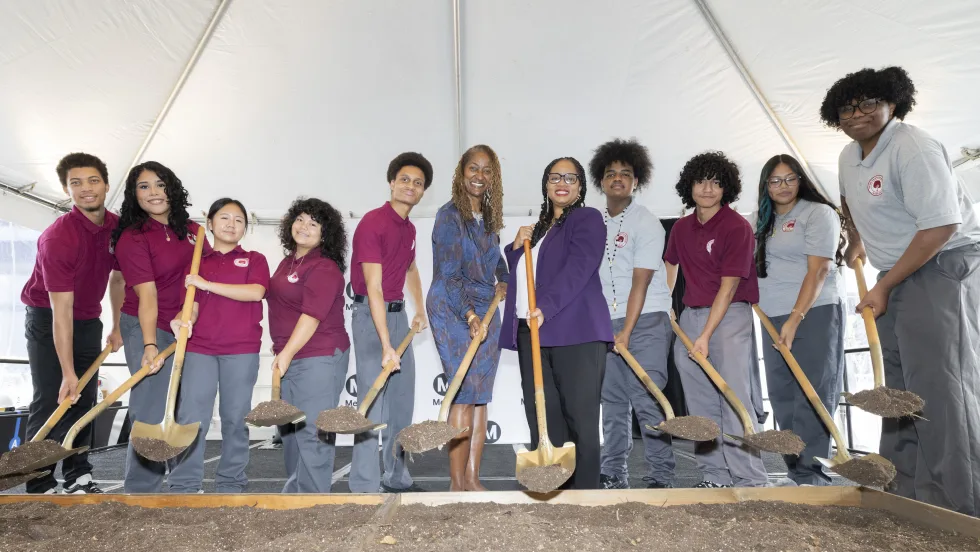
LA Metro Breaks Ground on Vermont BRT Project
The 12.4-mile corridor is projected to serve 66,200 daily riders, reduce travel times by up to 24%, and create the nation's busiest bus rapid transit corridor.
Read More →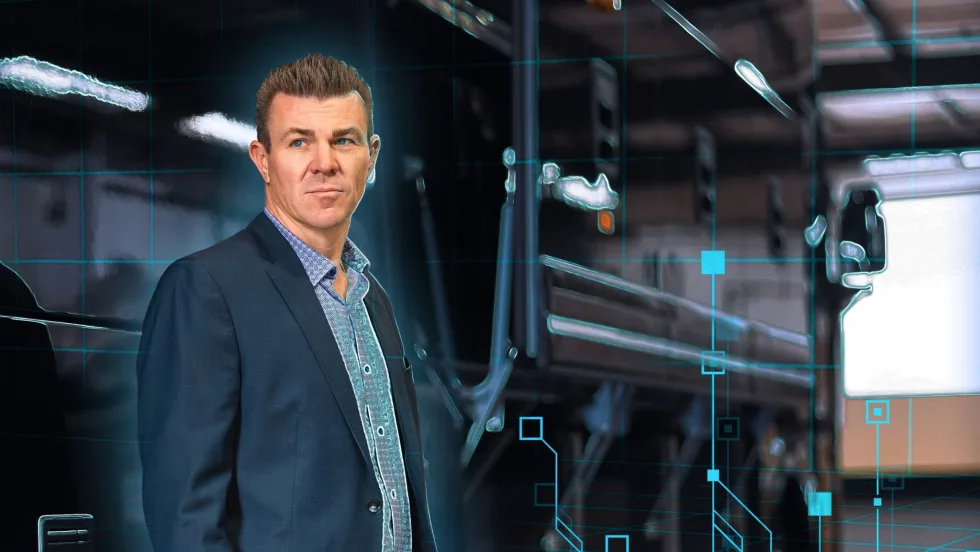
Roman Cornell on ABC Companies’ Evolution and the Future of Passenger Transportation
The company’s CEO discusses carrying forward a third-generation family legacy, ABC’s continued evolution in passenger transportation, support for increasingly complex fleets, and how technology and continued investment could help operators improve uptime.
Read More →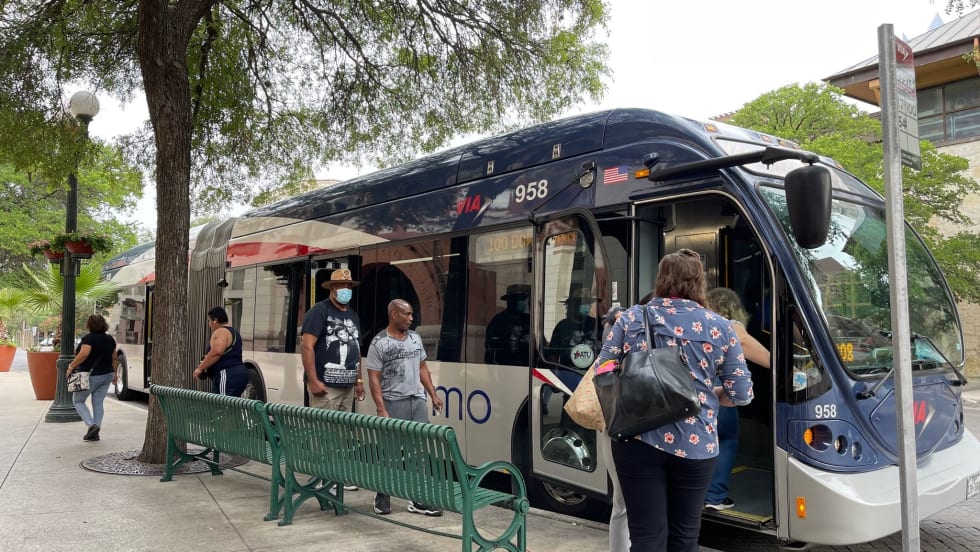
VIA Bus Ridership Grows 10.1% Through August 2026
San Antonio's VIA Metropolitan Transit reported the highest bus ridership growth among major Texas transit systems. Federal Transit Administration data ranked it second among the nation's 50 largest transit systems.
Read More →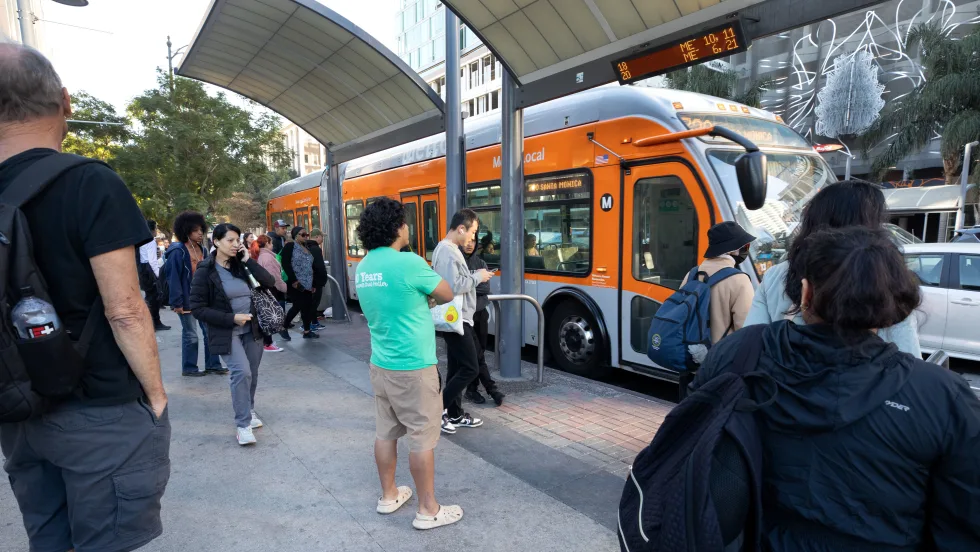
LA Metro September Ridership Climbs 3.9%, Led by Rail Growth
The agency recorded more than 27.2 million boardings, with rail ridership increasing 12.4% year over year and the D Line posting the largest gains.
Read More →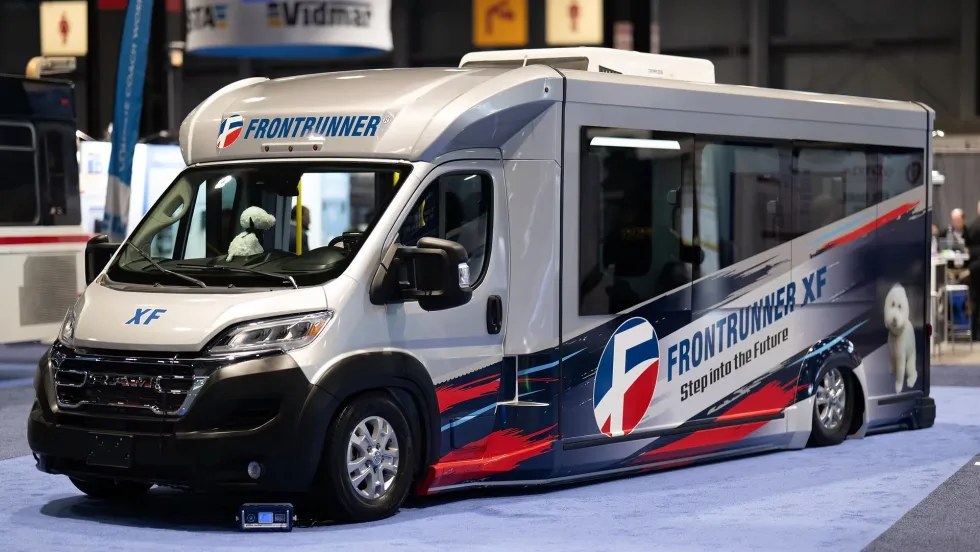
Frontrunner Bus Group Introduces XF Low-Floor Bus with Enhanced Accessibility
The new mid-sized bus features a full flat-floor design, eight-inch curbside step-in height, and zero-entry rear ramp to improve passenger access and operational flexibility.
Read More →
Scenes from APTA TRANSform & EXPO 2026
Transit leaders, manufacturers, and industry professionals gathered in Chicago to explore new technologies, share ideas, and discuss the future of public transportation.
Read More →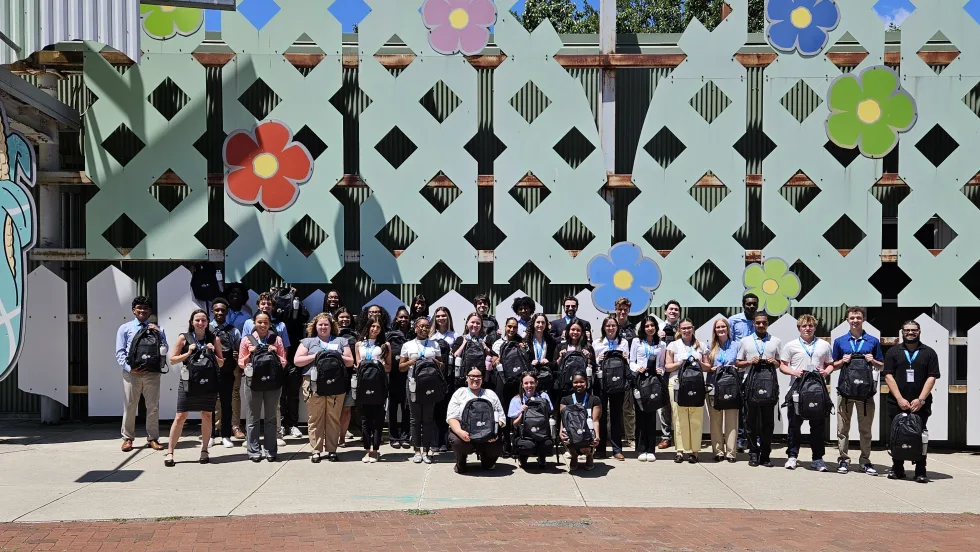
More Than a Summer Job: Building the Next Generation of Transit Talent
The Delaware River Port Authority and PATCO have transformed their internship program into a hands-on professional development experience that introduces students to the breadth of transportation careers — and creates a pipeline for future employees.
Read More →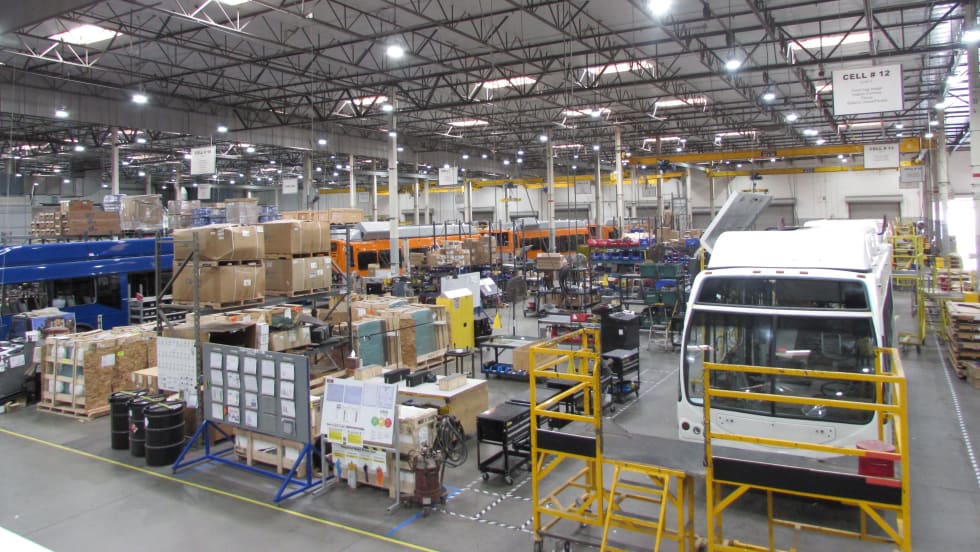
LA Metro Board Awards 220 Battery-Electric Bus Contract to ENC
The contract, which is the largest base award of battery-electric buses by a U.S. transit agency, will be built in Southern California, sustaining good jobs as LA prepares to welcome the world in 2028
Read More →
Public Transit Conference Returning to GFX in 2027, Call for Papers Now Open
The Call for Papers is now open, allowing transit agency professionals and industry experts to help shape the PTC educational program by submitting session ideas for consideration.
Read More →