



N.Y. MTA's Walder: Must make every dollar count
In a report of his first 100 days, Walder calls for greater efficiencies both within the organization and for its customers.

Cost cutting and affordable service improvements are cited as two main goals for the New York Metropolitan Transportation Authority (MTA) in Chairman/CEO Jay H. Walder's report of his first 100 days on the job.
The enormous improvement in the MTA's transportation network over the past 25 years is recognized in the report, however, it also acknowledges that in many areas the MTA has fallen behind comparable transit systems around the world. All of the report's observations are set in the context of the ongoing economic crisis and its impact on the MTA.
The report identifies overhauling the way the MTA does business to cut costs and ensure that every dollar is being used as effectively as possible and finding affordable ways to make progress on service improvements despite the economic situation, as two main goals for the MTA.
The MTA is the product of mergers between dozens of former transportation companies, said the report, but steps were never taken to eliminate redundancies and find savings. By operating the MTA as one company — instead of multiple silos — significant cost reduction can be achieved, said Walder. .
Nearly 90 percent of MTA employees are focused on service delivery, so this area must also be targeted for sufficient cost reduction, including eliminating some overtime and amending work rules that make it difficult to utilize new technology or streamline processes, according to the report.
The report targets five areas for fast, visible, affordable improvements:
Faster bus service
Telling customers when to expect the next train or bus
Bringing Toll Collection into the 21st Century
Making new fare technology work for customers
Improving subway stations and service change information
"Making every dollar count — that's the only way we can restore the MTA's credibility and continue improving service in difficult times," Walder said. "I grew up here and started my career at the MTA, so I know how fundamental the transit system is to our daily lives. Today we established high goals for the MTA in a difficult time, but we must succeed."
More Bus
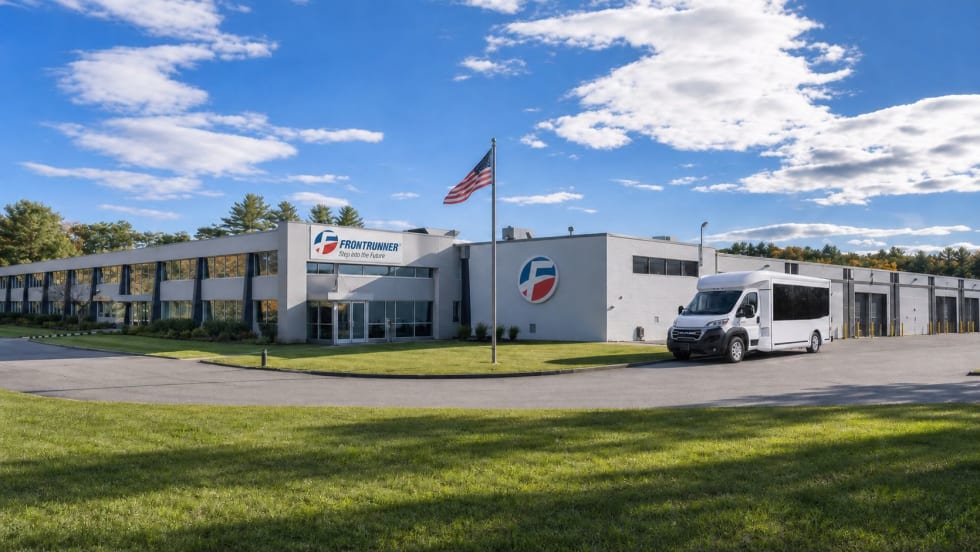
Frontrunner Bus Group Expands with New Massachusetts Headquarters
The significantly larger facility will provide the infrastructure needed to support the company’s growing workforce, advanced technologies, and expanding product line.
Read More →
Joshua Schank on Transportation Innovation, Risk, and the Future of Mobility
In this edition of METROspectives, Joshua Schank discusses lessons from launching LA Metro’s Office of Extraordinary Innovation, the challenges of advancing new mobility technologies, and much more.
Read More →
Reinventing Fleet Maintenance with Real-time Visibility and AI
Transit leaders need to know what needs fixing, where to look, who is responsible, when work is completed, and what it costs without having to chase information across disconnected systems.
Read More →
SamTrans Sets Priorities for Potential Connect Bay Area Revenue
The board-approved framework allocates future funding to maintaining service, rider improvements, equity initiatives, and infrastructure repairs.
Read More →
When Routine Fails: How Public Transit Must Adapt for the World Cup
The 2026 FIFA World Cup will test transit agencies’ ability to manage unpredictable travel patterns, making real-time data and operational flexibility critical to moving millions of visitors efficiently.
Read More →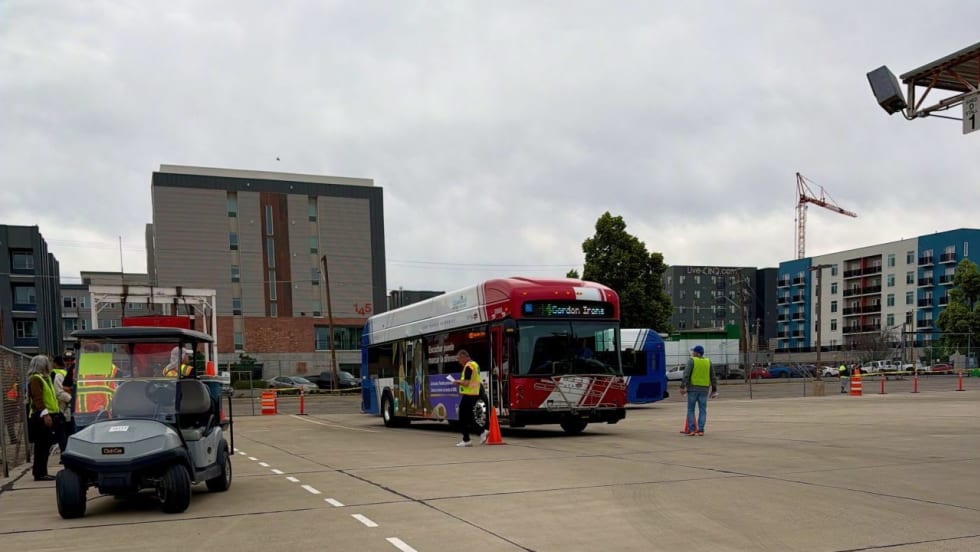
Photo Highlights from APTA's 2026 Mobility Conference
The photo gallery captures scenes from the conference, including the International Bus Roadeo, exhibit hall activities, the Bus Showcase, and much more.
Read More →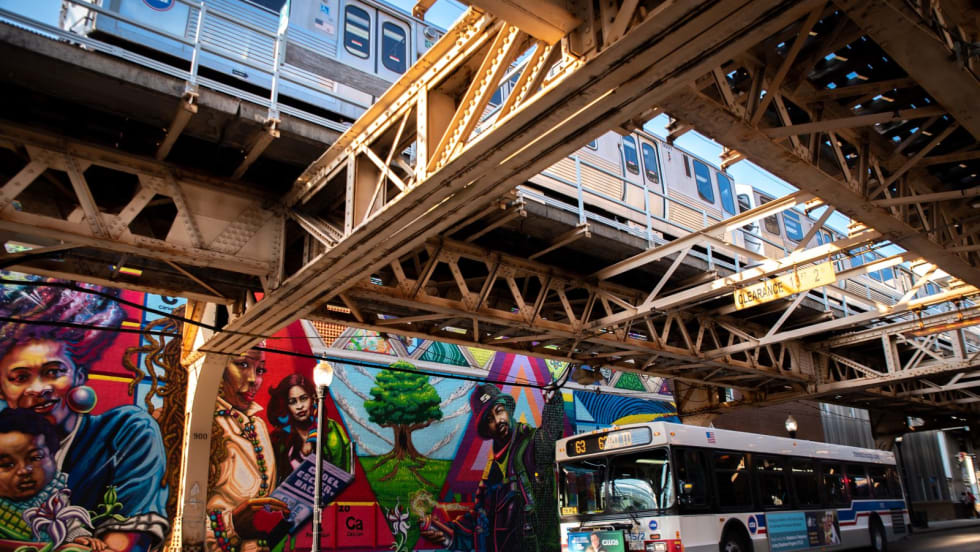
Chicago's NITA Act Moves Into Next Phase as Service Improvements Begin
Rider-focused improvements will begin rolling out across the system immediately as CTA, Metra, and Pace increase service this summer in the six-county region.
Read More →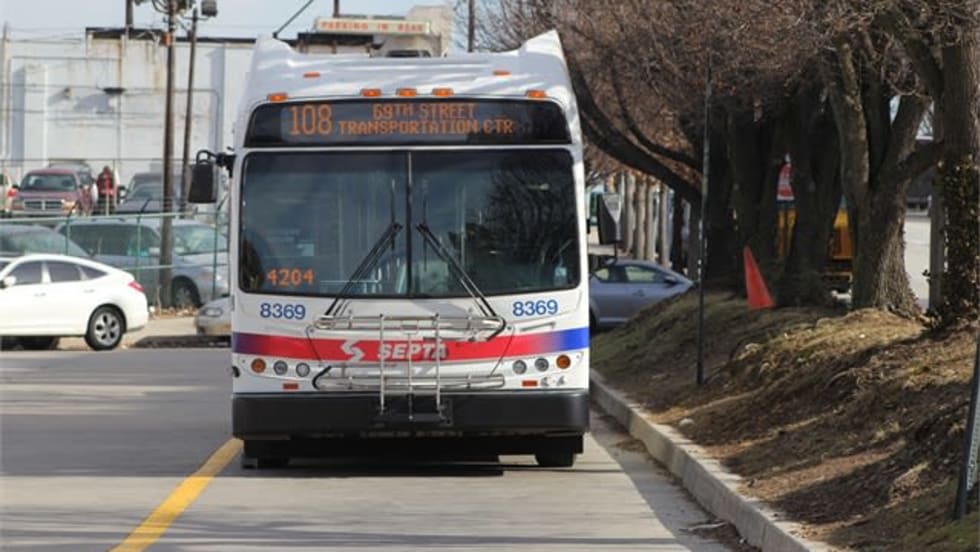
Philadelphia's SEPTA Approves Annual Transit Service Plan
Between 2021 and 2024, SEPTA held more than 200 public meetings — including 144 in-person sessions — throughout the SEPTA service region.
Read More →
A True Low-Floor Minibus Design Delivers Better Accessibility and Efficiency for Everyone
As transit demands evolve, so should your fleet. Download the whitepaper to see how the Low-Floor Frontrunner Minibus compares to traditional options.
Read More →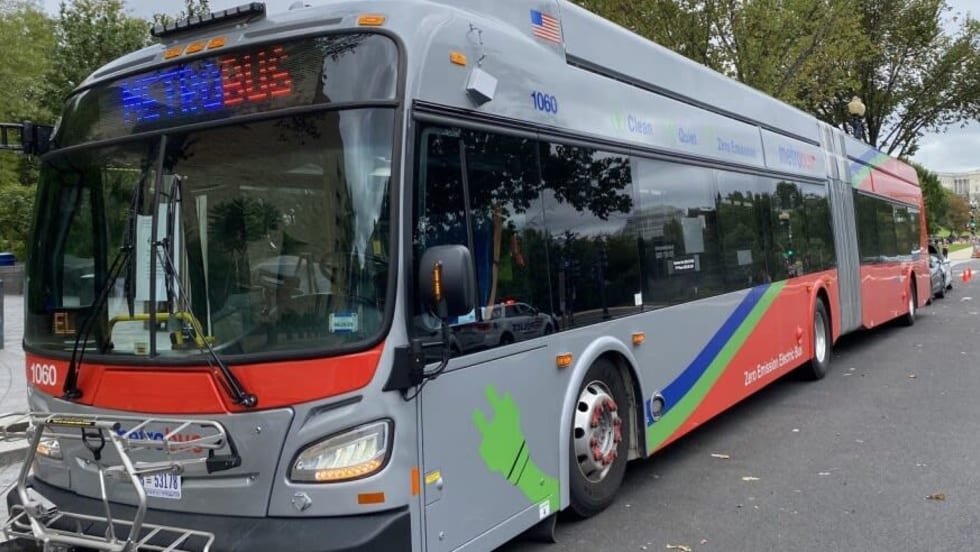
WMATA Debuts 'Fares Pay for Service' Awareness Campaign
The campaign was highlighted during a media event at the Paul S. Sarbanes Transit Center in Silver Spring, where WMATA’s GM/CEO Randy Clarke joined Metro Transit Police officers, WMATA management team, board members, and staff to expand fare enforcement and customer education efforts on Metro Bus routes throughout the region.
Read More →