



TTC to enhance customer service
Improvements include the formation of an advisory panel, adding a trip planner and Metropass vending machines, and SMS capability at all streetcar stops.

On Wednesday, Toronto Transit Commission (TTC) Chair Adam Giambrone announced several new customer service measures.
Last week, the Commission approved the formation of an advisory panel. This panel will have representation from customers, the private sector, TTC employees and the public transit industry. The panel will review and approve a terms of reference then begin the work of assessing existing plans to improve customer service, advise on where the TTC should seek outside expertise to achieve its objective, conduct public consultations, and draft a customer charter or “bill of rights.” It is intended that the advisory panel will publicly report its recommendations by June 30.
Next week, the TTC will unveil the first phase of its trip planner. Customer feedback will be sought as the trip planner continues through development, including a mobile application. The TTC will make its data available to organizations, like Google — at no charge — so they can develop applications that may be useful to TTC customers.
This year the TTC will install up to an additional 50 pass vending machines across the system, allowing customers to purchase Metropasses. The TTC continues to work with the province of Ontario on a smart card and automatic fare payment system.
In July, all 800 streetcar stops will have SMS capability whereby customers can send a text message to the TTC and get an immediate response about when the next streetcar will arrive at that particular stop. Select shelters and subway stations serviced by streetcars will also have LED readouts with next vehicle arrival information bus stops will have the same capability in 2011 as the TTC upgrades the GPS units aboard all the buses in its fleet.
Other improvements include:
Installation of video screens at station entrances or at collector booths with system status information. As well, direct communication with collectors and supervisors from Transit Control will be implemented to ensure employees have the latest information to help them do their jobs effectively.
Updates to the TTC Website when a delay on the subway occurs that is greater than 15 minutes during rush hour periods and 30 minutes at all other times. E-alerts will also be issued and platform video screens will carry text advising customers of any delay.
A thorough and comprehensive review of its training curriculum – for new employees, as well as those going through recertification training. A renewed focus on customer service will be at the core of all training. To ensure service excellence is not only achieved, but sustained, quality assurance standards will be developed, as will the use of “secret shoppers” and comprehensive supervision.
Expanding its TTC Ambassadors Program to full-time, enabling customers to get information or assistance from an ambassador at its busiest subway stations, or during major disruptions. The TTC will also undertake a review of its uniforms and dress code for frontline workers.
Establishing a 24/7 hotline for TTC information or for filing a complaint.
More Bus
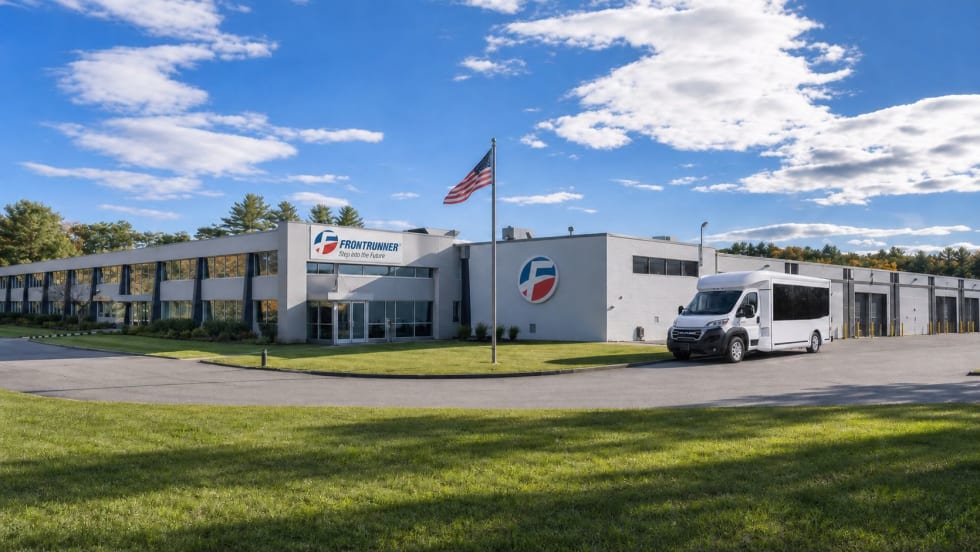
Frontrunner Bus Group Expands with New Massachusetts Headquarters
The significantly larger facility will provide the infrastructure needed to support the company’s growing workforce, advanced technologies, and expanding product line.
Read More →
Joshua Schank on Transportation Innovation, Risk, and the Future of Mobility
In this edition of METROspectives, Joshua Schank discusses lessons from launching LA Metro’s Office of Extraordinary Innovation, the challenges of advancing new mobility technologies, and much more.
Read More →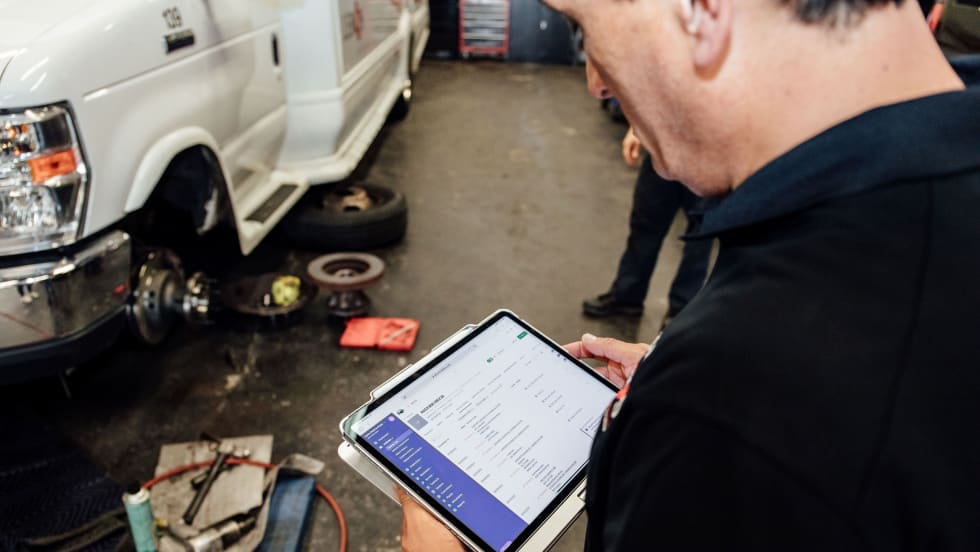
Reinventing Fleet Maintenance with Real-time Visibility and AI
Transit leaders need to know what needs fixing, where to look, who is responsible, when work is completed, and what it costs without having to chase information across disconnected systems.
Read More →
SamTrans Sets Priorities for Potential Connect Bay Area Revenue
The board-approved framework allocates future funding to maintaining service, rider improvements, equity initiatives, and infrastructure repairs.
Read More →
When Routine Fails: How Public Transit Must Adapt for the World Cup
The 2026 FIFA World Cup will test transit agencies’ ability to manage unpredictable travel patterns, making real-time data and operational flexibility critical to moving millions of visitors efficiently.
Read More →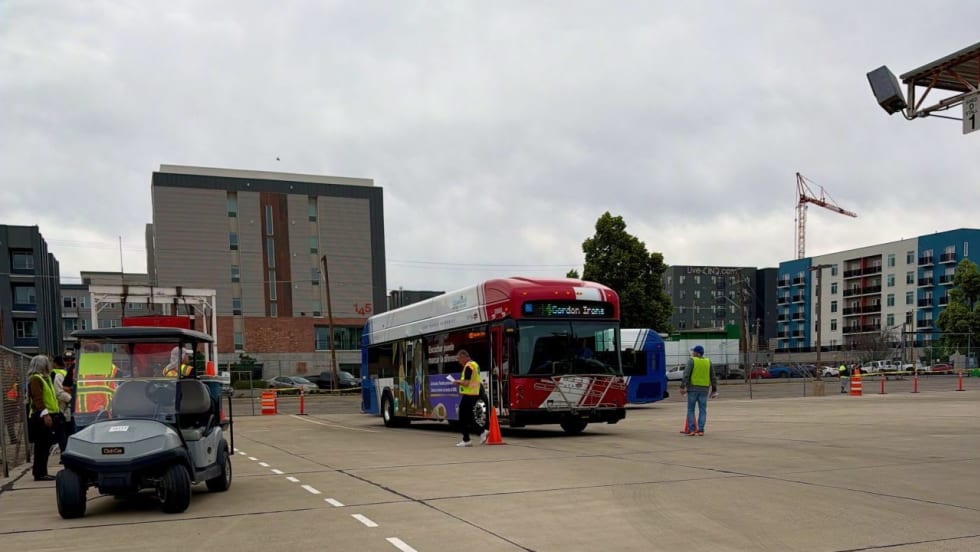
Photo Highlights from APTA's 2026 Mobility Conference
The photo gallery captures scenes from the conference, including the International Bus Roadeo, exhibit hall activities, the Bus Showcase, and much more.
Read More →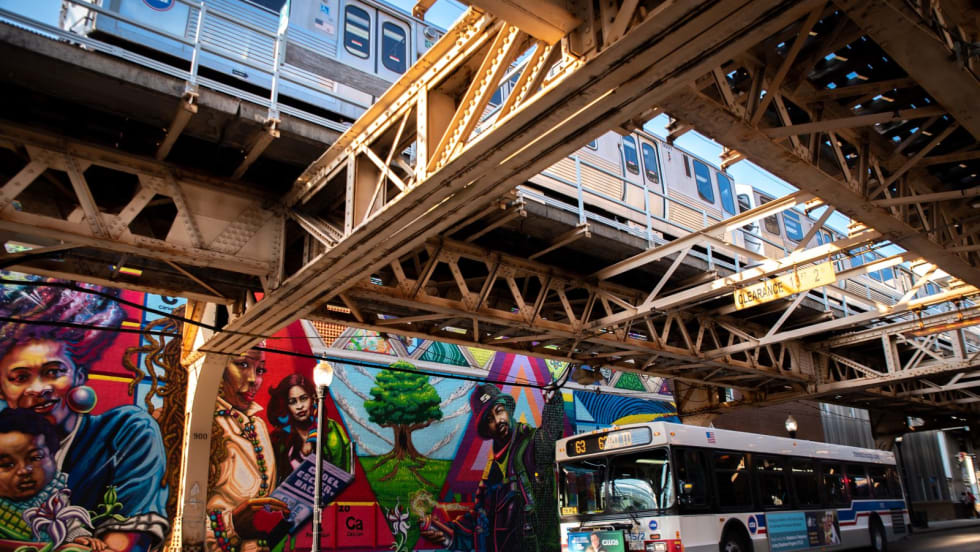
Chicago's NITA Act Moves Into Next Phase as Service Improvements Begin
Rider-focused improvements will begin rolling out across the system immediately as CTA, Metra, and Pace increase service this summer in the six-county region.
Read More →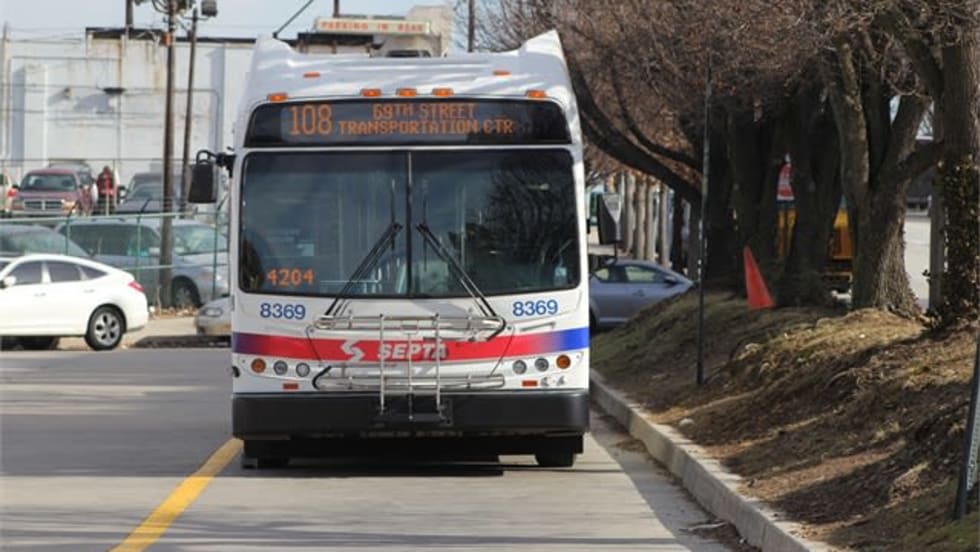
Philadelphia's SEPTA Approves Annual Transit Service Plan
Between 2021 and 2024, SEPTA held more than 200 public meetings — including 144 in-person sessions — throughout the SEPTA service region.
Read More →
A True Low-Floor Minibus Design Delivers Better Accessibility and Efficiency for Everyone
As transit demands evolve, so should your fleet. Download the whitepaper to see how the Low-Floor Frontrunner Minibus compares to traditional options.
Read More →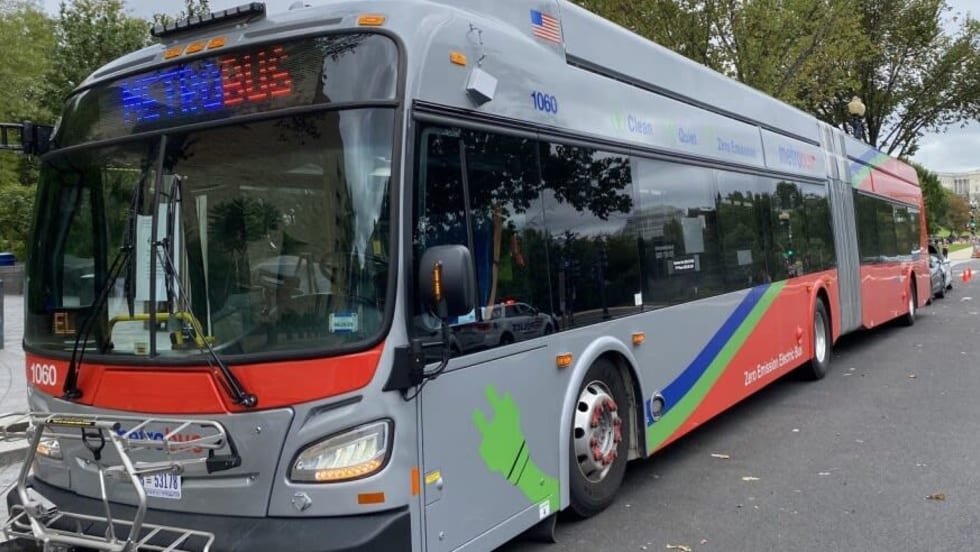
WMATA Debuts 'Fares Pay for Service' Awareness Campaign
The campaign was highlighted during a media event at the Paul S. Sarbanes Transit Center in Silver Spring, where WMATA’s GM/CEO Randy Clarke joined Metro Transit Police officers, WMATA management team, board members, and staff to expand fare enforcement and customer education efforts on Metro Bus routes throughout the region.
Read More →