



NYC Transit tests subway countdown clocks
Unlike the more advanced system currently being turned on along the numbered lines that receives its information from the scheduled data provided by ATS (Automatic Train Supervision), this simpler system identifies train location using the signal system's track circuits and sending this information to existing equipment.

New York City Transit (NYC Transit) A- and C-Line customers headed downtown from six stations in Washington Heights and Harlem will benefit from a new pilot project testing the delivery of next train arrival information similar to that now in service along the L line and recently deployed in several Bronx stations on the 6.
While plans are in place to activate customer information signs at all of the stations on the numbered subway lines by next year, the same technology does not exist on the lettered lines. The PA/CIS (Public Address/Customer Information Screen) pilot in operation along a northern segment of the Eighth Avenue Line utilizes previously installed electronic signs in four stations, tying them in with existing infrastructure. This method eliminates the need for major capital construction and related service disruptions while allowing it to be up and running as quickly as possible.
The initial phase of the pilot will provide next train arrival information at 181st, 175th, 168th, 163rd, 155th, and 145th Street Stations. While audio announcements will be available at all six stations, Customer Information Screens will be up and running at the four southernmost stations only.
"This is another part of the initiative to offer real time train arrival information to our customers, but here we are going about it in a different manner using existing infrastructure rather than waiting for the installation of an entirely new communications system," said NYC Transit President Thomas F. Prendergast. "We looked at the equipment that was already in place and we have designed a pilot that responds to MTA Chairman Jay Walder's call to find affordable ways to make customer improvements as quickly as possible."
Unlike the more advanced system currently being turned on along the numbered lines that receives its information from the scheduled data provided by ATS (Automatic Train Supervision), this simpler system identifies train location using the signal system's track circuits and sending this information to existing equipment. Due to the limitations of the information transmitted by the signal track circuits, the demonstration pilot will provide information on train movement on a specific track only and cannot identify specific trains as the ATS system is able to do.
In stations equipped with screens, the information will transmit how many stations away the train is along with the estimated length of time to arrive. For example: "Train 2 stations away. Approximately 2 minutes." Information for the express track begins being transmitted to stations downtown as the train approaches 181st Street. Local track information transmission begins at 168th Street.
If this first pilot is successful and well received, the agency will look to implement it at other stations on the lettered lines. Additionally, other pilots that will test different technology options are currently being investigated.
More Rail

The Invisible Infrastructure of Passenger Flow
What a seat reservation system on Austria’s Railjet trains reveals about the future of rider experience, and why U.S. agencies should pay attention.
Read More →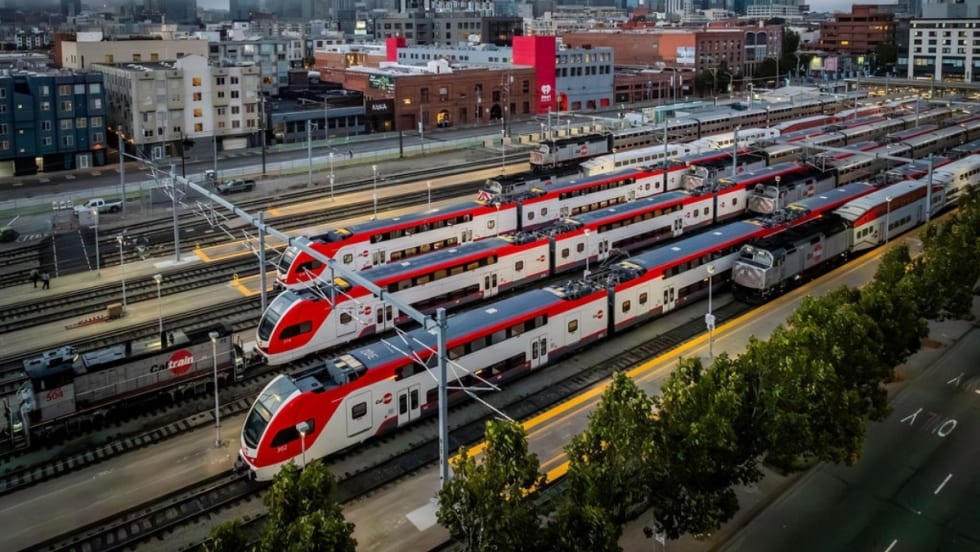
Caltrain Board Approves FY27 Budget, Endorses Efficiency Measures
The move ensures Caltrain service will continue operating as usual in the near term, but long-term financial challenges remain for the rail agency absent a new revenue source.
Read More →
Alstom Acquires Delaware Site to Support Amtrak NextGen Acela Fleet
The company is investing more than $55 million to acquire and improve the property and will employ approximately 100 people at this site once it is operational.
Read More →
When Routine Fails: How Public Transit Must Adapt for the World Cup
The 2026 FIFA World Cup will test transit agencies’ ability to manage unpredictable travel patterns, making real-time data and operational flexibility critical to moving millions of visitors efficiently.
Read More →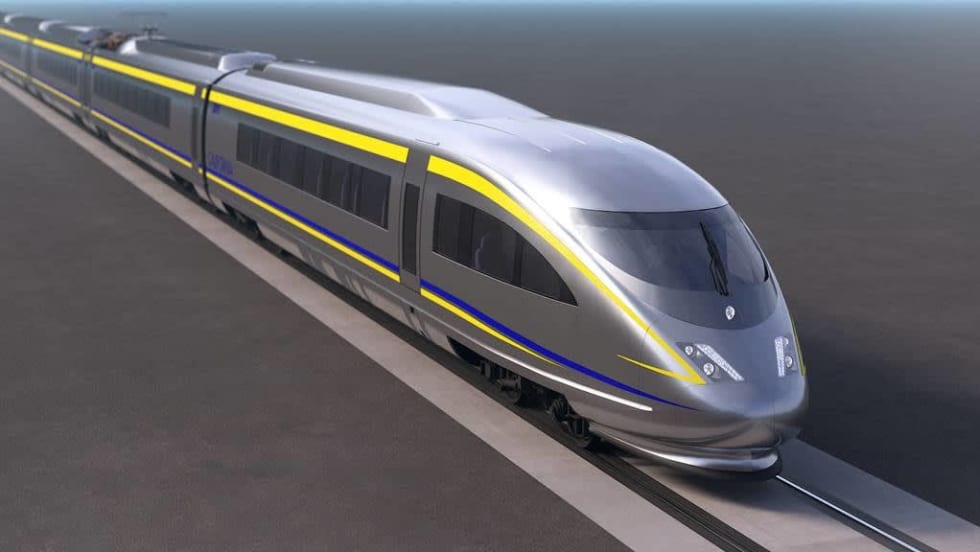
California Selects Team for Nation’s First True High-Speed Rail Track and Systems Contract
The board action follows completion of track installation at the 150-acre southern railhead in Kern County, which will serve as the staging and distribution hub for high-speed track and systems installation.
Read More →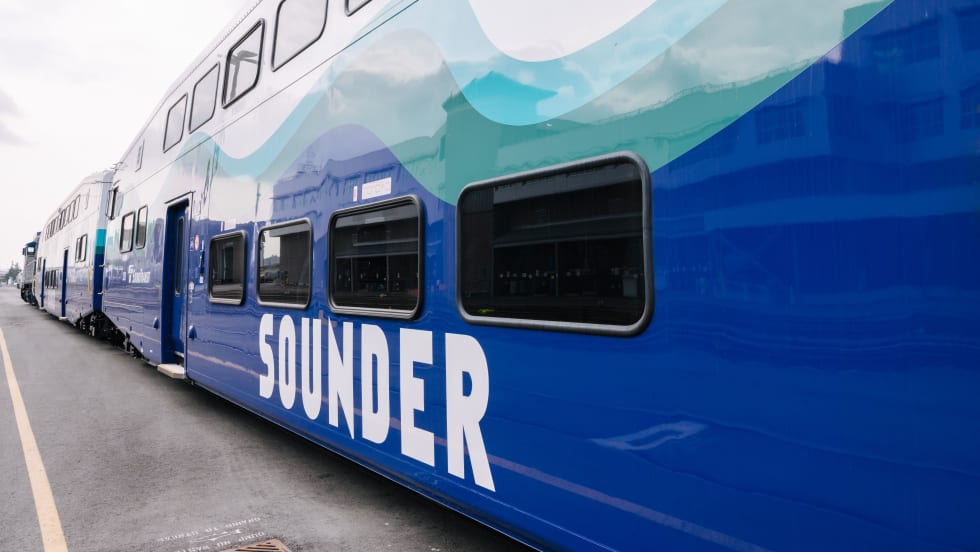
Seattle's Sound Transit Launches New Sounder Railcars into Service
Alstom manufactured all the cars under a $46.5 million contract and came into service in anticipation of summer crowds for soccer and baseball.
Read More →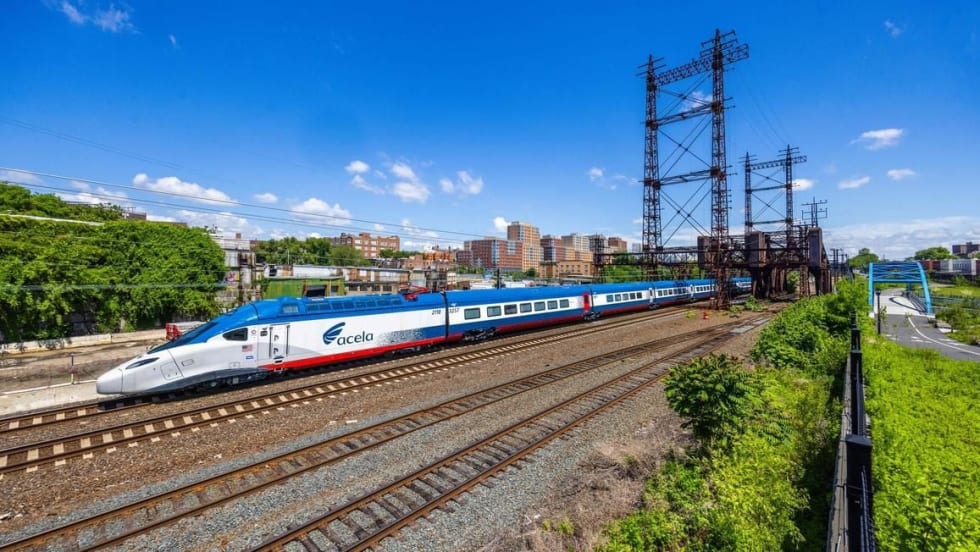
Alstom Partners With Universities to Build Rail Talent Pipeline
The partnerships include a new engineering scholarship fund at Alfred State College in Western New York and collaborations with transportation centers at the University of Pennsylvania and New York University.
Read More →
Chicago's NITA Act Moves Into Next Phase as Service Improvements Begin
Rider-focused improvements will begin rolling out across the system immediately as CTA, Metra, and Pace increase service this summer in the six-county region.
Read More →
Seattle’s Sound Transit Adopts Updated ST3 System Plan
The updated system plan incorporates cost savings across the agency, including new revenue sources and financial policies, to set the agency on a sustainable path for the future.
Read More →
Inside Look: EMBARK Expands Fare-Free Transit Program Through New Public-Private Partnership
The OKC transit agency says sponsorship helps subsidize the Third Friday Free initiative while reducing barriers for first-time riders and boosting ridership across buses, streetcars, and river cruises.
Read More →