



D.C. Metro requests funding from feds for safety
GM Richard Sarles reiterated the transit agency's request for $150 million in fiscal year 2011.

Washington Area Metropolitan Transportation Authority (Metro) GM Richard Sarles testified before the Subcommittee on Transportation, Housing and Urban Development, and Related Agencies of the U.S. Senate Committee on Appropriations on Wednesday and reiterated the transit agency’s request for $150 million in fiscal year 2011.
In doing so, Sarles provided a description of his back-to-basics action plan to improve the safety and service reliability of the Metro system. His written testimony is posted on the Metro Website.
The audit that Sen. Barbara Mikulski asked the Federal Transit Administration to conduct “was extremely helpful to us as we developed our safety action plan,” Sarles told the Subcommittee. “We are working on a number of fronts to strengthen our safety program, including hiring more people and getting them the training that they need. We are developing an incident management system so that we can analyze trends and spot issues in advance. We are also improving protections for our track workers, by updating our procedures and our training program for those who work in and around the track area.”
In response to Sen. Mikulski’s questions on improving safety at Metro, Sarles highlighted 10 key safety-related concerns:
1. Replace the oldest railcars in the fleet (Rohr 1000 Series railcars)
2. Develop a new real-time automatic train control redundancy system
3. Strengthen the expertise of the Safety Department
4. Complete the Roadway Worker Protection Program
5. Develop a training and certification program for bus and rail personnel
6. Strengthen employee knowledge of rules and rules compliance
7. Develop an accident and investigation database
8. Create a strong internal training tracking database
9. Fill vacancies in the Safety Department
10. Improve the agency’s safety culture
Besides safety, Sarles said that a cornerstone of Metro’s plan is to improve customer service reliability, which is why the requested $150 million in federal funding is critical to the system. He told the Subcommittee that the agency is focused on delivering better on-time performance of all of its modes — Metrorail, Metrobus and MetroAccess — but that the long-term reliability will depend on maintaining the state of good repair of the system’s buses, trains, infrastructure and facilities.
Sarles pointed out that Metro is an aging system that requires more investment for state of good repair than it did five, 10 or even 20 years ago, and said that Metro is developing a program to address the state of good repair needs.
“Our state and local partners are committed to increasing their contributions to Metro to meet these state of good repair needs,” Sarles testified. “But the funding that Metro has requested from this Subcommittee is urgently needed to allow us to maintain the Metro system in a state of good repair.”
Sarles was accompanied to Capitol Hill by Metro Board Chairman Peter Benjamin, who also provided testimony. His written testimony also is posted online.
In making the case as to why the federal government should provide funding to Metro, Benjamin noted that half of all Metrorail stations are located at federal facilities, and about 40 percent of peak ridership consists of federal employees. A quick listing of some of the rail stations demonstrates Metro’s close connection to the federal government: Federal Triangle, Smithsonian, Capitol South, Navy Yard, Pentagon, and Arlington Cemetery. In 2005, a “Blue Ribbon” report found that the federal government, the region’s largest employer, is the “largest single beneficiary” of Metro.
For these reasons, the federal government “is uniquely dependent upon Metro, something that distinguishes Metro from other U.S. transit systems,” Benjamin said in his written testimony. “In fact, it is fair to say that Metro is the backbone of daily federal government operations.”
Congress recognized the federal government’s unique relationship with Metro when it passed the Passenger Rail Investment and Improvement Act of 2008 (“PRIIA”, P.L. 110-432), which authorized $1.5 billion for Metro’s capital and preventive maintenance needs, to be equally matched by Metro’s state and local funding partners. Congress appropriated the first installment of that authorization last year. “We are requesting that another $150 million be appropriated in federal fiscal year 2011, as provided for in the President’s FY2011 budget request,” Benjamin said.
More Paratransit
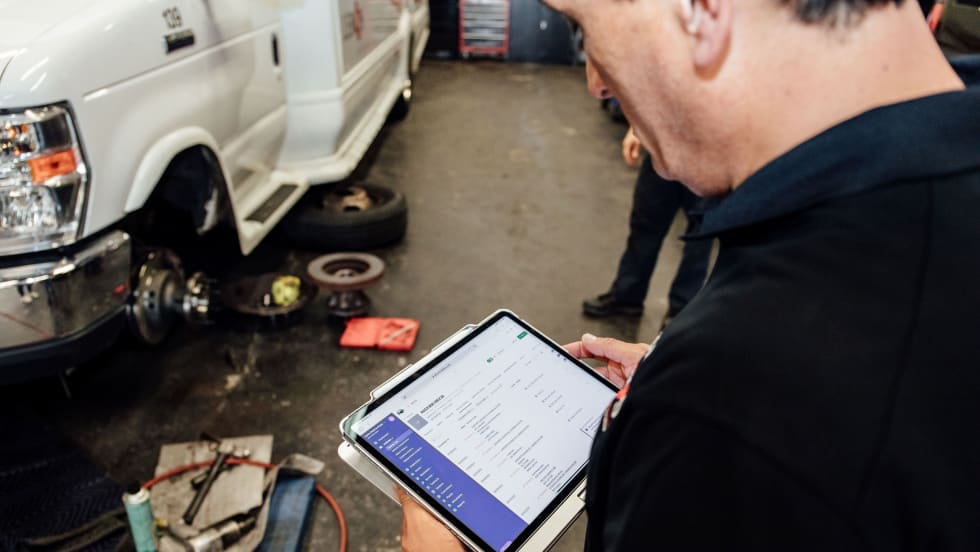
Reinventing Fleet Maintenance with Real-time Visibility and AI
Transit leaders need to know what needs fixing, where to look, who is responsible, when work is completed, and what it costs without having to chase information across disconnected systems.
Read More →
SamTrans Sets Priorities for Potential Connect Bay Area Revenue
The board-approved framework allocates future funding to maintaining service, rider improvements, equity initiatives, and infrastructure repairs.
Read More →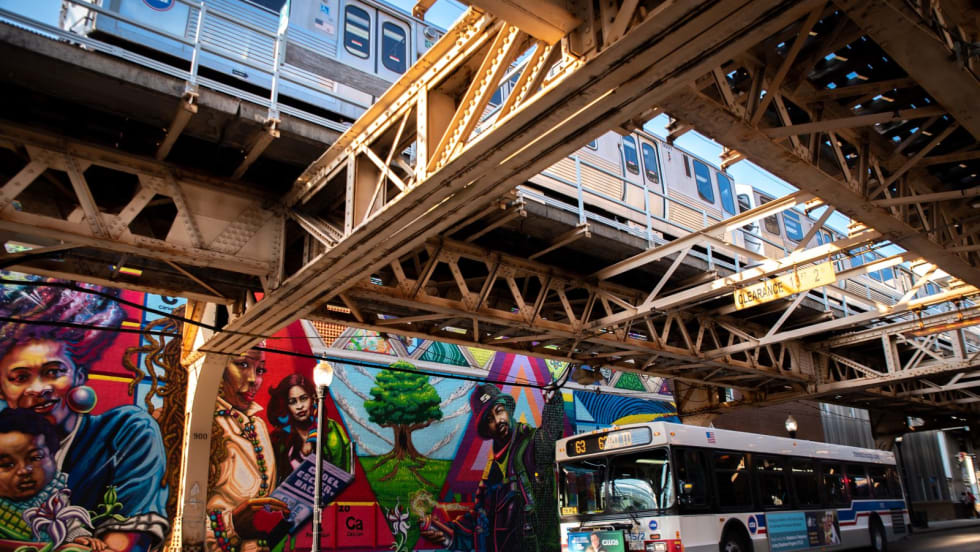
Chicago's NITA Act Moves Into Next Phase as Service Improvements Begin
Rider-focused improvements will begin rolling out across the system immediately as CTA, Metra, and Pace increase service this summer in the six-county region.
Read More →
A True Low-Floor Minibus Design Delivers Better Accessibility and Efficiency for Everyone
As transit demands evolve, so should your fleet. Download the whitepaper to see how the Low-Floor Frontrunner Minibus compares to traditional options.
Read More →
2026 METRO Buyer’s Guide & Directory
Searching for the right vehicles, technology, equipment, or services for your public transit or motorcoach operation? This industry guide brings together manufacturers and suppliers from across the transportation market — all in one place. Download it to connect with the companies that help agencies and operators improve mobility, enhance operations, and move their organizations forward.
Read More →
Rays the Mark Foundation to Honor CDTA’s Emily DeVito at October Fundraiser
Event at Chicago-area Ravisloe Country Club will support DeVito, a transit employee and mother of twins battling kidney failure and awaiting a transplant.
Read More →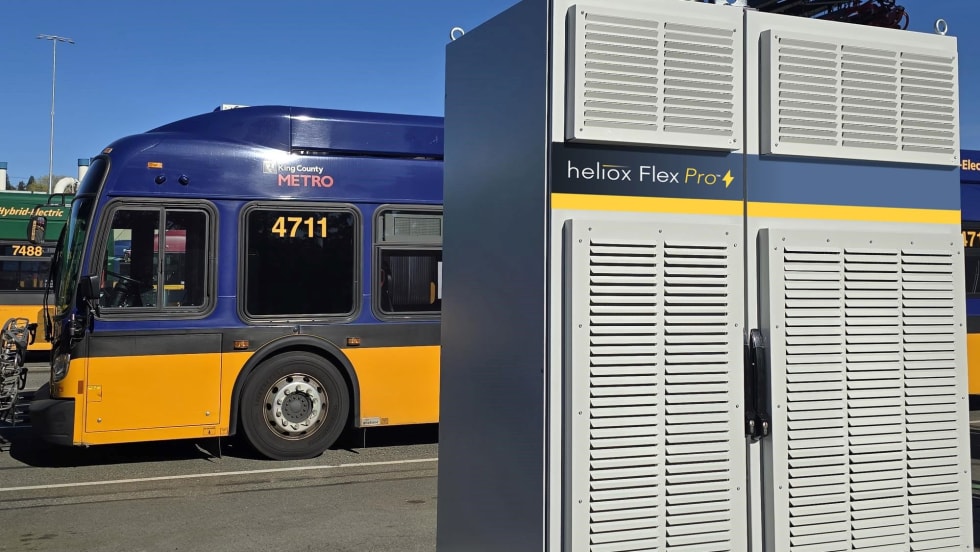
King County Test Heliox Chargers, Keolis Lands California Contract Top Biz Briefs
Stay informed with these quick takes on the projects and companies driving progress across the transportation landscape.
Read More →
Spare Expands AI-Native Operations Platform With Fixed-Route Capabilities
The launch marks a major milestone in Spare’s vision for unified transit operations.
Read More →
Via Announces Scheduling and Supply Studio
The Scheduling and Supply Studio provides the world’s first fully integrated platform for optimizing vehicle and driver availability to rider demand, said company officials.
Read More →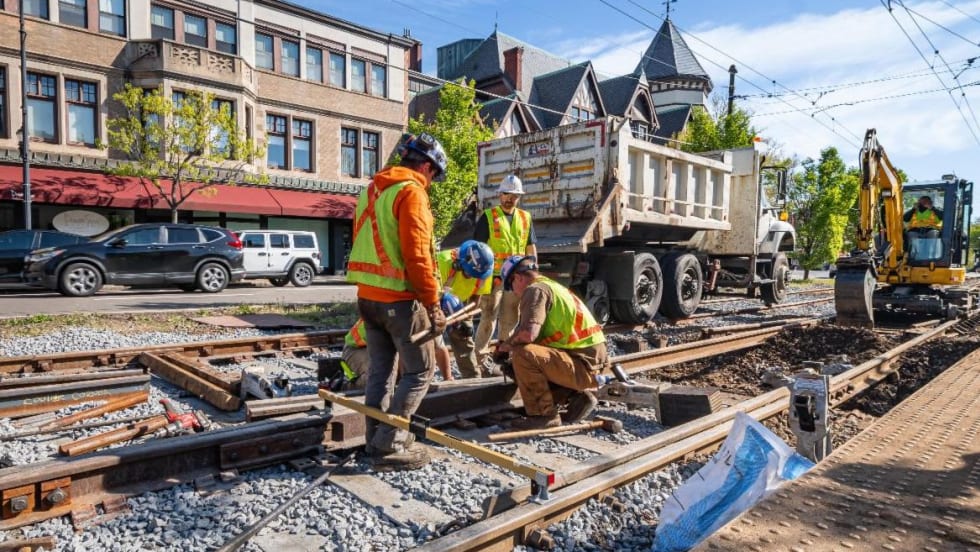
Boston's MBTA Completes Latest Green Line Work
The work took place during 12 consecutive days of shuttle bus service replacement between Kenmore and Cleveland Circle.
Read More →