



<font color=red>Web Extra:</font> Princeton study suggests free shuttle system
Early in the process, the Community Transportation Coordination Initiative identified a series of goals, including creating a coordinated and integrated transit system in order to increase transit ridership and reduce dependence on motor vehicles

A recently completed 18-month study has possibly put Princeton, N.J. steps closer to implementing a free daytime shuttle bus that would serve the area, including Princeton University.
"The Community Transportation Coordination Initiative (CTCI) was a collaborative study by the two local municipalities and the University to identify existing shuttle and transit systems and to work to develop a plan to better integrate these systems where possible to create a broad community transportation network," explained Kristin Appelget, one if its University members.
Early in the process, CTCI identified a series of goals, including creating a coordinated and integrated transit system in order to increase transit ridership and reduce dependence on motor vehicles; reduce redundant services, improve connections between existing transit systems and identify gaps in service; provide increased and timely service to underserved population centers; and support community businesses, said Appelget.
CTCI also sought to set specific, measurable goals and keep the initiative simple.
"This group met with community stakeholders and local organizations who operate shuttle services, coordinated a survey of local residents who were thought to be individuals that would benefit from increased community transportation services, and consulted with local officials," Appelget said of the 18-month study.
The group also had Gannett Fleming assist in evaluating data collected and provide its expertise in developing shuttle routes, administrative models, capital plans, funding options and marketing plans.
The service that is suggested in the final report would complement the burrough's current FreeB shuttle service.
"While the FreeB was designed to operate during peak commuter hours and to link with the Princeton Train Station that connects to the Northeast Corridor Line in Princeton Junction, the community shuttle that is proposed in the study would operate during daytime, non-commuter, hours," Appelget explained. "In addition, the FreeB only operates on weekdays, and the study identified that some weekend service in the new shuttle route may be desired for weekend trips."
The estimated cost to run the service is approximately $113,000 per year, and plans include starting the service for a year or 18 months, with the hopes of continuing the service if it is successful. The next steps for the proposed free shuttle include investigating funding options and setting a launch goal, which will likely be in the fall of this year, according to a Town Topics report.
Princeton University has operated a campus shuttle system since 2005 and currently has approximately 740,000 rides on the system each year.
"Our campus shuttle is a key component of our Transportation Demand Management (TDM) programs that seek to reduce the number of single occupancy vehicle use," said Appelget. "Graduate students who live in campus housing are only given parking permits at their place of residence, and are they expected to use the campus shuttle for access to their study and campus work locations if distance precludes them from walking or biking."
In addition to its extensive campus shuttle system, Appelget added that Princeton University also supports carpools and vanpools, provides a mass transit subsidy and reimbursement plan, and works to improve bike and pedestrian facilities across the campus. The University also has a car sharing program — "WeCar" — as well as a bike loan program — "UBikes" — on campus.
More Bus
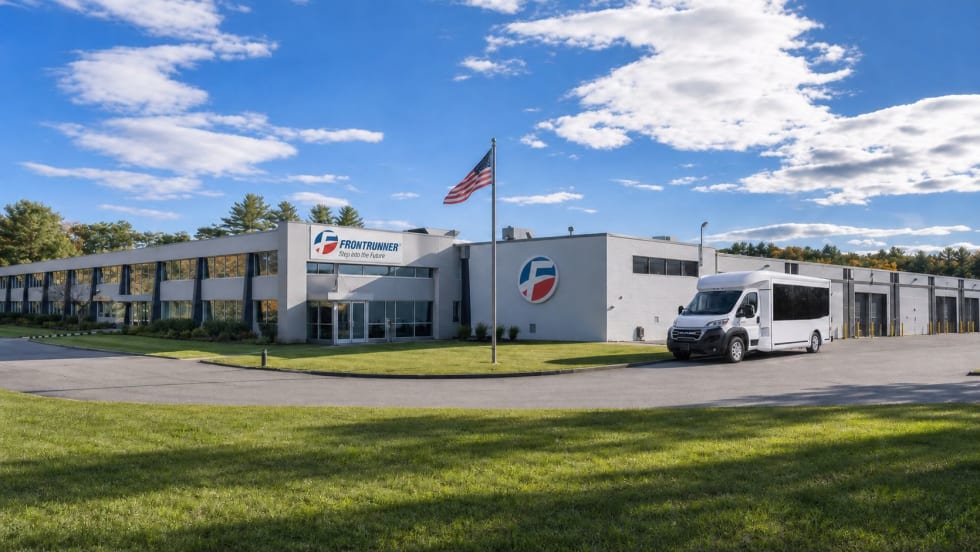
Frontrunner Bus Group Expands with New Massachusetts Headquarters
The significantly larger facility will provide the infrastructure needed to support the company’s growing workforce, advanced technologies, and expanding product line.
Read More →
Joshua Schank on Transportation Innovation, Risk, and the Future of Mobility
In this edition of METROspectives, Joshua Schank discusses lessons from launching LA Metro’s Office of Extraordinary Innovation, the challenges of advancing new mobility technologies, and much more.
Read More →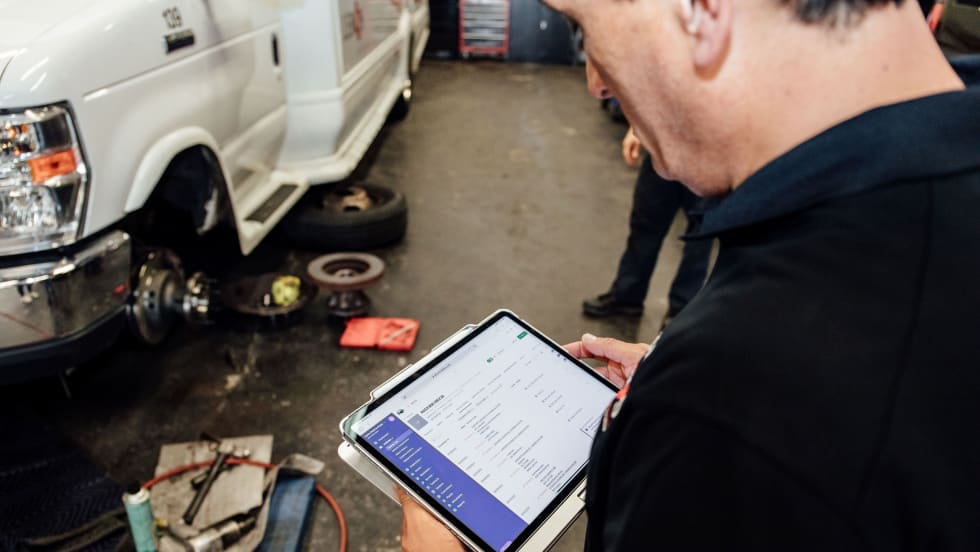
Reinventing Fleet Maintenance with Real-time Visibility and AI
Transit leaders need to know what needs fixing, where to look, who is responsible, when work is completed, and what it costs without having to chase information across disconnected systems.
Read More →
SamTrans Sets Priorities for Potential Connect Bay Area Revenue
The board-approved framework allocates future funding to maintaining service, rider improvements, equity initiatives, and infrastructure repairs.
Read More →
When Routine Fails: How Public Transit Must Adapt for the World Cup
The 2026 FIFA World Cup will test transit agencies’ ability to manage unpredictable travel patterns, making real-time data and operational flexibility critical to moving millions of visitors efficiently.
Read More →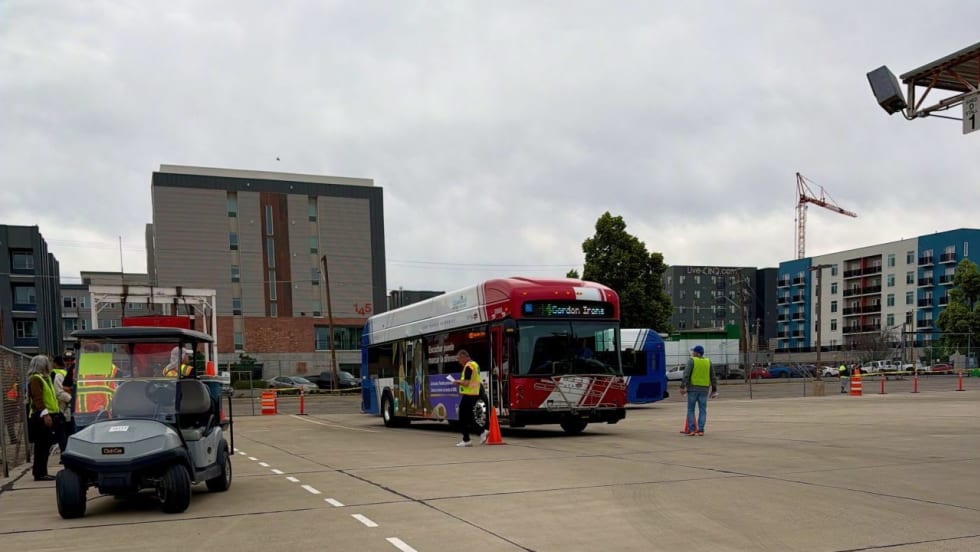
Photo Highlights from APTA's 2026 Mobility Conference
The photo gallery captures scenes from the conference, including the International Bus Roadeo, exhibit hall activities, the Bus Showcase, and much more.
Read More →
Chicago's NITA Act Moves Into Next Phase as Service Improvements Begin
Rider-focused improvements will begin rolling out across the system immediately as CTA, Metra, and Pace increase service this summer in the six-county region.
Read More →
Philadelphia's SEPTA Approves Annual Transit Service Plan
Between 2021 and 2024, SEPTA held more than 200 public meetings — including 144 in-person sessions — throughout the SEPTA service region.
Read More →
A True Low-Floor Minibus Design Delivers Better Accessibility and Efficiency for Everyone
As transit demands evolve, so should your fleet. Download the whitepaper to see how the Low-Floor Frontrunner Minibus compares to traditional options.
Read More →
WMATA Debuts 'Fares Pay for Service' Awareness Campaign
The campaign was highlighted during a media event at the Paul S. Sarbanes Transit Center in Silver Spring, where WMATA’s GM/CEO Randy Clarke joined Metro Transit Police officers, WMATA management team, board members, and staff to expand fare enforcement and customer education efforts on Metro Bus routes throughout the region.
Read More →