



Freightliner introduces new XB-P, 45-foot bus chassis
Utilizes a 16,000-lb ZF™ Independent Front Suspension (IFS) and a Neway ADL series rear air-ride suspension. The heavy-duty steel frame rails reduce flex, bowing and vibration and minimize coach stress to guarantee a smooth and comfortable ride.

CHICAGO — Freightliner Custom Chassis Corporation (FCCC) recently introduced a new XB-P, 45-foot commercial bus chassis to meet the needs of customers requesting a durable luxury coach at a competitive price point.
Joining FCCC’s robust motorcoach lineup, the FCCC XB-P provides a cost-effective alternative for 45-foot coach manufacturers, who typically have relied on a monocoque style body when designing coaches. Manufacturers now have the option to build 45-foot coaches on the FCCC XB-P chassis, which utilizes frame rails for a sturdy product, according to the company.
The FCCC XB-P chassis utilizes a 16,000-lb ZF™ Independent Front Suspension (IFS) and a Neway ADL series rear air-ride suspension. The heavy-duty steel frame rails reduce flex, bowing and vibration and minimize coach stress to guarantee a smooth and comfortable ride.
“The addition of the FCCC XB-P chassis creates a complete range of products from FCCC for the commercial bus market,” said Kris Hus, commercial bus product manager at FCCC. “We strive to anticipate our customers’ needs, while making sure that we’re providing them with the best chassis to meet their application. Commercial bus manufacturers have come to rely on FCCC for a complete range of motorcoach chassis products because we give them proven technology and proven performance.”
Equipped with a Cummins ISM 450 horsepower rear diesel engine and an Allison B500 six-speed transmission, the FCCC XB-P commercial bus chassis meets the needs of customers who desire a powerful and reliable motorcoach chassis, backed by the support of more than 400 Freightliner service centers across the U.S.
The FCCC XB-P chassis has a GVWR of 49,000 lbs and offers a 56-degree wheel cut for increased maneuverability to easily travel through urban settings and parking lots. Furthermore, the FCCC XB-P chassis offers Bendix® air disc brakes as standard on all three vehicle axles, reducing stopping distance and increasing motorcoach safety.
Mark Middleton, director at CAIO NA, a leading manufacturer of mid- and full-sized coach buses based in McDonough, Ga., said CAIO chose to build on the FCCC XB-P chassis for its new G3600 full-size coach because of FCCC’s excellent reputation for products and service within the commercial bus market.
“In partnering with FCCC, our customers can now purchase a high-performance, high-luxury vehicle at an extremely competitive price,” said Middleton. “Also, our motorcoach customers also will have the outstanding support of the strongest nationwide network of service available to them from FCCC.”
The FCCC XB-P joins the company’s comprehensive lineup of pusher and front engine commercial bus market applications, including the XB-R, XB-S, MB-65, MB-HEV, S2 and the S2 cab cutaway.
The FCCC XB-P chassis is currently available for order. For more information about the FCCC XB-P chassis, visit www.freightlinerchassis.com.
More Bus
Frontrunner Bus Group Expands with New Massachusetts Headquarters
The significantly larger facility will provide the infrastructure needed to support the company’s growing workforce, advanced technologies, and expanding product line.
Read More →
Joshua Schank on Transportation Innovation, Risk, and the Future of Mobility
In this edition of METROspectives, Joshua Schank discusses lessons from launching LA Metro’s Office of Extraordinary Innovation, the challenges of advancing new mobility technologies, and much more.
Read More →
Reinventing Fleet Maintenance with Real-time Visibility and AI
Transit leaders need to know what needs fixing, where to look, who is responsible, when work is completed, and what it costs without having to chase information across disconnected systems.
Read More →
SamTrans Sets Priorities for Potential Connect Bay Area Revenue
The board-approved framework allocates future funding to maintaining service, rider improvements, equity initiatives, and infrastructure repairs.
Read More →
When Routine Fails: How Public Transit Must Adapt for the World Cup
The 2026 FIFA World Cup will test transit agencies’ ability to manage unpredictable travel patterns, making real-time data and operational flexibility critical to moving millions of visitors efficiently.
Read More →
Photo Highlights from APTA's 2026 Mobility Conference
The photo gallery captures scenes from the conference, including the International Bus Roadeo, exhibit hall activities, the Bus Showcase, and much more.
Read More →
Chicago's NITA Act Moves Into Next Phase as Service Improvements Begin
Rider-focused improvements will begin rolling out across the system immediately as CTA, Metra, and Pace increase service this summer in the six-county region.
Read More →
Philadelphia's SEPTA Approves Annual Transit Service Plan
Between 2021 and 2024, SEPTA held more than 200 public meetings — including 144 in-person sessions — throughout the SEPTA service region.
Read More →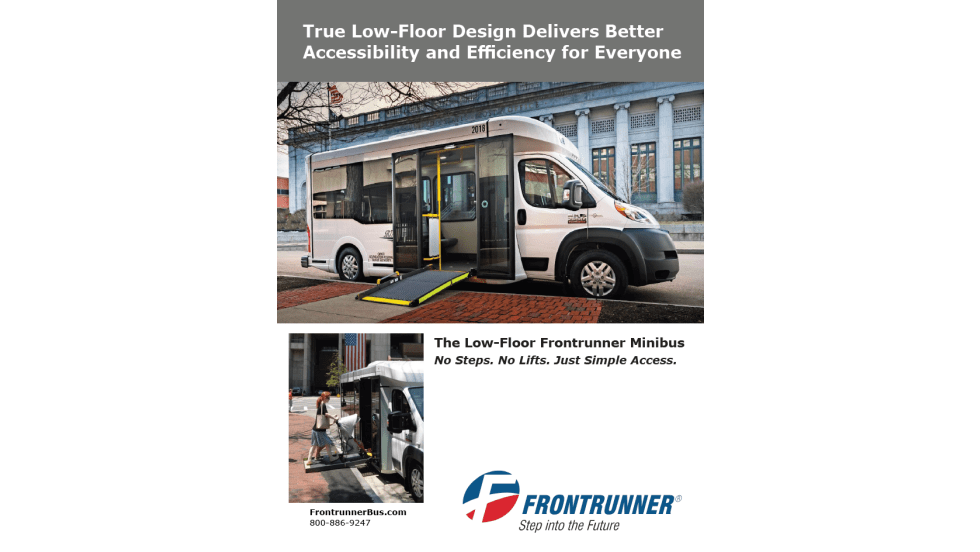
A True Low-Floor Minibus Design Delivers Better Accessibility and Efficiency for Everyone
As transit demands evolve, so should your fleet. Download the whitepaper to see how the Low-Floor Frontrunner Minibus compares to traditional options.
Read More →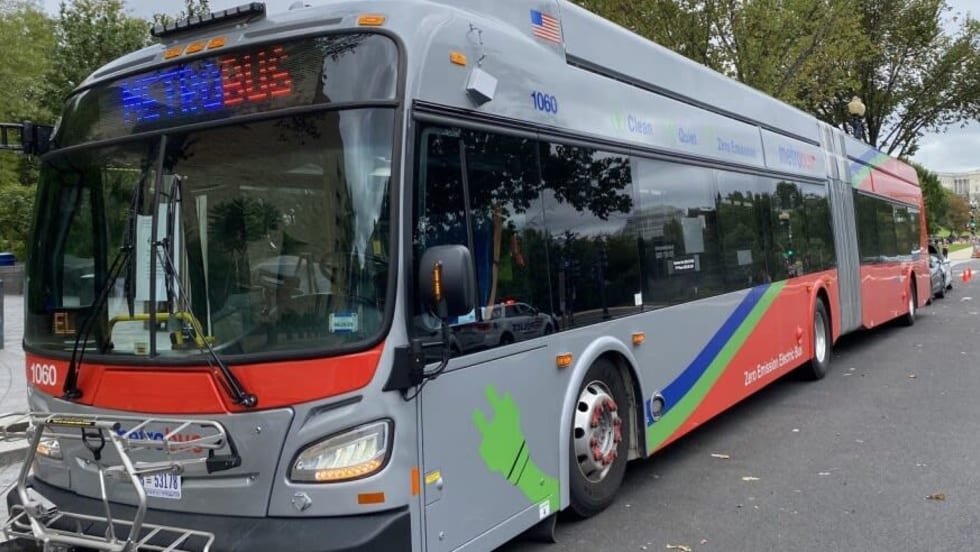
WMATA Debuts 'Fares Pay for Service' Awareness Campaign
The campaign was highlighted during a media event at the Paul S. Sarbanes Transit Center in Silver Spring, where WMATA’s GM/CEO Randy Clarke joined Metro Transit Police officers, WMATA management team, board members, and staff to expand fare enforcement and customer education efforts on Metro Bus routes throughout the region.
Read More →