



Report: Smart tech can improve transportation across the board
The new report was released in conjunction with the IBM Smarter Transportation Virtual Forum, which brought together experts from across the public sector, private industry and academia to discuss urban mobility and the growing need for technology solutions to the nation's transportation, economic and environmental challenges.

A new report, "Smart Mobility for a 21st Century America," shows why improving efficiency through technology is critical as U.S. population grows and ages, budgets tighten and consumer preferences shift. The report was co-authored by Transportation for America, the Intelligent Transportation Society of America (ITS America), the Association for Commuter Transportation (ACT) and the University of Michigan SMART Initiative.
With President Obama's support for a $50 billion down payment for infrastructure and the real prospect that Congress will move forward on a comprehensive, multi-year transportation bill in the upcoming session, the paper makes the case for investing in technology and innovation to help solve the nation's most critical transportation problems.
The new report was released in conjunction with the IBM Smarter Transportation Virtual Forum, which brought together experts from across the public sector, private industry and academia to discuss urban mobility and the growing need for technology solutions to the nation's transportation, economic and environmental challenges.
"We have a unique opportunity to shape the direction of transportation policy for years to come, which is why this report is so important," said Transportation for America Director James Corless. "We can harness technology and tap America's creative potential to get a better bang for our buck and ensure the transportation options Americans rely on are available and affordable in the coming decades."
While improvements to vehicles and cleaner fuels are the most talked-about technological innovations, many smart technologies are being deployed to improve system efficiency and reduce travel delays, provide more convenient access to transportation alternatives, and even customize routes based on real-time traffic conditions and individual travel preferences. The paper groups these innovations into five categories:
Making transportation systems more efficient and cost-effective.
Providing more travel options and multimodal connectivity.
Providing travelers with real-time, accurate transportation system information.
Making pricing and payments more convenient and efficient.
Avoiding unnecessary trips and time wasted in traffic.
The report contains a series of case studies that demonstrate how these technologies have already been applied to real-world transportation challenges and offers policy recommendations as Congress and the Obama Administration consider a comprehensive transportation bill. These include providing incentives and dedicated funding for states and regions to adopt smart technology solutions to make system more efficient, offering competitive grants to stimulate innovation, and having the federal government play a role in disseminating the latest research and best practices.
More Bus
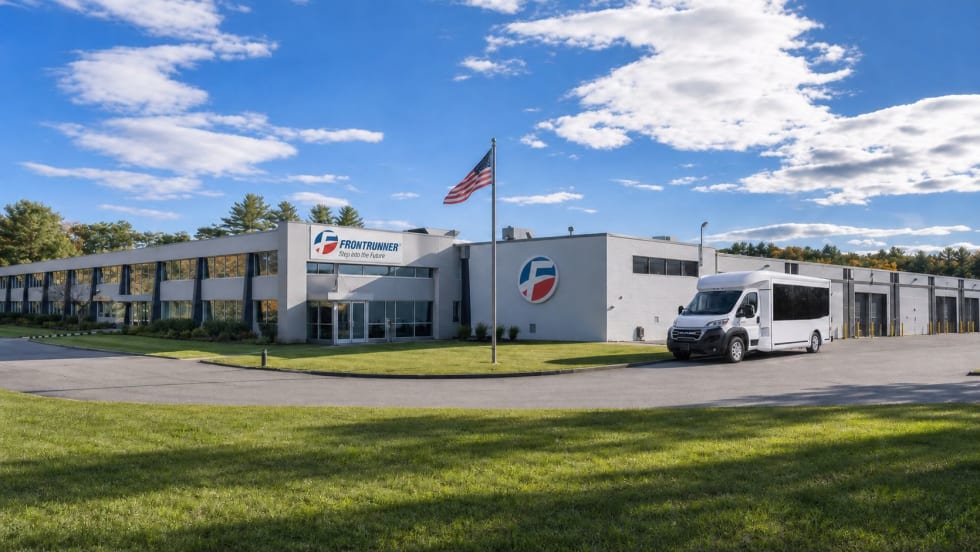
Frontrunner Bus Group Expands with New Massachusetts Headquarters
The significantly larger facility will provide the infrastructure needed to support the company’s growing workforce, advanced technologies, and expanding product line.
Read More →
Joshua Schank on Transportation Innovation, Risk, and the Future of Mobility
In this edition of METROspectives, Joshua Schank discusses lessons from launching LA Metro’s Office of Extraordinary Innovation, the challenges of advancing new mobility technologies, and much more.
Read More →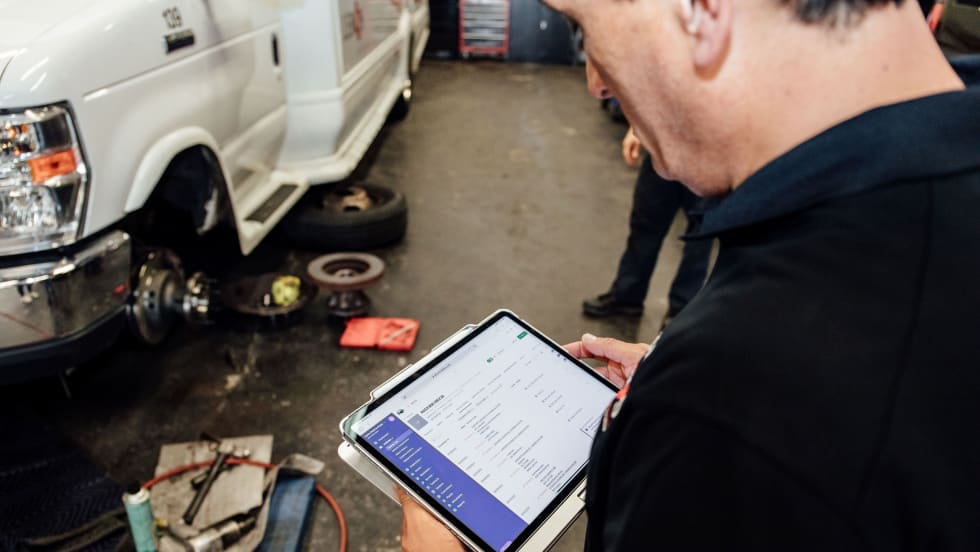
Reinventing Fleet Maintenance with Real-time Visibility and AI
Transit leaders need to know what needs fixing, where to look, who is responsible, when work is completed, and what it costs without having to chase information across disconnected systems.
Read More →
SamTrans Sets Priorities for Potential Connect Bay Area Revenue
The board-approved framework allocates future funding to maintaining service, rider improvements, equity initiatives, and infrastructure repairs.
Read More →
When Routine Fails: How Public Transit Must Adapt for the World Cup
The 2026 FIFA World Cup will test transit agencies’ ability to manage unpredictable travel patterns, making real-time data and operational flexibility critical to moving millions of visitors efficiently.
Read More →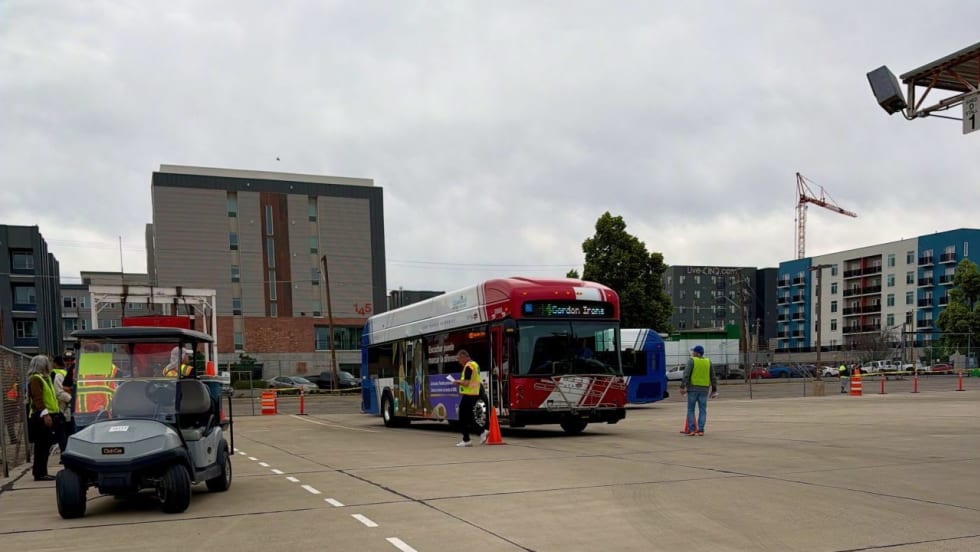
Photo Highlights from APTA's 2026 Mobility Conference
The photo gallery captures scenes from the conference, including the International Bus Roadeo, exhibit hall activities, the Bus Showcase, and much more.
Read More →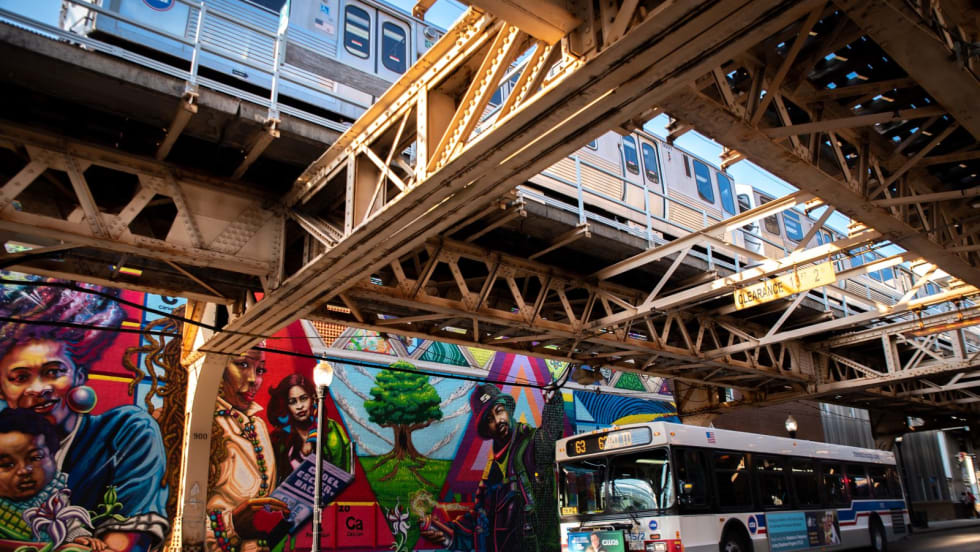
Chicago's NITA Act Moves Into Next Phase as Service Improvements Begin
Rider-focused improvements will begin rolling out across the system immediately as CTA, Metra, and Pace increase service this summer in the six-county region.
Read More →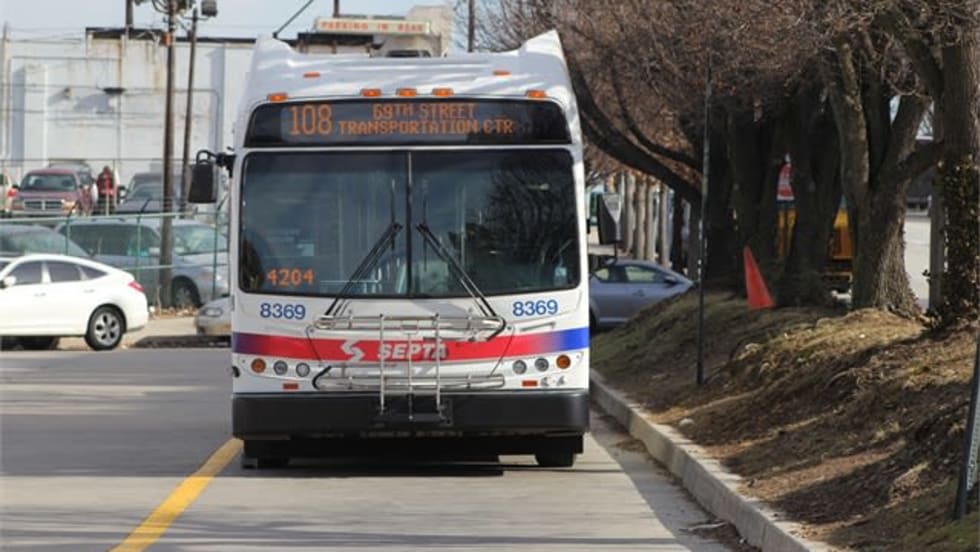
Philadelphia's SEPTA Approves Annual Transit Service Plan
Between 2021 and 2024, SEPTA held more than 200 public meetings — including 144 in-person sessions — throughout the SEPTA service region.
Read More →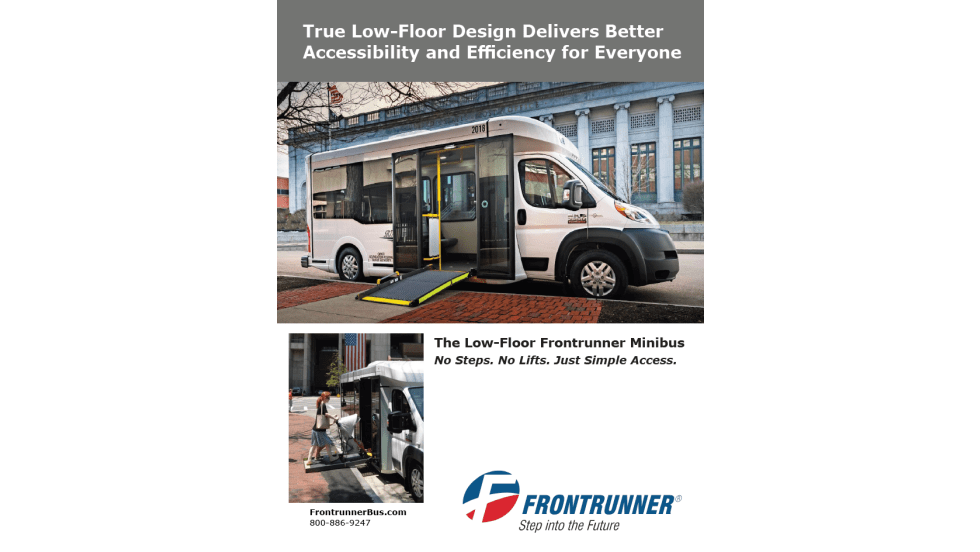
A True Low-Floor Minibus Design Delivers Better Accessibility and Efficiency for Everyone
As transit demands evolve, so should your fleet. Download the whitepaper to see how the Low-Floor Frontrunner Minibus compares to traditional options.
Read More →
WMATA Debuts 'Fares Pay for Service' Awareness Campaign
The campaign was highlighted during a media event at the Paul S. Sarbanes Transit Center in Silver Spring, where WMATA’s GM/CEO Randy Clarke joined Metro Transit Police officers, WMATA management team, board members, and staff to expand fare enforcement and customer education efforts on Metro Bus routes throughout the region.
Read More →