



Survey: Americans view transit as better option than driving
Higher gas prices and convenience are the biggest factors when making public transit decisions, according to HNTB's latest America THINKS survey.

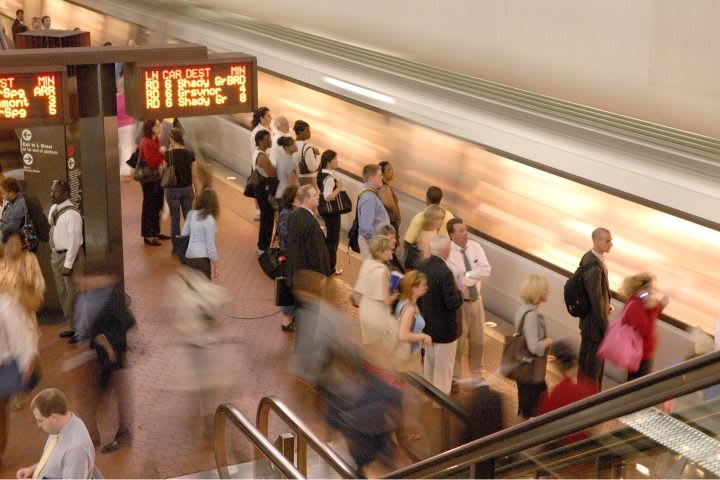
Approximately 1 in 4 respondents think the most valuable feature of public transportation is that it reduces traffic congestion (28 percent), or saves users money (24 percent), while about 1 in 7 (13 percent) say it’s most valuable feature is the environmental benefit. WMATA photograph by Larry Levine.
[IMAGE]WMATA-subway-crowd-full-2.jpg[/IMAGE]Nearly nine in 10 (87 percent) Americans who have access to public transportation where they work or live take advantage of it, according to a new survey conducted by HNTB Corp. In addition, almost seven in 10 (69 percent) Americans feel there are many times when public transit is a better option than driving, and nearly three in ten of them choose higher gas prices (29 percent) and convenience (29 percent) as the biggest motivators for riding public transportation.
The new HNTB America THINKS transit survey, takes a look at public transportation and what Americans think about using, improving and paying for it.
“Whether it’s buses, commuter trains, light rail or streetcars, public transportation is an essential element for our communities,” said Elizabeth Rao, chair, public transit services, for HNTB. “People like transit and successful cities deliver it.”
Approximately one in 4 respondents think the most valuable feature of public transportation is that it reduces traffic congestion (28 percent), or saves users money (24 percent), while about one in seven (13 percent) say it’s most valuable feature is the environmental benefit.
“Healthy transportation infrastructure is economically and environmentally sound. It spurs job creation, stimulates the economy, reduces dependence on foreign oil and enhances quality of life,” said Rao. “Unfortunately decades of underinvestment have taken their toll.”
The nation’s largest public transit agencies face an $80 billion maintenance backlog just to bring their rail systems to a state of good repair. Within the next six years, almost every transit vehicle (55,000 vehicles) in rural America will need to be replaced.
Even amid budget and service cutbacks due to the recession, 68 percent of Americans say the overall quality of public transportation in their area has stayed the same or improved during the last five years. Among respondents with public transportation in their area, 58 percent say it has stayed about the same, while 25 percent think it has improved.
Fortunately, transit is entering something of a “golden age” of funding in America. The Obama administration has set aside more money for transit development than any other time in the past 20 years, including Transportation Investment Generating Economic Recovery, sustainability and planning grants — literally hundreds of millions of dollars waiting to be awarded. Rao said the problem is that those federal monies require a local match, and many cities, already forced to cut basic services, don’t have the revenue to ante up their share.
While using existing taxes is the most popular method of funding better public transportation, the survey showed millions also are willing to pay a little more for a convenient ride.
“Economically viable cities will make transit a priority because they realize they can generate multiple, positive economic outcomes with a single investment,” said Rao. “There has never been a better time for cities to build, improve or expand their public transit systems.”
Nearly half (46 percent) of Americans think local, state and federal governments don’t spend enough money on public transportation in their area. Almost three in 10 (28 percent) think these governments should rely on a greater share of gas tax to help fund improved public transportation options. Approximately two in 10 think private investors (21 percent) or local sales taxes (20 percent) should be the primary source of public transit funding. Just one in 10 (10 percent) think property taxes are the answer.
More Bus

Brian Dickson on Building Stronger, More Resilient Transportation Organizations
Bus Business Consultants Founder Brian Dickson discusses the leadership principles, operational discipline, and strategic planning that separate transportation companies positioned for long-term success from those stuck in survival mode.
Read More →
LA Metro Breaks Ground on Vermont BRT Project
The 12.4-mile corridor is projected to serve 66,200 daily riders, reduce travel times by up to 24%, and create the nation's busiest bus rapid transit corridor.
Read More →
Roman Cornell on ABC Companies’ Evolution and the Future of Passenger Transportation
The company’s CEO discusses carrying forward a third-generation family legacy, ABC’s continued evolution in passenger transportation, support for increasingly complex fleets, and how technology and continued investment could help operators improve uptime.
Read More →
VIA Bus Ridership Grows 10.1% Through August 2026
San Antonio's VIA Metropolitan Transit reported the highest bus ridership growth among major Texas transit systems. Federal Transit Administration data ranked it second among the nation's 50 largest transit systems.
Read More →
LA Metro September Ridership Climbs 3.9%, Led by Rail Growth
The agency recorded more than 27.2 million boardings, with rail ridership increasing 12.4% year over year and the D Line posting the largest gains.
Read More →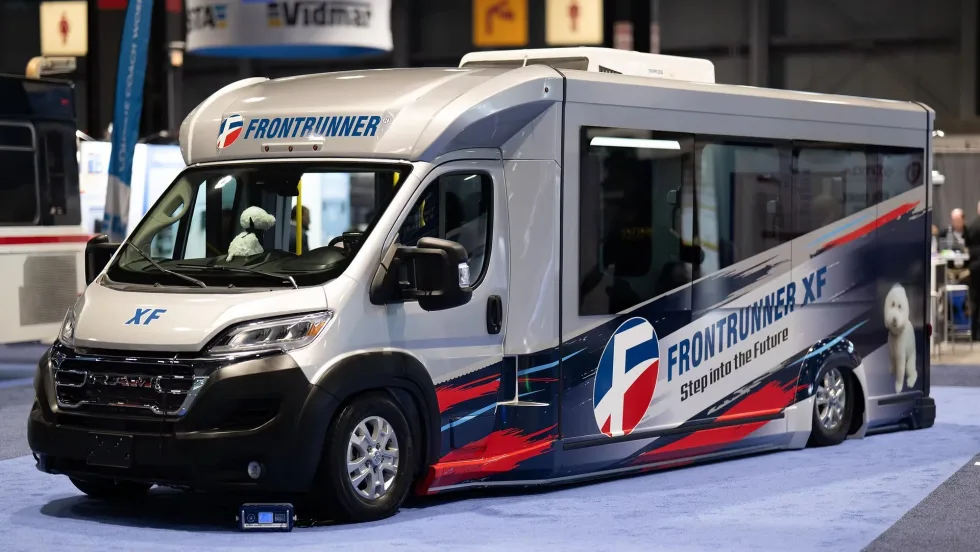
Frontrunner Bus Group Introduces XF Low-Floor Bus with Enhanced Accessibility
The new mid-sized bus features a full flat-floor design, eight-inch curbside step-in height, and zero-entry rear ramp to improve passenger access and operational flexibility.
Read More →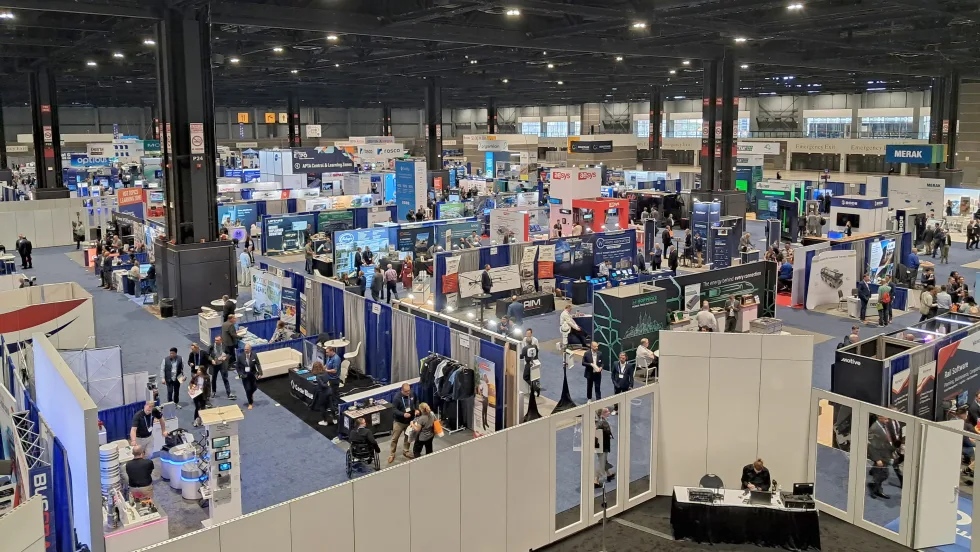
Scenes from APTA TRANSform & EXPO 2026
Transit leaders, manufacturers, and industry professionals gathered in Chicago to explore new technologies, share ideas, and discuss the future of public transportation.
Read More →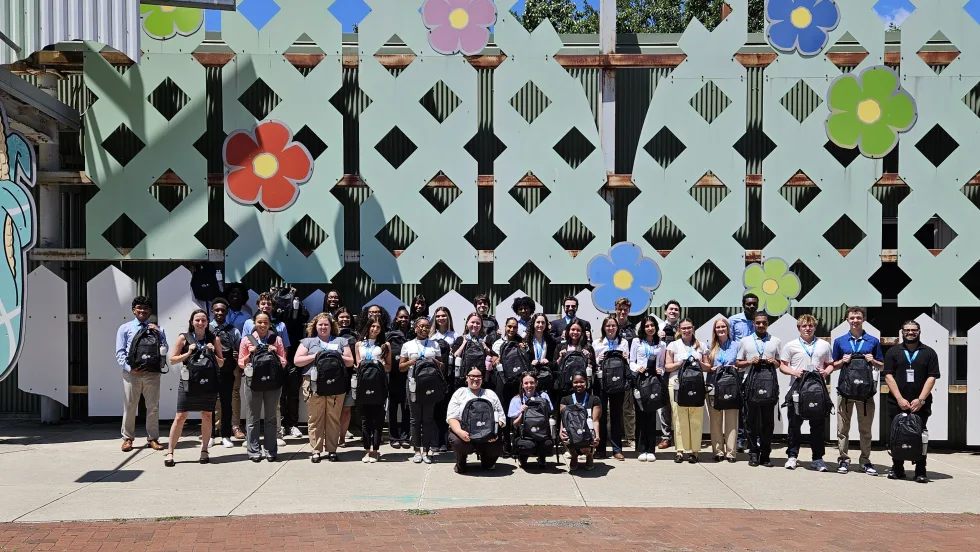
More Than a Summer Job: Building the Next Generation of Transit Talent
The Delaware River Port Authority and PATCO have transformed their internship program into a hands-on professional development experience that introduces students to the breadth of transportation careers — and creates a pipeline for future employees.
Read More →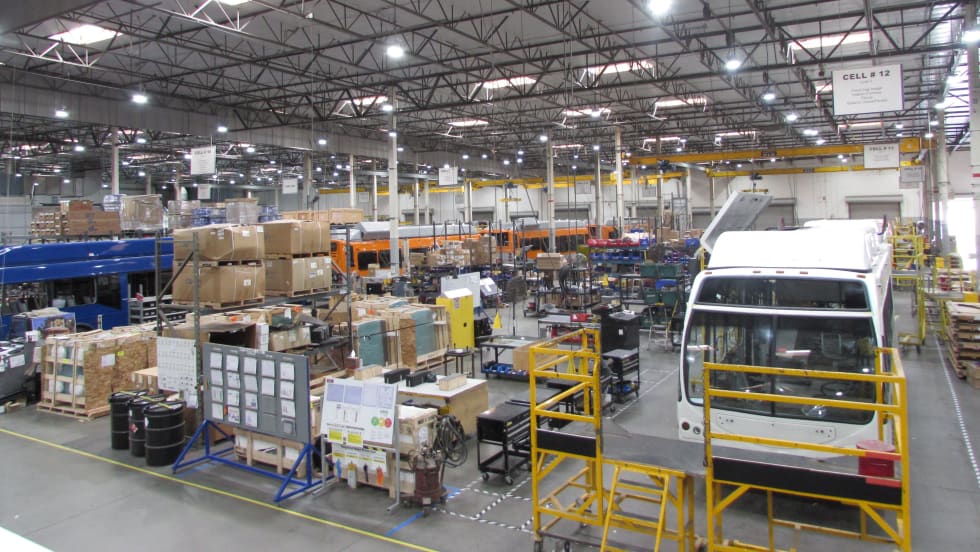
LA Metro Board Awards 220 Battery-Electric Bus Contract to ENC
The contract, which is the largest base award of battery-electric buses by a U.S. transit agency, will be built in Southern California, sustaining good jobs as LA prepares to welcome the world in 2028
Read More →
Public Transit Conference Returning to GFX in 2027, Call for Papers Now Open
The Call for Papers is now open, allowing transit agency professionals and industry experts to help shape the PTC educational program by submitting session ideas for consideration.
Read More →