



U.S. DOT announces $600M in TIGER II grants
Forty-two capital construction projects and 33 planning projects in 40 states were awarded funding. Nearly 1,000 construction grant applications for more than $19 billion were submitted from all 50 states, U.S. territories and the District of Columbia.

Forty-two capital construction projects and 33 planning projects in 40 states will share nearly $600 million from the U.S. Department of Transportation’s (U.S. DOT) TIGER II program for major infrastructure projects ranging from highways and bridges to transit, rail and ports, Secretary Ray LaHood announced on Wednesday.
Transportation Investment Generating Economic Recovery (TIGER) II received nearly 1,000 construction grant applications for more than $19 billion from all 50 states, U.S. territories and the District of Columbia.
The tremendous demand for TIGER II project dollars follows a similar demand for TIGER I project dollars. On February 17, 2009, the U.S. DOT announced 51 grant awards from nearly 1,500 applications for TIGER I grants nationwide. The TIGER I requests were for almost $60 billion worth of projects, 40 times the $1.5 billion available under that program. TIGER I dollars were made available under the American Recovery and Reinvestment Act of 2009.
“These are innovative, 21st century projects that will change the U.S. transportation landscape by strengthening the economy and creating jobs, reducing gridlock and providing safe, affordable and environmentally sustainable transportation choices,” said Sec. LaHood. “Many of these projects could not have been funded without this program.”
Roughly 29 percent of TIGER II money goes for road projects, 26 percent for transit, 20 percent for rail projects, 16 percent for ports, four percent for bicycle and pedestrian projects and five percent for planning projects.
An example of projects funded is $47.6 million to the City of Atlanta to construct a new streetcar line connecting many of the most important downtown residential, cultural, educational and historic centers.
TIGER II also provided $20 million to the New Hampshire Department of Transportation to replace the deteriorating Memorial Bridge that connects Portsmouth, N.H. with Kittery, Maine. The bridge is at the end of its service life and has a bridge sufficiency rating of six out of 100. Safety concerns recently required a maximum three-ton weight restriction on the bridge, causing all truck traffic to be detoured.
In addition, TIGER II funds are being used to support a $546 million Transportation Infrastructure Finance and Innovation Act (TIFIA) loan for the Los Angeles County Metropolitan Transportation Authority to build the Crenshaw/LAX Light Rail Line, a key piece of Mayor Antonio Villaraigosa’s 30/10 initiative to construct 12 major transit projects in 10 years rather than 30.
Under TIGER II, more than $140 million is reserved for projects in rural areas.
As a competitive program, TIGER II is able to fund the best projects from around the country. Using merit-based evaluation criteria allows the U.S. DOT to address some of the nation’s most critical challenges, such as sustainability and economic competitiveness.
This marks the first time that the U.S. Departments of Transportation and Housing and Urban Development (HUD) have joined together in awarding grants for localized planning activities that ultimately lead to projects that integrate transportation, housing and urban development. Almost 700 applicants sought up to $35 million in TIGER II planning grants and up to $40 million in HUD Sustainable Community Challenge Grants. HUD’s funds can be used for localized planning efforts, such as development around a transit stop and zone or building code updates and improvements. The two Departments, along with assistance from the Environmental Protection Agency and the U.S. Department of Agriculture, participated in the evaluation of the planning grant applications.
To ensure the important investments made by the Recovery Act continue, President Obama recently announced a comprehensive infrastructure investment plan that would be front-loaded with $50 billion to expand and renew America’s roads, railways and runways. To learn more about President Obama’s infrastructure investment plan, click here.
TIGER II grants were awarded to projects that have a significant impact on the nation, a region or metropolitan area. The projects chosen demonstrate their ability to contribute to the long-term economic competitiveness of the nation, improve the condition of existing transportation facilities and systems, increase energy efficiency and reducing greenhouse gas emissions, improve the safety of U.S. transportation facilities and/or enhance the quality of living and working environments of communities through increased transportation choices and connections. The U.S. DOT also gave priority to projects that are expected to create and preserve jobs quickly and stimulate rapid increases in economic activity.
A complete list of capital grant recipients can be viewed here.
A complete list of planning grant recipients can be viewed here.
More Bus
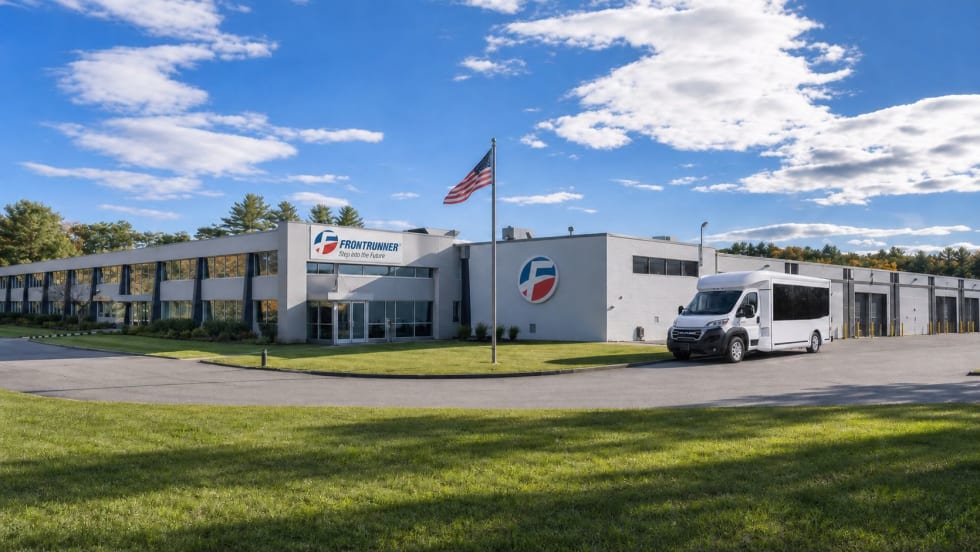
Frontrunner Bus Group Expands with New Massachusetts Headquarters
The significantly larger facility will provide the infrastructure needed to support the company’s growing workforce, advanced technologies, and expanding product line.
Read More →
Joshua Schank on Transportation Innovation, Risk, and the Future of Mobility
In this edition of METROspectives, Joshua Schank discusses lessons from launching LA Metro’s Office of Extraordinary Innovation, the challenges of advancing new mobility technologies, and much more.
Read More →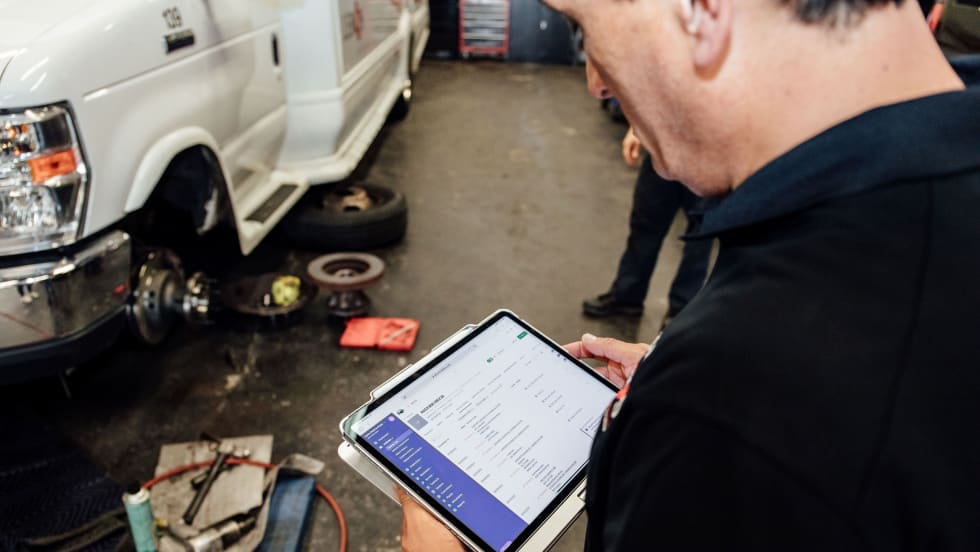
Reinventing Fleet Maintenance with Real-time Visibility and AI
Transit leaders need to know what needs fixing, where to look, who is responsible, when work is completed, and what it costs without having to chase information across disconnected systems.
Read More →
SamTrans Sets Priorities for Potential Connect Bay Area Revenue
The board-approved framework allocates future funding to maintaining service, rider improvements, equity initiatives, and infrastructure repairs.
Read More →
When Routine Fails: How Public Transit Must Adapt for the World Cup
The 2026 FIFA World Cup will test transit agencies’ ability to manage unpredictable travel patterns, making real-time data and operational flexibility critical to moving millions of visitors efficiently.
Read More →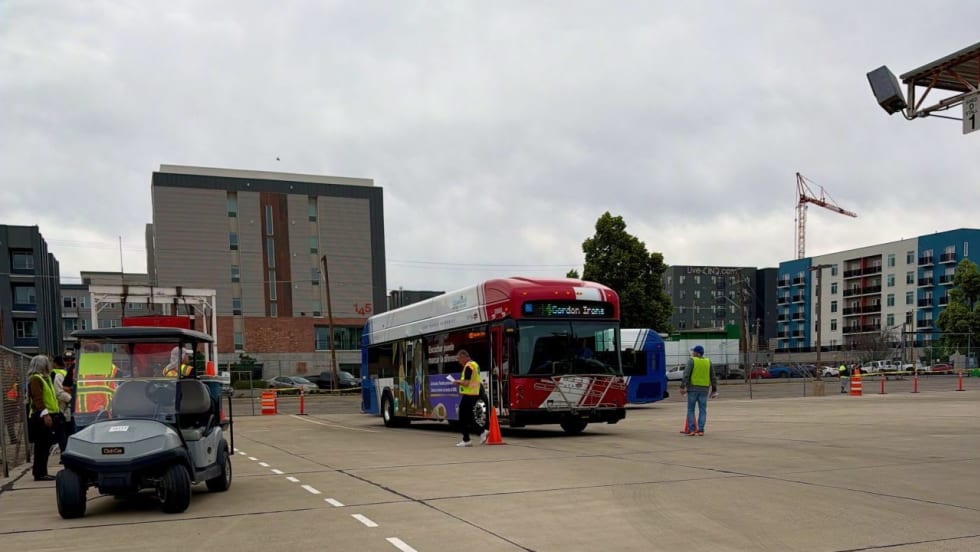
Photo Highlights from APTA's 2026 Mobility Conference
The photo gallery captures scenes from the conference, including the International Bus Roadeo, exhibit hall activities, the Bus Showcase, and much more.
Read More →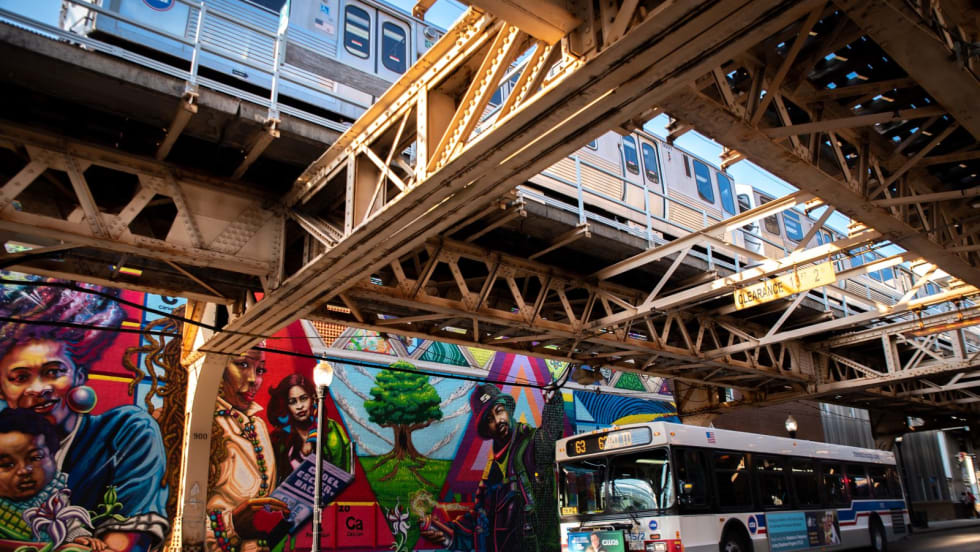
Chicago's NITA Act Moves Into Next Phase as Service Improvements Begin
Rider-focused improvements will begin rolling out across the system immediately as CTA, Metra, and Pace increase service this summer in the six-county region.
Read More →
Philadelphia's SEPTA Approves Annual Transit Service Plan
Between 2021 and 2024, SEPTA held more than 200 public meetings — including 144 in-person sessions — throughout the SEPTA service region.
Read More →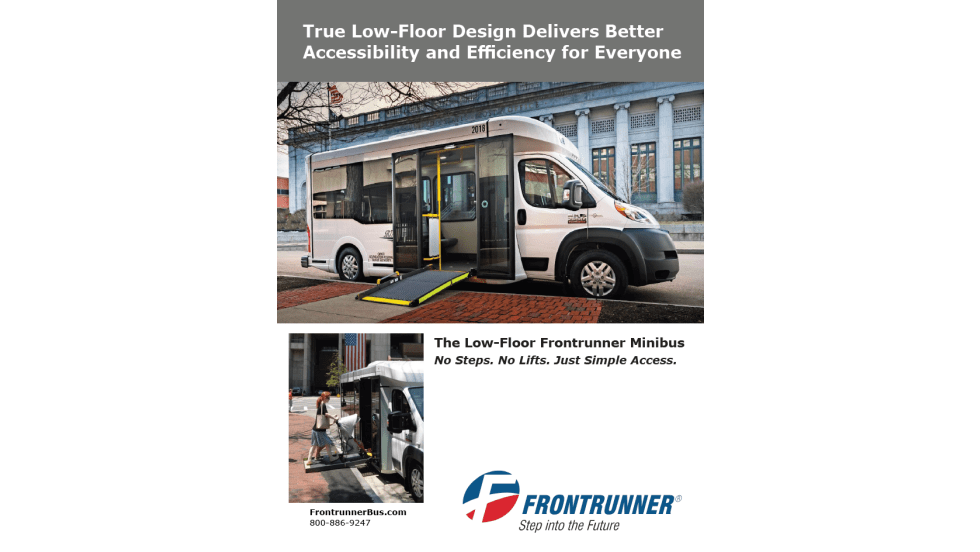
A True Low-Floor Minibus Design Delivers Better Accessibility and Efficiency for Everyone
As transit demands evolve, so should your fleet. Download the whitepaper to see how the Low-Floor Frontrunner Minibus compares to traditional options.
Read More →
WMATA Debuts 'Fares Pay for Service' Awareness Campaign
The campaign was highlighted during a media event at the Paul S. Sarbanes Transit Center in Silver Spring, where WMATA’s GM/CEO Randy Clarke joined Metro Transit Police officers, WMATA management team, board members, and staff to expand fare enforcement and customer education efforts on Metro Bus routes throughout the region.
Read More →