



ABA to Congress: Boost intercity bus’ role in transportation policies
The Association is conveying the message that intercity buses can be routed to meet unexpected or emergency traveler demand at a moment’s notice, and are tailored for the role of connecting to planes, trains and intra-city transit buses or light commuter rail.

On Thursday, the American Bus Association (ABA) urged the U.S. government to pursue transportation policies boosting the role of intercity buses as the solution that saves money, provides hassle-free travel, fills in gaps by connecting to other travel modes, offers mobility to millions of rural citizens residing far from air and rail hubs, and which are redeployable to anywhere that’s paved.
“Buses are here today and readily available as the simple solution that saves money,” said ABA President/CEO Peter Pantuso. “Motorcoach ridership has soared to 762 million passenger trips annually. Private intercity buses account for more passenger trips than the domestic airlines in most years, and we move more people in two weeks than Amtrak does all year.”
ABA is already at work to convey to the 80-plus new members of Congress, as well as those who haven’t been aboard a modern motorcoach recently, the messages that intercity buses can be routed to meet unexpected or emergency traveler demand at a moment’s notice, and are tailored for the role of connecting to planes, trains and intra-city transit buses or light commuter rail.
The much-touted idea of spending on new high-speed rail (HSR) service, conversely, is cost prohibitive given the billions of tax dollars it would require to buy the rights of way, lay the tracks, and subsidize the operational costs it would demand if and when it’s ever built, according to the ABA.
The ABA added that projections for the cost of tracks needed for HSR in the Northeast corridor estimate a price tag topping $1 billion — and that’s in addition to the $1.2 billion Amtrak already receives from the federal government. Another study projects the suggested Milwaukee-Minneapolis HSR corridor will require millions in subsidies just to maintain service after its future completion.
Several private bus lines compete successfully in the market for travelers within the Northeast corridor of the U.S. between Boston and Washington, D.C. — at a fraction of the price of an Amtrak ticket, and with times that compare favorably with rail, air and personal autos. Additionally, each motorcoach takes up to 55 single-occupant autos off of congested highways, mitigating congestion, reducing emissions and saving fuel, which bolsters U.S. energy security.
Motorcoaches are also the greenest way to travel, according to an independent study by The Union of Concerned Scientists, “Getting There Greener,” in which they urge motorcoach travel.
“Buses beat high-speed rail in affordability, flexibility, and mobility,” Pantuso added. “ABA looks forward to carrying these messages to the new Congress as elected officials seek policies that save money and benefit society. Buses do both. The transportation future can be less expensive, cheaper, more efficient and cleaner than ever. And that future is not far away. It’s actually here today. It’s called the bus. And America is riding on us.”
More Motorcoach
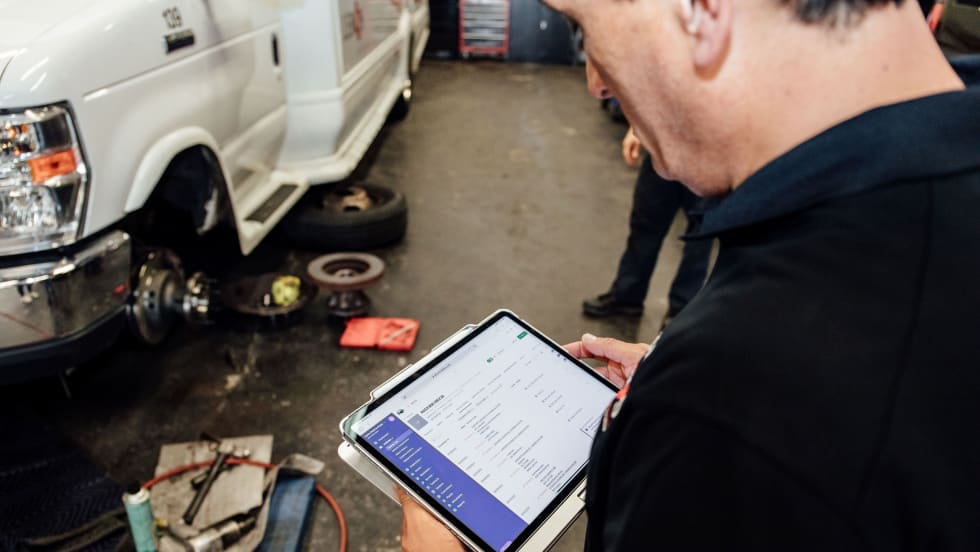
Reinventing Fleet Maintenance with Real-time Visibility and AI
Transit leaders need to know what needs fixing, where to look, who is responsible, when work is completed, and what it costs without having to chase information across disconnected systems.
Read More →
ABA's Ferguson Testifies in Support of BUS Act, National Standards for Bus Operators
The BUSES Act would create a nationwide framework preventing state and local governments from enforcing bus idling restrictions of less than 15 minutes, a threshold consistent with existing Environmental Protection Agency guidance.
Read More →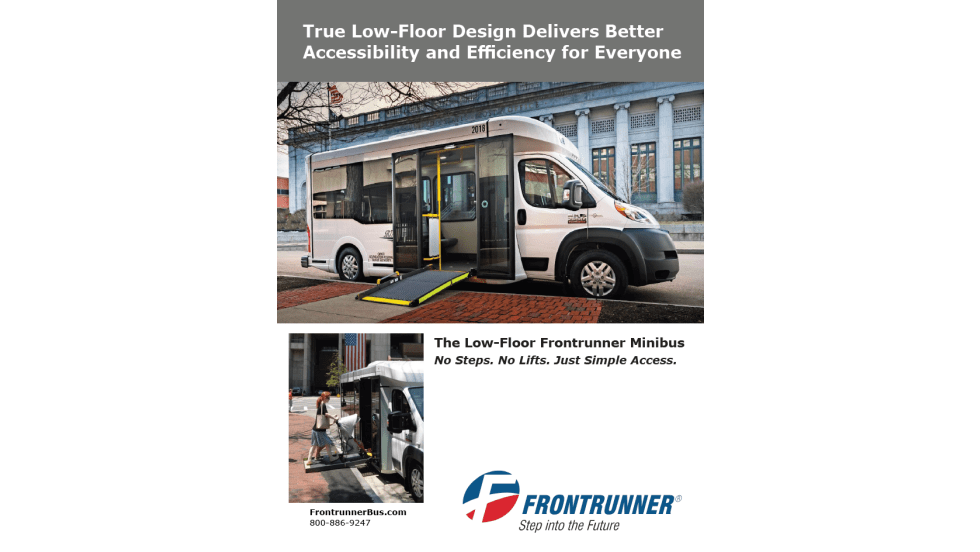
A True Low-Floor Minibus Design Delivers Better Accessibility and Efficiency for Everyone
As transit demands evolve, so should your fleet. Download the whitepaper to see how the Low-Floor Frontrunner Minibus compares to traditional options.
Read More →
2026 METRO Buyer’s Guide & Directory
Searching for the right vehicles, technology, equipment, or services for your public transit or motorcoach operation? This industry guide brings together manufacturers and suppliers from across the transportation market — all in one place. Download it to connect with the companies that help agencies and operators improve mobility, enhance operations, and move their organizations forward.
Read More →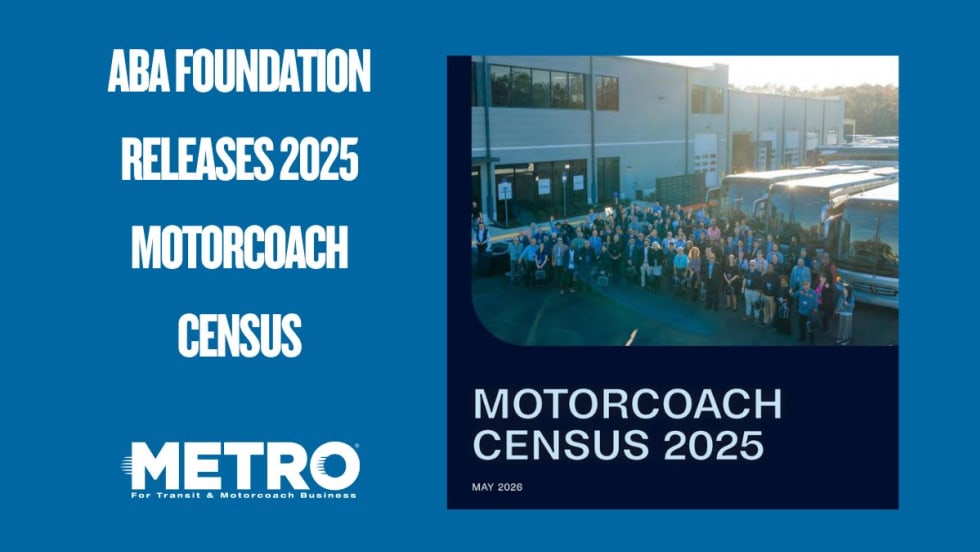
ABA Foundation’s 2025 Motorcoach Census Highlights Industry Growth, 77K Jobs
Conducted annually by Tourism Economics, the study found that 1,769 companies operating 49,543 motorcoaches are based in the US, while 122 companies operating 1,425 motorcoaches are located in Canada.
Read More →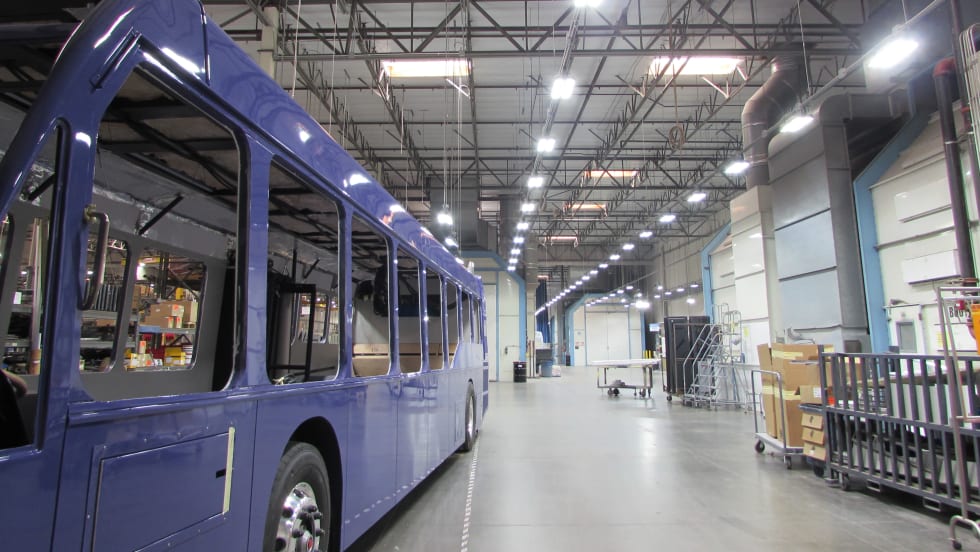
ENC Lands Additional 10-Bus Order From Academy Bus
The latest purchase brings Academy Bus’ AXESS fleet orders to 35 vehicles as ENC continues expanding its heavy-duty transit lineup.
Read More →
American Bus Association Files Lawsuit Against NYC Over Bus Idling Rules
The lawsuit, filed in the U.S. District Court for the Southern District of New York, challenges the City’s use of its Citizens Air Complaint program.
Read More →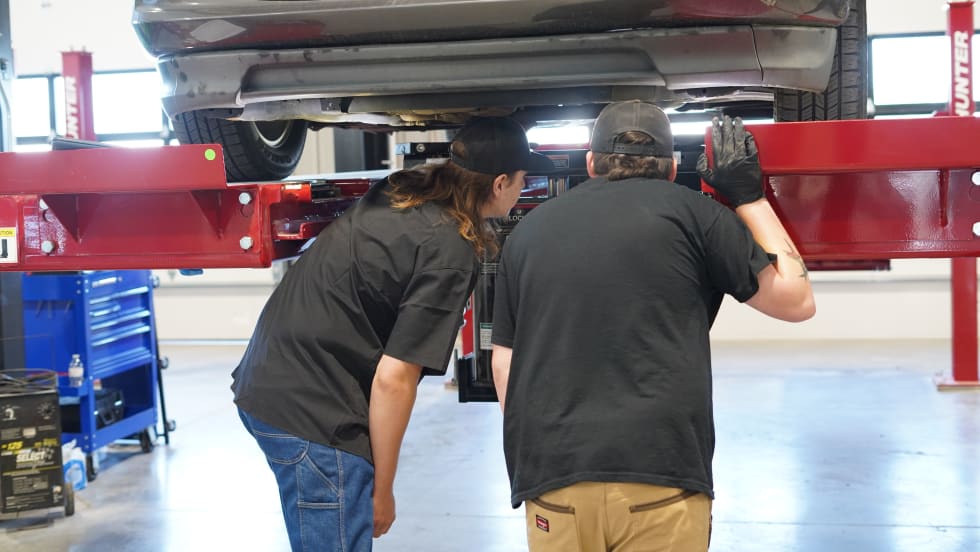
Avoiding Mid-Season Breakdowns: A Fleet Readiness Q&A
John Hatman, COO of Master’s Transportation, breaks down the priorities, warning signs and common mistakes fleet managers should address now to stay ahead of summer demand.
Read More →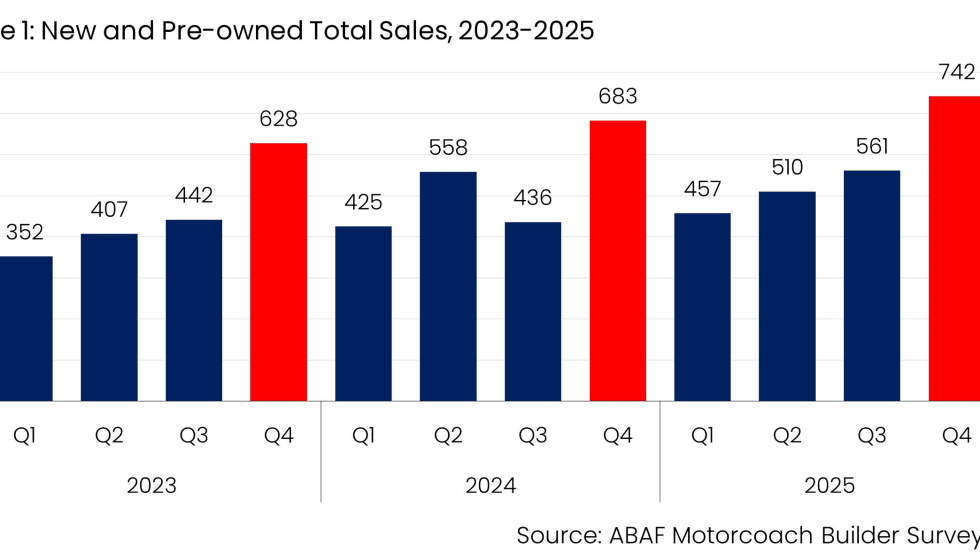
ABA Report: Motorcoach Sales Tick Up in Q1 2026 as Market Stabilizes
The Foundation produces the report each quarter, using data collected from surveys of major motorcoach manufacturers that sell vehicles in the US and Canada.
Read More →
How the Motorcoach Industry Supports Disaster Response and National Preparedness
Fred Ferguson, president and CEO of the American Bus Association (ABA), discussed how the industry prepares for emergencies, the growing recognition of motorcoaches as critical infrastructure, and steps operators can take to strengthen disaster readiness.
Read More →