



Feds propose new rear visibility regs
The proposal, issued by the NHTSA, would expand the required field of view for all passenger cars, pickup trucks, minivans, buses and low-speed vehicles with a gross vehicle weight rating of up to 10,000 pounds, so that drivers can see directly behind the vehicle when the vehicle's transmission is in reverse.

On Friday, the U.S. Department of Transportation proposed a new safety regulation to help eliminate blind zones behind vehicles that can hide the presence of pedestrians, especially young children and the elderly.
The proposed rule was required by Congress as part of the Cameron Gulbransen Kids Transportation Safety Act of 2007. Two-year old Cameron Gulbransen, for whom the Act is named, was killed when his father accidentally backed over him in the family's driveway.
The proposal, issued by the National Highway Traffic Safety Administration (NHTSA), would expand the required field of view for all passenger cars, pickup trucks, minivans, buses and low-speed vehicles with a gross vehicle weight rating of up to 10,000 pounds, so that drivers can see directly behind the vehicle when the vehicle's transmission is in reverse.
NHTSA believes automobile manufacturers will install rear-mounted video cameras and in-vehicle displays to meet the proposed standards. To meet the requirements of the proposed rule, 10 percent of new vehicles must comply by September 2012, 40 percent by September 2013 and 100 percent by September 2014.
NHTSA is providing a 60-day comment period on this rulemaking that begins when the proposal is published in the Federal Register.
More Paratransit
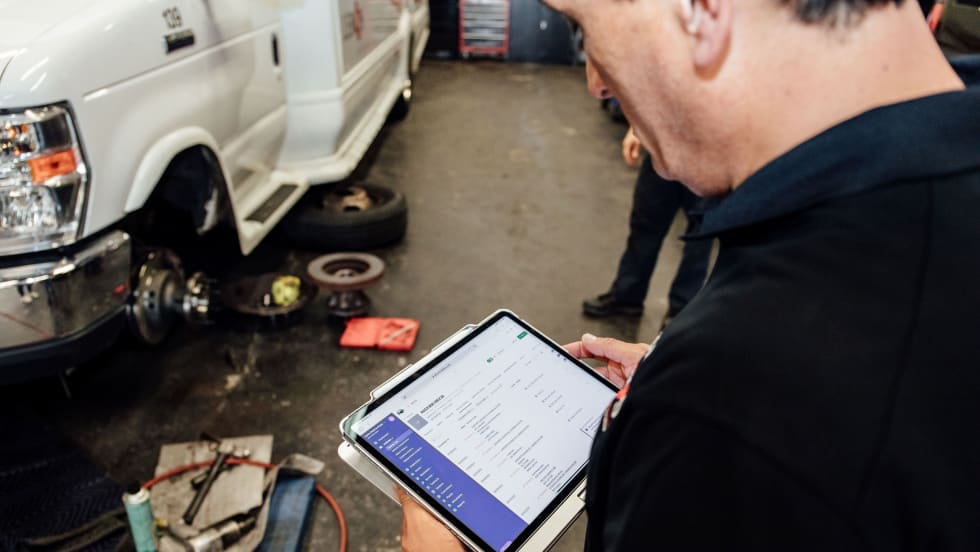
Reinventing Fleet Maintenance with Real-time Visibility and AI
Transit leaders need to know what needs fixing, where to look, who is responsible, when work is completed, and what it costs without having to chase information across disconnected systems.
Read More →
SamTrans Sets Priorities for Potential Connect Bay Area Revenue
The board-approved framework allocates future funding to maintaining service, rider improvements, equity initiatives, and infrastructure repairs.
Read More →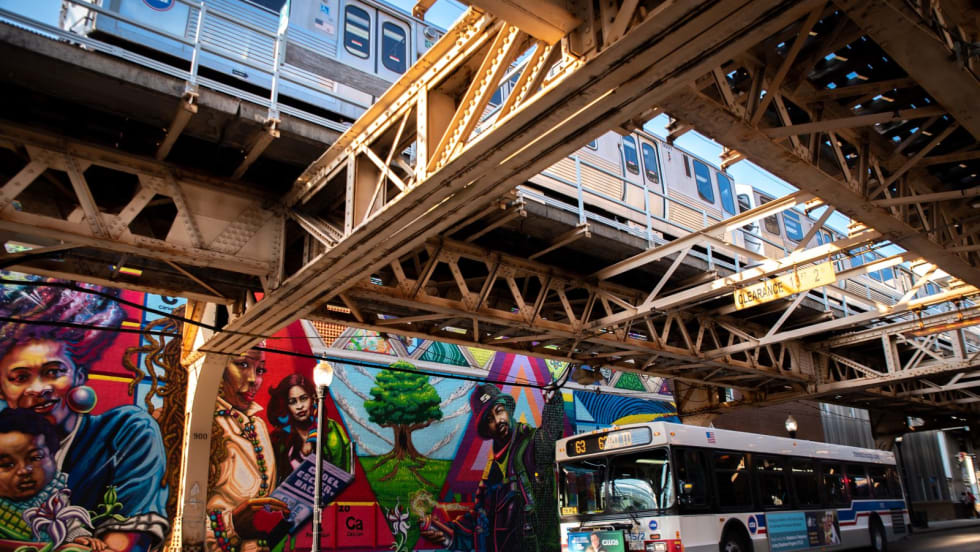
Chicago's NITA Act Moves Into Next Phase as Service Improvements Begin
Rider-focused improvements will begin rolling out across the system immediately as CTA, Metra, and Pace increase service this summer in the six-county region.
Read More →
A True Low-Floor Minibus Design Delivers Better Accessibility and Efficiency for Everyone
As transit demands evolve, so should your fleet. Download the whitepaper to see how the Low-Floor Frontrunner Minibus compares to traditional options.
Read More →
2026 METRO Buyer’s Guide & Directory
Searching for the right vehicles, technology, equipment, or services for your public transit or motorcoach operation? This industry guide brings together manufacturers and suppliers from across the transportation market — all in one place. Download it to connect with the companies that help agencies and operators improve mobility, enhance operations, and move their organizations forward.
Read More →
Rays the Mark Foundation to Honor CDTA’s Emily DeVito at October Fundraiser
Event at Chicago-area Ravisloe Country Club will support DeVito, a transit employee and mother of twins battling kidney failure and awaiting a transplant.
Read More →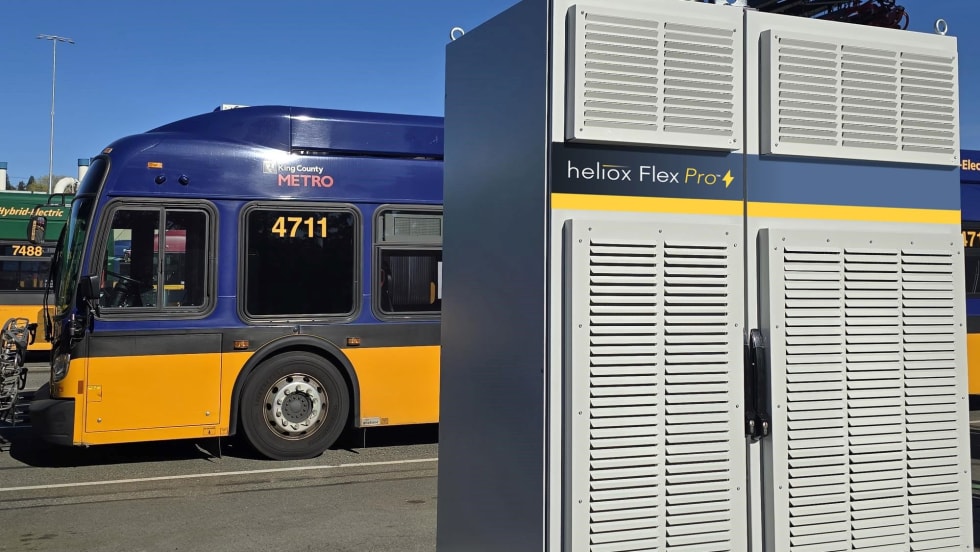
King County Test Heliox Chargers, Keolis Lands California Contract Top Biz Briefs
Stay informed with these quick takes on the projects and companies driving progress across the transportation landscape.
Read More →
Spare Expands AI-Native Operations Platform With Fixed-Route Capabilities
The launch marks a major milestone in Spare’s vision for unified transit operations.
Read More →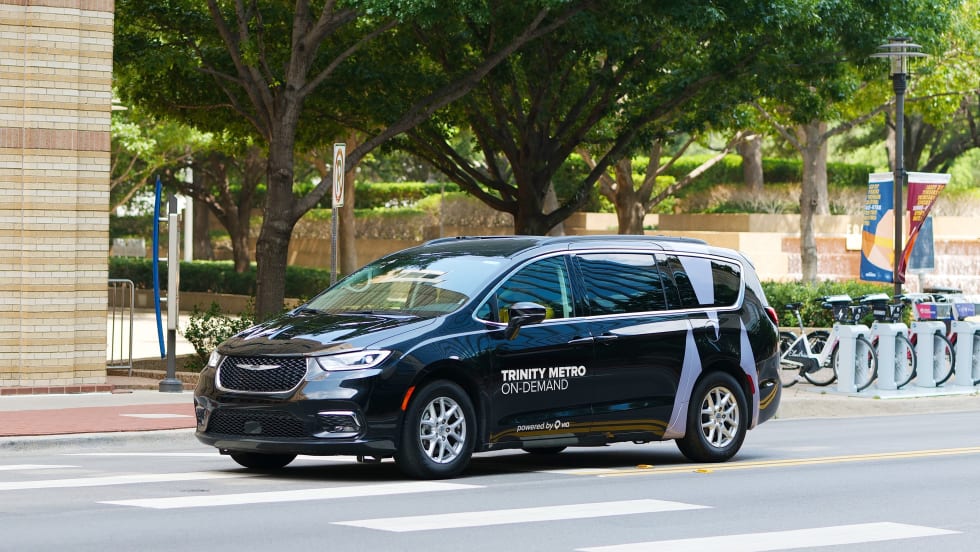
Via Announces Scheduling and Supply Studio
The Scheduling and Supply Studio provides the world’s first fully integrated platform for optimizing vehicle and driver availability to rider demand, said company officials.
Read More →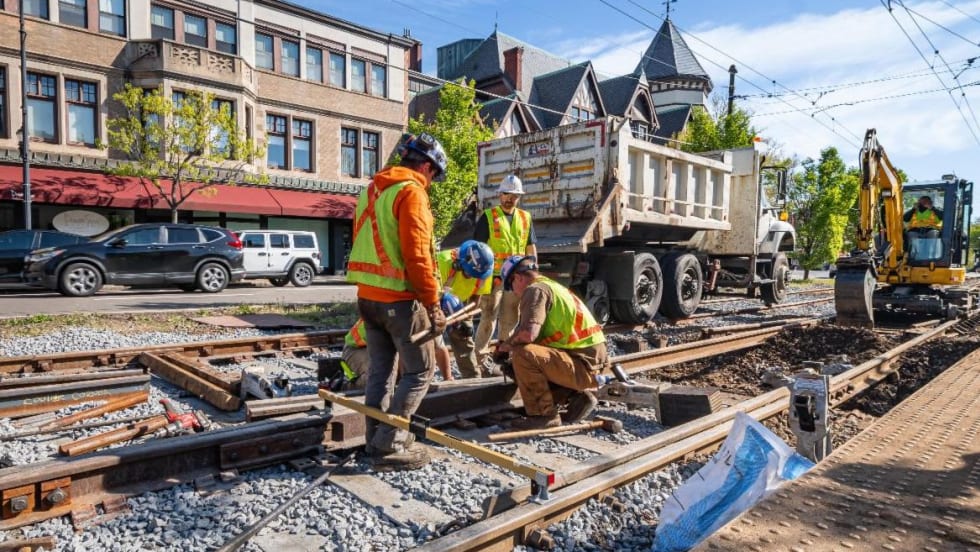
Boston's MBTA Completes Latest Green Line Work
The work took place during 12 consecutive days of shuttle bus service replacement between Kenmore and Cleveland Circle.
Read More →