



Cubic to take part in Canadian security pilot
Cubic demonstrated a preproduction prototype of its Clear-Use molecularly imprinted polymer optical explosives and radiological detection system during the 2011 SecureTech public safety and security conference held in October.

Cubic Security Systems, a subsidiary of Cubic Corp., is providing an advanced fare media-based real-time threat detection technology to help law enforcement teams to identify and respond to threats from chemical, radiological and explosive weapons in public transit settings under a Canadian government-funded pilot program to be launched this year in Edmonton.
Cubic demonstrated a preproduction prototype of its Clear-Use molecularly imprinted polymer optical explosives and radiological detection system during the 2011 SecureTech public safety and security conference held in October.
Cubic's solution, which includes both radiological and explosives detection sensors and a back-end central command security software system, detected radioactive test isotopes and highly diluted TNT and established simulated threat alerts to the command and control center and wireless smartphones during the event. Canadian authorities will begin testing the concept at Edmonton's Churchill station in late March 2012.
The Edmonton pilot is administered by Health Canada with Canadian Public Works as the contracting authority, and the Edmonton Transit System serving as the test coordinator. Funding for this project was provided through the CRTI, a program led by the Defence R&D Canada — Centre for Security Science on behalf of the federal science and technology community. As part of the 12-month program, Cubic Security Systems will install and integrate radiological and explosives detection technologies within public transit ticket vending and validation machines at the Churchill station under contract to the Canadian firm Mobile Detect Inc.
Cubic-modified ticket validators at the station will have the capability to scan and read color changes on the molecularly imprinted polymer coating to detect potential threats, then link with Mobile Detect's monitoring and reporting software to transmit threat information in real time to law enforcement via high-speed wired and wireless networks. Molecularly imprinted polymer is applied onto an adhesive tape provided by Raptor Detection Technologies of Maryland.
More Bus
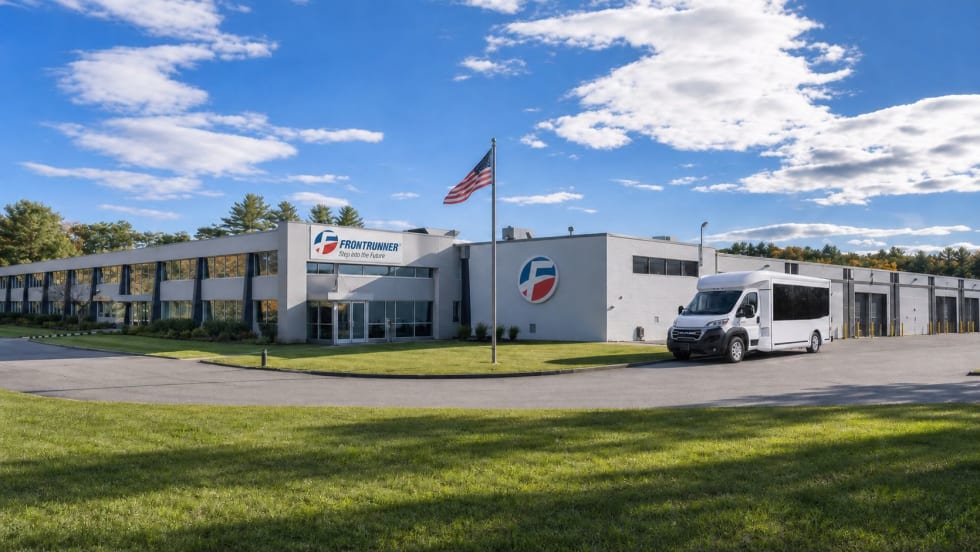
Frontrunner Bus Group Expands with New Massachusetts Headquarters
The significantly larger facility will provide the infrastructure needed to support the company’s growing workforce, advanced technologies, and expanding product line.
Read More →
Joshua Schank on Transportation Innovation, Risk, and the Future of Mobility
In this edition of METROspectives, Joshua Schank discusses lessons from launching LA Metro’s Office of Extraordinary Innovation, the challenges of advancing new mobility technologies, and much more.
Read More →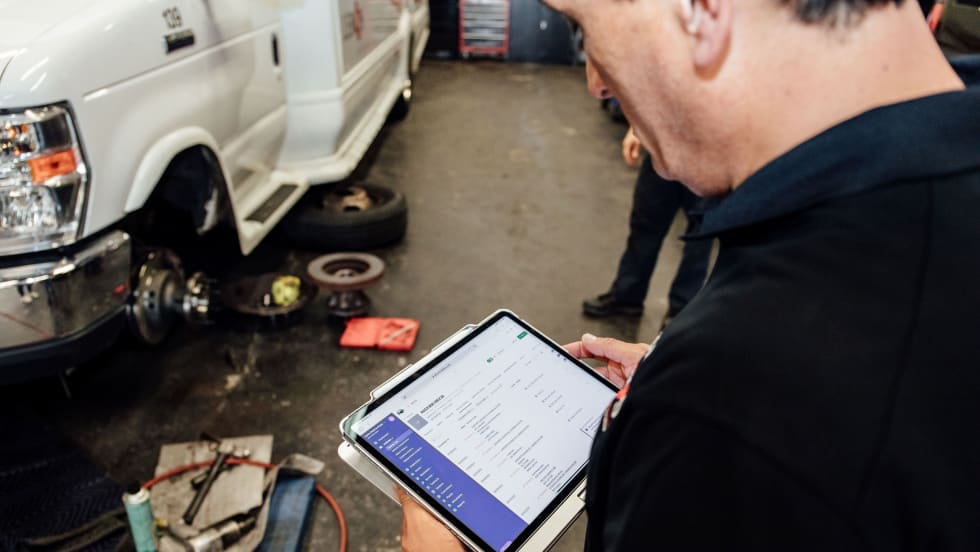
Reinventing Fleet Maintenance with Real-time Visibility and AI
Transit leaders need to know what needs fixing, where to look, who is responsible, when work is completed, and what it costs without having to chase information across disconnected systems.
Read More →
SamTrans Sets Priorities for Potential Connect Bay Area Revenue
The board-approved framework allocates future funding to maintaining service, rider improvements, equity initiatives, and infrastructure repairs.
Read More →
When Routine Fails: How Public Transit Must Adapt for the World Cup
The 2026 FIFA World Cup will test transit agencies’ ability to manage unpredictable travel patterns, making real-time data and operational flexibility critical to moving millions of visitors efficiently.
Read More →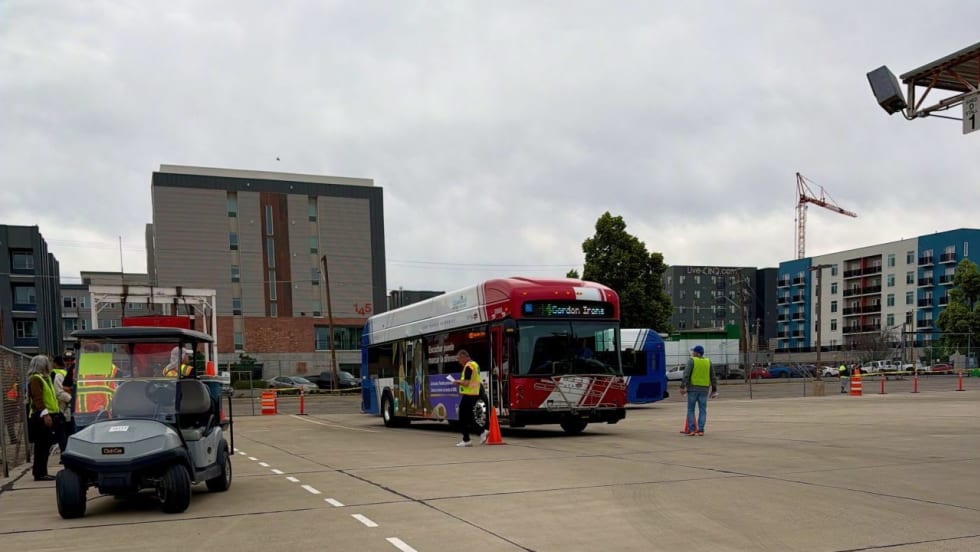
Photo Highlights from APTA's 2026 Mobility Conference
The photo gallery captures scenes from the conference, including the International Bus Roadeo, exhibit hall activities, the Bus Showcase, and much more.
Read More →
Chicago's NITA Act Moves Into Next Phase as Service Improvements Begin
Rider-focused improvements will begin rolling out across the system immediately as CTA, Metra, and Pace increase service this summer in the six-county region.
Read More →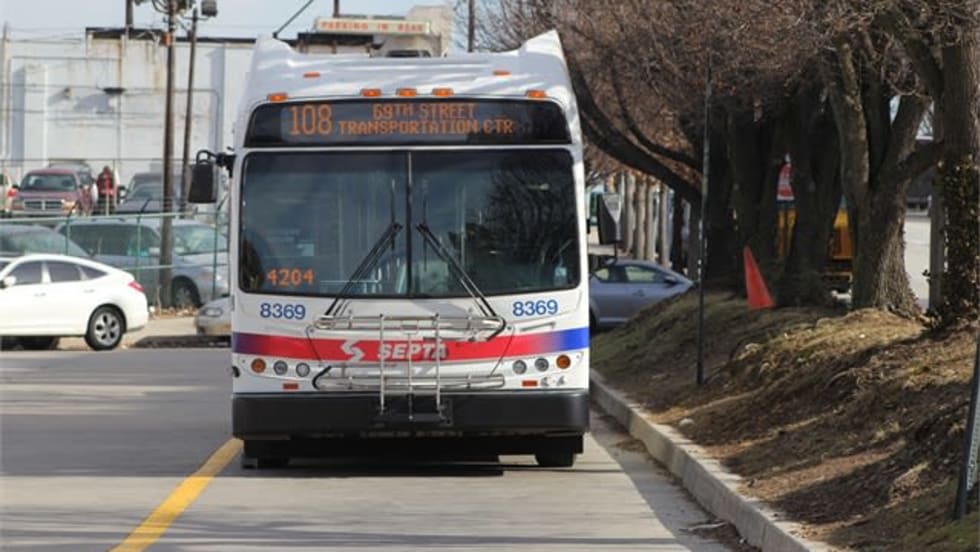
Philadelphia's SEPTA Approves Annual Transit Service Plan
Between 2021 and 2024, SEPTA held more than 200 public meetings — including 144 in-person sessions — throughout the SEPTA service region.
Read More →
A True Low-Floor Minibus Design Delivers Better Accessibility and Efficiency for Everyone
As transit demands evolve, so should your fleet. Download the whitepaper to see how the Low-Floor Frontrunner Minibus compares to traditional options.
Read More →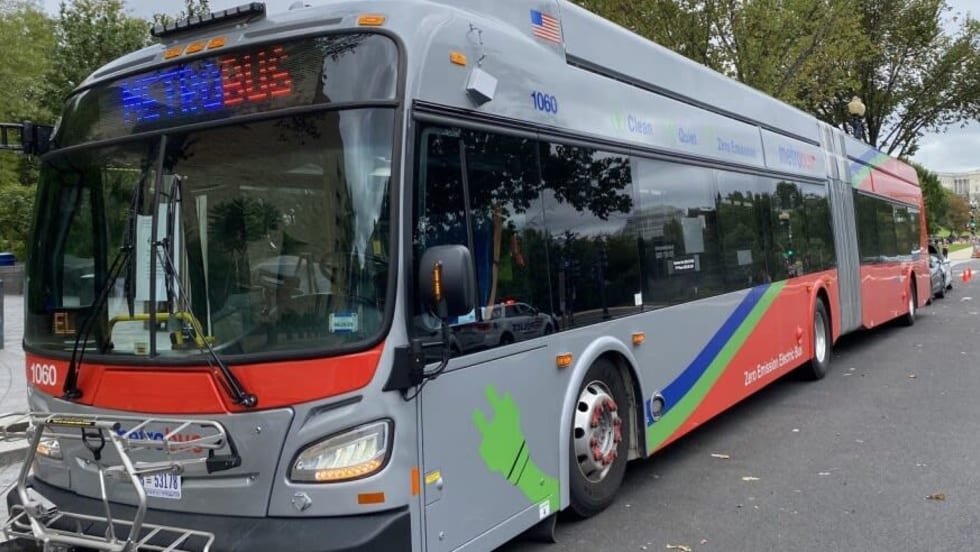
WMATA Debuts 'Fares Pay for Service' Awareness Campaign
The campaign was highlighted during a media event at the Paul S. Sarbanes Transit Center in Silver Spring, where WMATA’s GM/CEO Randy Clarke joined Metro Transit Police officers, WMATA management team, board members, and staff to expand fare enforcement and customer education efforts on Metro Bus routes throughout the region.
Read More →