



New report lists TOD funding programs
Report released by Reconnecting America provides information on 41 programs, including 17 state-level, 15 regional and transit agency, and nine local programs

On Tuesday, National nonprofit group Reconnecting America released a new report on programs that provide funding for transit oriented development (TOD) projects.
"There are so many innovative programs in the U.S. that provide grants, loans, tax credits or direct financial incentives to TOD plans or projects," said Sarah Kline, Reconnecting America's policy director. "This report can be used as a resource by planners and policy-makers who are creating new TOD programs in their own jurisdiction and who will benefit from learning the essential facts about other programs that operate at similar scales and contexts."
The scope of this effort was not to compile all policies that support TOD, such as zoning codes, joint development policies or authorizing legislation, but rather to inventory ongoing, institutionalized programs that provide direct funding or financial incentives. The report provides information on 41 programs, including 17 state-level, 15 regional and transit agencies, and nine local programs, according to a statement released by the nonprofit group.
"I applaud Reconnecting America's policy team for putting together this document," said Reconnecting America's President/CEO John Robert Smith. "We recognize that these programs change frequently and there will never be a 'final' compilation of TOD programs, but this snapshot should give readers a helpful understanding of the types of policies that exist."
Programs that provide grants, loans, tax credits, or direct financial incentives to TOD projects or plans have been sorted into three categories:
Planning - Funds to conduct corridor, district or station-area TOD planning.
Implementation - Funds for construction of projects or infrastructure in a TOD district.
Property Acquisition - Funds dedicated to acquiring property or land banking in locations near transit.
The report, "2010 Inventory of TOD Programs: A National Review of State, Regional and Local Programs that Fund Transit-Oriented Development Plans and Projects," includes three recommendations regarding TOD funding programs.
TOD programs must be tailored to fit the local conditions and needs of the place they are designed to serve.
TOD-supportive programs are important, but they are just one piece of the puzzle when it comes to implementing TOD. In addition, removing policy barriers to TOD may prove equally important.
TOD programs may be able to include an incentive for localities to zone for appropriate levels of affordable housing near transit, for agencies to acquire properties for mixed-income TOD, or for developers to include below-market rate units in their projects.
Reconnecting America's report displays the notable variety that exists in TOD programs across the U.S. today. This variety is largely due to the different political landscape, challenges, strengths, development market and key players that exist in each state, region or locality.
Recognizing that TOD programs change and are adopted frequently, Reconnecting America aims to use the content from this report to develop an interactive web tool that will include a broader set of policies and can be updated by users, to ensure ongoing accuracy.
More Bus
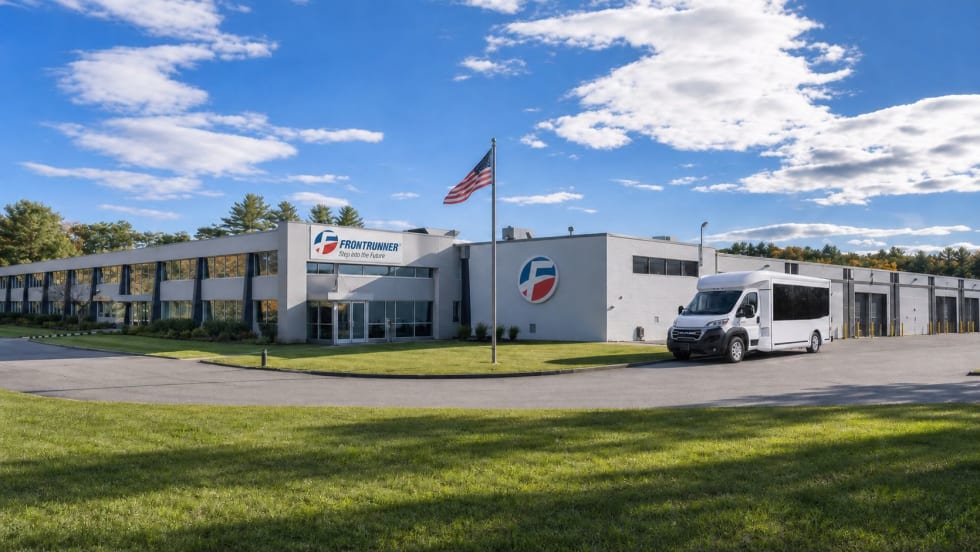
Frontrunner Bus Group Expands with New Massachusetts Headquarters
The significantly larger facility will provide the infrastructure needed to support the company’s growing workforce, advanced technologies, and expanding product line.
Read More →
Joshua Schank on Transportation Innovation, Risk, and the Future of Mobility
In this edition of METROspectives, Joshua Schank discusses lessons from launching LA Metro’s Office of Extraordinary Innovation, the challenges of advancing new mobility technologies, and much more.
Read More →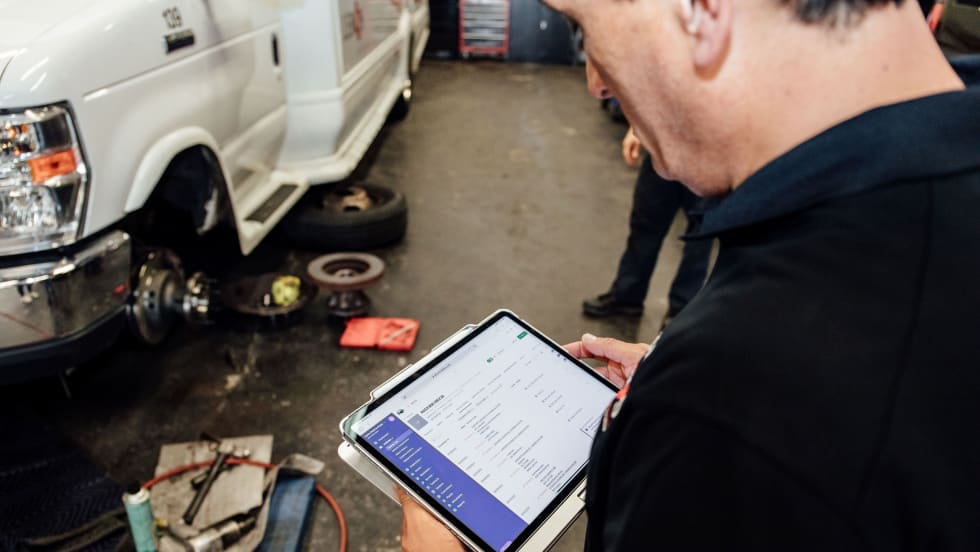
Reinventing Fleet Maintenance with Real-time Visibility and AI
Transit leaders need to know what needs fixing, where to look, who is responsible, when work is completed, and what it costs without having to chase information across disconnected systems.
Read More →
SamTrans Sets Priorities for Potential Connect Bay Area Revenue
The board-approved framework allocates future funding to maintaining service, rider improvements, equity initiatives, and infrastructure repairs.
Read More →
When Routine Fails: How Public Transit Must Adapt for the World Cup
The 2026 FIFA World Cup will test transit agencies’ ability to manage unpredictable travel patterns, making real-time data and operational flexibility critical to moving millions of visitors efficiently.
Read More →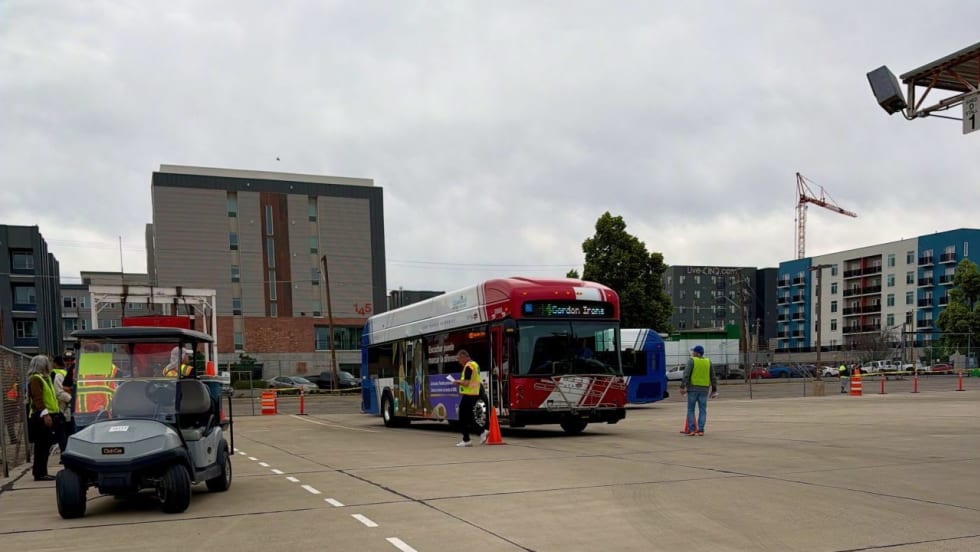
Photo Highlights from APTA's 2026 Mobility Conference
The photo gallery captures scenes from the conference, including the International Bus Roadeo, exhibit hall activities, the Bus Showcase, and much more.
Read More →
Chicago's NITA Act Moves Into Next Phase as Service Improvements Begin
Rider-focused improvements will begin rolling out across the system immediately as CTA, Metra, and Pace increase service this summer in the six-county region.
Read More →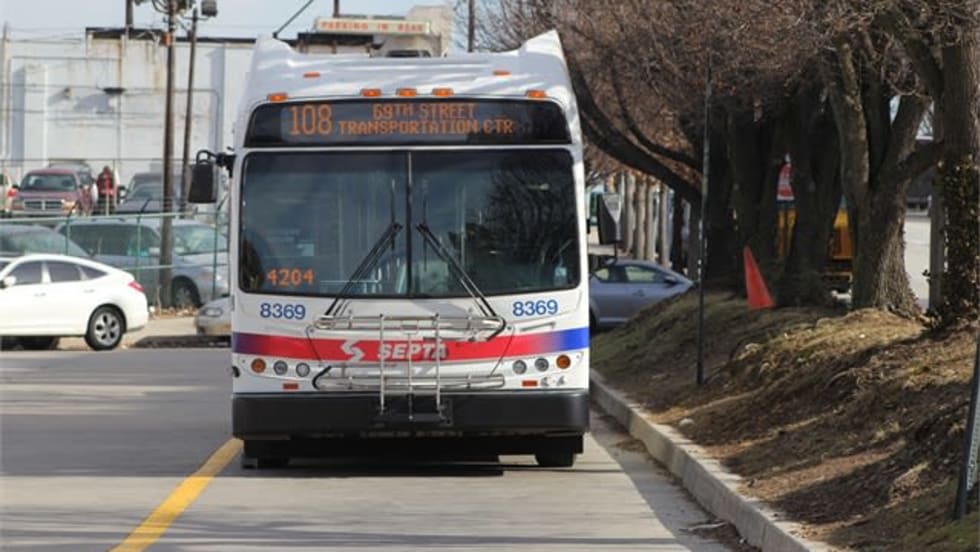
Philadelphia's SEPTA Approves Annual Transit Service Plan
Between 2021 and 2024, SEPTA held more than 200 public meetings — including 144 in-person sessions — throughout the SEPTA service region.
Read More →
A True Low-Floor Minibus Design Delivers Better Accessibility and Efficiency for Everyone
As transit demands evolve, so should your fleet. Download the whitepaper to see how the Low-Floor Frontrunner Minibus compares to traditional options.
Read More →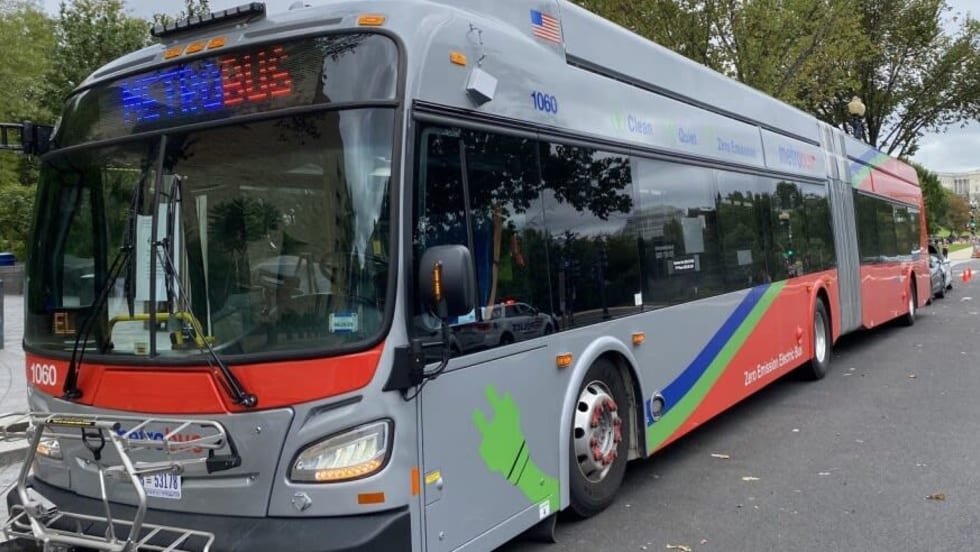
WMATA Debuts 'Fares Pay for Service' Awareness Campaign
The campaign was highlighted during a media event at the Paul S. Sarbanes Transit Center in Silver Spring, where WMATA’s GM/CEO Randy Clarke joined Metro Transit Police officers, WMATA management team, board members, and staff to expand fare enforcement and customer education efforts on Metro Bus routes throughout the region.
Read More →