



Study: Transit drivers involved in collisions twice as likely to use phone while driving
While handheld cell use is the most commonly identified risky distraction, eating and/or drinking while driving is not far behind. In fact, drivers involved in one or more collisions are 1.8 times more likely to regularly eat or drink while driving.


Drivers involved in one or more collisions are 1.6 times more likely to be regularly distracted by any type of identified distraction (handheld cell, food/drink, GPS, etc). Photo credit: JonJon2k8 via Flickr.
[IMAGE]cell-phone-2.jpg[/IMAGE]Transit drivers who have been involved in a collision are twice as likely to regularly use a handheld cell phone compared to those drivers who have not been involved in a collision, according to a new study released last week.
The study, conducted by DriveCam Inc. as a part of its Driving Insights newsletter series, looks at recurring distracted driving behaviors among transit drivers.
The company found that while handheld cell use is the most commonly identified risky distraction, eating and/or drinking while driving is not far behind. In fact, drivers involved in one or more collisions are 1.8 times more likely to regularly eat or drink while driving.
The study focused on the analysis of more than 20,000 drivers in the transit industry who were active between June 2009 and June 2010. The difference between collision and non-collision drivers’ distracted driving behaviors was evaluated for this study in order to identify the distractions with a statistically significant difference. Once these distractions were identified, the probability of a collision given the number of times the distraction was observed was calculated.
Drivers involved in one or more collisions are:
1.6 times more likely to be regularly distracted by any type of identified distraction (handheld cell, food/drink, GPS, etc).
1.8 times more likely to be regularly distracted by food and/or drinks.
2.0 times more likely to be regularly distracted by a handheld cell phone.
Other distractions, most interestingly, hands-free cell devices, did not show a statistically significant behavior difference between collision and non-collision drivers in the transit industry.
DriveCam’s Video Event Recorder provides the ability to identify when a collision has occurred. The company does not analyze collision events for legal reasons; however, extensive video event review of a driver’s prior non-collision poor driving behaviors allows DriveCam to better understand those behaviors that act as leading indicators of collisions. Identifying these behaviors provides safety managers a focused direction in coaching and training.
DriveCam’s Driving Insights newsletter series is designed to provide insight for executives and managers throughout a variety of transportation industries. It is derived from DriveCam’s extensive database of driving events from over 3 billion driving miles — the largest in the world, according to the company. Driving Insights is released on a regular basis.
More Paratransit
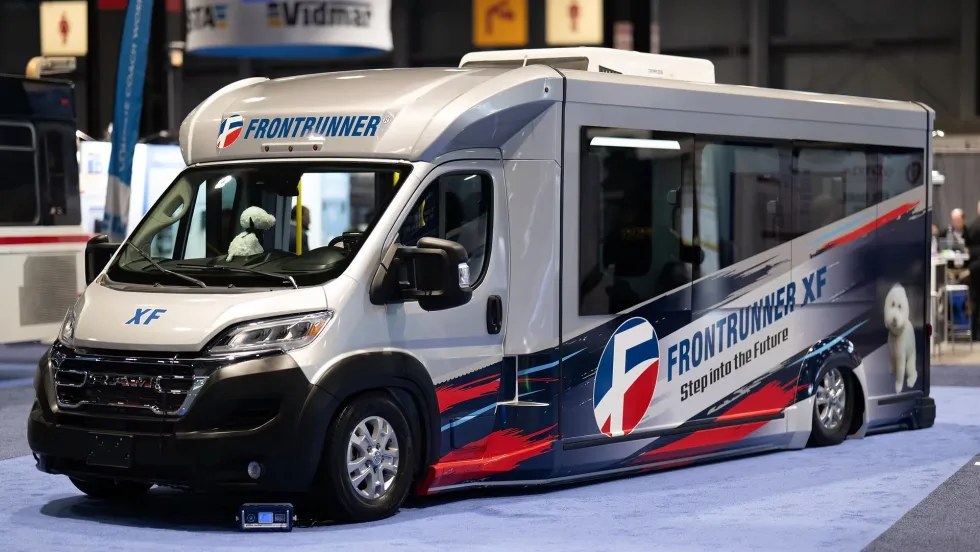
Frontrunner Bus Group Introduces XF Low-Floor Bus with Enhanced Accessibility
The new mid-sized bus features a full flat-floor design, eight-inch curbside step-in height, and zero-entry rear ramp to improve passenger access and operational flexibility.
Read More →
Scenes from APTA TRANSform & EXPO 2026
Transit leaders, manufacturers, and industry professionals gathered in Chicago to explore new technologies, share ideas, and discuss the future of public transportation.
Read More →
Indian River Transit’s Community-Focused Approach Earns National Recognition
Named APTA’s 2026 Outstanding Public Transportation System in its size category, Florida’s Indian River County transit system continues to grow ridership through fare-free service and a focus on evolving community needs.
Read More →
Everett Transit, Community Transit Outline Consolidation Agreement
The proposed agreement calls for a 50% increase in bus service in Everett, a new microtransit zone, continued paratransit service, and the transfer of Everett Transit operations to Community Transit.
Read More →
Driving Smarter Paratransit
John Hanlon shares how AlphaRoute is leveraging AI-powered technology to help paratransit providers optimize operations, support frontline staff, and enhance the rider experience.
Read More →
People Movement: Dan Dipert Coaches Adds Third-Generation Leader, Keolis Names New Valley Metro VP/GM, and More
In this edition, we also cover recent appointments and announcements at the Wabtec, SilverRide, HNTB, and more, showcasing the individuals helping to shape the future of transportation.
Read More →
Biz Briefs: RIPTA Unveils New Frontrunners, Clevland RTA Adds New Siemens, and More
In METRO's latest installment, we take a look at recent news from Siemens, Prevost, Dodge, and more partnerships making headlines across the transportation sector.
Read More →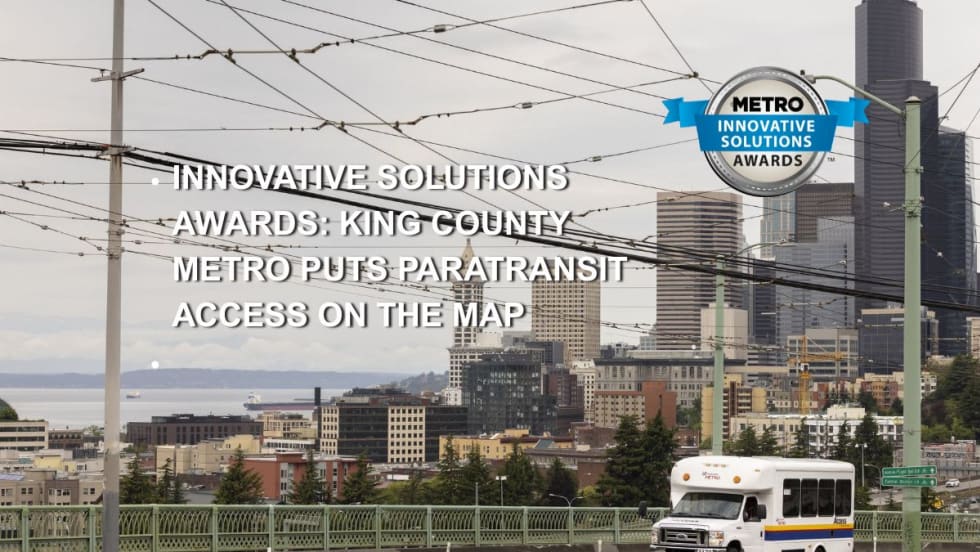
King County Metro Makes ADA Paratransit Easier to Navigate
METRO's Innovative Solutions Award winner replaces complex service-area descriptions with an accessible, interactive map that puts paratransit information directly in customers’ hands.
Read More →
Jacksonville’s NAVI Project Charts a New Course for Autonomous Public Transportation
Through its NAVI program, JTA is showing how autonomous vehicles, intelligent infrastructure, and coordinated operations can work together to deliver everyday public transportation.
Read More →
Driving Smarter Paratransit
John Hanlon shares how AlphaRoute is leveraging AI-powered technology to help paratransit providers optimize operations, support frontline staff, and enhance the rider experience.
Read More →