



U.S. DOT updates disadvantaged business program
New rulemaking will require greater accountability from state and local transportation agencies for including disadvantaged businesses in their spending plans. Also adds provisions to ensure that prime contractors fulfill commitments to use DBE subcontractors, and requires all states to accept DBE certifications obtained in other states, unless the state finds good cause not to accept it.

On Thursday, U.S. Transportation Secretary Ray LaHood announced a final rulemaking that will help economically and socially disadvantaged businesses take advantage of opportunities to participate in federally funded highway, transit and airport projects. The final rule, issued by the U.S. Department of Transportation (U.S. DOT), will also hold states and local agencies more accountable for including disadvantaged businesses in their transportation plans.
“When we help small businesses, we’re helping to get the economy going,” said Secretary LaHood. “This rule will help small and disadvantaged businesses get a fair shot at participating in state and local transportation projects.”
The U.S. DOT's Disadvantaged Business Enterprise (DBE) Program helps small businesses owned and controlled by socially and economically disadvantaged individuals compete for government contracts. The U.S. DOT also requires state and local transportation agencies to establish goals for DBE participation.
The U.S. DOT’s new rulemaking will require greater accountability from state and local transportation agencies for including disadvantaged businesses in their spending plans. Those that fail to meet established goals for DBE participation will be required to evaluate why the goals were not met and offer a plan to help meet the goal in the future.
In addition, the final rule will adjust the personal net worth limit for DBE owners for inflation from the present $750,000 to $1.32 million. The current limit was set in 1989 and has not been adjusted since.
The U.S. DOT’s rulemaking will also add provisions to ensure that prime contractors fulfill commitments to use DBE subcontractors. State and local agencies will be required to monitor each contract to make sure prime contractors are fulfilling their obligations and do not dismiss DBE subcontractors without good cause. The rule also requires state and local agencies to create a plan for improving the use of small businesses, including DBEs.
Another major change under the rulemaking will reduce burdens on small businesses seeking DBE certification in more than one state. As a result of today’s rulemaking, all states will be required to accept DBE certifications obtained in other states, unless the state finds good cause not to accept it. The rule establishes a process for resolving issues with respect to eligibility raised by states concerning out-of-state firms.
The U.S. DOT anticipates issuing a proposed rulemaking to make changes in its regulation for airport concession DBEs paralleling those in today’s final regulation.
The U.S. DOT’s final rule to improve the DBE Program appeared on the Federal Register’s Electronic Public Inspection Desk on Thursday.
More Paratransit

Biz Briefs: RIPTA Unveils New Frontrunners, Clevland RTA Adds New Siemens, and More
In METRO's latest installment, we take a look at recent news from Siemens, Prevost, Dodge, and more partnerships making headlines across the transportation sector.
Read More →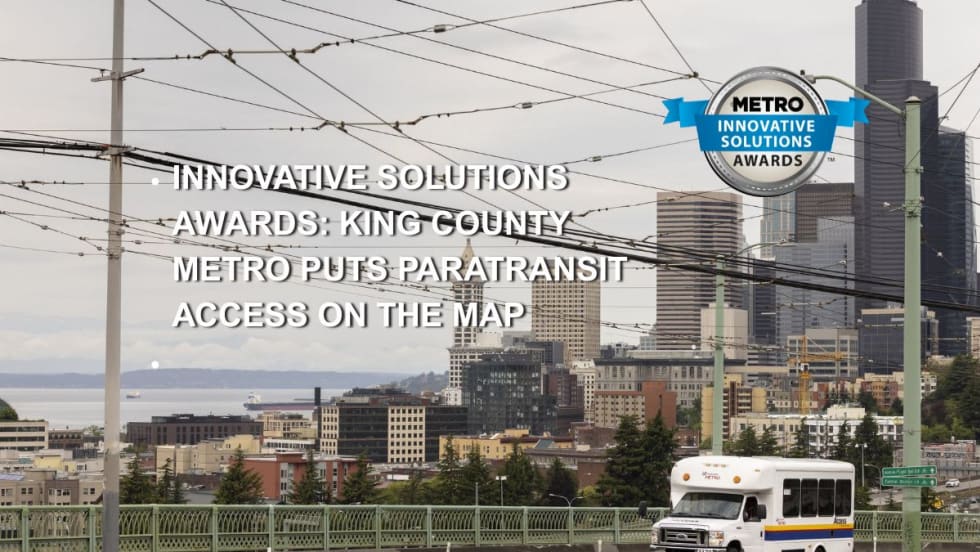
King County Metro Makes ADA Paratransit Easier to Navigate
METRO's Innovative Solutions Award winner replaces complex service-area descriptions with an accessible, interactive map that puts paratransit information directly in customers’ hands.
Read More →
Jacksonville’s NAVI Project Charts a New Course for Autonomous Public Transportation
Through its NAVI program, JTA is showing how autonomous vehicles, intelligent infrastructure, and coordinated operations can work together to deliver everyday public transportation.
Read More →
Driving Smarter Paratransit
John Hanlon shares how AlphaRoute is leveraging AI-powered technology to help paratransit providers optimize operations, support frontline staff, and enhance the rider experience.
Read More →
METRO Magazine Announces 2026 Innovative Solutions Awards Winners
Projects Recognized for Advancing Mobility Through Technology, Accessibility, Workforce Innovation, and Operational Excellence
Read More →
Biz Briefs: STV teams with Amtrak, Motorcoach Operators Boost Fleet and Land Contracts, and More
From manufacturers and suppliers to transit agencies and motorcoach operators, these updates offer a snapshot of the projects, partnerships and business moves driving the industry forward.
Read More →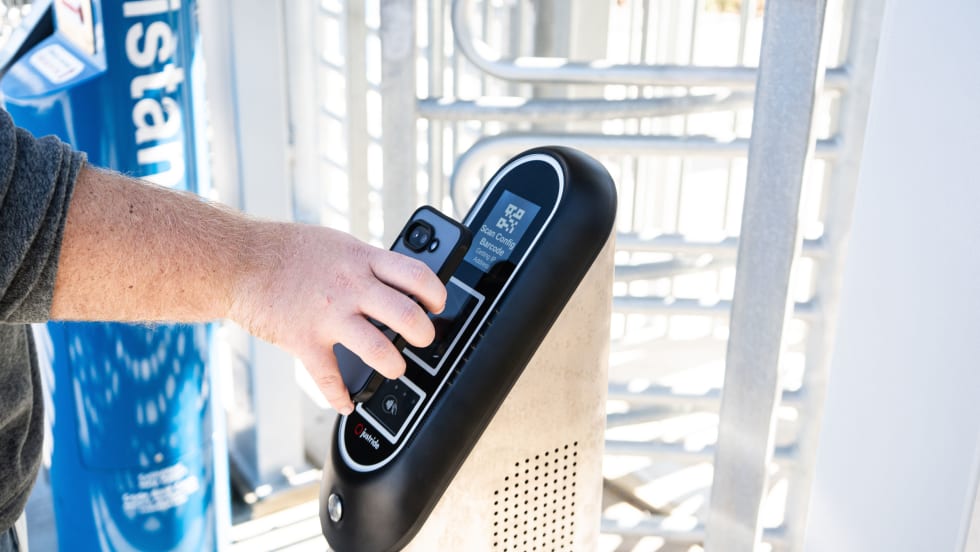
Biz Briefs: Masabi Teams with St. Louis Metro and More
In METRO's latest installment, we take a look at recent news from Transdev, Hitachi, and more partnerships making headlines across the transportation sector.
Read More →
New York MTA Leverages Zoning Program to Advance Station Accessibility
Accessibility enhancements at Nevins St Station will be financed through a development agreement tied to the MTA's Zoning for Accessibility initiative.
Read More →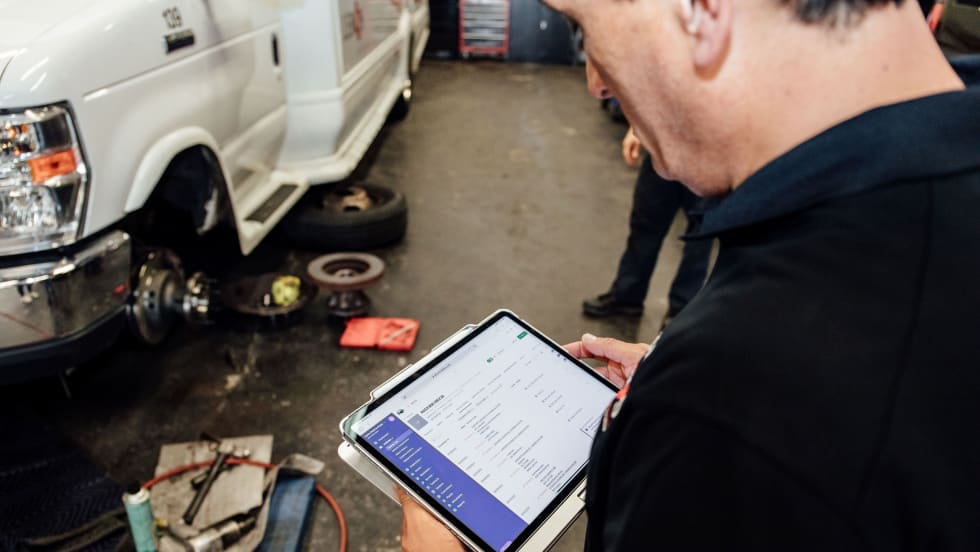
Reinventing Fleet Maintenance with Real-time Visibility and AI
Transit leaders need to know what needs fixing, where to look, who is responsible, when work is completed, and what it costs without having to chase information across disconnected systems.
Read More →
SamTrans Sets Priorities for Potential Connect Bay Area Revenue
The board-approved framework allocates future funding to maintaining service, rider improvements, equity initiatives, and infrastructure repairs.
Read More →