



Chicago’s Metra names new CEO
Alexander D. Clifford most recently served as Executive Officer, High-Speed Rail, for the Los Angeles Metro, working as an ombudsman with the California High Speed Rail Authority to help facilitate the integration of high-speed train service into existing transportation corridors in Los Angeles County.

The Metra board of directors has selected Alexander D. Clifford, an executive with the Los Angeles County Metropolitan Transportation Authority, to be the commuter rail agency’s executive director and chief executive officer.
The appointment was made Tuesday in a unanimous vote by the 11-member Metra board after a nationwide search conducted by Slavin Management Consultants, a government executive search firm.
“His experience as a big-picture policy-maker and a day-to-day operations manager make him uniquely qualified to lead Metra,” Metra Chairman Carole R. Doris said. “It is my belief that he is the right man for the job at the right time.”
Clifford said he is coming to Metra with a reform agenda. “The Metra Board has tasked me with restoring public confidence in our agency by instilling strong financial and management controls and inspiring Metra employees to meeting these important challenges,” he said. “We will also continue to modernize our operation including incorporating new technology for better customer communications.”
Clifford, 51, most recently served as Executive Officer, High-Speed Rail, for Metro, working as an ombudsman with the California High Speed Rail Authority to help facilitate the integration of high-speed train service into existing transportation corridors in Los Angeles County. He was responsible for making sure the interests of the county, various municipalities and other stakeholders were represented and that the potential impacts of the project were properly addressed.
Clifford also oversaw Metro’s interest in the Southern California Regional Rail Authority (Metrolink commuter rail) as well as its interests in the Los Angeles-San Diego Rail Corridor Agency (LOSSAN).
From February 2004 to August 2009, Clifford oversaw all aspects of bus service in 26 cities in southeast Los Angeles County as the general manager of the Gateway Cities Service Sector, one of five Metro service sectors. The sector, with an annual budget of $128 million, operated two bus divisions with a fleet of 457 buses and 1,040 employees. Clifford worked with a nine-member governance council composed of elected officials and citizen transit members that were responsible for bus service in the sector.
As managing director, operations, from January 2003 to February 2004, Clifford managed the bus operation control center, the bus regional rebuild center and served as the executive lead for the installation of a Universal Fare System and the Advance Transportation Management System on all Metro buses. He was on the 2003 and 2008 transit community policing contract negotiations team. Clifford also served as the executive administration manager (April 2002 to December 2002), where he managed various performance and budgetary functions, and as a senior administrative analyst (July 2001 to March 2002).
Clifford has a Master of Business Administration degree from California Baptist University and a Bachelor of Science degree in Business Administration from California State Polytechnic University.
More Bus

Frontrunner Bus Group Expands with New Massachusetts Headquarters
The significantly larger facility will provide the infrastructure needed to support the company’s growing workforce, advanced technologies, and expanding product line.
Read More →
Joshua Schank on Transportation Innovation, Risk, and the Future of Mobility
In this edition of METROspectives, Joshua Schank discusses lessons from launching LA Metro’s Office of Extraordinary Innovation, the challenges of advancing new mobility technologies, and much more.
Read More →
Reinventing Fleet Maintenance with Real-time Visibility and AI
Transit leaders need to know what needs fixing, where to look, who is responsible, when work is completed, and what it costs without having to chase information across disconnected systems.
Read More →
SamTrans Sets Priorities for Potential Connect Bay Area Revenue
The board-approved framework allocates future funding to maintaining service, rider improvements, equity initiatives, and infrastructure repairs.
Read More →
When Routine Fails: How Public Transit Must Adapt for the World Cup
The 2026 FIFA World Cup will test transit agencies’ ability to manage unpredictable travel patterns, making real-time data and operational flexibility critical to moving millions of visitors efficiently.
Read More →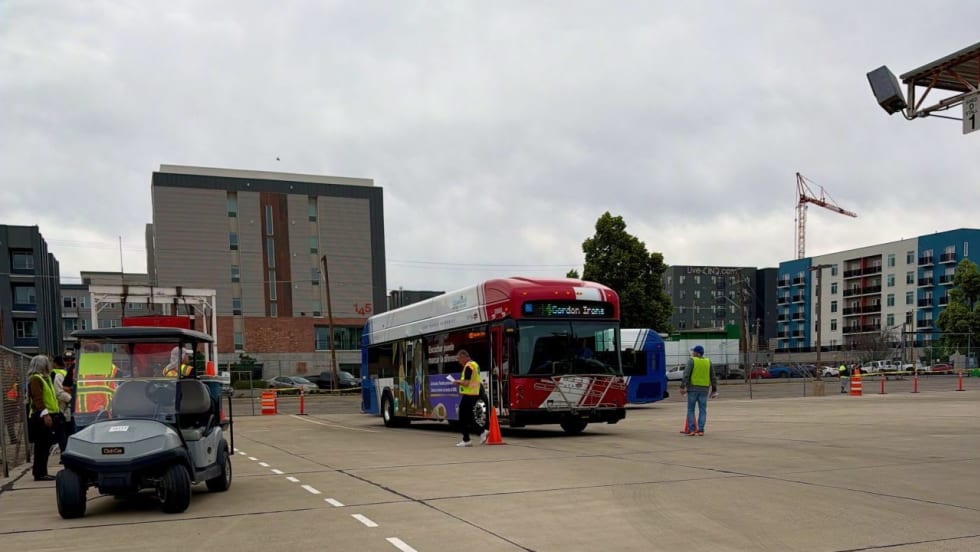
Photo Highlights from APTA's 2026 Mobility Conference
The photo gallery captures scenes from the conference, including the International Bus Roadeo, exhibit hall activities, the Bus Showcase, and much more.
Read More →
Chicago's NITA Act Moves Into Next Phase as Service Improvements Begin
Rider-focused improvements will begin rolling out across the system immediately as CTA, Metra, and Pace increase service this summer in the six-county region.
Read More →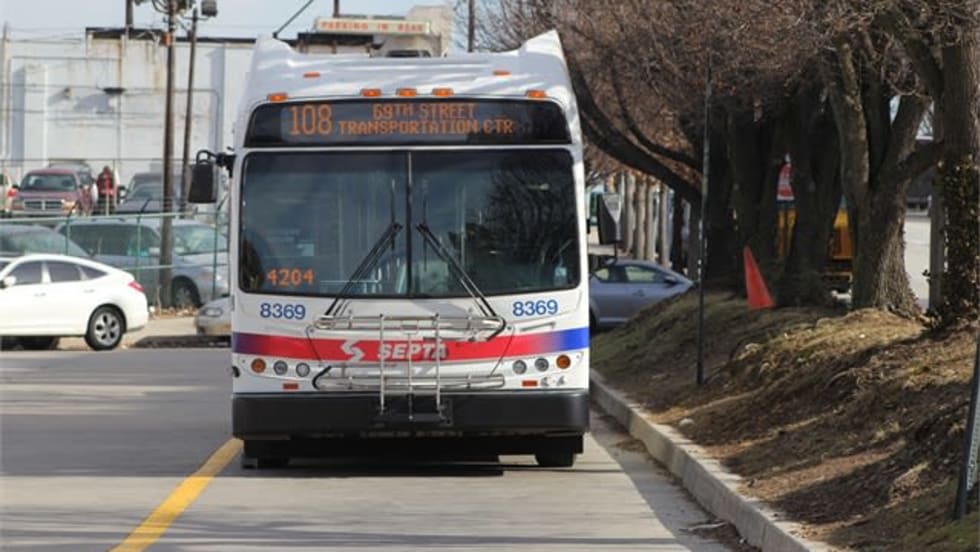
Philadelphia's SEPTA Approves Annual Transit Service Plan
Between 2021 and 2024, SEPTA held more than 200 public meetings — including 144 in-person sessions — throughout the SEPTA service region.
Read More →
A True Low-Floor Minibus Design Delivers Better Accessibility and Efficiency for Everyone
As transit demands evolve, so should your fleet. Download the whitepaper to see how the Low-Floor Frontrunner Minibus compares to traditional options.
Read More →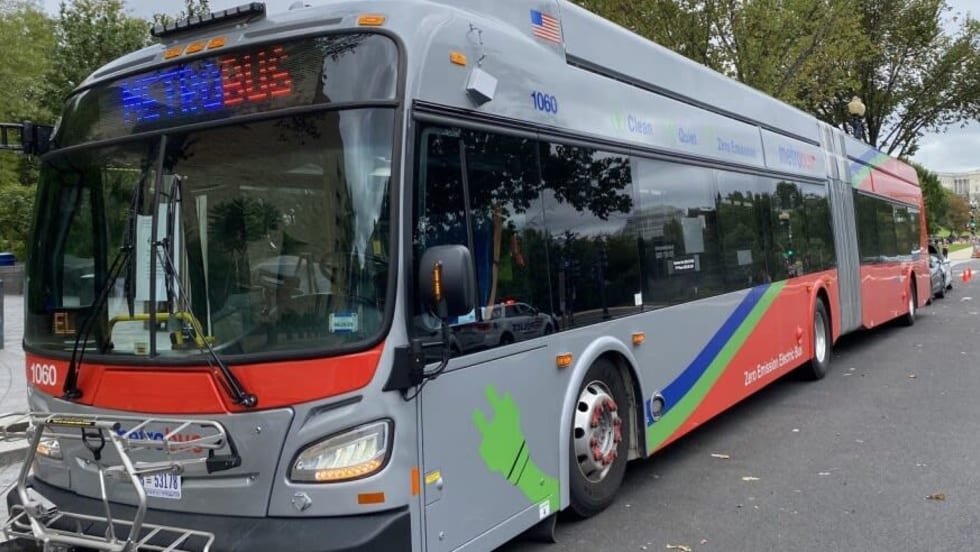
WMATA Debuts 'Fares Pay for Service' Awareness Campaign
The campaign was highlighted during a media event at the Paul S. Sarbanes Transit Center in Silver Spring, where WMATA’s GM/CEO Randy Clarke joined Metro Transit Police officers, WMATA management team, board members, and staff to expand fare enforcement and customer education efforts on Metro Bus routes throughout the region.
Read More →