



Valley Metro unveils Mobility Center
Created to make travel easier for more than 11,000 passengers who are currently eligible for the Americans with Disabilities Act designation. Will provide in-person eligibility determinations and offer travel training and other programs making the transit system more accessible to local residents.

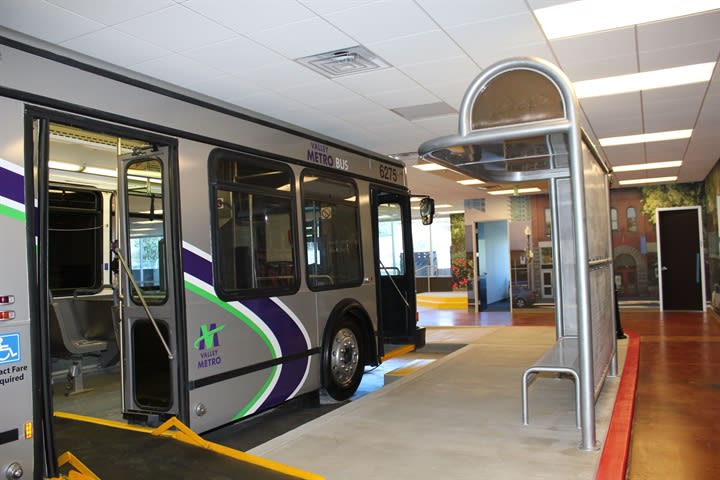
[IMAGE]ValleyMetroMobilityCenter-interior-2.jpg[/IMAGE] On Wednesday, Phoenix-based Valley Metro opened a new Mobility Center, a regional facility that will help make travel easier for thousands of passengers who may need additional assistance navigating the transit system.
There are more than 11,000 Valley Metro passengers currently eligible for the Americans with Disabilities Act (ADA) designation, allowing them reduced fares on the bus and light rail system and access to paratransit or Dial-a-Ride services in the Valley.
“Our goal was to build a facility that simulated our actual transit environment in the metro Phoenix area,” said David Boggs, Valley Metro executive director. “The Center, which is modeled after similar structures in Los Angeles, Orange County, Las Vegas and Salt Lake City, allows passengers the opportunity to try transit before they actually ride to see if it’s feasible for them.”
Following years of research, several studies and case studies from peer cities, Valley Metro’s board of directors approved the development of a Mobility Center in 2010 that would not only provide in-person eligibility determinations but offer travel training and other programs making the transit system more accessible to local residents.
Completed this month, unique features of the Mobility Center include a full-sized 40-foot bus and bus shelter set against a backdrop of life-size photo murals depicting various transportation modes, including light rail. Various pavement and sidewalk treatments are incorporated into the assessment center giving a realistic environment for navigating local communities.
In this process, riders that are seeking ADA certification will utilize a customer focused in-person process. The intent is to improve how evaluations occur for ADA service and better match passengers with transit needs. It is anticipated that there will be 400 to 500 ADA eligibility determinations processed each month. Operations of the facility is funded by Proposition 400, the regional, half-cent sales tax approved by voters in 2004 that helps build and provide transportation projects in Maricopa County.
More Paratransit

Biz Briefs: RIPTA Unveils New Frontrunners, Clevland RTA Adds New Siemens, and More
In METRO's latest installment, we take a look at recent news from Siemens, Prevost, Dodge, and more partnerships making headlines across the transportation sector.
Read More →
King County Metro Makes ADA Paratransit Easier to Navigate
METRO's Innovative Solutions Award winner replaces complex service-area descriptions with an accessible, interactive map that puts paratransit information directly in customers’ hands.
Read More →
Jacksonville’s NAVI Project Charts a New Course for Autonomous Public Transportation
Through its NAVI program, JTA is showing how autonomous vehicles, intelligent infrastructure, and coordinated operations can work together to deliver everyday public transportation.
Read More →
Driving Smarter Paratransit
John Hanlon shares how AlphaRoute is leveraging AI-powered technology to help paratransit providers optimize operations, support frontline staff, and enhance the rider experience.
Read More →
METRO Magazine Announces 2026 Innovative Solutions Awards Winners
Projects Recognized for Advancing Mobility Through Technology, Accessibility, Workforce Innovation, and Operational Excellence
Read More →
Biz Briefs: STV teams with Amtrak, Motorcoach Operators Boost Fleet and Land Contracts, and More
From manufacturers and suppliers to transit agencies and motorcoach operators, these updates offer a snapshot of the projects, partnerships and business moves driving the industry forward.
Read More →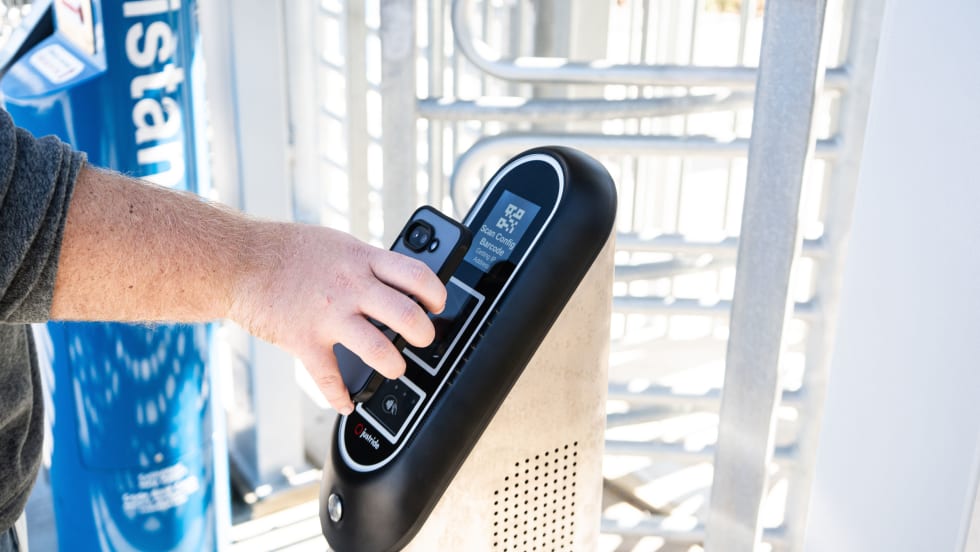
Biz Briefs: Masabi Teams with St. Louis Metro and More
In METRO's latest installment, we take a look at recent news from Transdev, Hitachi, and more partnerships making headlines across the transportation sector.
Read More →
New York MTA Leverages Zoning Program to Advance Station Accessibility
Accessibility enhancements at Nevins St Station will be financed through a development agreement tied to the MTA's Zoning for Accessibility initiative.
Read More →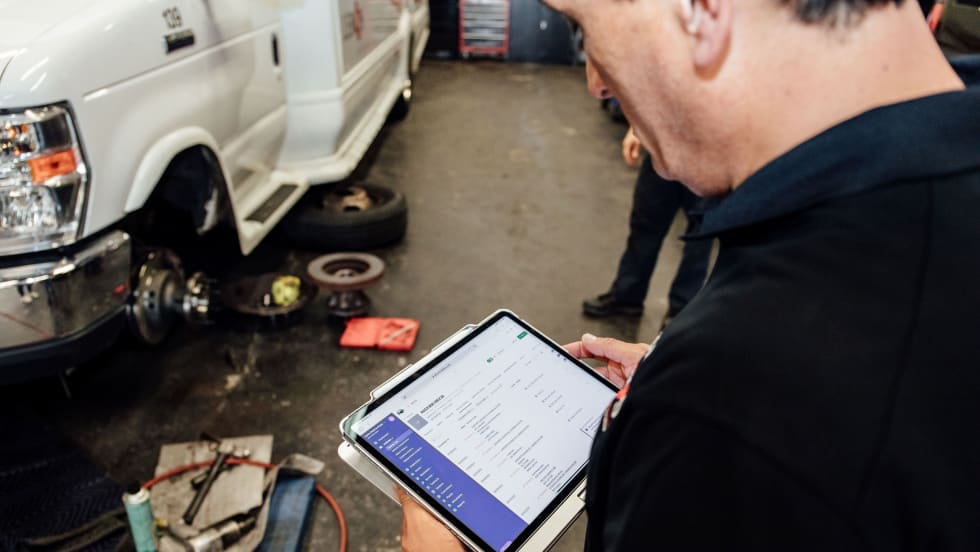
Reinventing Fleet Maintenance with Real-time Visibility and AI
Transit leaders need to know what needs fixing, where to look, who is responsible, when work is completed, and what it costs without having to chase information across disconnected systems.
Read More →
SamTrans Sets Priorities for Potential Connect Bay Area Revenue
The board-approved framework allocates future funding to maintaining service, rider improvements, equity initiatives, and infrastructure repairs.
Read More →