



Calif.'s OCTA completes sales tax program, touts benefits
The half-cent sales tax, collected over the past two decades, provided $1 billion for Metrolink service and senior and disabled bus fare stabilization. On April 1, the first half-cent of what is estimated to be $15 billion over the next 30 years will be collected for Measure M2.

California-based Orange County Transportation Authority (OCTA) brings to a close the Measure M program this week. During the past two decades, the program has paved the way for more than $4 billion in transportation improvements.
Collection of the half-cent sales tax officially stops on March 31, ending a program approved by voters in 1990.
“Measure M has transformed the way in which our residents and visitors travel throughout this county,” said OCTA Chair Patricia Bates. “The program has improved each one of our freeways, hundreds of miles of city streets and our transit system and, more importantly, it has significantly benefitted our quality of life.”
Measure M improvements have been split into three general categories, with 43 percent funding freeway projects, 32 percent funding streets and roads projects, and 25 percent funding transit improvements:
• $1.75 billion to upgrade to every Orange County freeway
• $1.3 billion for city street and road projects
• $1 billion for Metrolink service and senior and disabled bus fare stabilization
The accomplishments of Measure M include:
• Adding 192 freeway lane miles
• Improving 170 intersection and 38 freeway interchanges
• Providing $600 million to local agencies for improvements
• Implementing Metrolink service in Orange County
The voters of Orange County again decided to entrust OCTA with their tax dollars by renewing Measure M in 2006. On April 1, the first half-cent of what is estimated to be $15 billion over the next 30 years will be collected for Measure M2.
“The success of Measure M is a shining example of what can be accomplished when government agencies, residents and the business community work together to achieve a common goal,” said OCTA CEO Will Kempton. “We look forward to once again delivering on our promises to voters through Measure M2.”
More Paratransit
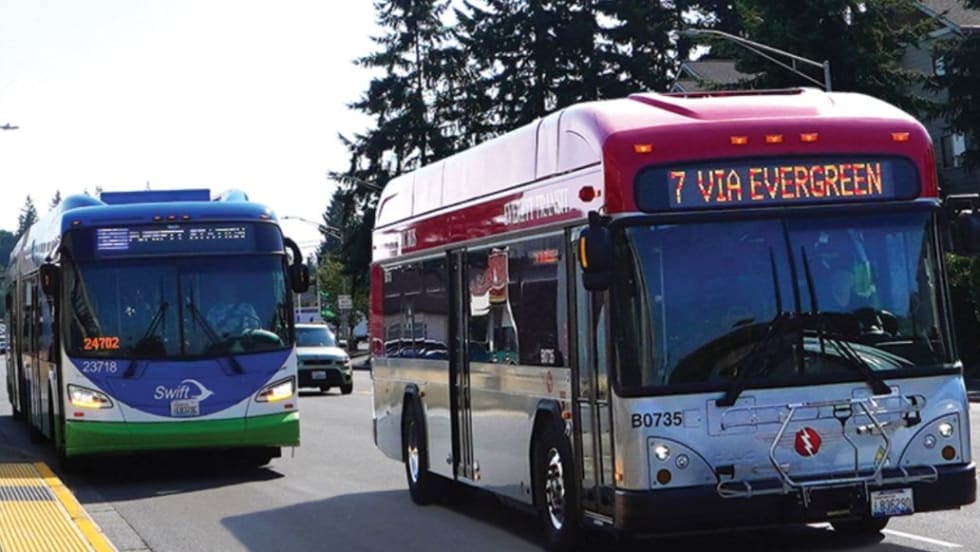
Everett Transit, Community Transit Outline Consolidation Agreement
The proposed agreement calls for a 50% increase in bus service in Everett, a new microtransit zone, continued paratransit service, and the transfer of Everett Transit operations to Community Transit.
Read More →
Driving Smarter Paratransit
John Hanlon shares how AlphaRoute is leveraging AI-powered technology to help paratransit providers optimize operations, support frontline staff, and enhance the rider experience.
Read More →
People Movement: Dan Dipert Coaches Adds Third-Generation Leader, Keolis Names New Valley Metro VP/GM, and More
In this edition, we also cover recent appointments and announcements at the Wabtec, SilverRide, HNTB, and more, showcasing the individuals helping to shape the future of transportation.
Read More →
Biz Briefs: RIPTA Unveils New Frontrunners, Clevland RTA Adds New Siemens, and More
In METRO's latest installment, we take a look at recent news from Siemens, Prevost, Dodge, and more partnerships making headlines across the transportation sector.
Read More →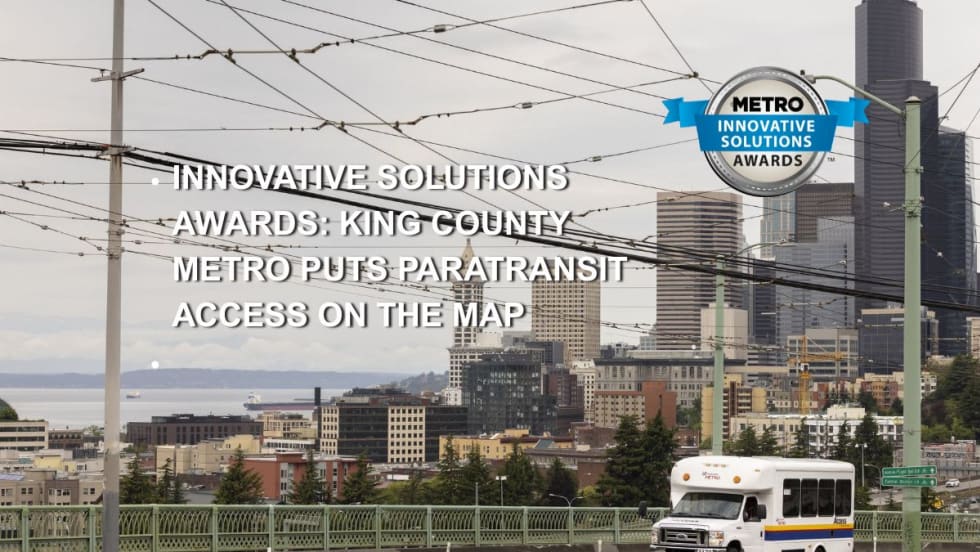
King County Metro Makes ADA Paratransit Easier to Navigate
METRO's Innovative Solutions Award winner replaces complex service-area descriptions with an accessible, interactive map that puts paratransit information directly in customers’ hands.
Read More →
Jacksonville’s NAVI Project Charts a New Course for Autonomous Public Transportation
Through its NAVI program, JTA is showing how autonomous vehicles, intelligent infrastructure, and coordinated operations can work together to deliver everyday public transportation.
Read More →
Driving Smarter Paratransit
John Hanlon shares how AlphaRoute is leveraging AI-powered technology to help paratransit providers optimize operations, support frontline staff, and enhance the rider experience.
Read More →
METRO Magazine Announces 2026 Innovative Solutions Awards Winners
Projects Recognized for Advancing Mobility Through Technology, Accessibility, Workforce Innovation, and Operational Excellence
Read More →
Biz Briefs: STV teams with Amtrak, Motorcoach Operators Boost Fleet and Land Contracts, and More
From manufacturers and suppliers to transit agencies and motorcoach operators, these updates offer a snapshot of the projects, partnerships and business moves driving the industry forward.
Read More →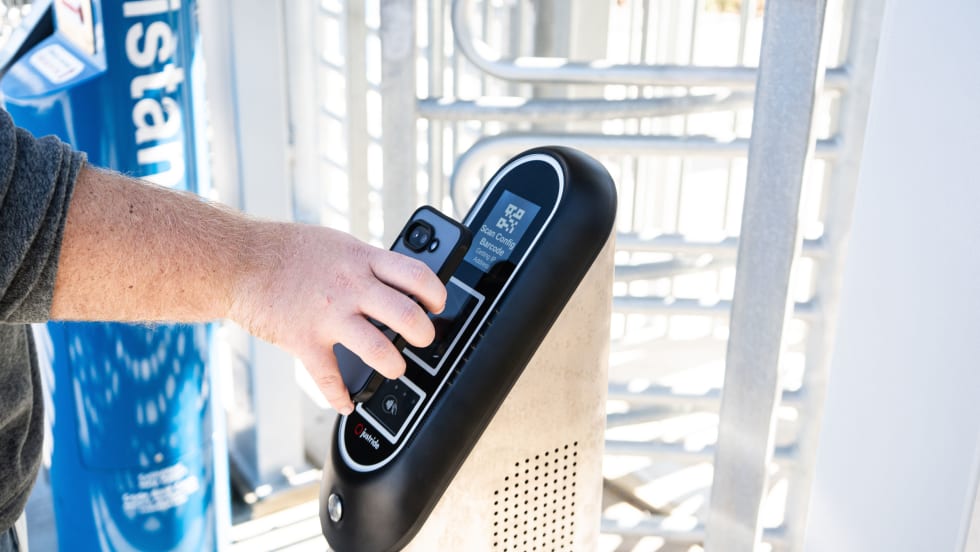
Biz Briefs: Masabi Teams with St. Louis Metro and More
In METRO's latest installment, we take a look at recent news from Transdev, Hitachi, and more partnerships making headlines across the transportation sector.
Read More →