



OLI: Rail crossing collisions rose in 2010
The nonprofit cites FRA statistics, which indicate 2,004 vehicle-train collisions in the U.S. in 2010, up 4.2 percent from the 1,924 incidents in 2009. The collisions resulted in 260 deaths and 810 injuries, with crossing deaths up 5.3 percent and crossing injuries up 9.8 percent.

An improving economy may have contributed to an increase in vehicle-train and pedestrian collisions, deaths and injuries in 2010, according to Operation Lifesaver Inc. (OLI), the national nonprofit rail safety education organization, citing preliminary 2010 Federal Railroad Administration (FRA) statistics.
“The statistics show that as America pulls out of the recession and people are driving more, we need to redouble our efforts to educate the public about taking unnecessary risks at highway-rail crossings because any incident is one too many,” said OLI President Helen Sramek. “Another disturbing finding is the continued rise in pedestrian incidents on or near train tracks.”
The FRA statistics indicate that there were 2,004 vehicle-train collisions in the U.S. in 2010, up 4.2 percent from the 1,924 incidents in 2009; those 2010 collisions resulted in 260 deaths and 810 injuries, with crossing deaths up 5.3 percent and crossing injuries up 9.8 percent from the 247 deaths and 738 injuries in 2009. States with the most crossing collisions in 2010 were Texas, Illinois, California, Indiana and Louisiana.
U.S. Department of Transportation figures also show that vehicle miles traveled in 2010 (2,999,634 according to the Federal Highway Administration) were the third-highest ever, Sramek noted. “With more people traveling on our roadways, there’s a greater chance for an incident to occur,” she said.
An additional 451 pedestrians were killed and 382 injured while trespassing on train tracks last year, versus 417 deaths and 343 injuries in 2009. Total trespasser deaths rose 8.2 percent and trespasser injuries rose 11.4 percent in 2010. States with the most pedestrian-train casualties (deaths and injuries combined) in 2010 were California, Texas, Illinois, Florida and New York.
“Despite overall gains in rail safety in the past decade, these latest statistics show that Operation Lifesaver must continue its work to educate drivers and pedestrians about the dangers present around tracks and trains,” said Sramek.
More Rail

The Invisible Infrastructure of Passenger Flow
What a seat reservation system on Austria’s Railjet trains reveals about the future of rider experience, and why U.S. agencies should pay attention.
Read More →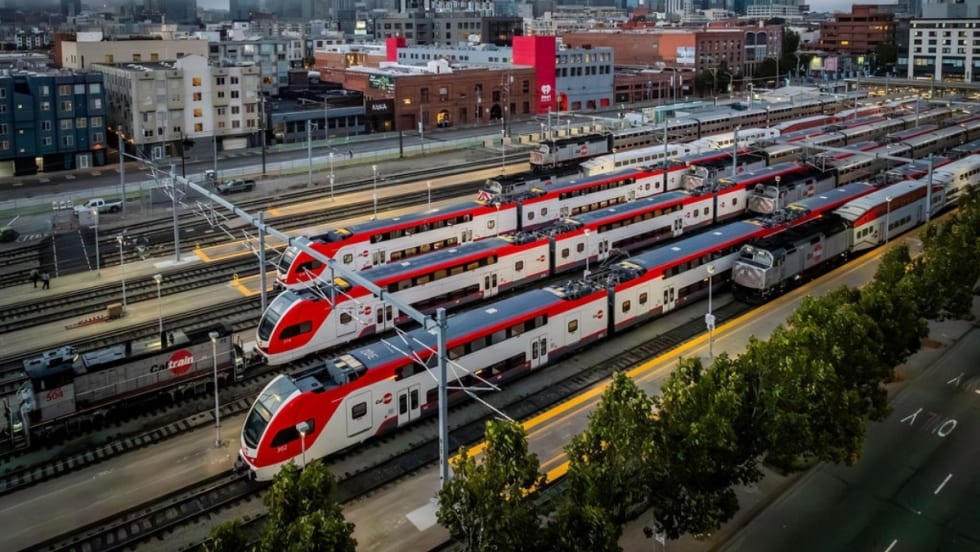
Caltrain Board Approves FY27 Budget, Endorses Efficiency Measures
The move ensures Caltrain service will continue operating as usual in the near term, but long-term financial challenges remain for the rail agency absent a new revenue source.
Read More →
Alstom Acquires Delaware Site to Support Amtrak NextGen Acela Fleet
The company is investing more than $55 million to acquire and improve the property and will employ approximately 100 people at this site once it is operational.
Read More →
When Routine Fails: How Public Transit Must Adapt for the World Cup
The 2026 FIFA World Cup will test transit agencies’ ability to manage unpredictable travel patterns, making real-time data and operational flexibility critical to moving millions of visitors efficiently.
Read More →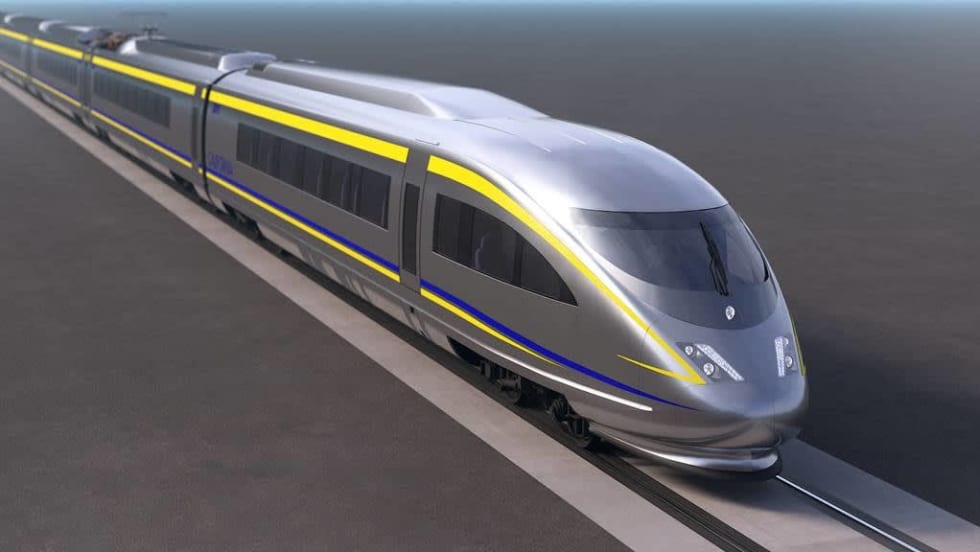
California Selects Team for Nation’s First True High-Speed Rail Track and Systems Contract
The board action follows completion of track installation at the 150-acre southern railhead in Kern County, which will serve as the staging and distribution hub for high-speed track and systems installation.
Read More →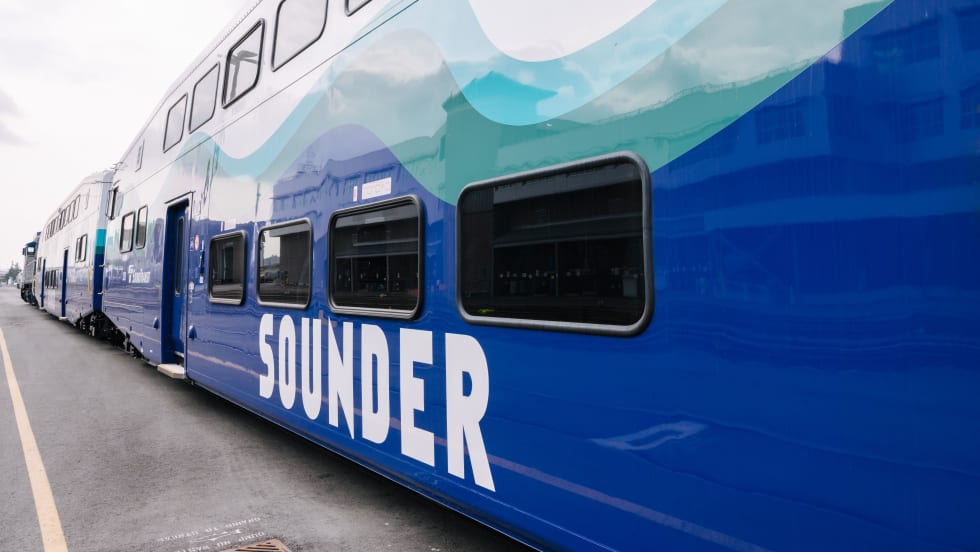
Seattle's Sound Transit Launches New Sounder Railcars into Service
Alstom manufactured all the cars under a $46.5 million contract and came into service in anticipation of summer crowds for soccer and baseball.
Read More →
Alstom Partners With Universities to Build Rail Talent Pipeline
The partnerships include a new engineering scholarship fund at Alfred State College in Western New York and collaborations with transportation centers at the University of Pennsylvania and New York University.
Read More →
Chicago's NITA Act Moves Into Next Phase as Service Improvements Begin
Rider-focused improvements will begin rolling out across the system immediately as CTA, Metra, and Pace increase service this summer in the six-county region.
Read More →
Seattle’s Sound Transit Adopts Updated ST3 System Plan
The updated system plan incorporates cost savings across the agency, including new revenue sources and financial policies, to set the agency on a sustainable path for the future.
Read More →
Inside Look: EMBARK Expands Fare-Free Transit Program Through New Public-Private Partnership
The OKC transit agency says sponsorship helps subsidize the Third Friday Free initiative while reducing barriers for first-time riders and boosting ridership across buses, streetcars, and river cruises.
Read More →