



Michigan’s Ferris State U. to pilot bus service
After research recently conducted by a Ferris task force yielded sufficient interest from students, prospective students and faculty, the university will move forward with The Rapid bus service to the main campus in Big Rapids.

In a special board meeting last week, the Ferris State University board of trustees approved contracting with The Rapid to provide bus transportation between its hub in downtown Grand Rapids and Ferris’ Big Rapids campus beginning next fall.
The agreement is contingent upon final approval by The Rapid board of trustees, which will consider the matter at its May 25 board meeting.
The primary purpose of providing bus service between Grand Rapids and Ferris’ main campus in Big Rapids is to make it easier for current and prospective students from the Grand Rapids area to enroll at Ferris’ Big Rapids campus, according to Vice President for Administration and Finance Jerry Scoby.
Scoby said that although the idea is not new, the university decided to move forward with bus service between the two cities after research recently conducted by a Ferris task force yielded sufficient interest by current and prospective students and faculty and staff, living in Kent County to proceed with piloting the initiative for at least two years.
The proposed bus service would run Monday through Friday on days classes are held during the fall and spring semesters, with no summer service. The bus would make two morning and two afternoon trips on a schedule that allows students traveling from Grand Rapids to arrive in time for 8 a.m. classes on the Big Rapids campus and depart at various intervals later in the day. Trips would originate from The Rapid’s central station in Grand Rapids, stopping near Grand Rapids Community College and Ferris’ Kendall College of Art and Design, as well as the park-and-ride public lot at the M-57 exit along US 131.
Although it is not known how many Ferris students would actually use the service, the university administration believes there should be sufficient capacity on the 40-seat commuter bus to accommodate faculty and staff, as well.
Annual costs to operate the bus service are estimated at $100,000 and would be covered by a combination of university funding and revenue from rider fares. Under the plan, Ferris would evaluate the ridership after two years of operation and determine whether it is feasible to continue the service.
More Bus
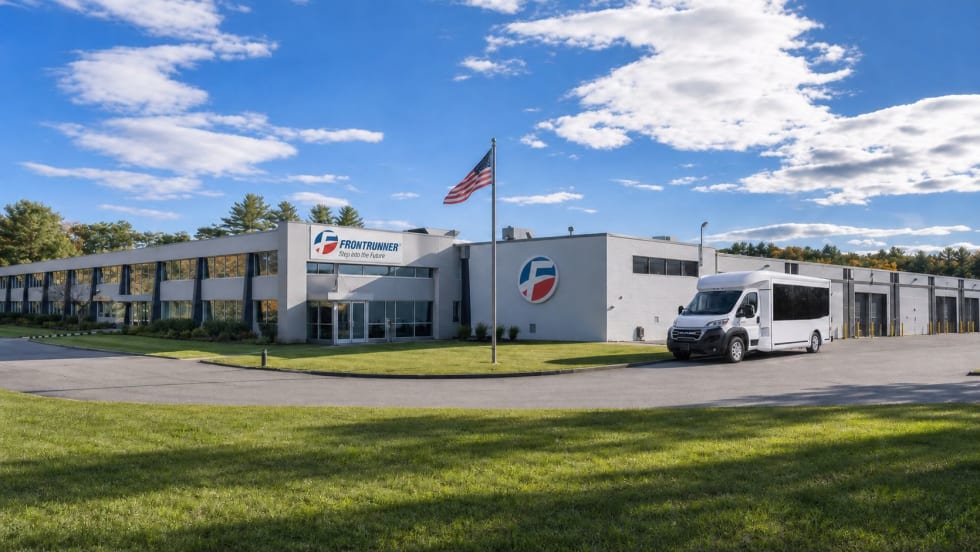
Frontrunner Bus Group Expands with New Massachusetts Headquarters
The significantly larger facility will provide the infrastructure needed to support the company’s growing workforce, advanced technologies, and expanding product line.
Read More →
Joshua Schank on Transportation Innovation, Risk, and the Future of Mobility
In this edition of METROspectives, Joshua Schank discusses lessons from launching LA Metro’s Office of Extraordinary Innovation, the challenges of advancing new mobility technologies, and much more.
Read More →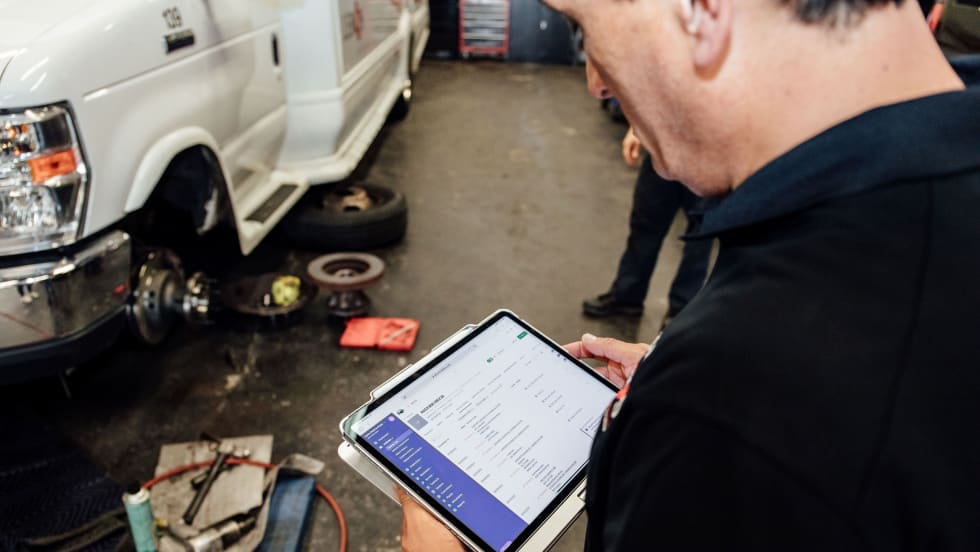
Reinventing Fleet Maintenance with Real-time Visibility and AI
Transit leaders need to know what needs fixing, where to look, who is responsible, when work is completed, and what it costs without having to chase information across disconnected systems.
Read More →
SamTrans Sets Priorities for Potential Connect Bay Area Revenue
The board-approved framework allocates future funding to maintaining service, rider improvements, equity initiatives, and infrastructure repairs.
Read More →
When Routine Fails: How Public Transit Must Adapt for the World Cup
The 2026 FIFA World Cup will test transit agencies’ ability to manage unpredictable travel patterns, making real-time data and operational flexibility critical to moving millions of visitors efficiently.
Read More →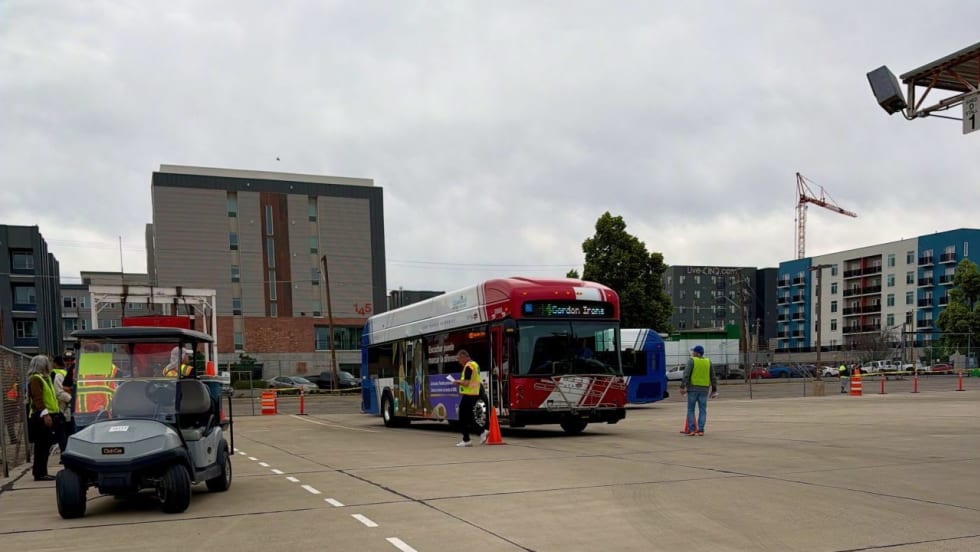
Photo Highlights from APTA's 2026 Mobility Conference
The photo gallery captures scenes from the conference, including the International Bus Roadeo, exhibit hall activities, the Bus Showcase, and much more.
Read More →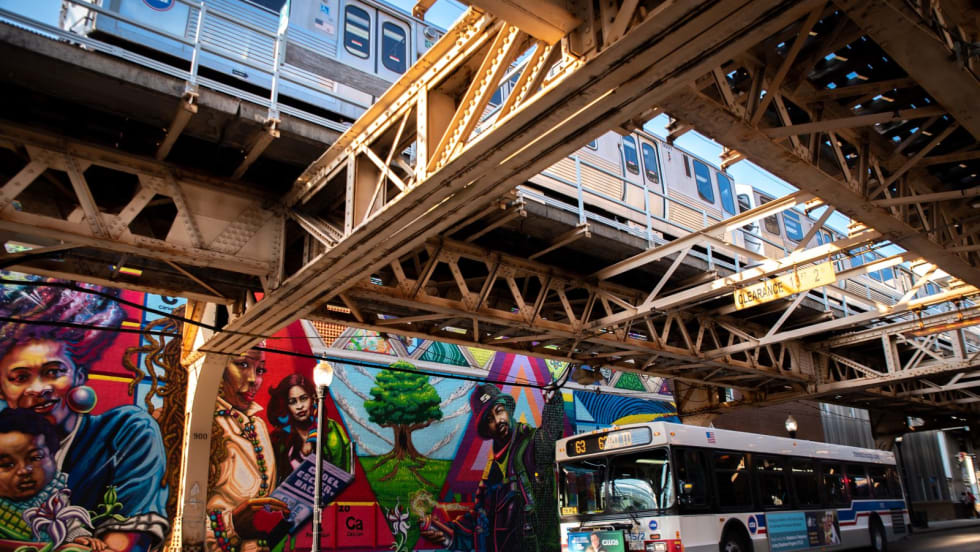
Chicago's NITA Act Moves Into Next Phase as Service Improvements Begin
Rider-focused improvements will begin rolling out across the system immediately as CTA, Metra, and Pace increase service this summer in the six-county region.
Read More →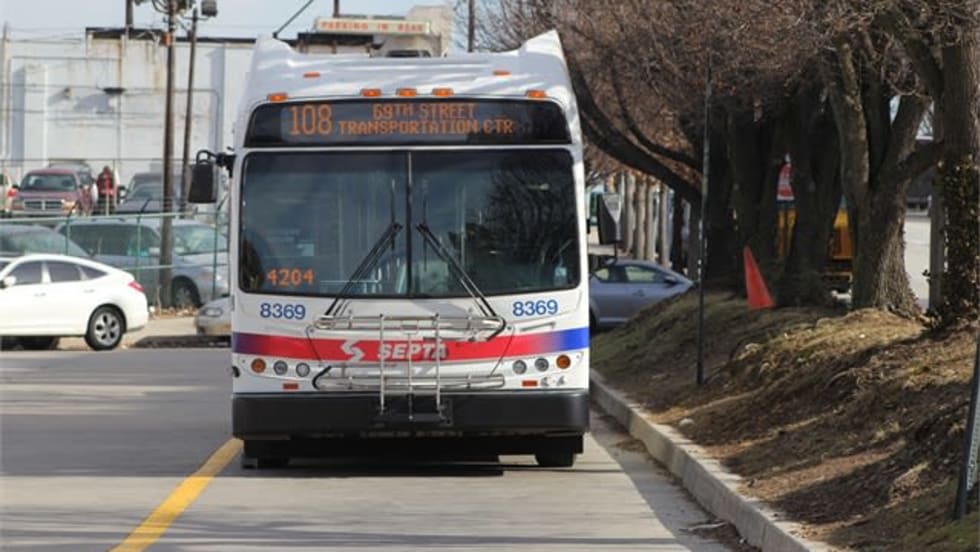
Philadelphia's SEPTA Approves Annual Transit Service Plan
Between 2021 and 2024, SEPTA held more than 200 public meetings — including 144 in-person sessions — throughout the SEPTA service region.
Read More →
A True Low-Floor Minibus Design Delivers Better Accessibility and Efficiency for Everyone
As transit demands evolve, so should your fleet. Download the whitepaper to see how the Low-Floor Frontrunner Minibus compares to traditional options.
Read More →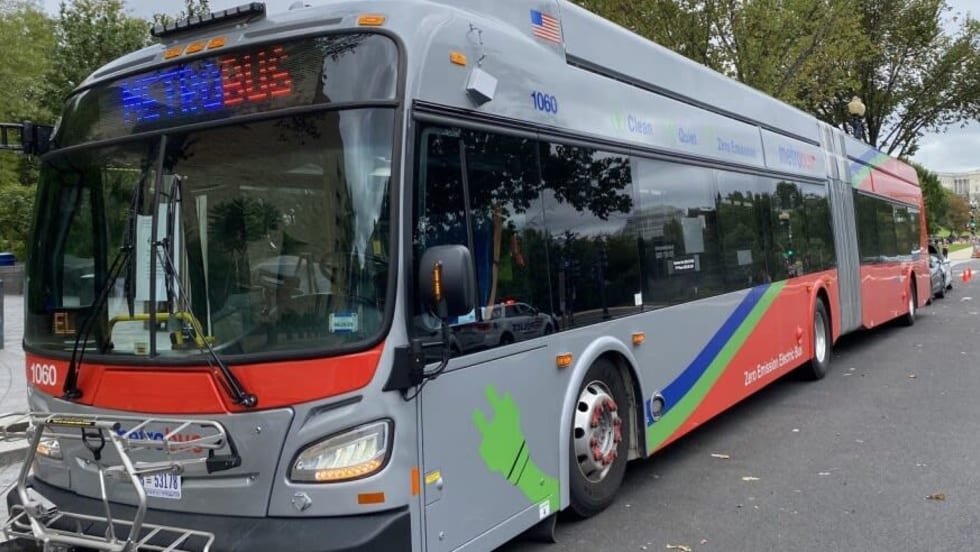
WMATA Debuts 'Fares Pay for Service' Awareness Campaign
The campaign was highlighted during a media event at the Paul S. Sarbanes Transit Center in Silver Spring, where WMATA’s GM/CEO Randy Clarke joined Metro Transit Police officers, WMATA management team, board members, and staff to expand fare enforcement and customer education efforts on Metro Bus routes throughout the region.
Read More →