



SamTrans awarded for sustainability efforts
APTA honored the agency with a bronze level recognition award for its commitment to sustainability. SamTrans’ Sustainability Program is spearheaded by employee volunteers who work on projects and policies that demonstrate sustainability in action, such as switching to energy-efficient lighting, using double-sided printing and changing to single stream recycling.

In stepping up its efforts over the last two years to become a more environmentally-friendly transit agency, SamTrans created the Sustainability Program to conserve resources and help the agency save money by reducing water, energy and what goes into waste streams.
The program is spearheaded by employee volunteers who work on projects and policies that demonstrate sustainability in action, such as switching to energy-efficient lighting, using double-sided printing and changing to single stream recycling that allows all recyclables — plastic, glass, cans, bottles and metal — to be placed in one bin.
The agency recently received a bronze level recognition award from the American Public Transportation Association (APTA) for its commitment to sustainability.
To qualify for the bronze level, SamTrans needed to demonstrate actions and commitments to sustainability. APTA required SamTrans to complete at least five projects. SamTrans had already completed a number of projects, including consolidating the agency's motorpool to help facilitate carpooling, turning off all computers and monitors at night and posting "lights out" signs in common areas.
SamTrans also was asked to commit to completing an additional five projects, on top of the required five. Some of the SamTrans commitments include continuing the educational forums and finding more ways to reduce paper consumption, in addition to reducing the District's greenhouse gas emissions by 2 percent.
In APTA's review of SamTrans' submission, the organization said the following:
"It was clear that SamTrans is serious not only about committing to sustainability, but also about tracking their performance and progress. It presents a very practical and realistic example of a typical transit agency that is trying to make the best of the resources available – not averse to identifying areas for improvement, and balanced by areas that deserve recognition."
Last fall, the SamTrans Sustainability Action Team kicked off an employee "Green Bag Lunch" event, a regular series of educational programs providing more information about sustainability. SamTrans also launched the "Lightly Used Office Products Recycling Program," creating a shared location for employees to donate lightly used office supplies, such as binders and hanging folders that could be used before purchasing new items.
Long-term, SamTrans is committed to reducing Bay Area emissions, reducing the transit agency's carbon footprint and influencing its suppliers to provide green products and services through a new environmental procurement policy.
More Bus
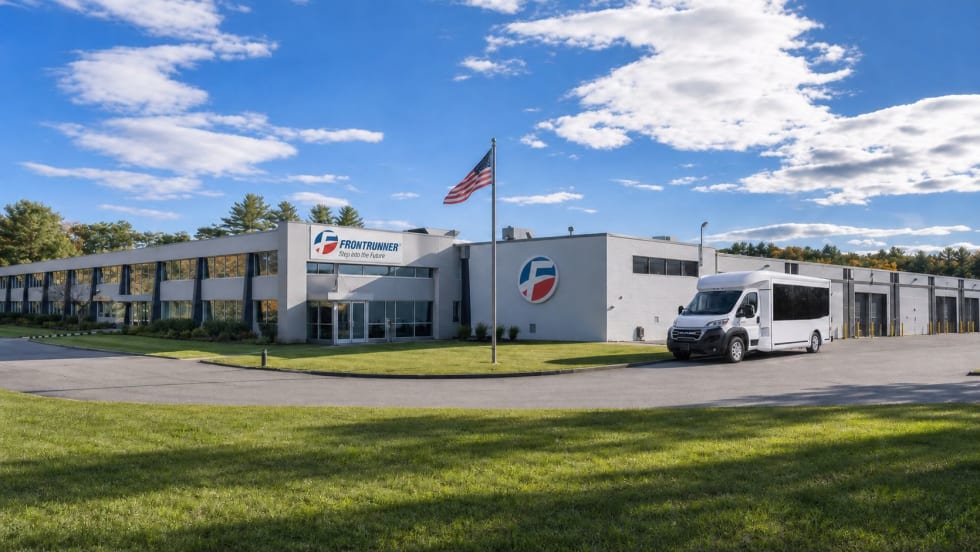
Frontrunner Bus Group Expands with New Massachusetts Headquarters
The significantly larger facility will provide the infrastructure needed to support the company’s growing workforce, advanced technologies, and expanding product line.
Read More →
Joshua Schank on Transportation Innovation, Risk, and the Future of Mobility
In this edition of METROspectives, Joshua Schank discusses lessons from launching LA Metro’s Office of Extraordinary Innovation, the challenges of advancing new mobility technologies, and much more.
Read More →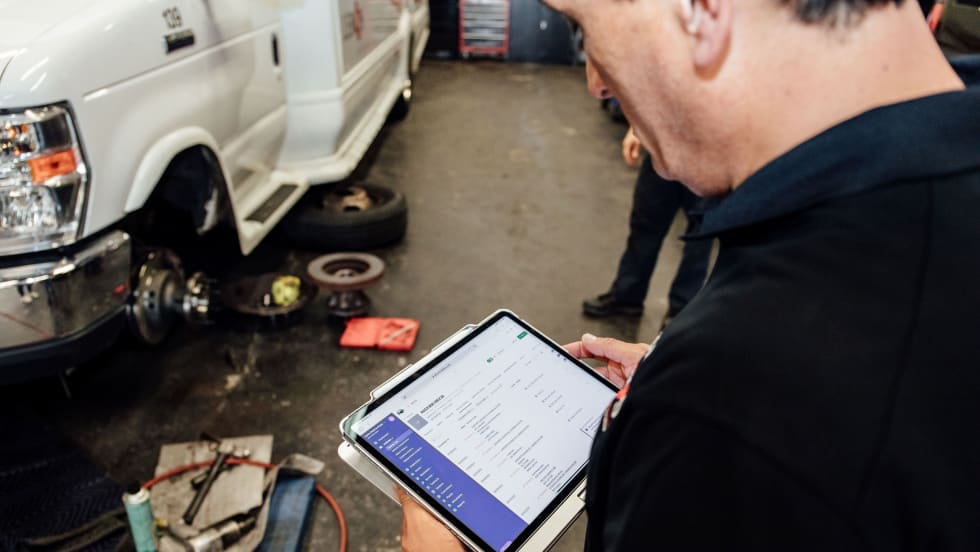
Reinventing Fleet Maintenance with Real-time Visibility and AI
Transit leaders need to know what needs fixing, where to look, who is responsible, when work is completed, and what it costs without having to chase information across disconnected systems.
Read More →
SamTrans Sets Priorities for Potential Connect Bay Area Revenue
The board-approved framework allocates future funding to maintaining service, rider improvements, equity initiatives, and infrastructure repairs.
Read More →
When Routine Fails: How Public Transit Must Adapt for the World Cup
The 2026 FIFA World Cup will test transit agencies’ ability to manage unpredictable travel patterns, making real-time data and operational flexibility critical to moving millions of visitors efficiently.
Read More →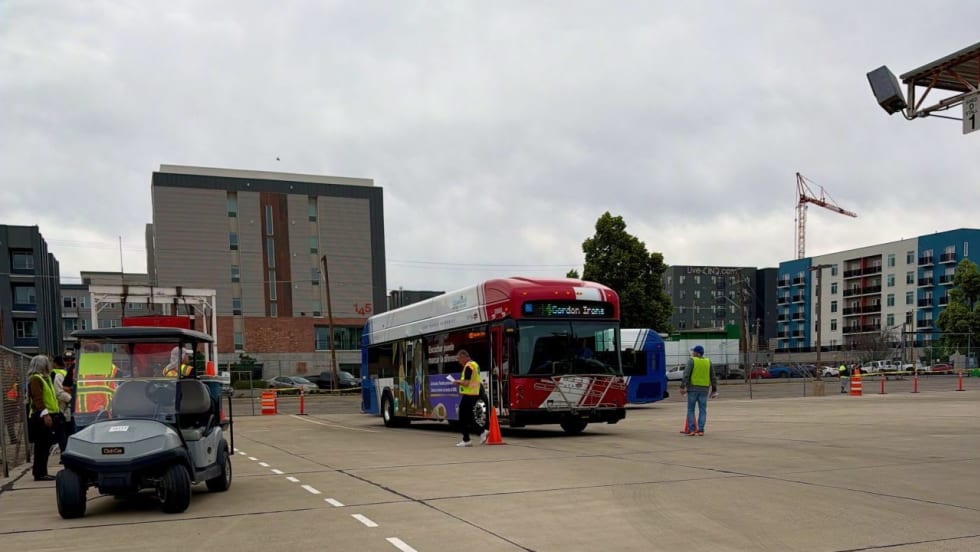
Photo Highlights from APTA's 2026 Mobility Conference
The photo gallery captures scenes from the conference, including the International Bus Roadeo, exhibit hall activities, the Bus Showcase, and much more.
Read More →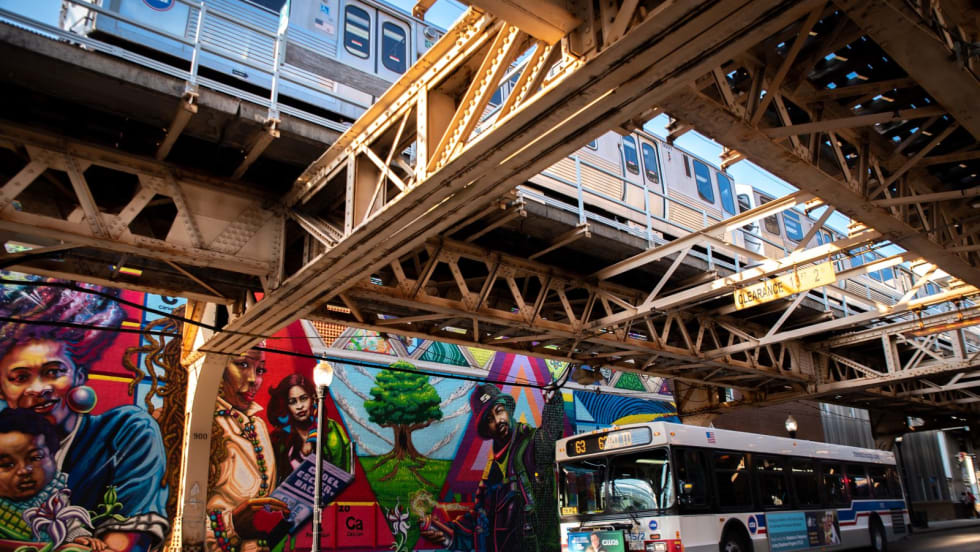
Chicago's NITA Act Moves Into Next Phase as Service Improvements Begin
Rider-focused improvements will begin rolling out across the system immediately as CTA, Metra, and Pace increase service this summer in the six-county region.
Read More →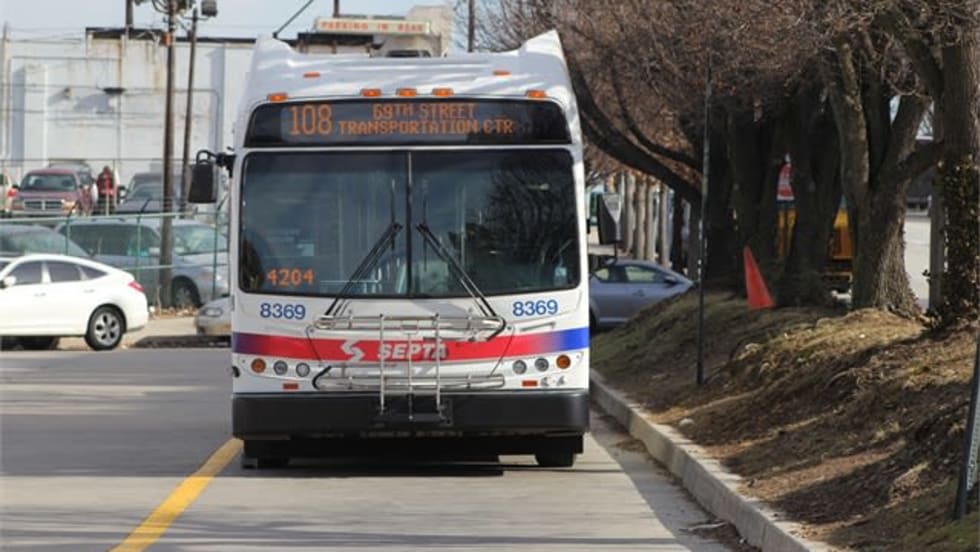
Philadelphia's SEPTA Approves Annual Transit Service Plan
Between 2021 and 2024, SEPTA held more than 200 public meetings — including 144 in-person sessions — throughout the SEPTA service region.
Read More →
A True Low-Floor Minibus Design Delivers Better Accessibility and Efficiency for Everyone
As transit demands evolve, so should your fleet. Download the whitepaper to see how the Low-Floor Frontrunner Minibus compares to traditional options.
Read More →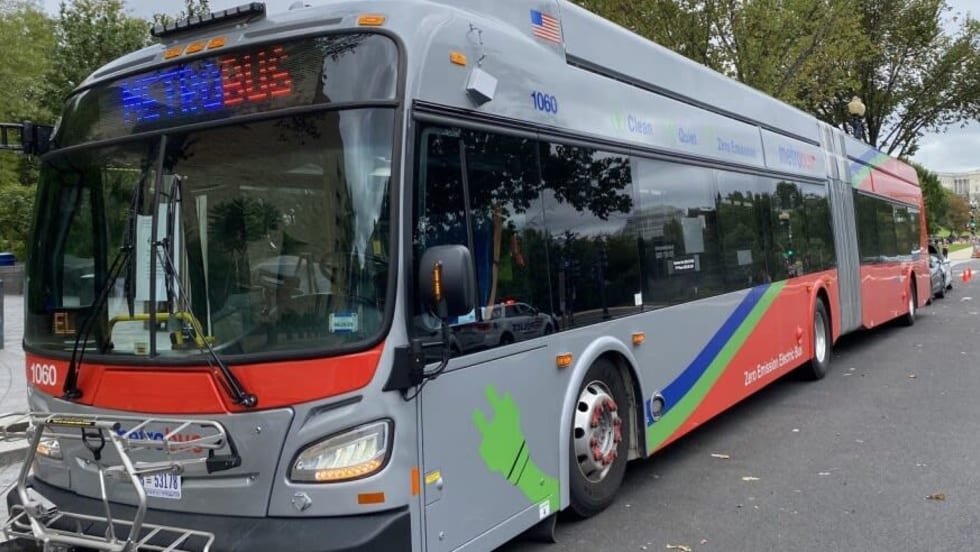
WMATA Debuts 'Fares Pay for Service' Awareness Campaign
The campaign was highlighted during a media event at the Paul S. Sarbanes Transit Center in Silver Spring, where WMATA’s GM/CEO Randy Clarke joined Metro Transit Police officers, WMATA management team, board members, and staff to expand fare enforcement and customer education efforts on Metro Bus routes throughout the region.
Read More →