



Amtrak enhances security with right-of-way protection
Security countermeasures will provide additional right-of-way protections for passenger trains, particularly those operating on the Northeast Corridor. They will join existing Amtrak security efforts focusing on threats related to the use of improvised explosive devices in a station or on a train, or an active shooter scenario.

Amtrak is expanding its comprehensive rail security efforts to provide increased right-of-way (ROW) protection to detect and deter terrorists seeking to derail passenger trains, testified Amtrak Chief of Police John O’Connor before the U.S. Senate Committee on Commerce, Science and Transportation on Tuesday.
Chief O’Connor said threats against rail transportation are very real and “[t]he recent events after the death of bin Laden serve as a stark reminder that these threats continue to be viable.” He stressed the interest of terrorists in derailing trains is of particular concern to Amtrak which “operates high-speed rail trains where catastrophic losses could occur.”
The security countermeasures will provide additional ROW protections for passenger trains, particularly those operating on the Amtrak-owned Northeast Corridor. They will join existing Amtrak security efforts focusing on threats related to the use of improvised explosive devices (IEDs) in a station or on a train, or an active shooter scenario.
Historically, Amtrak has used a range of security strategies such as high security fencing, bollards, blast curtains, access control and technologically driven initiatives to protect stations, bridges and tunnels. Amtrak is exploring the expanded use of these strategies for ROW protection.
Since the U.S. raid on the bin Laden compound, Amtrak has bolstered current security actions, expanded ROW patrols in collaboration with other federal, state and local partners and met with officials from the Transportation Security Administration (TSA) to evaluate next steps based on the intelligence gathered.
Amtrak also is reinforcing employee awareness programs, particularly with personnel from its Engineering and Mechanical departments, to encourage vigilance and the reporting of unusual occurrences on the ROW.
In addition, O’Connor noted that Amtrak is working with TSA to integrate sensor technology with cameras to monitor for intrusions along the ROW. Other technologies being developed by Amtrak will improve upon existing security strategy and operations, enhance interagency information sharing and local agency response to Amtrak incidents.
O’Connor said Amtrak is committed to “let our risk assessments drive security investment” and that the railroad will continue existing security strategies such as canine explosive detection teams, random passenger baggage screening, and uniformed patrols at stations and on trains.
Furthermore, Amtrak is a member of FBI Joint Terrorism Task Forces and an active participant in the TSA “See Something, Say Something” public awareness campaign.
The Amtrak Police Department also recently launched a new neighborhood watch style program called Partners for Amtrak Safety and Security (PASS) that seeks to utilize the knowledge of passengers and others who travel throughout the Amtrak national system in identifying and reporting behaviors or activities that are unusual or out of the ordinary.
More Rail
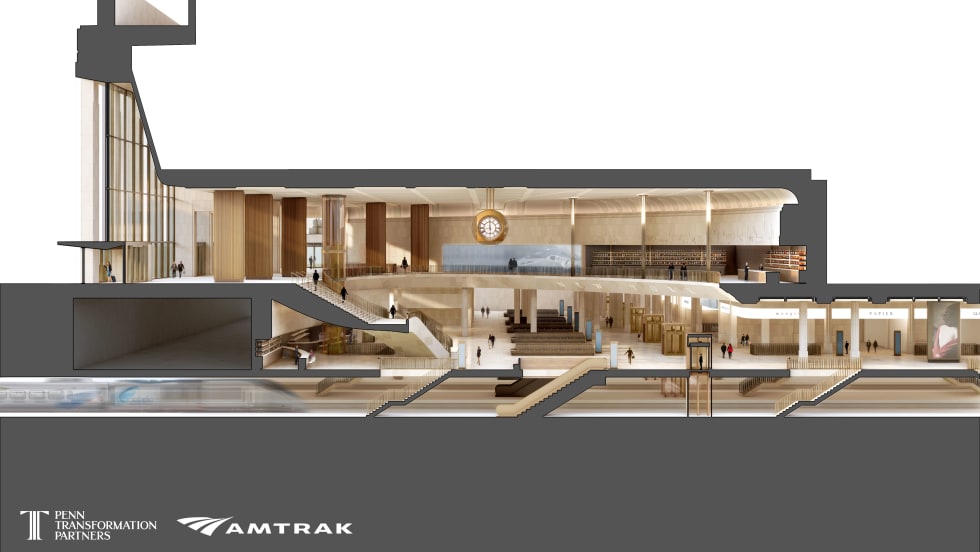
Penn Station Transformation Advances with Design Unveiling
The historic redesign will transform the busiest transit hub in the Western Hemisphere from the tracks to the street level, creating a more efficient, cleaner, and functional experience for more than 600,000 daily commuters and millions of visitors.
Read More →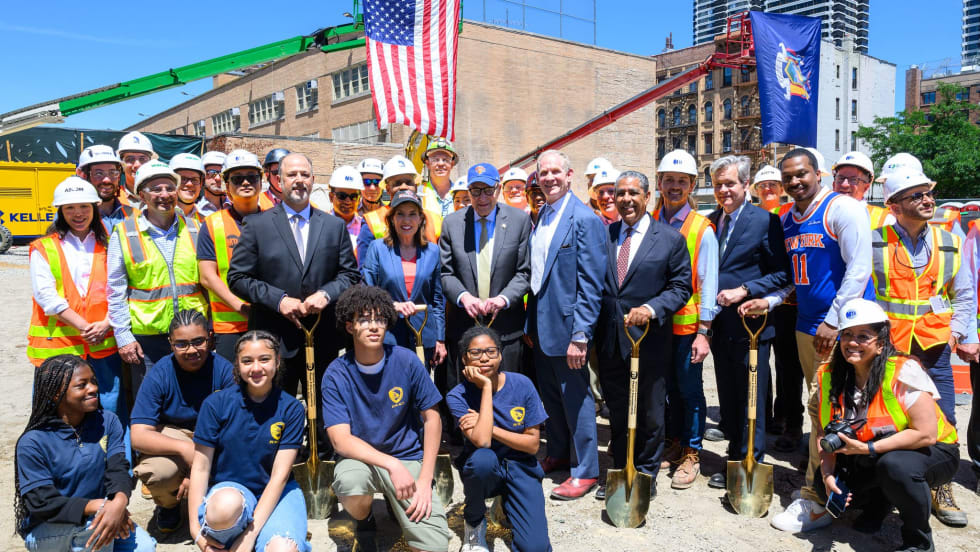
Second Avenue Subway Phase 2 Advances into Major Construction Stage
New York Governor Kathy Hochul joined leadership from the MTA, elected officials, and Harlem community leaders to break ground on the major construction stage of the transformative Second Avenue Subway Phase 2 project.
Read More →
The Invisible Infrastructure of Passenger Flow
What a seat reservation system on Austria’s Railjet trains reveals about the future of rider experience, and why U.S. agencies should pay attention.
Read More →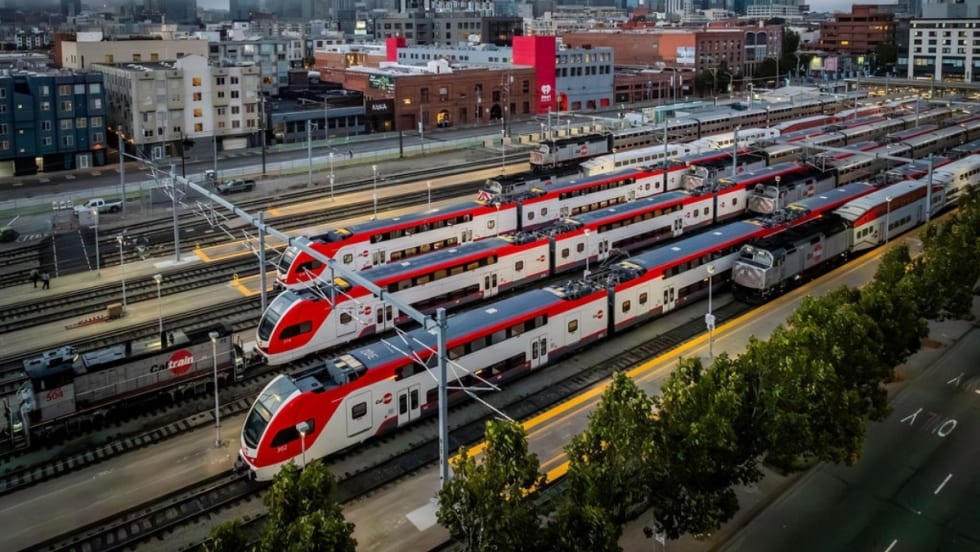
Caltrain Board Approves FY27 Budget, Endorses Efficiency Measures
The move ensures Caltrain service will continue operating as usual in the near term, but long-term financial challenges remain for the rail agency absent a new revenue source.
Read More →
Alstom Acquires Delaware Site to Support Amtrak NextGen Acela Fleet
The company is investing more than $55 million to acquire and improve the property and will employ approximately 100 people at this site once it is operational.
Read More →
When Routine Fails: How Public Transit Must Adapt for the World Cup
The 2026 FIFA World Cup will test transit agencies’ ability to manage unpredictable travel patterns, making real-time data and operational flexibility critical to moving millions of visitors efficiently.
Read More →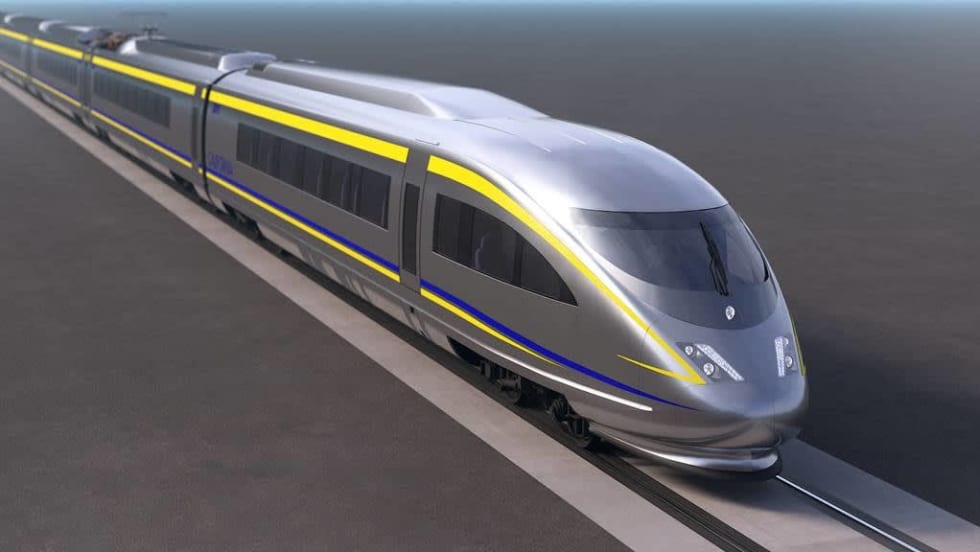
California Selects Team for Nation’s First True High-Speed Rail Track and Systems Contract
The board action follows completion of track installation at the 150-acre southern railhead in Kern County, which will serve as the staging and distribution hub for high-speed track and systems installation.
Read More →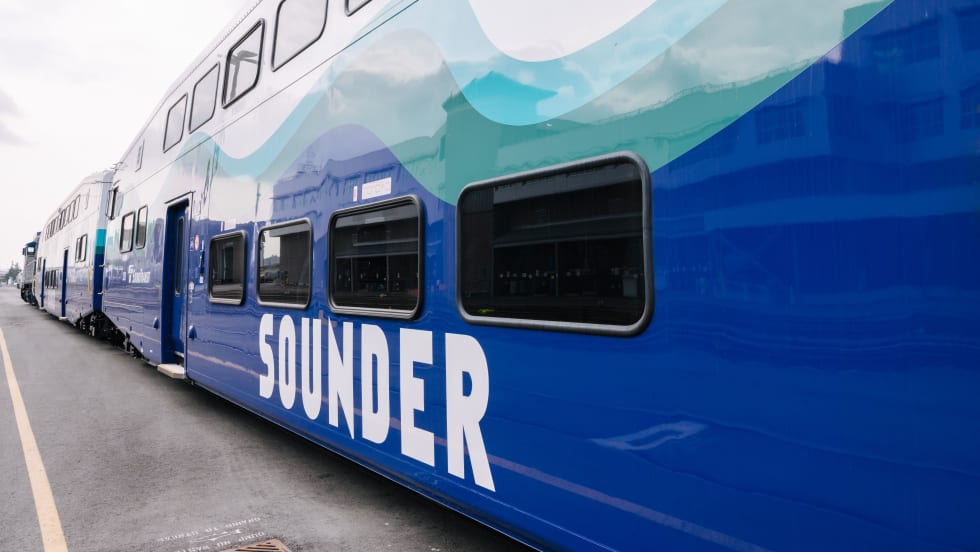
Seattle's Sound Transit Launches New Sounder Railcars into Service
Alstom manufactured all the cars under a $46.5 million contract and came into service in anticipation of summer crowds for soccer and baseball.
Read More →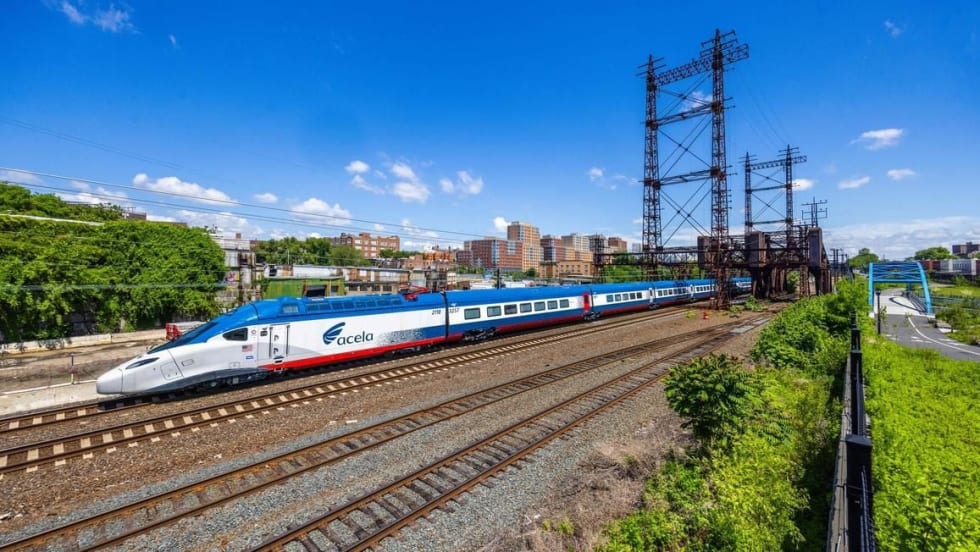
Alstom Partners With Universities to Build Rail Talent Pipeline
The partnerships include a new engineering scholarship fund at Alfred State College in Western New York and collaborations with transportation centers at the University of Pennsylvania and New York University.
Read More →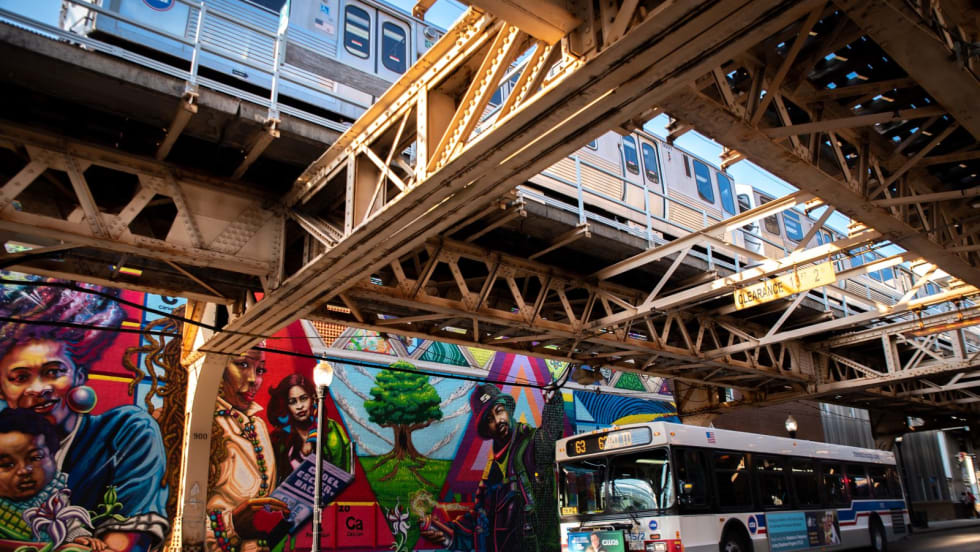
Chicago's NITA Act Moves Into Next Phase as Service Improvements Begin
Rider-focused improvements will begin rolling out across the system immediately as CTA, Metra, and Pace increase service this summer in the six-county region.
Read More →