



Profile: Arizona State U. adds to green transit options
To remain as sustainable as possible and make transportation easy and accessible, the University is introducing an “Eco Pass,” allowing students to pay a small fee up front to park on campus and use transit. Several easy-to-use alternative transportation methods are currently available to students, staff and faculty.

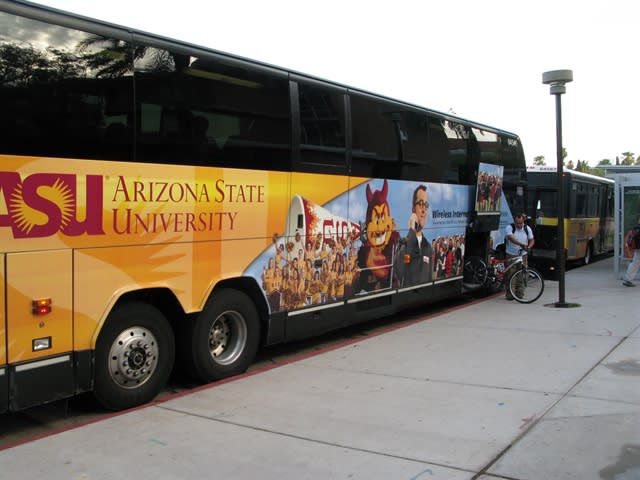
[IMAGE]ASU-Flash-Shuttle-June24-2011-2.jpg[/IMAGE] Putting an emphasis on sustainability, Arizona State University (ASU) has worked over the past four years with students, faculty and staff, Zipcar, the City of Tempe and national motorcoach carrier Coach America to make alternative transportation easy for anyone on any of its four campuses.
With about 20,000 parking spaces and 50,000 students, the largest campus, located in Tempe, cannot accommodate every student with a car. To keep its campuses eco-friendly and accommodate all its students, ASU’s Parking & Transit Services department devised a plan intended to meet the needs of students, faculty and staff, Leona Morales, information specialist, Arizona State U., Parking & Transit Services, said.
Four years ago, the department put together a parking and transit task force comprised of students, faculty and staff members without ties to the department. “They decided that with the growing population of our campus and city, we needed to have something down the road to prepare for all this change,” Morales said.
Based on the task force’s recommendations to prepare for the population influx, ASU decided to offer a U-Pass to students. The U-Pass, introduced in 2007, provides unlimited access to Valley Metro’s (Metro) light rail and bus system. Initially, the University subsidized the entire amount for students. However, in order to sustain the program, ASU had to begin charging $50 per semester for the pass, and prices will soon increase again, to $80 per semester, or $150 per academic year. Students only pay $25 for the summer semester.
When the Parking & Transit Service department debuted the program, it also put in place a free Platinum Pass for faculty and staff, but has had to start charging fees for that pass as well.
Despite fee increases, ridership has been very steady, Morales said. “It was still a deeply discounted rate in comparison to having to pay every single time you board the bus or light rail. That helped take a lot of cars out of our parking lot,” Morales said.
Within the last year the University sold approximately 14,000 U-Passes and Platinum Passes to students, faculty and staff. Student light rail boardings for the 2010-2011 academic year average at 2 million.
The Eco-Pass, a new initiative set as a pilot program for the fall, stemmed from student, faculty, staff survey results. “They wanted to be able to use public transit the majority of the time, but there were some days when they had to bring a vehicle here, they had no option,” Morales explained.
Over the last few months, the Parking & Transit department created a program that, in addition to the U-Pass, would allow students to use the Valley Metro bus and light rail and pay a minimal fee to park on campus up to 25 times during the academic year. With that pass, they get their own parking spot. “It’s much less expensive than having to pay a visitor parking rate. It would be $2 a day in comparison to $8-$12 a day,” Morales added. “It gives them flexibility when they need the convenience of having a vehicle.”
The idea is very popular so far at new student orientation events, Morales said. “I do a lot of our tabling events. The word has gotten around. Students, faculty and staff want to know more about it.”
ASU also offers on-campus transit, including three shuttle routes circulating the Tempe campus for students, running from 6:00 a.m. to 11:00 p.m., with air-conditioned, charter bus shuttles run by Coach America; free inter-campus shuttles called the FLASH, serving all four campuses; as well as light rail from the downtown Phoenix and Tempe locations. Inter-campus shuttles and the light rail are free for students who have purchased a U-Pass.
The inter-campus shuttles average about 43,000 monthly riders, and the fleet travels about 2,000 miles daily. The FLASH’s monthly ridership is 33,000.
Students also can take advantage of the Orbit, a free program offered by the City of Tempe that provides blue mini-buses to transport students around the city of Tempe. The also makes flag stops.
“I call that service the freshman best friend, because for [those] that don’t come here with a vehicle, it’s a great alternative to getting around and still having your independence without having a car,” Morales said. The program is subsidized by the city’s sales tax revenue and ASU also provides financial support. The buses and routes are designed to be very student-friendly, especially for those that have never used public transit before. “I always recommend they try that out before they do anything else,” Morales said. “That way they’re a little more comfortable with utilizing public transit here.”
Morales added that the University tries to make all of its transit services as student-friendly as possible and mitigate the sometimes negative connotations about public transit. The Orbit, runs in a simple, circular pattern, and eventually returns to where it started, making it very difficult to get lost. All the routes are named after the planets. “I kid with the students and say, ‘At the very least you’ll get an astronomy lesson,’” she said.
For the past four years, ASU also has partnered with Zipcar. Students at any campus can reserve a vehicle for $8 an hour. The student has to be 18 years old; have a driver’s license; auto insurance —whether it’s their policy, or a guardian or parent’s — and a good driving record. ASU supplies a total of 12 vehicles, seven hybrids are among them. An annual membership costs $35, but right now Zipcar is giving the fee to them as a credit so they can use that to reserve their vehicle. Over the summer, ASU downsizes its fleet to accommodate fewer students.
The program is especially useful to many students who just need a vehicle to go to a job interview or somewhere where a bus may not be able to go, Morales said.
ASU also encourages people to bike to campus, offering bikers a package which includes a helmet, headlight, tail light, U-lock and bike registration, as well as carpooling allowing people to split the cost of a carpool pass with their carpool partner. “We try to get as many options out there to our faculty and staff and students as possible,” Morales said.
Marketing efforts include monthly giveaways for small prizes, and messages encouraging people to drive less often and use public transit one day out of the week, a bi-weekly e-newsletter mailed directly to students, and Facebook and Twitter accounts.
Additionally, ASU is the first University in the United States to offer a school of sustainability, according to Morales.
More Bus
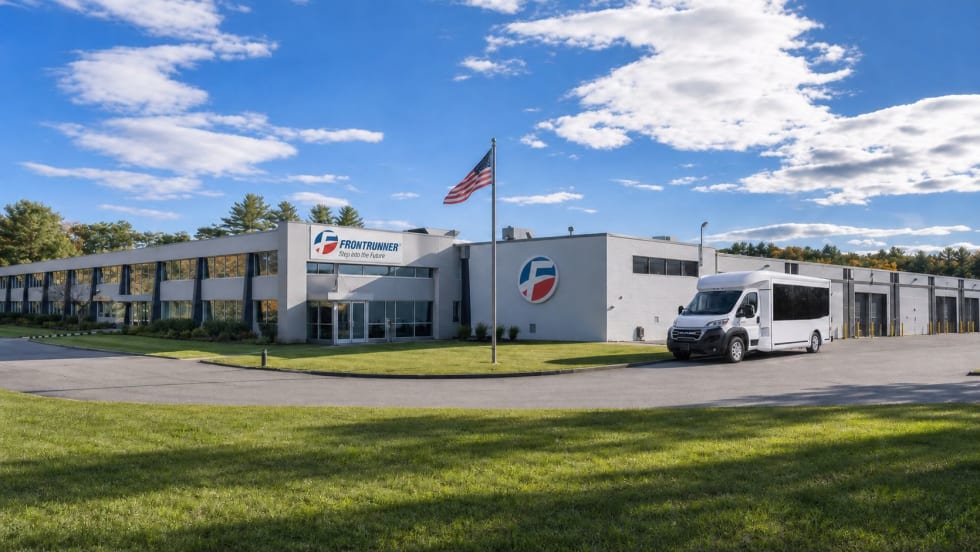
Frontrunner Bus Group Expands with New Massachusetts Headquarters
The significantly larger facility will provide the infrastructure needed to support the company’s growing workforce, advanced technologies, and expanding product line.
Read More →
Joshua Schank on Transportation Innovation, Risk, and the Future of Mobility
In this edition of METROspectives, Joshua Schank discusses lessons from launching LA Metro’s Office of Extraordinary Innovation, the challenges of advancing new mobility technologies, and much more.
Read More →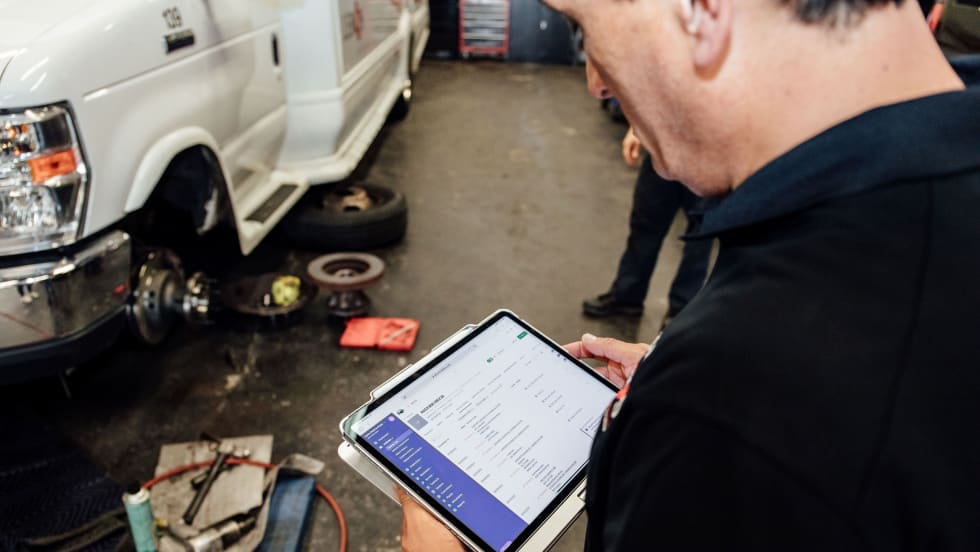
Reinventing Fleet Maintenance with Real-time Visibility and AI
Transit leaders need to know what needs fixing, where to look, who is responsible, when work is completed, and what it costs without having to chase information across disconnected systems.
Read More →
SamTrans Sets Priorities for Potential Connect Bay Area Revenue
The board-approved framework allocates future funding to maintaining service, rider improvements, equity initiatives, and infrastructure repairs.
Read More →
When Routine Fails: How Public Transit Must Adapt for the World Cup
The 2026 FIFA World Cup will test transit agencies’ ability to manage unpredictable travel patterns, making real-time data and operational flexibility critical to moving millions of visitors efficiently.
Read More →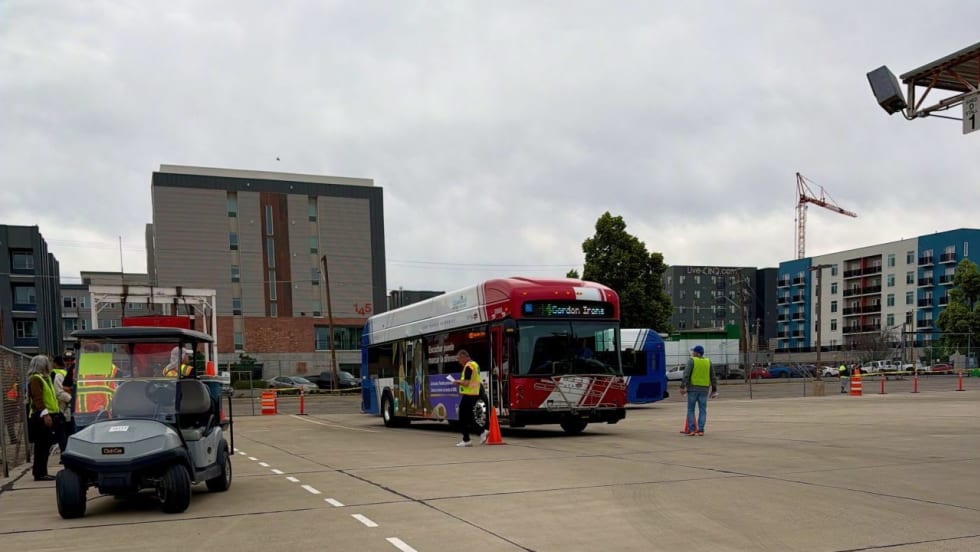
Photo Highlights from APTA's 2026 Mobility Conference
The photo gallery captures scenes from the conference, including the International Bus Roadeo, exhibit hall activities, the Bus Showcase, and much more.
Read More →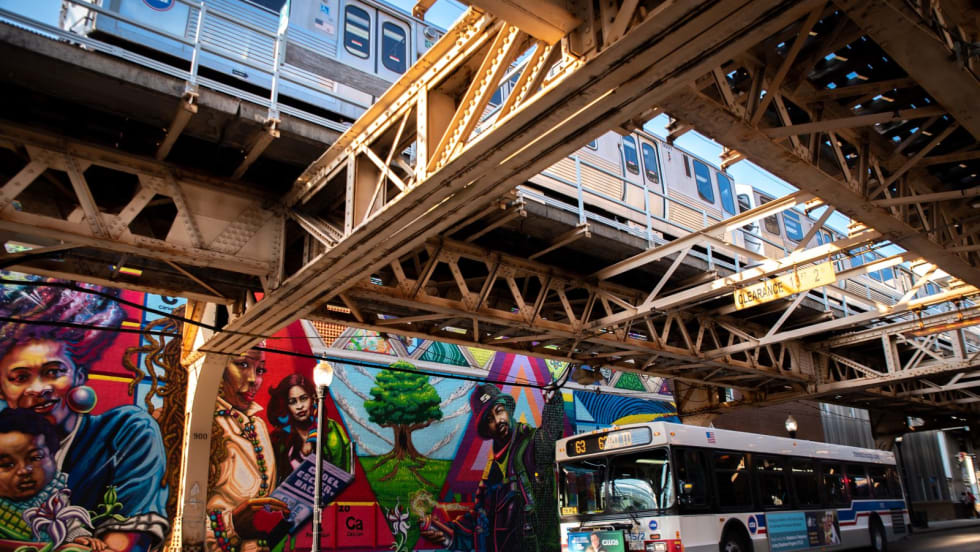
Chicago's NITA Act Moves Into Next Phase as Service Improvements Begin
Rider-focused improvements will begin rolling out across the system immediately as CTA, Metra, and Pace increase service this summer in the six-county region.
Read More →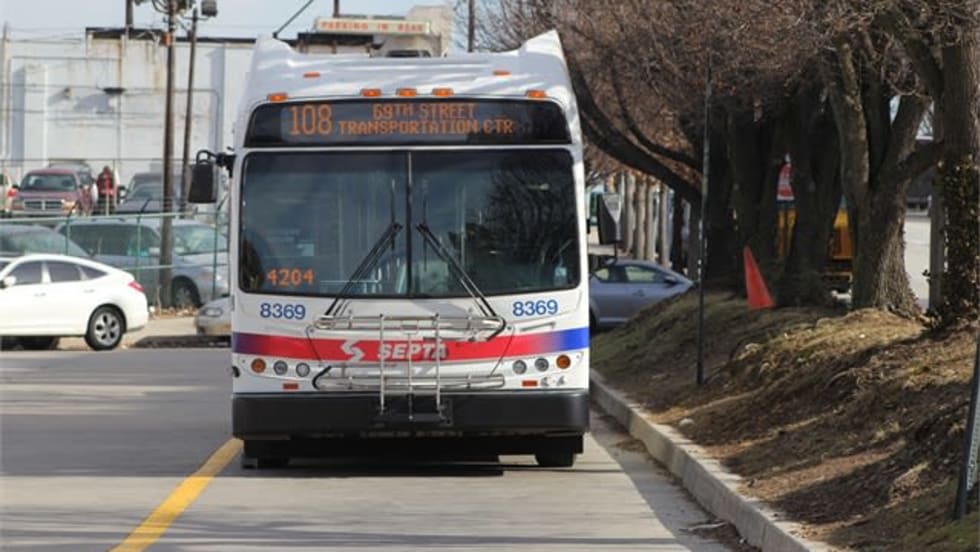
Philadelphia's SEPTA Approves Annual Transit Service Plan
Between 2021 and 2024, SEPTA held more than 200 public meetings — including 144 in-person sessions — throughout the SEPTA service region.
Read More →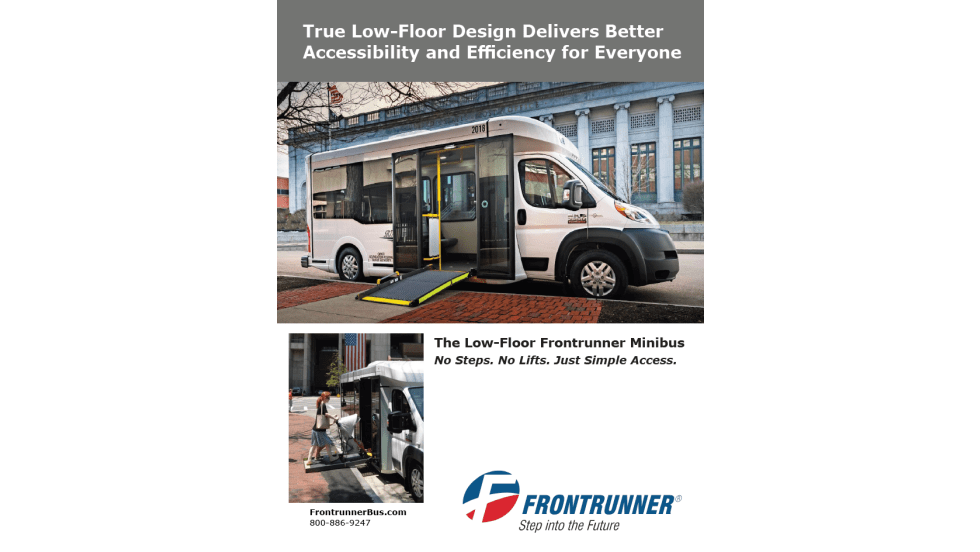
A True Low-Floor Minibus Design Delivers Better Accessibility and Efficiency for Everyone
As transit demands evolve, so should your fleet. Download the whitepaper to see how the Low-Floor Frontrunner Minibus compares to traditional options.
Read More →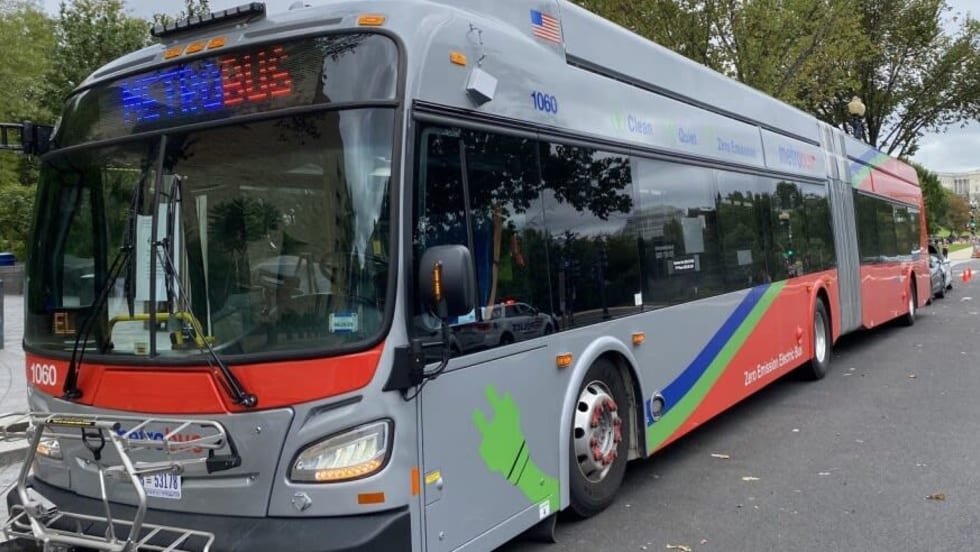
WMATA Debuts 'Fares Pay for Service' Awareness Campaign
The campaign was highlighted during a media event at the Paul S. Sarbanes Transit Center in Silver Spring, where WMATA’s GM/CEO Randy Clarke joined Metro Transit Police officers, WMATA management team, board members, and staff to expand fare enforcement and customer education efforts on Metro Bus routes throughout the region.
Read More →