



FTA announces $175M available in ‘Livability’ grants
Will help urban, suburban and rural communities develop transit options to better connect people to where they live, work and play. Local transit agencies will be able to compete for the funding. The competitive grant program will begin accepting applications when announced in the Federal Register during the week of June 20.

On Thursday, U.S. Transportation Secretary Ray LaHood announced the availability of up to $175 million in livability grants to help urban, suburban and rural communities develop transit options to better connect people to where they live, work and play.
Local transit agencies will be able to compete for livability dollars. The competitive grant program will begin accepting applications when announced in the Federal Register during the week of June 20.
The announcement comes on the second anniversary of the creation of the federal Partnership for Sustainable Communities. Livability grants are aimed at assuring that transportation and housing decisions are made jointly and recognize the unique character of each community.
“Coordinated transportation and housing planning can make the best use of scarce federal dollars and can help create jobs, lower transportation costs and reduce our dependence on oil,” said Secretary LaHood. “Communities where people have access to affordable housing and different forms of transportation to get to places that are important to them are communities where people want to live.”
The Partnership for Sustainable Communities is a collaborative effort among the U.S. Department of Transportation, Department of Housing and Urban Development, and the Environmental Protection Agency to help American families gain better access to affordable housing, better transportation options and lower transportation costs.
“In addition to the need for affordable housing, the Obama Administration recognizes the necessity for safe, convenient and affordable transportation,” said Federal Transit Administrator Peter Rogoff. “We’re helping to better connect communities and create reliable transit choices so that people can make it home from work in time to sit down to dinner with their families or help their kids with homework. That means a higher quality of life for all Americans and a more efficient and more usable transportation network for moving people and goods.”
Up to $150 million of the livability funding being announced comes from the Bus and Bus Facilities Program, which provides money to purchase or replace buses and to build bus-related facilities. The remaining funds come from the Alternatives Analysis Program, which provides money to help communities evaluate and select the best transit options to meet their transportation needs. The money can be spent on a broad range of projects within those two categories.
FTA’s Alternatives Analysis grant program is the first key milestone in obtaining federal investments in new capital transit projects. The alternatives analysis is complete once a locally preferred alternative is selected and adopted as part of the affected region’s long-range transportation plan.
More Bus
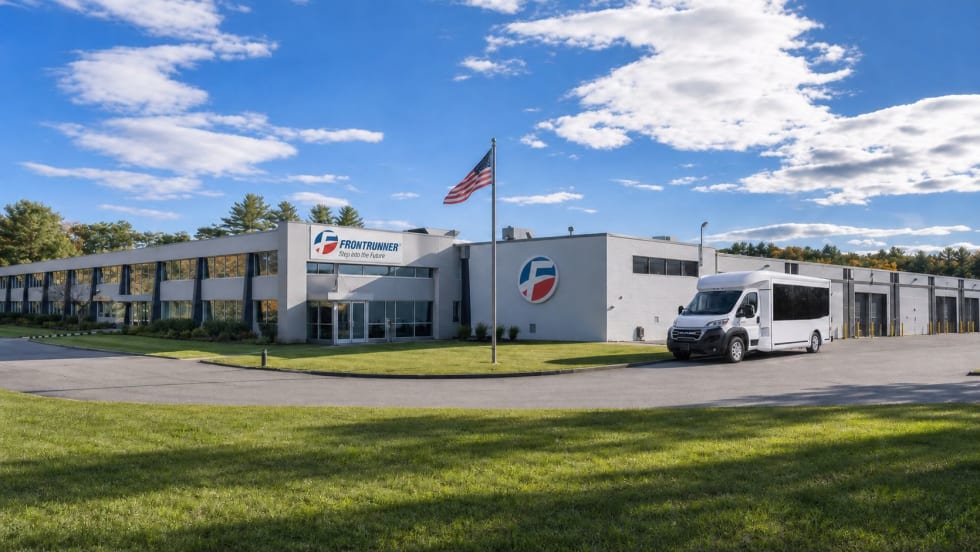
Frontrunner Bus Group Expands with New Massachusetts Headquarters
The significantly larger facility will provide the infrastructure needed to support the company’s growing workforce, advanced technologies, and expanding product line.
Read More →
Joshua Schank on Transportation Innovation, Risk, and the Future of Mobility
In this edition of METROspectives, Joshua Schank discusses lessons from launching LA Metro’s Office of Extraordinary Innovation, the challenges of advancing new mobility technologies, and much more.
Read More →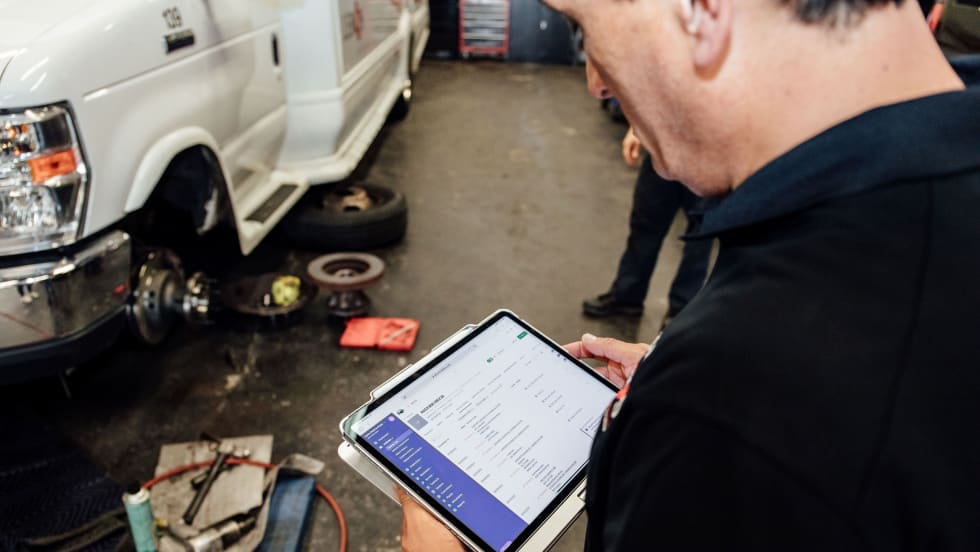
Reinventing Fleet Maintenance with Real-time Visibility and AI
Transit leaders need to know what needs fixing, where to look, who is responsible, when work is completed, and what it costs without having to chase information across disconnected systems.
Read More →
SamTrans Sets Priorities for Potential Connect Bay Area Revenue
The board-approved framework allocates future funding to maintaining service, rider improvements, equity initiatives, and infrastructure repairs.
Read More →
When Routine Fails: How Public Transit Must Adapt for the World Cup
The 2026 FIFA World Cup will test transit agencies’ ability to manage unpredictable travel patterns, making real-time data and operational flexibility critical to moving millions of visitors efficiently.
Read More →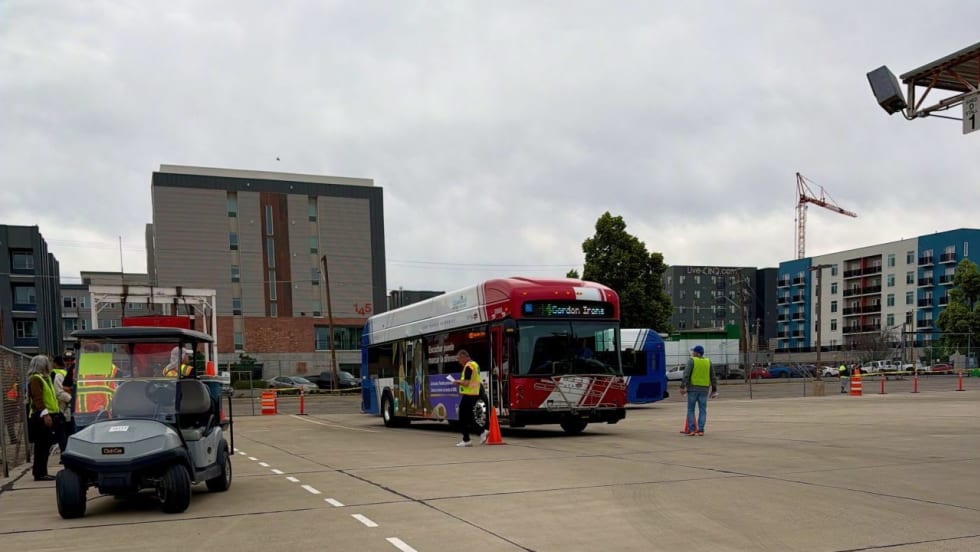
Photo Highlights from APTA's 2026 Mobility Conference
The photo gallery captures scenes from the conference, including the International Bus Roadeo, exhibit hall activities, the Bus Showcase, and much more.
Read More →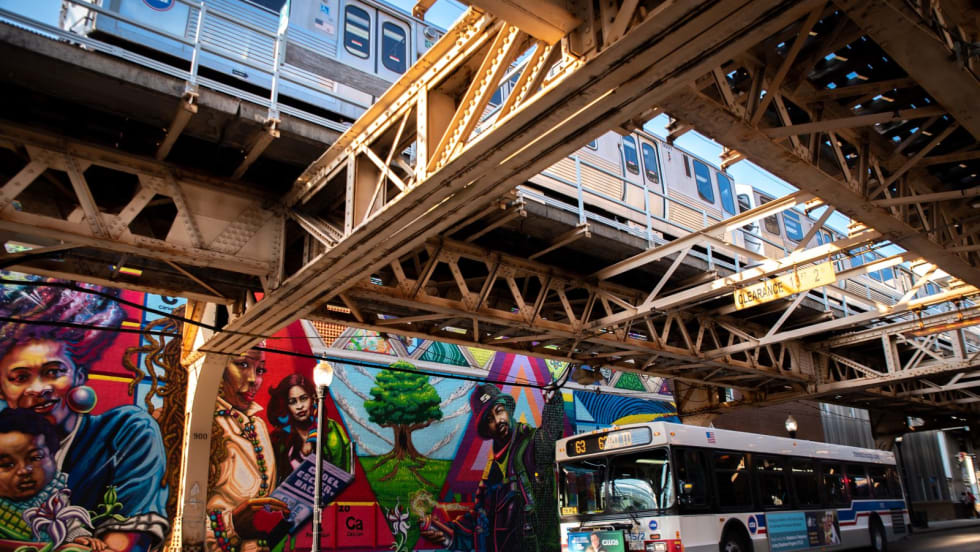
Chicago's NITA Act Moves Into Next Phase as Service Improvements Begin
Rider-focused improvements will begin rolling out across the system immediately as CTA, Metra, and Pace increase service this summer in the six-county region.
Read More →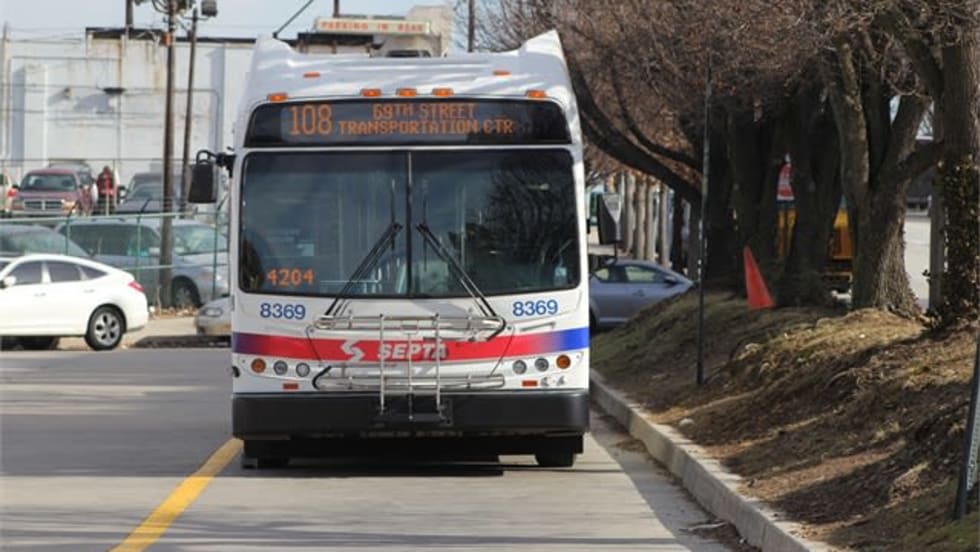
Philadelphia's SEPTA Approves Annual Transit Service Plan
Between 2021 and 2024, SEPTA held more than 200 public meetings — including 144 in-person sessions — throughout the SEPTA service region.
Read More →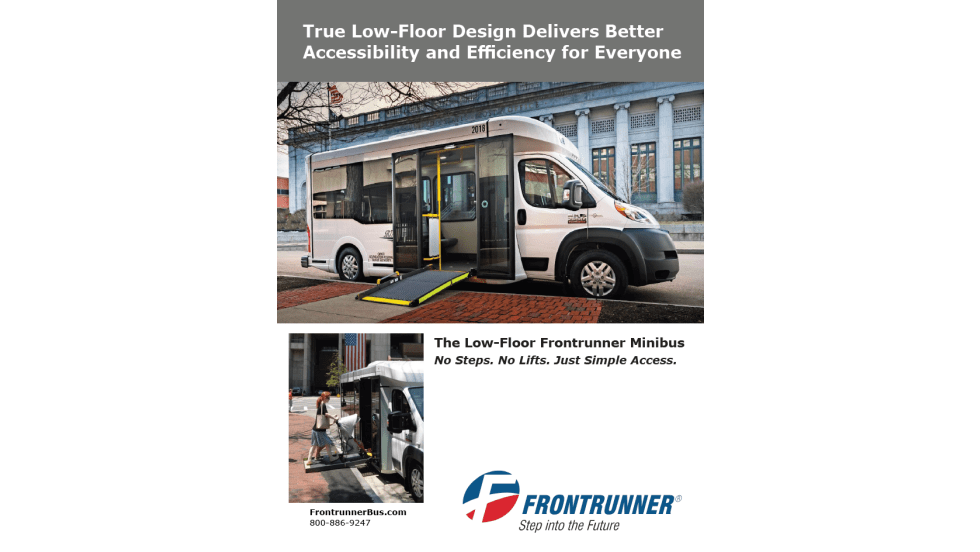
A True Low-Floor Minibus Design Delivers Better Accessibility and Efficiency for Everyone
As transit demands evolve, so should your fleet. Download the whitepaper to see how the Low-Floor Frontrunner Minibus compares to traditional options.
Read More →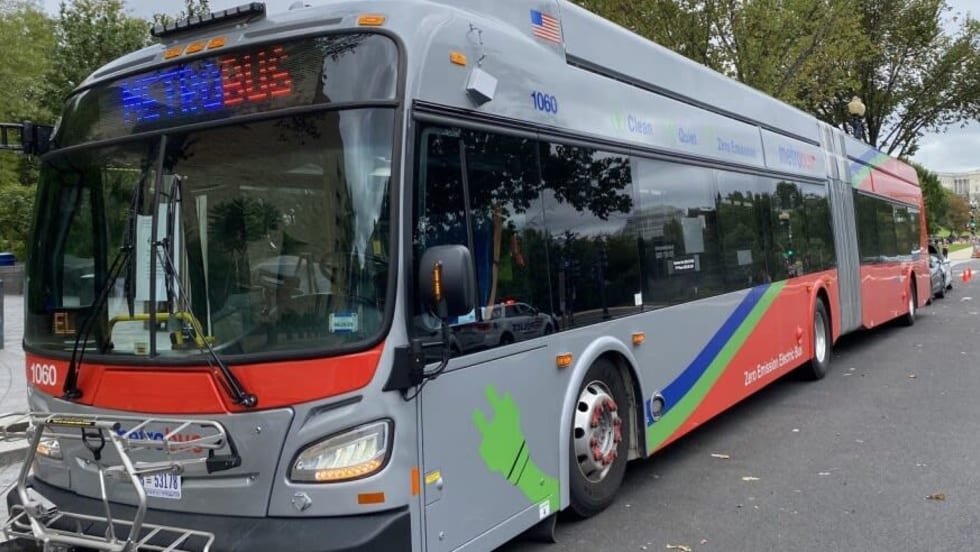
WMATA Debuts 'Fares Pay for Service' Awareness Campaign
The campaign was highlighted during a media event at the Paul S. Sarbanes Transit Center in Silver Spring, where WMATA’s GM/CEO Randy Clarke joined Metro Transit Police officers, WMATA management team, board members, and staff to expand fare enforcement and customer education efforts on Metro Bus routes throughout the region.
Read More →