



Report: Crumbling transportation infrastructure could cost U.S. $3.1 trillion
In 2010, deficiencies in America’s roads, bridges, and transit systems cost American households and businesses more than $129 billion, including approximately $97 billion in vehicle operating costs, $32 billion in delays in travel time, $1.2 billion in safety costs, and $590 million in environmental costs.

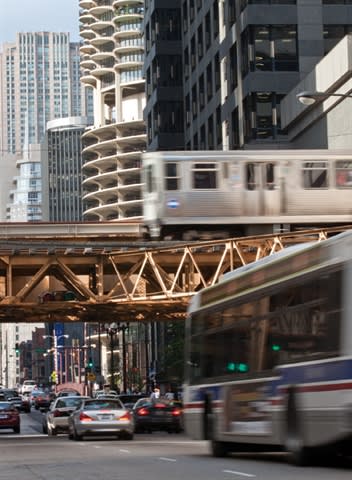
Photo credit: © Cesar Russ Photography
[IMAGE]Chicago-Transit-Authority-C-Caesar-Russ-Photography-2.jpg[/IMAGE]The nation’s deteriorating surface transportation infrastructure will cost the American economy more than 870,000 jobs, and suppress the growth of the country’s Gross Domestic Product by $3.1 trillion by 2020, according to a new report released today by the American Society of Civil Engineers.
The report, conducted by the Economic Development Research Group of Boston, showed that in 2010, deficiencies in America’s roads, bridges and transit systems cost American households and businesses more than $129 billion, including approximately $97 billion in vehicle operating costs, $32 billion in delays in travel time, $1.2 billion in safety costs and $590 million in environmental costs.
If investments in surface transportation infrastructure are not made soon, those costs are expected to grow exponentially. Within 10 years, U.S. businesses would pay an added $430 billion in transportation costs, household incomes would fall by more than $7,000 and U.S. exports will fall by $28 billion.
"Clearly, failing to invest in our roads, bridges and transit systems has a dramatic negative impact on America’s economy," said Kathy J. Caldwell, P.E., F.ASCE, president of ASCE. "The link between a nation’s infrastructure and its economic competitiveness has always been understood. But today, for the first time, we have data showing how much failing to invest in our surface transportation system can negatively impact job growth and family budgets. This report is a wake-up call for policymakers because it shows that investing in infrastructure contributes to creating jobs, while failing to do so hurts main street America."
American businesses and workers will suffer
The report shows that failing infrastructure will drive the cost of doing business up by adding $430 billion to transportation costs in the next decade. It will cost firms more to ship goods, and the raw materials they buy will cost more due to increased transportation costs.
Productivity across the business sector will also tumble. Those increased costs will cause businesses to underperform by $240 billion over the next decade, which will drive the prices of goods up. As a result, U.S. exports will fall by $28 billion, including 79 of 93 tradable commodities. Ten sectors of the U.S. economy account for more than half of this unprecedented loss in export value — among them key technology sectors like machinery, medical devices, communications equipment, which produces much of this country’s innovations.
America would also lose jobs in high-value sectors as business income goes down. Almost 877,000 jobs would be lost by 2020, primarily in the high-value, professional, business and medical sectors which are vital to America’s knowledge-based service economy.
Ultimately, Americans will get paid less. While the economy would lose jobs, those who are able to find work will find their paychecks cut by nearly 30 percent.
"The cost to businesses will reduce the productivity and competitiveness of American firms relative to global competitors significantly. By 2020, American families will take a pay cut of more than $7000 because of the ripple effects that will occur throughout the economy," said Steve Landau of the EDR Group. "Business will have to divert increasing portions of earned income to pay for transportation delays and vehicle repairs, draining money that would otherwise be invested in innovation and expansion."
Families will have a lower standard of living
A lack of investment in transportation infrastructure would inflict a double whammy on American families who would see their household incomes fall by $60 a month by 2020, while having to spend $30 per month more for goods. The total cost to families would exact about $10,600 per family between now and 2020, equal to $1,060 per year on household budgets.
Modest investment needed
The report estimates that in order to bring the nation’s surface transportation infrastructure up to tolerable levels, policymakers would need to invest approximately $1.7 trillion between now and 2020 in the nation’s highways and transit systems. The U.S. is currently on track to spend a portion of that — $877 billion — during the same timeframe. The infrastructure funding gap equals $846 billion over 9 years or $94 billion per year.
Small investments in infrastructure, equal to about 60 percent of what Americans spend on fast food each year, would:
Protect 1.1 million jobs;
Save Americans 180 million hours in travel time each year;
Deliver an average of $1,060 to each family; and
Protect $10,000 in GDP for every man, woman and child in the U.S.
The report, the first of four scheduled by the Society, examined the country’s surface transportation infrastructure. Future reports will examine the state of the nation’s infrastructure as it relates to water and, wastewater delivery and treatment; energy transmission; and airports and marine ports.
More Paratransit

Driving Smarter Paratransit
John Hanlon shares how AlphaRoute is leveraging AI-powered technology to help paratransit providers optimize operations, support frontline staff, and enhance the rider experience.
Read More →
METRO Magazine Announces 2026 Innovative Solutions Awards Winners
Projects Recognized for Advancing Mobility Through Technology, Accessibility, Workforce Innovation, and Operational Excellence
Read More →
Biz Briefs: STV teams with Amtrak, Motorcoach Operators Boost Fleet and Land Contracts, and More
From manufacturers and suppliers to transit agencies and motorcoach operators, these updates offer a snapshot of the projects, partnerships and business moves driving the industry forward.
Read More →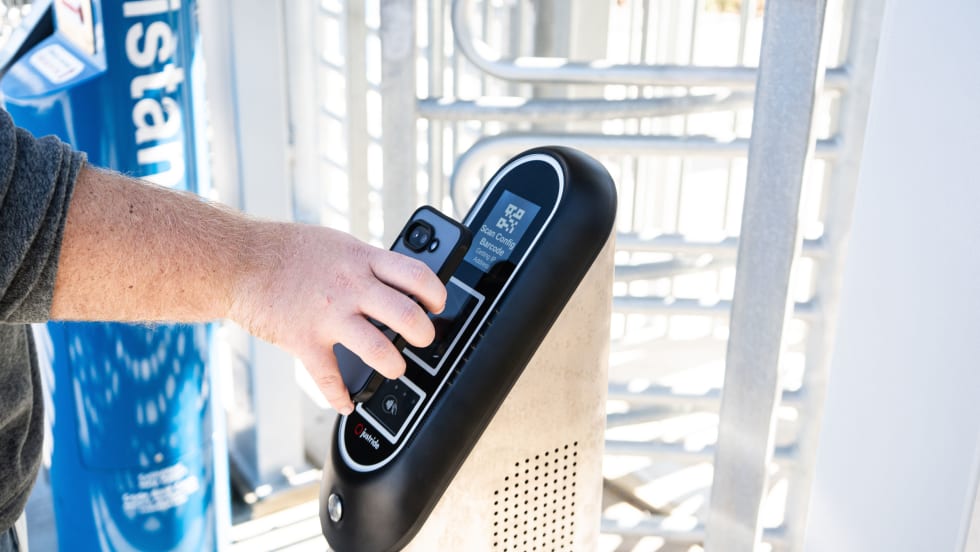
Biz Briefs: Masabi Teams with St. Louis Metro and More
In METRO's latest installment, we take a look at recent news from Transdev, Hitachi, and more partnerships making headlines across the transportation sector.
Read More →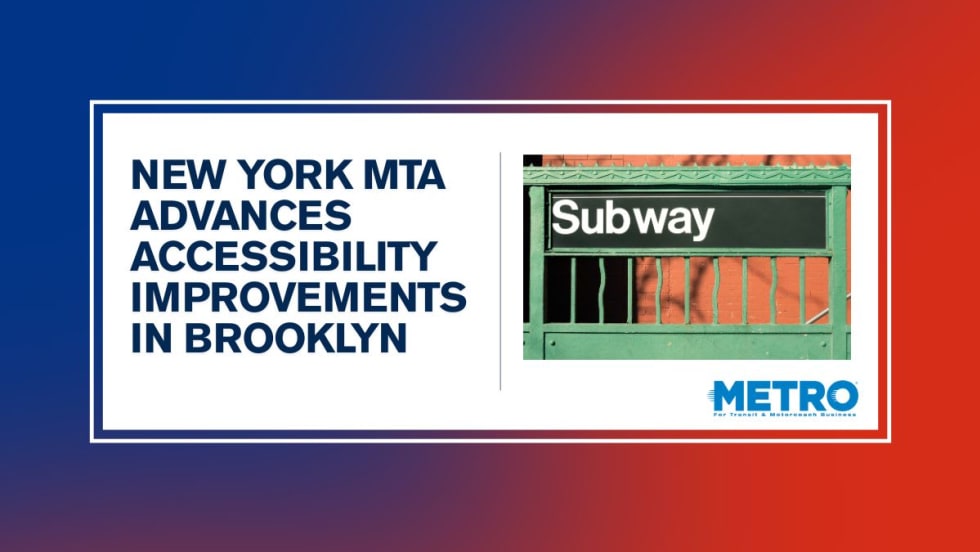
New York MTA Leverages Zoning Program to Advance Station Accessibility
Accessibility enhancements at Nevins St Station will be financed through a development agreement tied to the MTA's Zoning for Accessibility initiative.
Read More →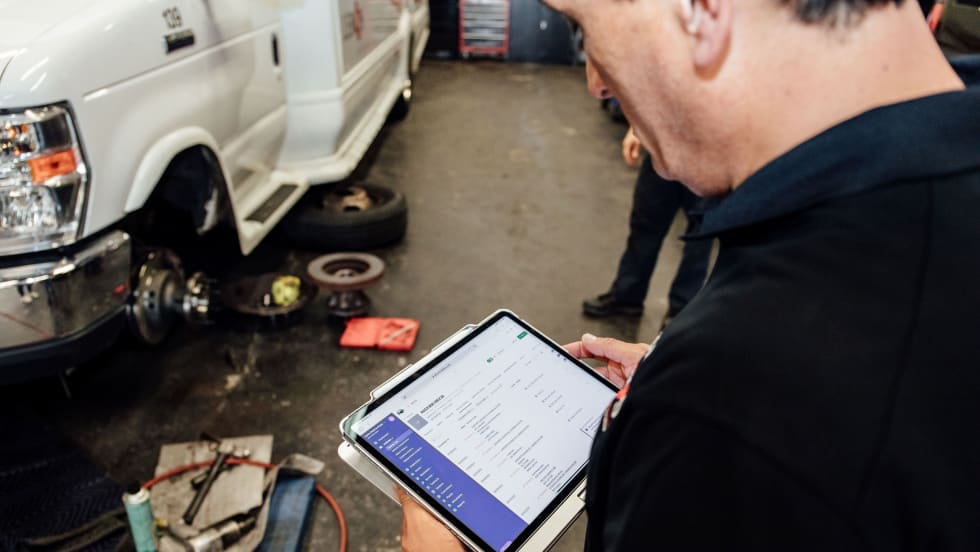
Reinventing Fleet Maintenance with Real-time Visibility and AI
Transit leaders need to know what needs fixing, where to look, who is responsible, when work is completed, and what it costs without having to chase information across disconnected systems.
Read More →
SamTrans Sets Priorities for Potential Connect Bay Area Revenue
The board-approved framework allocates future funding to maintaining service, rider improvements, equity initiatives, and infrastructure repairs.
Read More →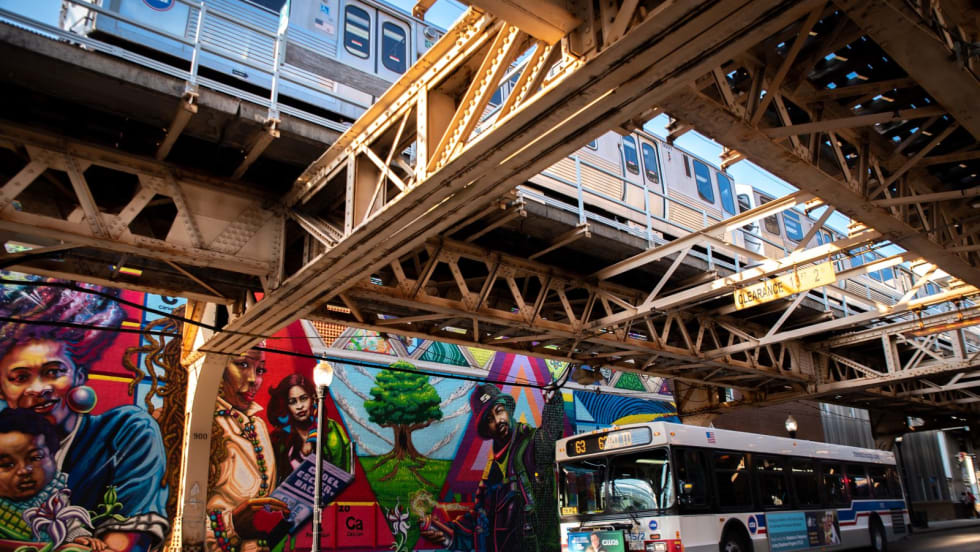
Chicago's NITA Act Moves Into Next Phase as Service Improvements Begin
Rider-focused improvements will begin rolling out across the system immediately as CTA, Metra, and Pace increase service this summer in the six-county region.
Read More →
2026 METRO Buyer’s Guide & Directory
Searching for the right vehicles, technology, equipment, or services for your public transit or motorcoach operation? This industry guide brings together manufacturers and suppliers from across the transportation market — all in one place. Download it to connect with the companies that help agencies and operators improve mobility, enhance operations, and move their organizations forward.
Read More →
Rays the Mark Foundation to Honor CDTA’s Emily DeVito at October Fundraiser
Event at Chicago-area Ravisloe Country Club will support DeVito, a transit employee and mother of twins battling kidney failure and awaiting a transplant.
Read More →