



U. Wis.-Green Bay signs U-Pass agreement
New contract does away with the former agreement, under which a $35,000 annual lump-sum payment — underwritten by student fees and a portion of University parking fees — was paid to Metro in exchange for unlimited bus rides for students, faculty and staff.

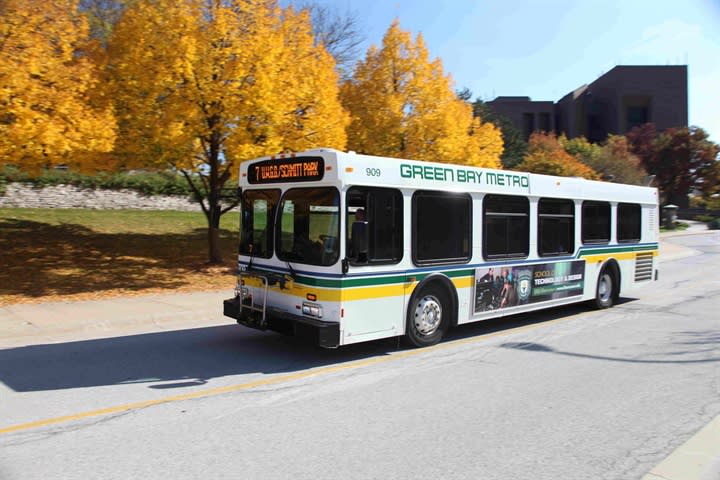
The agreement is part of an ongoing effort to encourage bus ridership among students, faculty and staff, emphasizing the convenience and cost and environmental benefits of taking the bus. Photo credit: Eric Miller, UW-Green Bay Communications
[IMAGE]Green-Bay-Metro-bus-2-2.jpg[/IMAGE]The University of Wisconsin-Green Bay and Green Bay Metro recently signed a revised busing agreement that will continue their partnership while more directly tying the cost of service to the number of rides taken.
The new U-Pass contract does away with the former agreement, under which a $35,000 annual lump-sum payment — underwritten by student fees and a portion of University parking fees — was paid to Metro in exchange for unlimited bus rides for students, faculty and staff.
Under the new arrangement, the chargeback becomes 25 cents per ride, billed quarterly, which still will allow University ID-holders to ride at no additional charge — and also offer a more precise way for UW-Green Bay to pay for the service, said Tom Wittig, GM for Green Bay Metro. The change, approved at the July meeting of the Green Bay Transit Commission, is a key element of what Wittig says is an ongoing and important relationship between the campus and transit.
“It’s very important because public transportation is a vital ingredient for college students,” Wittig said. “It gives them the independence to travel throughout the Green Bay area, whether they have a car or not.”
The agreement is part of an ongoing effort to encourage bus ridership among students, faculty and staff, emphasizing the convenience and cost and environmental benefits of taking the bus. Since its inception in 2008, U-Pass has continued thanks to a cooperative effort of University officials, the UWGB Student Government Association and Green Bay Metro.
“The U-Pass agreement certainly benefits the environment through taking some single-occupancy vehicles off the road, with an additional benefit of saving money by not gassing up the car as frequently,” said Laurie Case, sustainability and strategic planning coordinator at UWGB. “We’ll continue to depend on Metro as a cornerstone in our ability to reduce greenhouse gas emissions from the campus community.”
The new U-Pass agreement is one of several changes recently unveiled by Metro, which has started adding no-cost Saturday rides for all bus patrons amid plans for a west-side route restructuring intended to make transportation easier and more efficient.
In addition, UWGB will hold discussions with Metro to consider a direct Saturday route for high-volume student locations, such as grocery stores, said Riley Evan Peterson, UW-Green Bay Student Government Association president. The SGA and UWGB Public Safety’s parking operations will continue to split the cost for the U-Pass agreement, which could be about half of what it was under the former funding system.
In addition, Metro hopes to have a presence at various campus events during the school year, Wittig said, encouraging students to explore the transit system. The University Union also will play a role, marketing the effort to students as part of an overall focus on sustainability.
“Practicing sustainable efforts will come easy to students with the help of the Green Bay Metro agreement,” said Kelly Kramp, manager of programs, promotions and marketing for the Union. “The University Union looks forward to helping educate the students on their U-Pass.”
More Bus
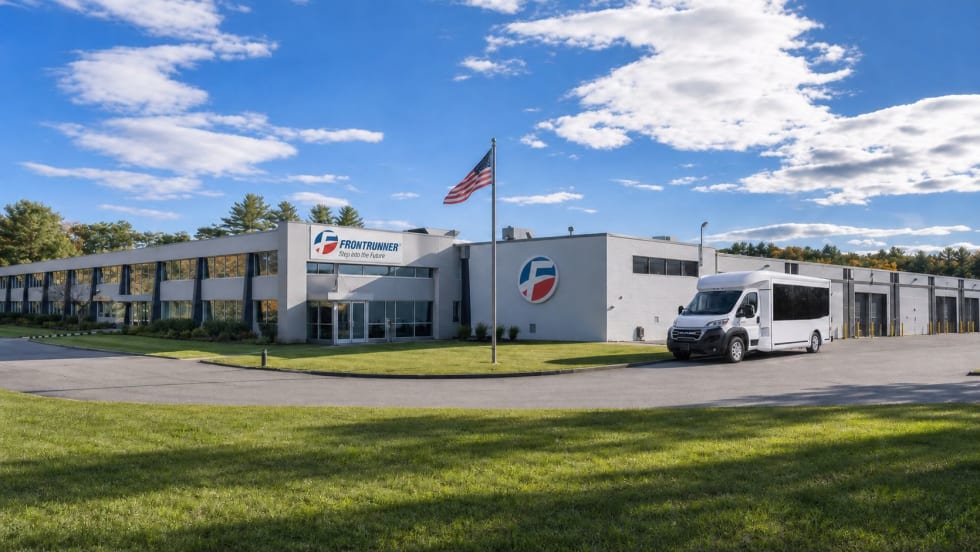
Frontrunner Bus Group Expands with New Massachusetts Headquarters
The significantly larger facility will provide the infrastructure needed to support the company’s growing workforce, advanced technologies, and expanding product line.
Read More →
Joshua Schank on Transportation Innovation, Risk, and the Future of Mobility
In this edition of METROspectives, Joshua Schank discusses lessons from launching LA Metro’s Office of Extraordinary Innovation, the challenges of advancing new mobility technologies, and much more.
Read More →
Reinventing Fleet Maintenance with Real-time Visibility and AI
Transit leaders need to know what needs fixing, where to look, who is responsible, when work is completed, and what it costs without having to chase information across disconnected systems.
Read More →
SamTrans Sets Priorities for Potential Connect Bay Area Revenue
The board-approved framework allocates future funding to maintaining service, rider improvements, equity initiatives, and infrastructure repairs.
Read More →
When Routine Fails: How Public Transit Must Adapt for the World Cup
The 2026 FIFA World Cup will test transit agencies’ ability to manage unpredictable travel patterns, making real-time data and operational flexibility critical to moving millions of visitors efficiently.
Read More →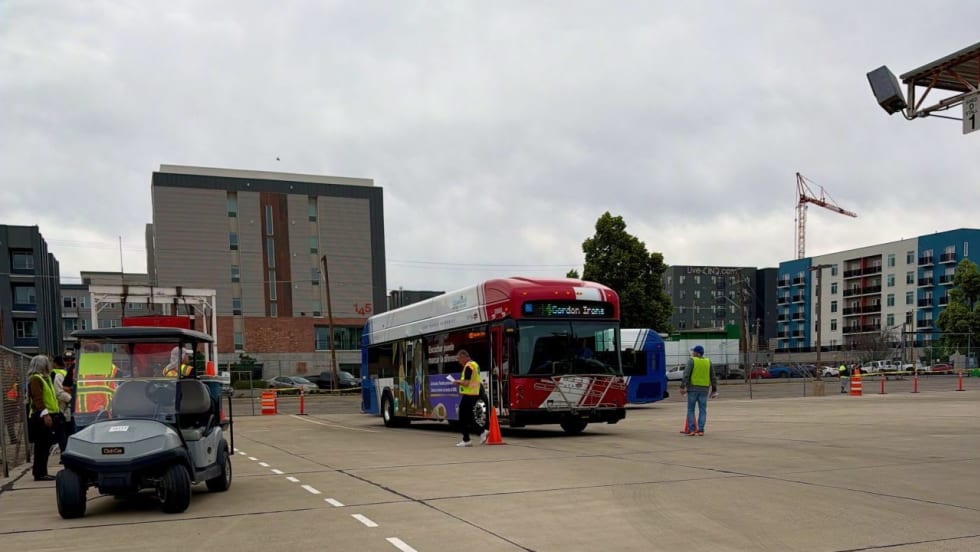
Photo Highlights from APTA's 2026 Mobility Conference
The photo gallery captures scenes from the conference, including the International Bus Roadeo, exhibit hall activities, the Bus Showcase, and much more.
Read More →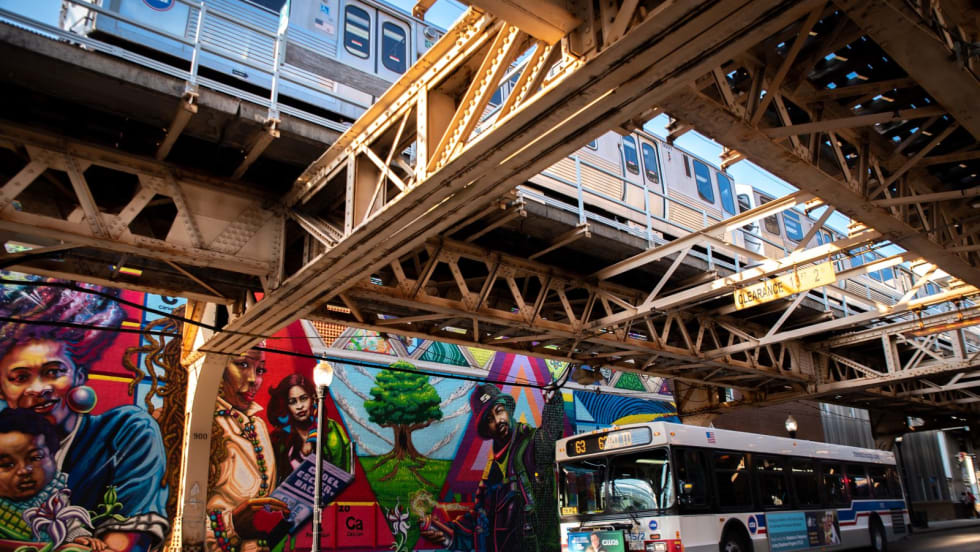
Chicago's NITA Act Moves Into Next Phase as Service Improvements Begin
Rider-focused improvements will begin rolling out across the system immediately as CTA, Metra, and Pace increase service this summer in the six-county region.
Read More →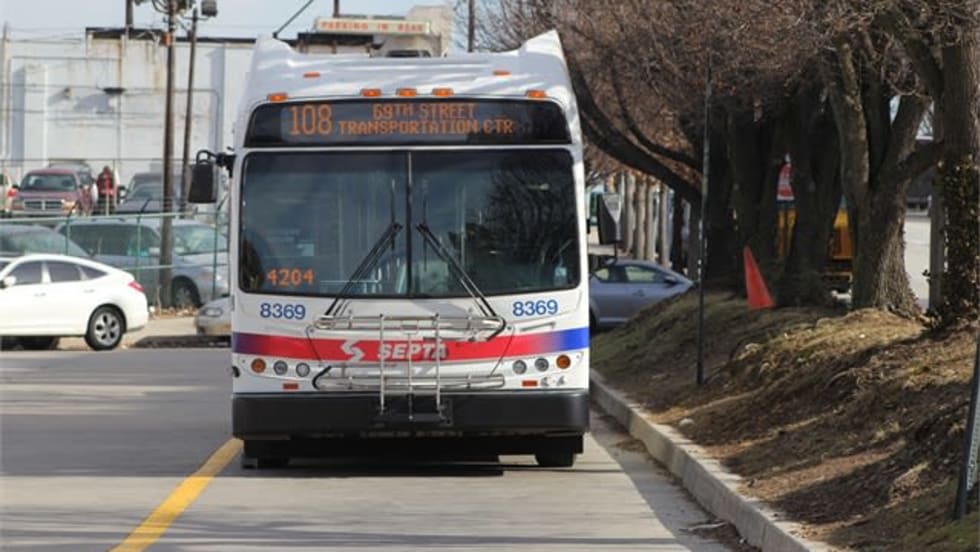
Philadelphia's SEPTA Approves Annual Transit Service Plan
Between 2021 and 2024, SEPTA held more than 200 public meetings — including 144 in-person sessions — throughout the SEPTA service region.
Read More →
A True Low-Floor Minibus Design Delivers Better Accessibility and Efficiency for Everyone
As transit demands evolve, so should your fleet. Download the whitepaper to see how the Low-Floor Frontrunner Minibus compares to traditional options.
Read More →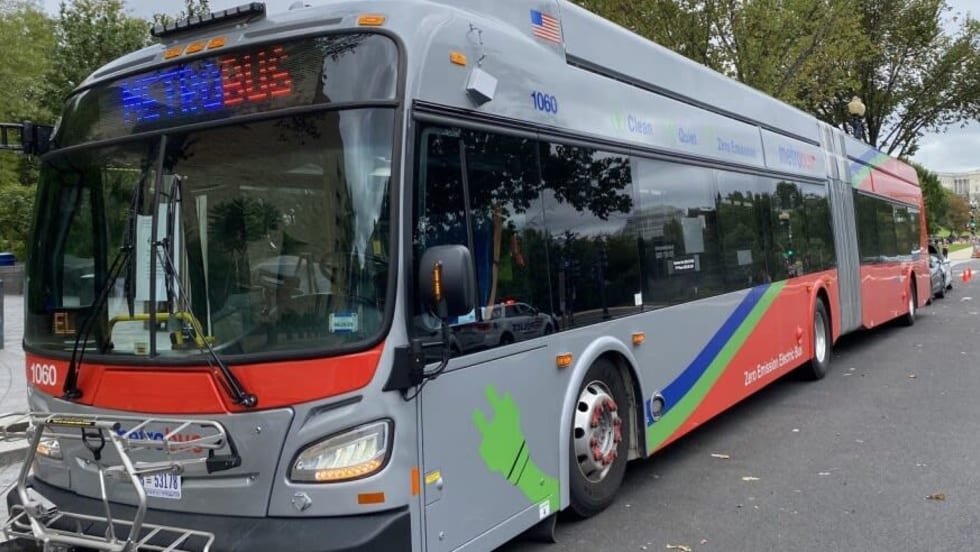
WMATA Debuts 'Fares Pay for Service' Awareness Campaign
The campaign was highlighted during a media event at the Paul S. Sarbanes Transit Center in Silver Spring, where WMATA’s GM/CEO Randy Clarke joined Metro Transit Police officers, WMATA management team, board members, and staff to expand fare enforcement and customer education efforts on Metro Bus routes throughout the region.
Read More →