



Dallas DART’s new website makes trip planning easier
The redesigned site includes a simpler presentation of DART's online trip planner, Google trip planner, real-time arrival information, stop locator, rider alerts, service advisories and social media.

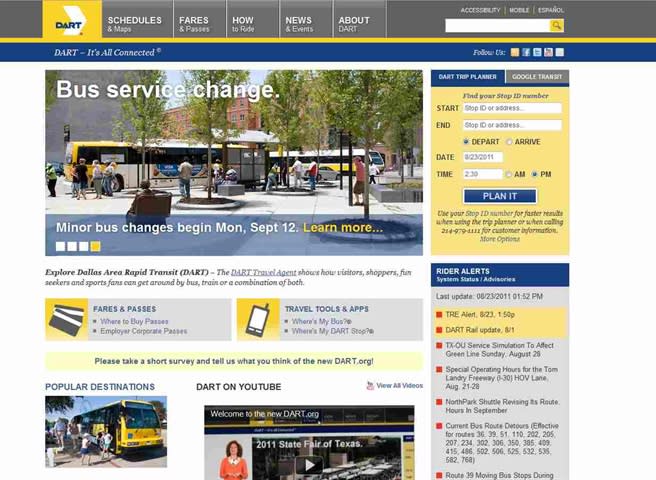
[IMAGE]DART-homepage-2.jpg[/IMAGE]Dallas Area Rapid Transit’s (DART) new website design, which was officially launched Monday, makes it easier than ever to plan a trip and stay connected with the agency.
In addition to a simpler presentation of DART's online trip planner, the Google trip planner, which incorporates the popular Google maps, is front and center, giving customers a choice of trip planners. Desktop versions of DART's "Where's My Bus?" and "Where's My DART Stop?" have also been developed for customers who have enjoyed using those tools on their Web-enabled mobile phones and tablets.
"Where's My Bus?" gives customers a near real-time estimate when their bus will arrive. Customers can use it to follow the progress of their bus via a Google map as it approaches their stop. The screen will give the customer the published scheduled arrival time or an estimated time, if the bus is within 15 minutes of the stop. The page tells the customer the bus is arriving "#soon" if it is estimated to be within five minutes of the stop.
"Where's My DART Stop?" helps customers locate the nearest stop and transit service. This desktop version is based on an interactive Google map with street view to show the stop and its surroundings. Customers enter an address and city to get results providing route information and estimated and schedule times for the nearest transit service to their location.
The "Stop ID Finder" is also more prominently displayed with a link on the DART Trip Planner on the top right section of the home page. Each of DART's approximately 12,000 stops has a unique five-digit identification number. Customers using the DART Trip Planner or the new desktop version of "Where's My Bus?" can plug in this number and obtain trip information faster. The Stop ID number also is an essential part of a new text tool that is scheduled for release in September.
Rider Alerts and service advisories are more visible on the redesigned home page. Information about service disruptions as well as planned schedule and route changes are posted in this area. The new design also makes it easier to subscribe to the My DART email and RSS updates and to connect with the agency via Twitter or Facebook to receive agency news and updates while on the go.
The latest You Tube videos produced by DART also have moved to the front page. These videos provide agency news and trip planning information. Customers will still find links to popular destinations such as the Dallas Zoo and American Airlines Center, along with DART connections to jury duty and courts on the home page.
DART first went online in 1997 and maintains a Spanish-language website, TransporteDART.org and mobile site, m.dart.org.
Dallas-based Valiant Media created the information architecture and user interface design for the site, whil the redesign implementation and online tool development was done by DART staff.
More Bus
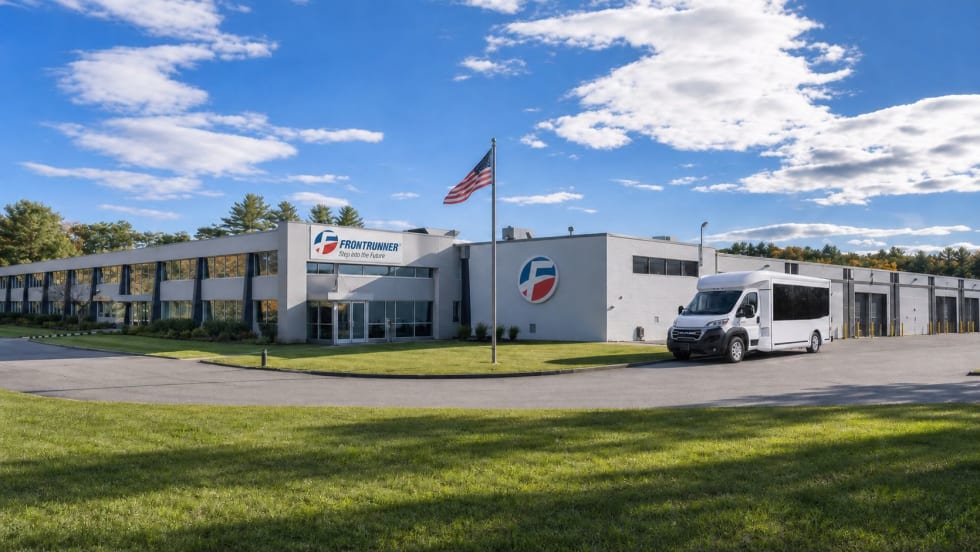
Frontrunner Bus Group Expands with New Massachusetts Headquarters
The significantly larger facility will provide the infrastructure needed to support the company’s growing workforce, advanced technologies, and expanding product line.
Read More →
Joshua Schank on Transportation Innovation, Risk, and the Future of Mobility
In this edition of METROspectives, Joshua Schank discusses lessons from launching LA Metro’s Office of Extraordinary Innovation, the challenges of advancing new mobility technologies, and much more.
Read More →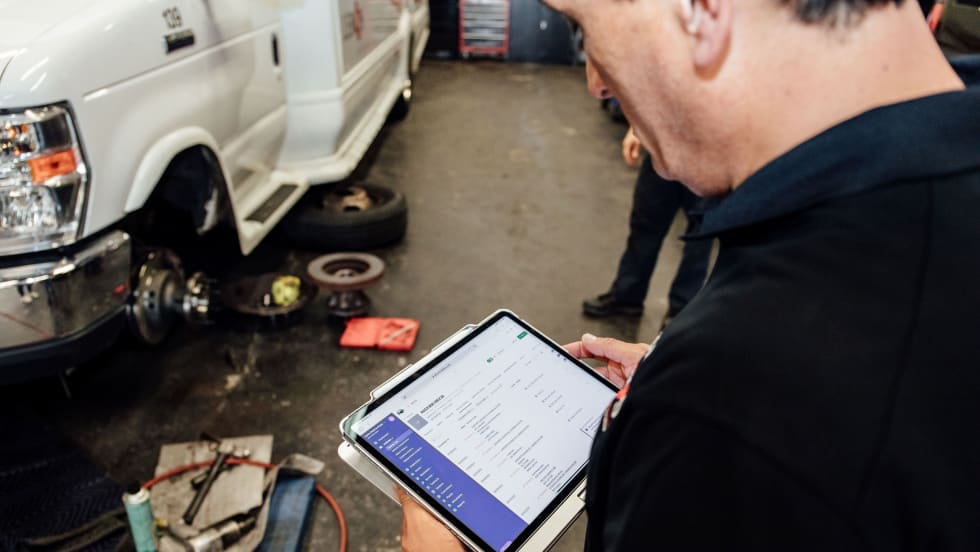
Reinventing Fleet Maintenance with Real-time Visibility and AI
Transit leaders need to know what needs fixing, where to look, who is responsible, when work is completed, and what it costs without having to chase information across disconnected systems.
Read More →
SamTrans Sets Priorities for Potential Connect Bay Area Revenue
The board-approved framework allocates future funding to maintaining service, rider improvements, equity initiatives, and infrastructure repairs.
Read More →
When Routine Fails: How Public Transit Must Adapt for the World Cup
The 2026 FIFA World Cup will test transit agencies’ ability to manage unpredictable travel patterns, making real-time data and operational flexibility critical to moving millions of visitors efficiently.
Read More →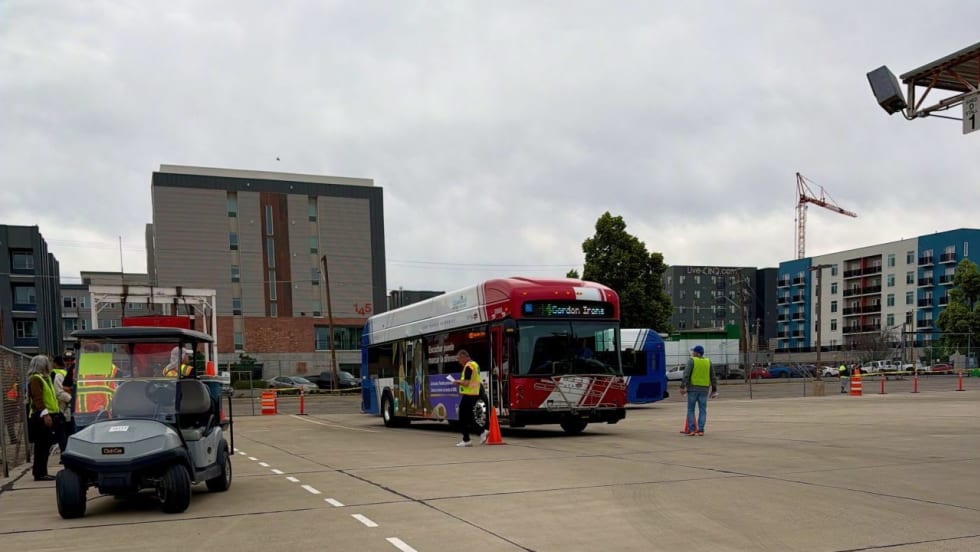
Photo Highlights from APTA's 2026 Mobility Conference
The photo gallery captures scenes from the conference, including the International Bus Roadeo, exhibit hall activities, the Bus Showcase, and much more.
Read More →
Chicago's NITA Act Moves Into Next Phase as Service Improvements Begin
Rider-focused improvements will begin rolling out across the system immediately as CTA, Metra, and Pace increase service this summer in the six-county region.
Read More →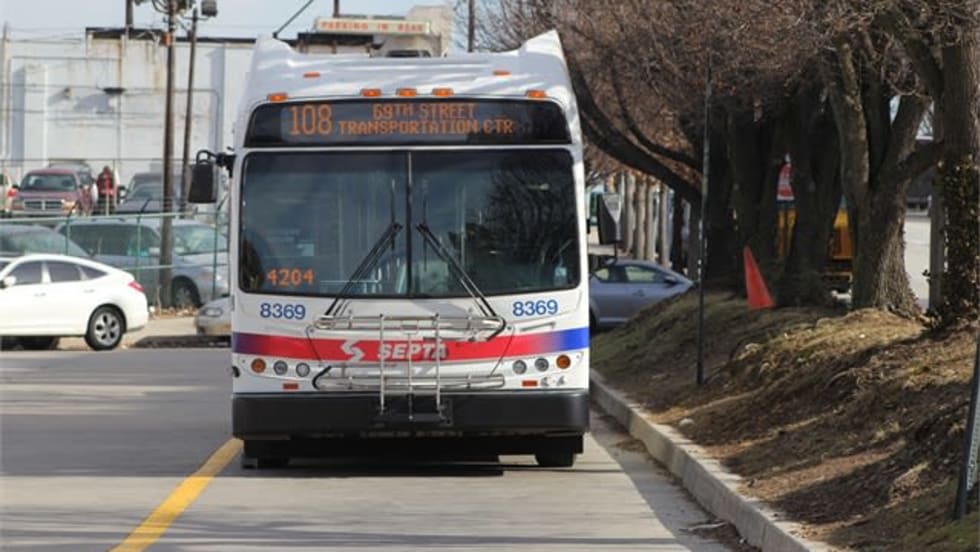
Philadelphia's SEPTA Approves Annual Transit Service Plan
Between 2021 and 2024, SEPTA held more than 200 public meetings — including 144 in-person sessions — throughout the SEPTA service region.
Read More →
A True Low-Floor Minibus Design Delivers Better Accessibility and Efficiency for Everyone
As transit demands evolve, so should your fleet. Download the whitepaper to see how the Low-Floor Frontrunner Minibus compares to traditional options.
Read More →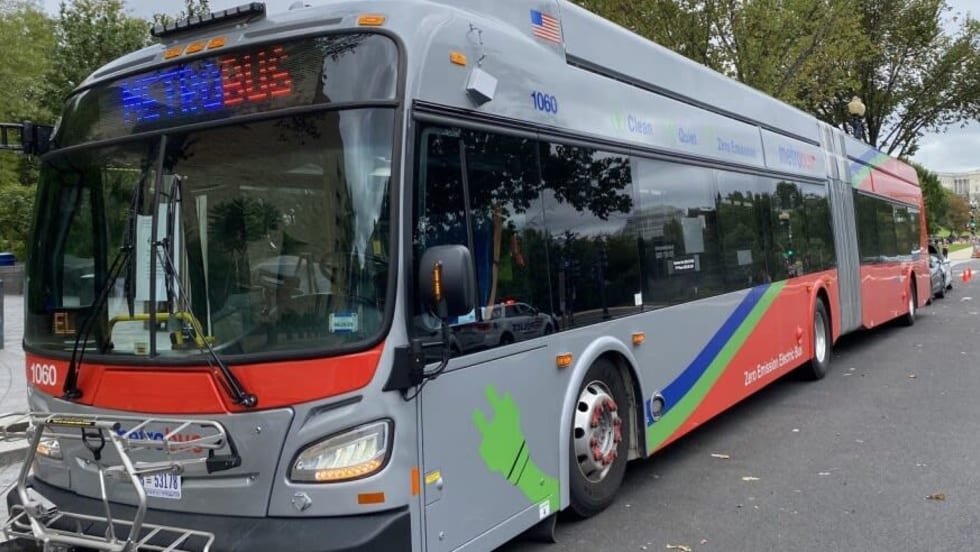
WMATA Debuts 'Fares Pay for Service' Awareness Campaign
The campaign was highlighted during a media event at the Paul S. Sarbanes Transit Center in Silver Spring, where WMATA’s GM/CEO Randy Clarke joined Metro Transit Police officers, WMATA management team, board members, and staff to expand fare enforcement and customer education efforts on Metro Bus routes throughout the region.
Read More →