



FRA issues new reg limiting consecutive hours of service
The new rule, based on “fatigue science,” will use fatigue modeling tools and data on human alertness factors and guide the scheduling of train crews to reduce the likelihood of a hazardous work schedule. It includes maximum on-duty periods and minimum off-duty periods for passenger train employees.

The U.S. Department of Transportation (DOT) issued a final rule limiting the number of consecutive hours passenger railroad workers can be on the job. The new Federal Railroad Administration (FRA) regulation will reduce risk and improve safety for the railroad industry, and for the first time, differentiate between freight and passenger service.
Designed to reduce accidents related to fatigue, the final rule applies “fatigue science” to employee work schedules to determine maximum on-duty periods and minimum off-duty periods. The DOT is engaging in a broad initiative to bring scientific data into work scheduling, and the FRA rule is the first rule in that effort to be completed.
Through the use of fatigue modeling tools and data on human alertness factors, this new rule will guide the scheduling of train crews to reduce the likelihood of a hazardous work schedule. This rule recognizes the difference between work during daylight hours and work during nighttime hours when fatigue is most likely to occur.
The final rule includes:
• Maximum on-duty periods and minimum off-duty periods for passenger train employees including locomotive engineers, and conductors.
• Requirements for railroads to identify schedule-specific risks of fatigue using an approved, scientifically validated, and calibrated bio-mathematical model of human performance and fatigue.
• Requirements for railroads to develop and carry out plans to mitigate fatigue risks before safety may be compromised.
The final rule also requires railroads to submit certain work schedules of their passenger train employees and fatigue mitigation plans to FRA for approval, and to provide fatigue training.
Fatigue management is also a key part of FRA’s Risk Reduction Program — an industry, labor and agency initiative designed to improve safety and build strong safety cultures. It seeks to identify and correct safety risk factors using predictive data beyond the traditional accident and injury data currently used. Recognizing risk indicators before an accident happens provides one of the greatest opportunities for improved safety and performance.
This final rule is authorized by the Rail Safety Improvement Act of 2008, which, for the first time in history, gives FRA the authority to replace the existing statutory limitations (first enacted in 1907) with a new set of hours of service regulations governing train employees providing passenger rail transportation. The final rule was developed with the assistance of FRA’s Railroad Safety Advisory Committee, which includes representatives from the railroad industry, railroad labor and other stakeholder groups.
Click here for the final rule, which will become effective on October 15, 2011.
More Rail

The Invisible Infrastructure of Passenger Flow
What a seat reservation system on Austria’s Railjet trains reveals about the future of rider experience, and why U.S. agencies should pay attention.
Read More →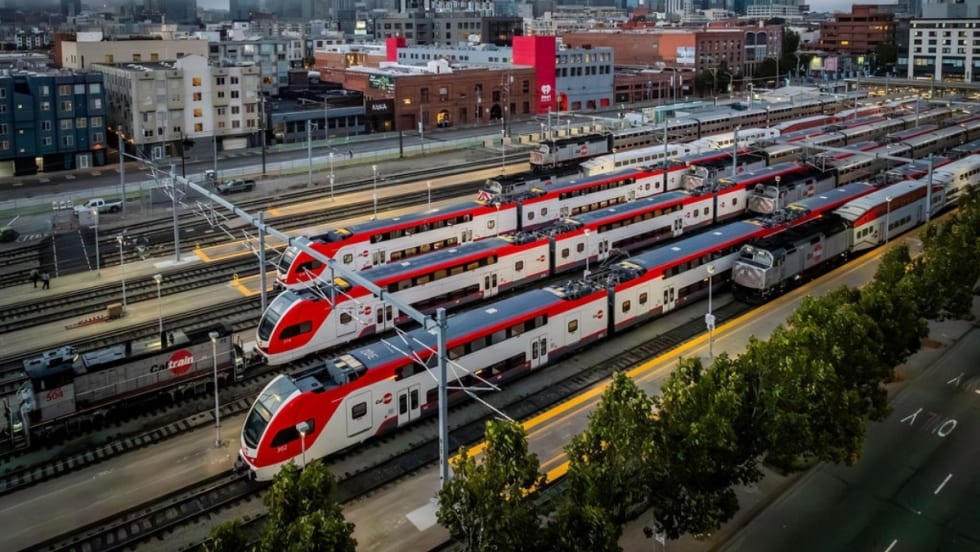
Caltrain Board Approves FY27 Budget, Endorses Efficiency Measures
The move ensures Caltrain service will continue operating as usual in the near term, but long-term financial challenges remain for the rail agency absent a new revenue source.
Read More →
Alstom Acquires Delaware Site to Support Amtrak NextGen Acela Fleet
The company is investing more than $55 million to acquire and improve the property and will employ approximately 100 people at this site once it is operational.
Read More →
When Routine Fails: How Public Transit Must Adapt for the World Cup
The 2026 FIFA World Cup will test transit agencies’ ability to manage unpredictable travel patterns, making real-time data and operational flexibility critical to moving millions of visitors efficiently.
Read More →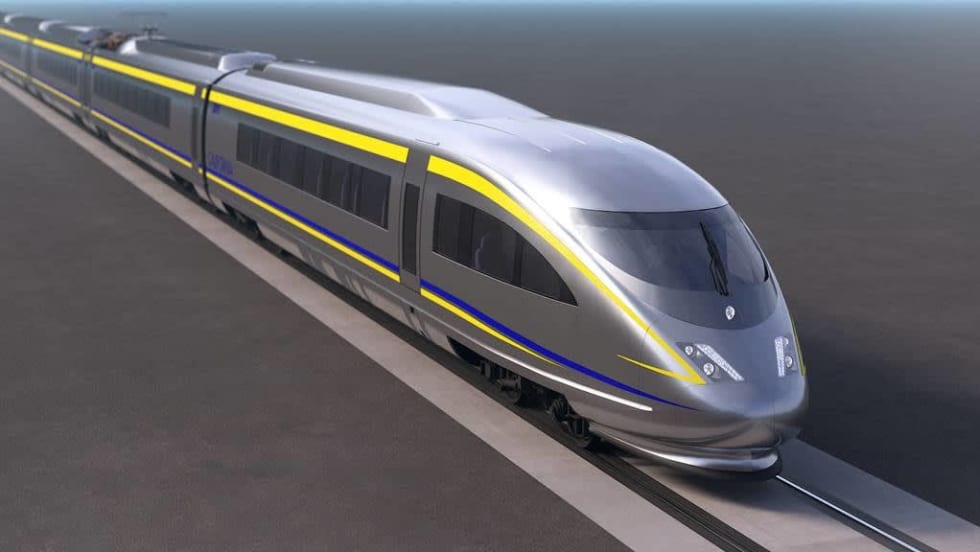
California Selects Team for Nation’s First True High-Speed Rail Track and Systems Contract
The board action follows completion of track installation at the 150-acre southern railhead in Kern County, which will serve as the staging and distribution hub for high-speed track and systems installation.
Read More →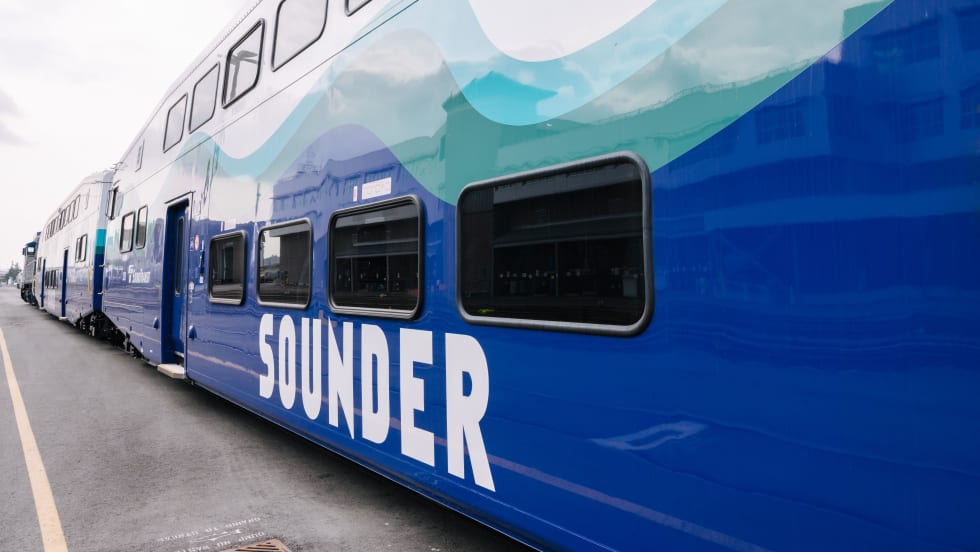
Seattle's Sound Transit Launches New Sounder Railcars into Service
Alstom manufactured all the cars under a $46.5 million contract and came into service in anticipation of summer crowds for soccer and baseball.
Read More →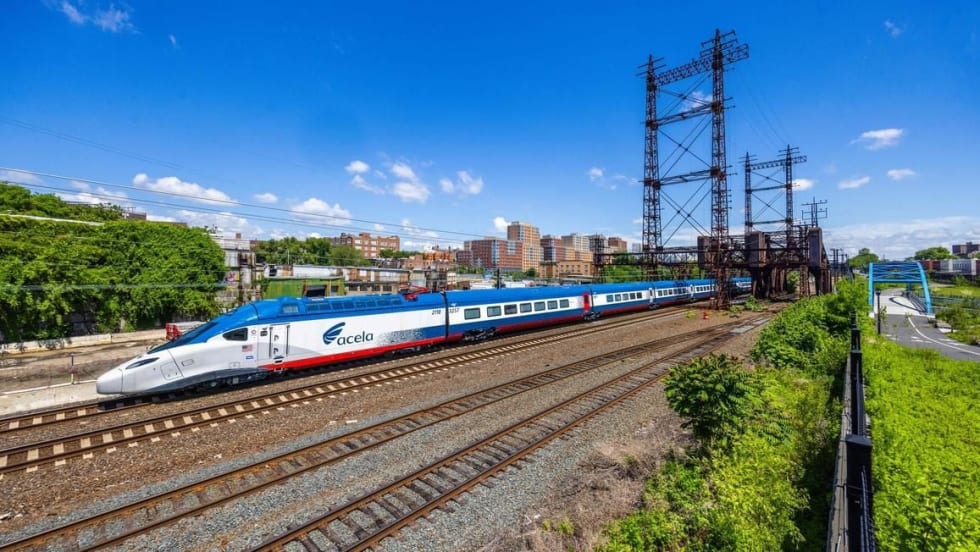
Alstom Partners With Universities to Build Rail Talent Pipeline
The partnerships include a new engineering scholarship fund at Alfred State College in Western New York and collaborations with transportation centers at the University of Pennsylvania and New York University.
Read More →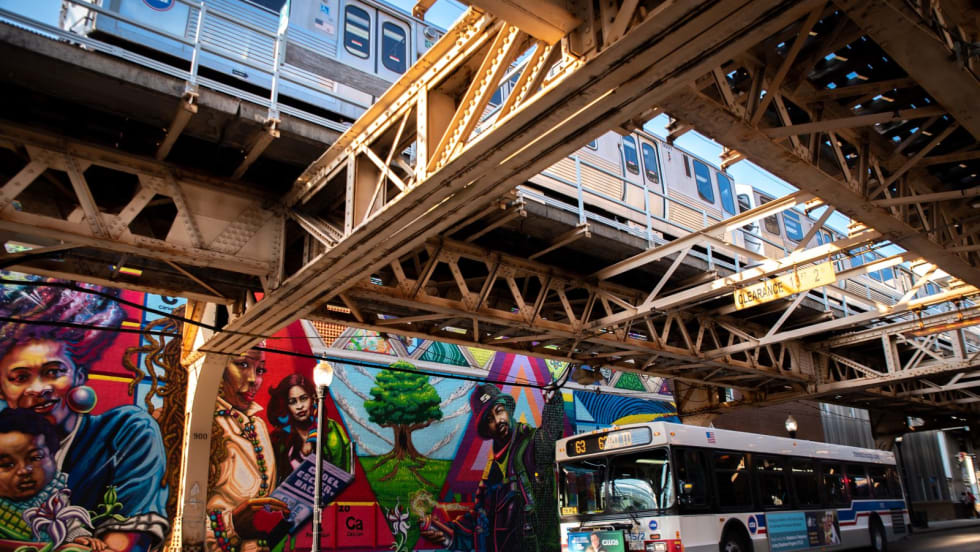
Chicago's NITA Act Moves Into Next Phase as Service Improvements Begin
Rider-focused improvements will begin rolling out across the system immediately as CTA, Metra, and Pace increase service this summer in the six-county region.
Read More →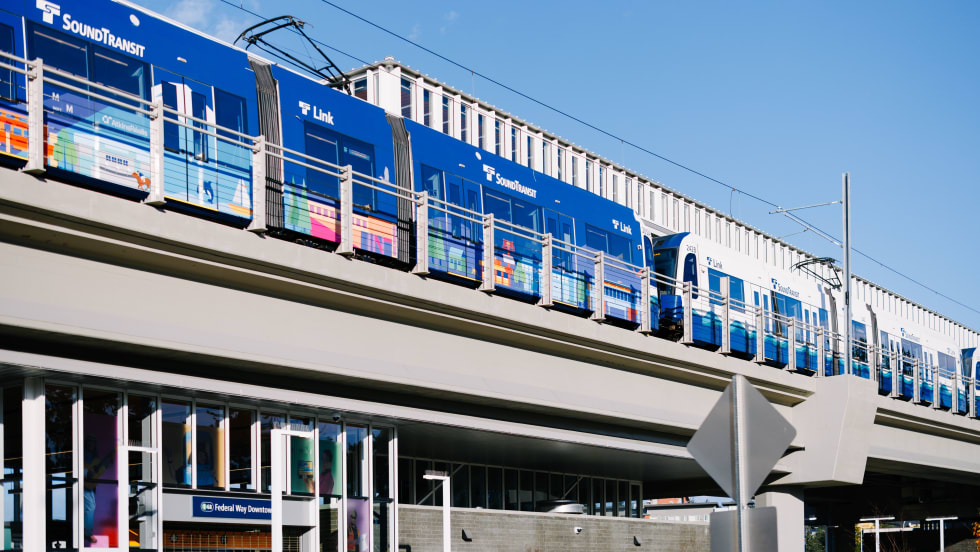
Seattle’s Sound Transit Adopts Updated ST3 System Plan
The updated system plan incorporates cost savings across the agency, including new revenue sources and financial policies, to set the agency on a sustainable path for the future.
Read More →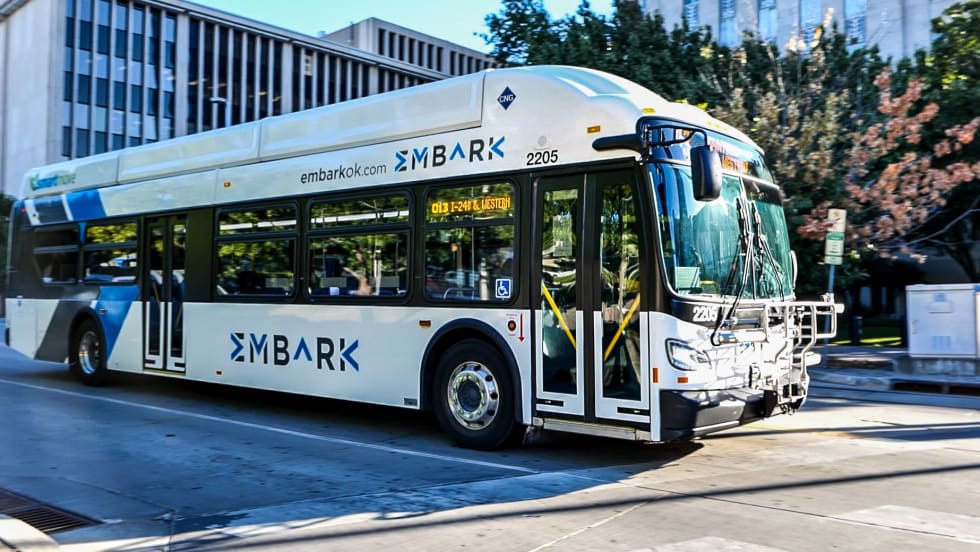
Inside Look: EMBARK Expands Fare-Free Transit Program Through New Public-Private Partnership
The OKC transit agency says sponsorship helps subsidize the Third Friday Free initiative while reducing barriers for first-time riders and boosting ridership across buses, streetcars, and river cruises.
Read More →