



NJ Transit launches second customer survey
Provides statistics and performance data to the public for the first time. Responding to the results of its first survey, which includes requests for improvement in on-time performance and handling of service disruptions, the agency plans to invest $217 million in rail infrastructure enhancements and explore new fare collection technology.

NJ Transit launched its second customer satisfaction survey online as part of the “Scorecard” initiative, putting out a call to action for customers to help measure how the agency is performing and identify areas that need improvement.
To participate, customers visit njtransit.com and complete a survey about their experience using the transit system. All customers who participate in the survey will automatically be entered to win one of five free monthly passes.
Last month, NJ Transit published the results of the first customer satisfaction survey, which asked customers to rate NJ Transit on a scale of 0 (unacceptable) to 10 (excellent) on 32 attributes of the system. Detailed survey results are available at njtransit.com.
As part of the survey, customers were asked to identify the three most important aspects of the system’s service among the items they rated. Below are the areas customers said needed to be improved, along with steps NJ Transit is taking to address them:
Fares: NJ Transit will hold fares stable during Fiscal Year 2012.
On-time performance: In FY 2012, $217 million will be invested in rail infrastructure improvements, including rolling stock. The agency will invest $125 million in bus and light rail infrastructure improvements, and $64 million in system-wide improvements, including technology upgrades such as Smart Bus. Making investments to keep the system’s infrastructure in a state-of-good-repair helps to ensure the reliability of the system, which in turn has a positive impact on on-time performance.
Handling of service disruptions: NJ Transit staff is speaking with customers from various rail lines who had concerns about communication during service disruptions to identify what the agency can improve.
In addition, NJ Transit is exploring new technologies around fare collection to streamline the ticket purchase process. Soon, customers will be able to use contactless credit cards to pay for transportation at New York Penn Station ticket windows and Ticket Vending Machines, at the Newark Airport Station fare gates, and select bus routes as part of a pilot program.
NJ Transit will continue to use the survey results to target specific improvements needed to boost customer satisfaction. Surveys will be conducted quarterly so the agency and members of the public can track results, marking the first time in the agency’s history that system-wide customer satisfaction surveys are being conducted on a regular, ongoing basis.
Earlier this year, NJ Transit announced the Scorecard initiative, which is intended to set corporate-wide standards of accountability and create transparency for the public. The new Scorecard provides an additional management and reporting tool that makes key statistics and performance data readily accessible to the public for the first time. NJ Transit last month unveiled its Scorecard goals for the current fiscal year, available at njtransit.com/scorecard.
More Rail

The Invisible Infrastructure of Passenger Flow
What a seat reservation system on Austria’s Railjet trains reveals about the future of rider experience, and why U.S. agencies should pay attention.
Read More →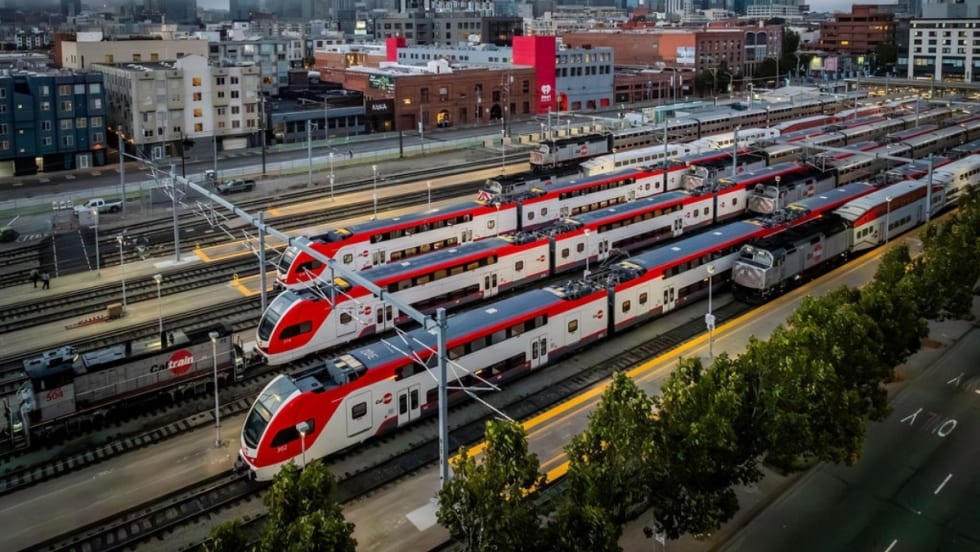
Caltrain Board Approves FY27 Budget, Endorses Efficiency Measures
The move ensures Caltrain service will continue operating as usual in the near term, but long-term financial challenges remain for the rail agency absent a new revenue source.
Read More →
Alstom Acquires Delaware Site to Support Amtrak NextGen Acela Fleet
The company is investing more than $55 million to acquire and improve the property and will employ approximately 100 people at this site once it is operational.
Read More →
When Routine Fails: How Public Transit Must Adapt for the World Cup
The 2026 FIFA World Cup will test transit agencies’ ability to manage unpredictable travel patterns, making real-time data and operational flexibility critical to moving millions of visitors efficiently.
Read More →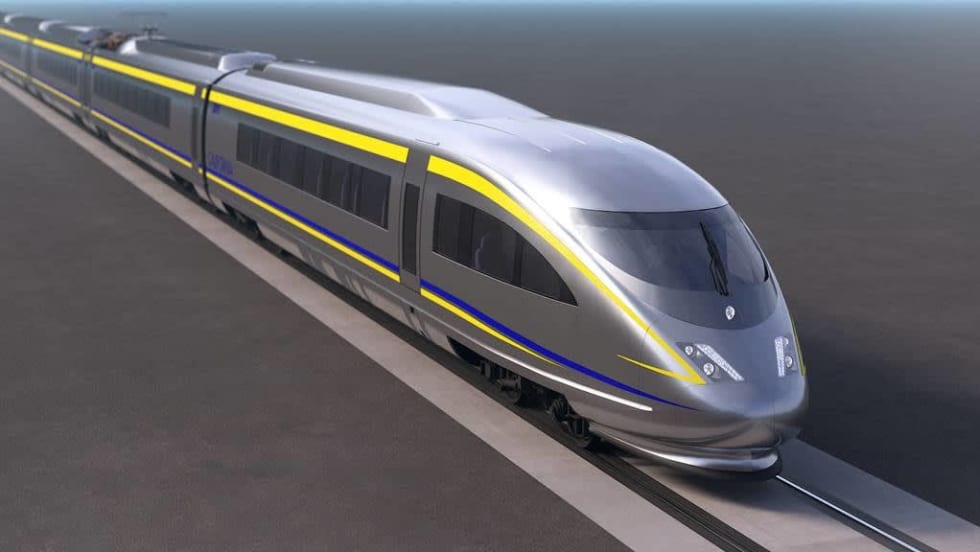
California Selects Team for Nation’s First True High-Speed Rail Track and Systems Contract
The board action follows completion of track installation at the 150-acre southern railhead in Kern County, which will serve as the staging and distribution hub for high-speed track and systems installation.
Read More →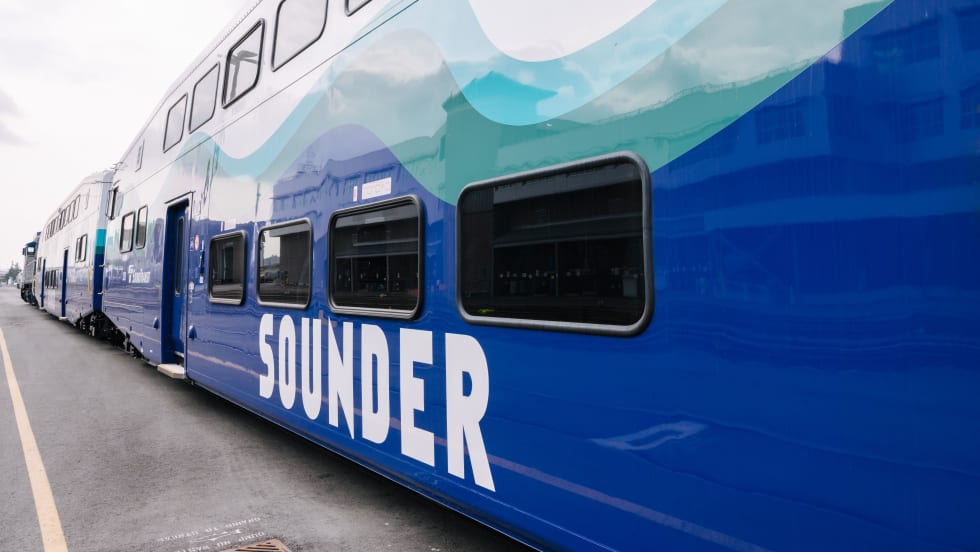
Seattle's Sound Transit Launches New Sounder Railcars into Service
Alstom manufactured all the cars under a $46.5 million contract and came into service in anticipation of summer crowds for soccer and baseball.
Read More →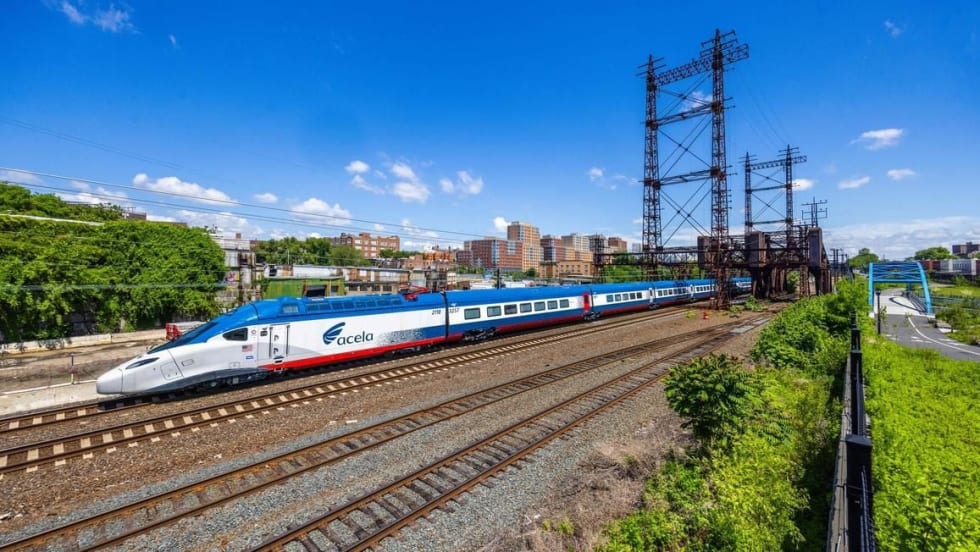
Alstom Partners With Universities to Build Rail Talent Pipeline
The partnerships include a new engineering scholarship fund at Alfred State College in Western New York and collaborations with transportation centers at the University of Pennsylvania and New York University.
Read More →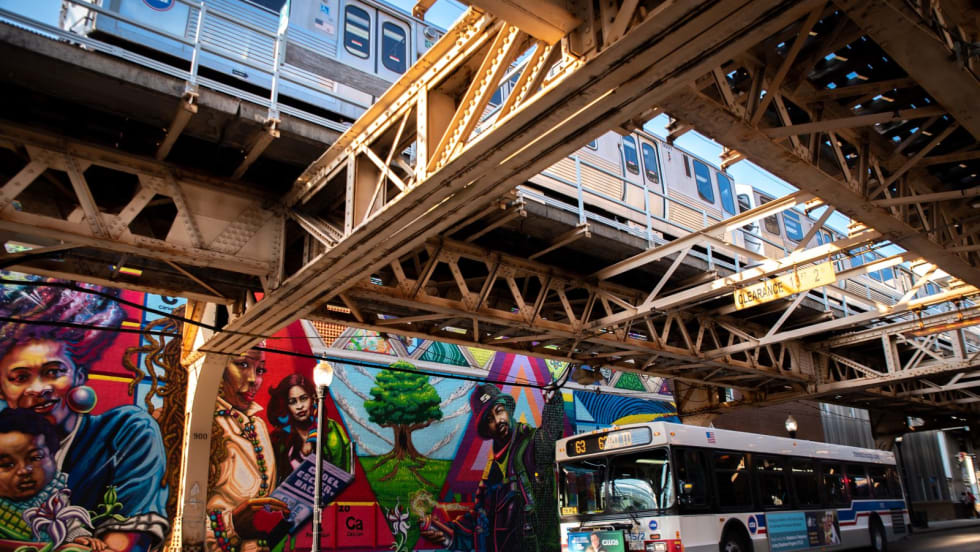
Chicago's NITA Act Moves Into Next Phase as Service Improvements Begin
Rider-focused improvements will begin rolling out across the system immediately as CTA, Metra, and Pace increase service this summer in the six-county region.
Read More →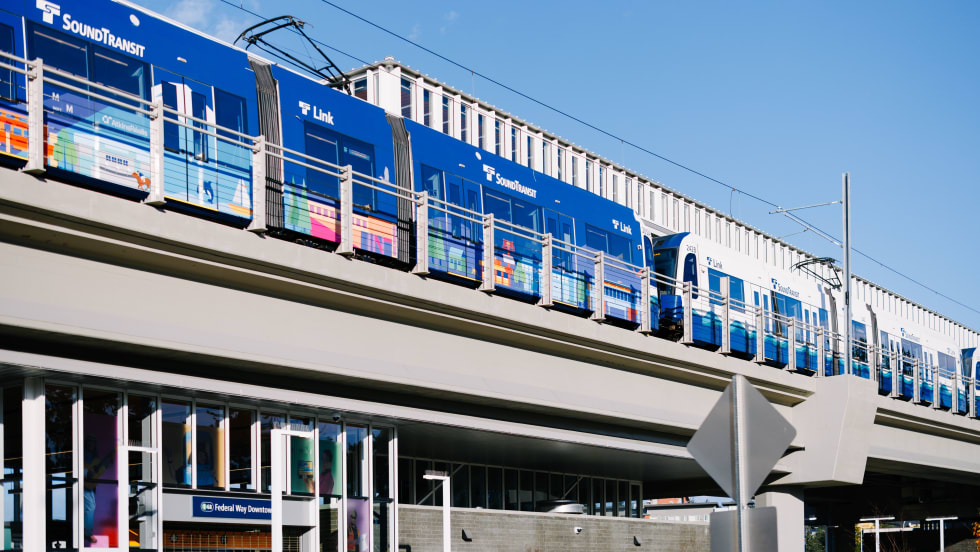
Seattle’s Sound Transit Adopts Updated ST3 System Plan
The updated system plan incorporates cost savings across the agency, including new revenue sources and financial policies, to set the agency on a sustainable path for the future.
Read More →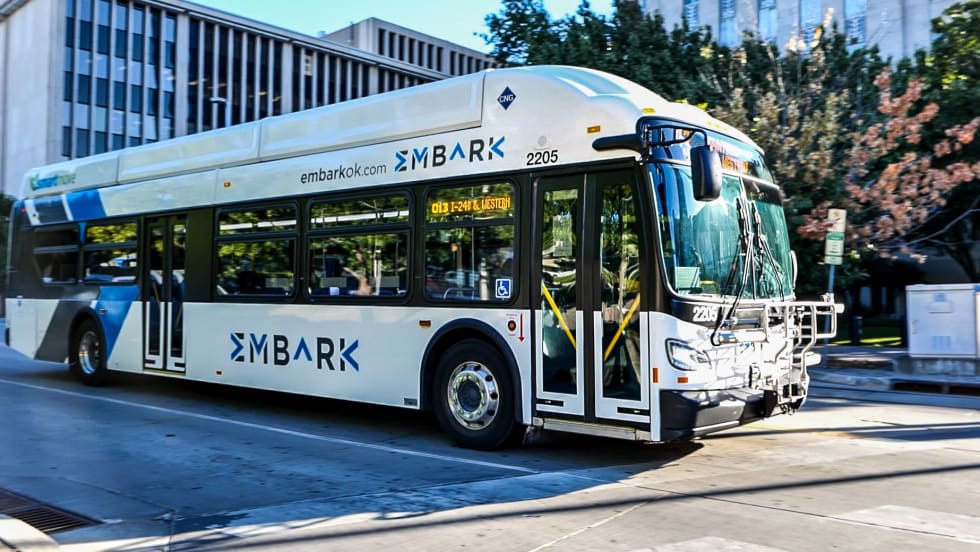
Inside Look: EMBARK Expands Fare-Free Transit Program Through New Public-Private Partnership
The OKC transit agency says sponsorship helps subsidize the Third Friday Free initiative while reducing barriers for first-time riders and boosting ridership across buses, streetcars, and river cruises.
Read More →