



Report: Consensus crucial to rail ballot initiative success
Analysis reaffirms the importance of consensus among the business, elected and environmental communities, and the accompanying financial support. The updated study validated the difficulty of passing an initiative without well-funded, effective use of multimedia and experienced campaign consultants.

A new study confirms the importance of a having a concensus when trying to pass rail ballot initiatives. The research report, released by the Mineta Transportation Institute (MTI), presents an updated analysis of a 2001 report on transportation tax elections in urban areas across the U.S.
The report,“Revisiting Factors Associated with the Success of Ballot Initiatives with a Substantial Rail Transit Component,”also further analyzes the impacts of 17 previously identified community-level factors with their potential impact on the success of ballot measures for sales tax increases to fund transportation packages with substantial rail components.
Patterns observed in the current case studies were found to be highly consistent with the findings from the 2001 study. Thus, for example, this analysis reaffirms the importance of consensus among the business, elected, and environmental communities, and the accompanying depth of financial support. The updated study once again validated the difficulty of passing an initiative without well-funded, effective use of multimedia. It also validated the importance of using experienced campaign consultants.
"Some factors seemed less important in the current study than in 2001," said Peter J. Haas, Ph.D., who conducted that earlier study with Richard Werbel, Ph.D. "These include the effectiveness of presenting a multimodal transportation package, the perception that benefits of a package would be distributed throughout the voting district, the experience gained in recent transit elections, and the credibility of the transit agency."
This compilation also includes an exploration of "rebound" elections — those instances in which a failed measure is quickly followed by a successful one — and the factors that seem linked to success in those instances. That is, four of the eight cases studied were part of a pair of ballot measures offered in rapid succession.
These findings suggest that a number of variables not included in the primary analysis may be particularly relevant to the success or failure of transit measures and should not be discredited by transportation planners and campaign entities.
The eight cases studies included in this report represent a variety of circumstances, ranging from approval of a starter rail line, to supplementing an existing tax, to affirming public desire that a general excise tax fund a light rail system, to voting against repeal of an existing sales tax. The eight cities and/or counties included Maricopa, Ariz.; Seattle; Charlotte, N.C.; Honolulu; Los Angeles; Kansas City, Mo.; St. Louis, Mo.; and Santa Clara County, Calif.
The report is the second update of the original 2000 report and is available for free download at www.transweb.sjsu.edu/project/2911.html.
More Rail

The Invisible Infrastructure of Passenger Flow
What a seat reservation system on Austria’s Railjet trains reveals about the future of rider experience, and why U.S. agencies should pay attention.
Read More →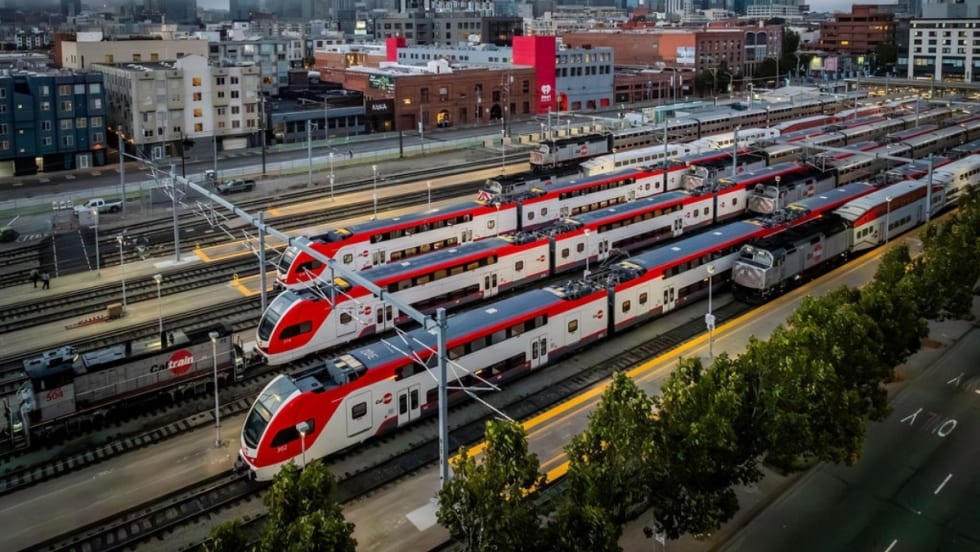
Caltrain Board Approves FY27 Budget, Endorses Efficiency Measures
The move ensures Caltrain service will continue operating as usual in the near term, but long-term financial challenges remain for the rail agency absent a new revenue source.
Read More →
Alstom Acquires Delaware Site to Support Amtrak NextGen Acela Fleet
The company is investing more than $55 million to acquire and improve the property and will employ approximately 100 people at this site once it is operational.
Read More →
When Routine Fails: How Public Transit Must Adapt for the World Cup
The 2026 FIFA World Cup will test transit agencies’ ability to manage unpredictable travel patterns, making real-time data and operational flexibility critical to moving millions of visitors efficiently.
Read More →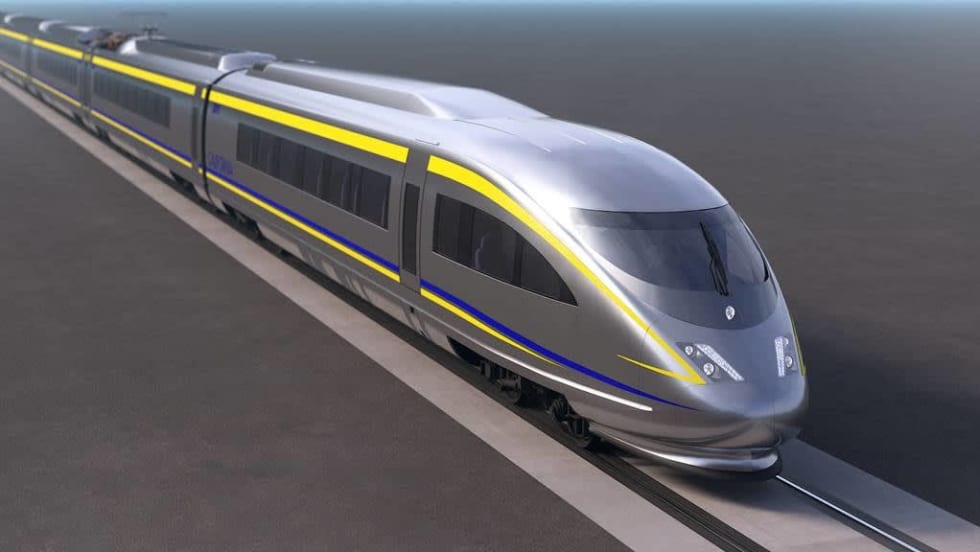
California Selects Team for Nation’s First True High-Speed Rail Track and Systems Contract
The board action follows completion of track installation at the 150-acre southern railhead in Kern County, which will serve as the staging and distribution hub for high-speed track and systems installation.
Read More →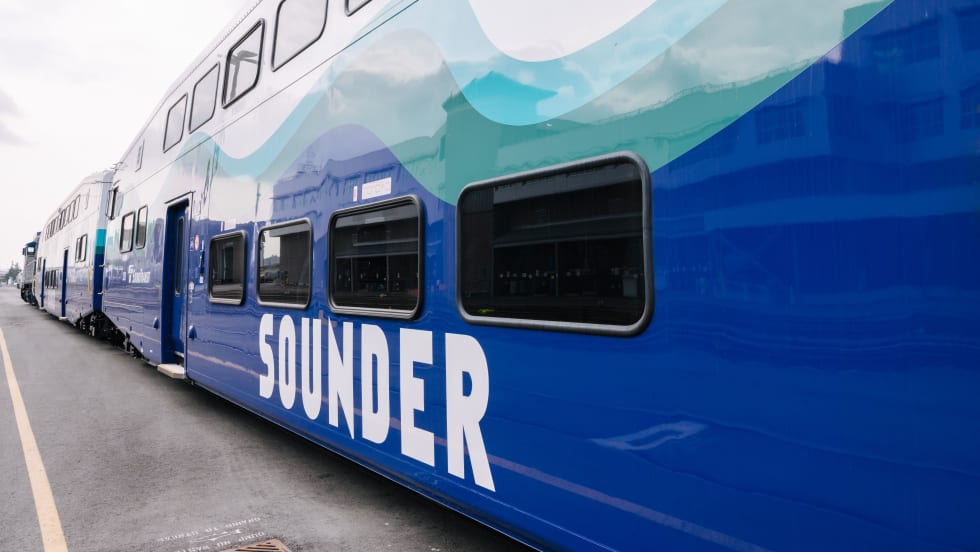
Seattle's Sound Transit Launches New Sounder Railcars into Service
Alstom manufactured all the cars under a $46.5 million contract and came into service in anticipation of summer crowds for soccer and baseball.
Read More →
Alstom Partners With Universities to Build Rail Talent Pipeline
The partnerships include a new engineering scholarship fund at Alfred State College in Western New York and collaborations with transportation centers at the University of Pennsylvania and New York University.
Read More →
Chicago's NITA Act Moves Into Next Phase as Service Improvements Begin
Rider-focused improvements will begin rolling out across the system immediately as CTA, Metra, and Pace increase service this summer in the six-county region.
Read More →
Seattle’s Sound Transit Adopts Updated ST3 System Plan
The updated system plan incorporates cost savings across the agency, including new revenue sources and financial policies, to set the agency on a sustainable path for the future.
Read More →
Inside Look: EMBARK Expands Fare-Free Transit Program Through New Public-Private Partnership
The OKC transit agency says sponsorship helps subsidize the Third Friday Free initiative while reducing barriers for first-time riders and boosting ridership across buses, streetcars, and river cruises.
Read More →