



Feds award $19.4M in rail relocation funds
FRA's RLR Grant Program assists projects that improve community livability and promote economic development by addressing the effects of rail traffic on safety, roadway and pedestrian traffic, overall quality of life and local area commerce.

Eight cities and states will share $19.4 million to replace, relocate and improve segments of railroad track in order to enhance safety, livability, and economic development. The Federal Railroad Administration (FRA) received 51 applications from across the country for the Rail Line Relocation and Improvement (RLR) grants, seeking more than $202 million.
FRA's RLR Grant Program assists projects that improve community livability and promote economic development by addressing the effects of rail traffic on safety, roadway and pedestrian traffic, overall quality of life and local area commerce. Funding for these grants is made available through annual appropriations and requires a 10 percent contribution from the project sponsor.
In September, as part of the Rail Line Relocation Grant Program, FRA will issue a Notice of Funding Availability (NOFA) for more than $11.5 million (made available through annual appropriations), with applications due 30 days later. The notice will be published on the FRA's website and available through the Federal Register later this month.
Rail line relocation dollars announced today will fund the following projects:
Port of San Francisco, California - Quint Street Yard Track and Signal Improvements - $2,970,000 to improve an approximately one mile-long spur connecting a Caltrain mainline track to the San Francisco Rail Yard. The mainline is under consideration for use as part of the California high-speed rail project, and the current condition of the spur track limits the frequency, weight and length of trains that can use the track, causing delays. The improvements will allow freight trains to operate at higher speeds and clear the mainline more quickly, significantly reducing delays to Caltrain commuter trains and future high-speed rail trains.
Sprague, Connecticut - Providence & Worcester Railroad Willimantic Branch - $5,302,900 to upgrade track on the Providence and Worcester Railroad Company's Willimantic Branch, allowing freight operations to increase speed from 10 mph to 40 mph. Located in a rural section of east central Connecticut, the Willimantic Branch serves local shippers, and improvements will provide for more efficient movement of freight shipments originating from or destined to customers across the nation or overseas.
Maryland Department of Transportation- Canton Area Rail Improvement Project, $1,742,240 for the expansion of a Canton Railroad Company yard facility. The short line railroad serves industrial customers in and around the Port of Baltimore. Current switching operations often cause major motor vehicle traffic delays, requiring traffic to be rerouted around the yard. The improvements will permit more efficient switching operations, and create additional car storage, which will help reduce traffic congestion.
Tavares, Florida - Florida Central Railroad Upgrade and Rehabilitation, $2,200,000 to upgrade a segment of track on the Florida Central Railroad in Lake and Orange counties, allowing increases in speed from 10 mph to 40 mph. Coupled with additional track and bridge repairs, freight service can be restored to areas currently not served by rail. The improvements may also benefit potential future SunRail commuter service and an excursion train service between Orlando and the City of Mt. Dora.
Minnesota Department of Transportation - K-Line Rail Improvement Project, $1,469,556 to improve and extend a municipally-owned rail spur. The line connects to an industrial park in the City of Wadena, where last year, tornados caused severe damage to local homes and businesses. Extending the track will enable a local shipper, whose current location forces it to route traffic close to a high school, to relocate its operations to the industrial park.
Arkansas State Highway and Transportation Department - Arkansas Midland Railroad/Warren Branch, $2,721,435 to rehabilitate and improve 40 miles of track along the Warren Branch of the Arkansas Midland Railroad, a short line railroad located in the Arkansas Delta. The planned improvements will remedy poor track conditions caused by inadequate drainage and heavy freight loads, which have contributed to washouts, broken rails, derailments and slow orders that reduce train speeds.
Springfield, Missouri - West Wye Connection Track, $1,898,444 to relocate an existing "Wye" track (a triangular junction utilized for rail switching and turning) that runs through the center of Springfield to the western side of the city. The project will enable the permanent removal of 23 highway-rail grade crossings, increasing roadway safety in the area while improving railroad operational performance.
Alaska Railroad - Milepost 142 Curve Alignment, $1,141,840 to reduce the curvature of the Alaska Railroad mainline adjacent to the Native Village of Eklutna. The realignment and improvements will increase track speeds, reduce noise and improve operating safety and efficiency. A new access road will also allow vehicles to access trains for inspection and car repair, and provide Eklutna Inc. tribal members access to their property.
More Rail
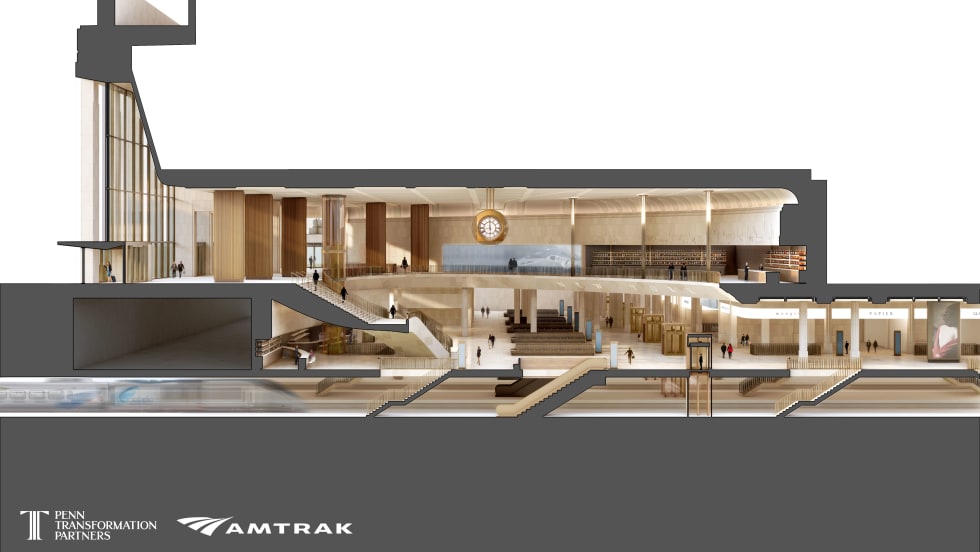
Penn Station Transformation Advances with Design Unveiling
The historic redesign will transform the busiest transit hub in the Western Hemisphere from the tracks to the street level, creating a more efficient, cleaner, and functional experience for more than 600,000 daily commuters and millions of visitors.
Read More →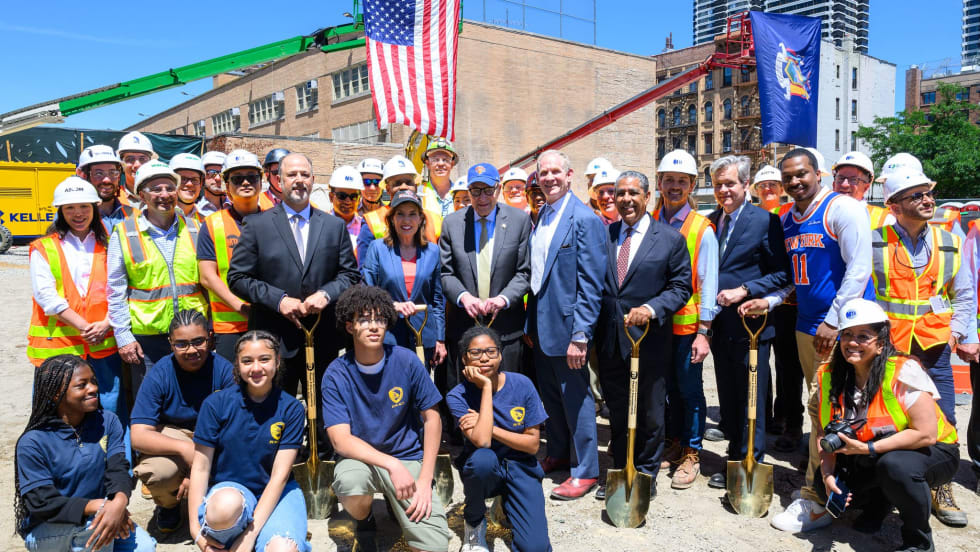
Second Avenue Subway Phase 2 Advances into Major Construction Stage
New York Governor Kathy Hochul joined leadership from the MTA, elected officials, and Harlem community leaders to break ground on the major construction stage of the transformative Second Avenue Subway Phase 2 project.
Read More →
The Invisible Infrastructure of Passenger Flow
What a seat reservation system on Austria’s Railjet trains reveals about the future of rider experience, and why U.S. agencies should pay attention.
Read More →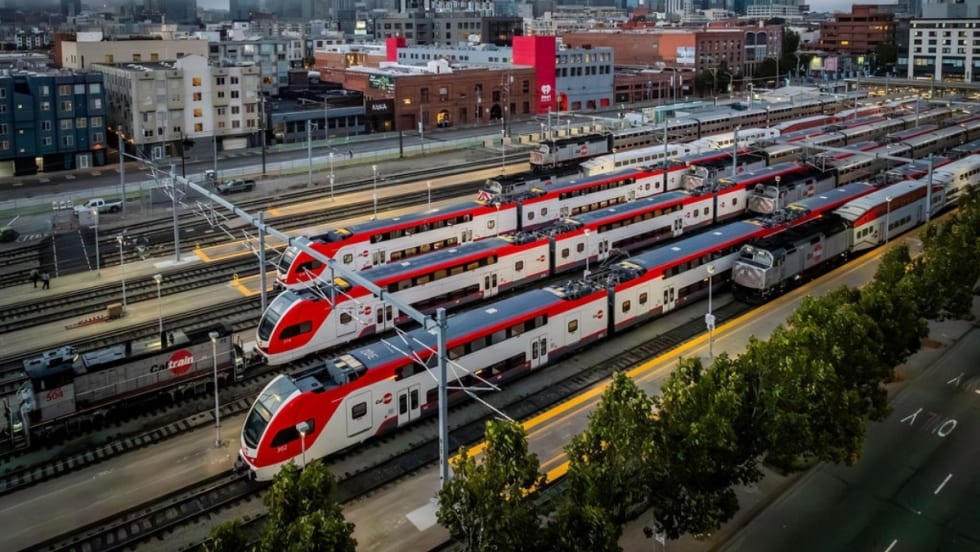
Caltrain Board Approves FY27 Budget, Endorses Efficiency Measures
The move ensures Caltrain service will continue operating as usual in the near term, but long-term financial challenges remain for the rail agency absent a new revenue source.
Read More →
Alstom Acquires Delaware Site to Support Amtrak NextGen Acela Fleet
The company is investing more than $55 million to acquire and improve the property and will employ approximately 100 people at this site once it is operational.
Read More →
When Routine Fails: How Public Transit Must Adapt for the World Cup
The 2026 FIFA World Cup will test transit agencies’ ability to manage unpredictable travel patterns, making real-time data and operational flexibility critical to moving millions of visitors efficiently.
Read More →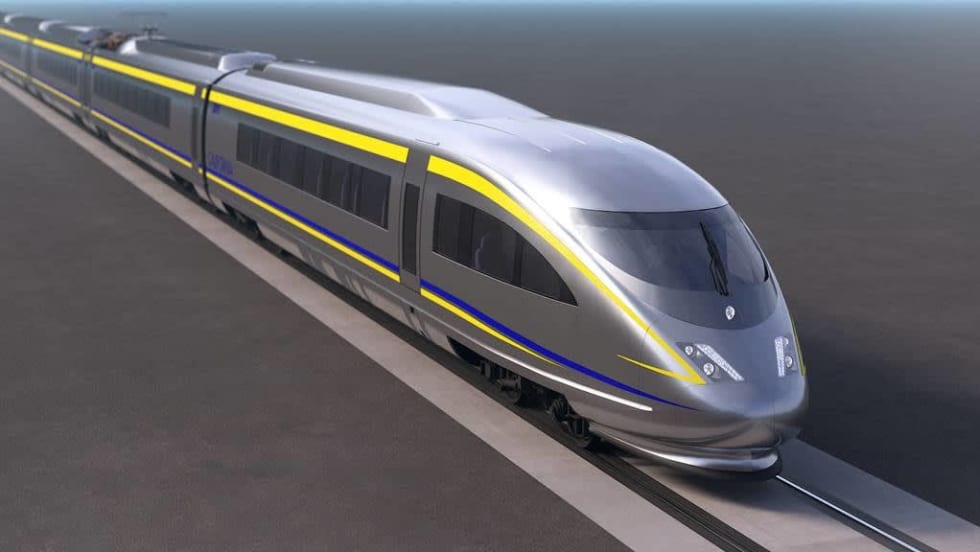
California Selects Team for Nation’s First True High-Speed Rail Track and Systems Contract
The board action follows completion of track installation at the 150-acre southern railhead in Kern County, which will serve as the staging and distribution hub for high-speed track and systems installation.
Read More →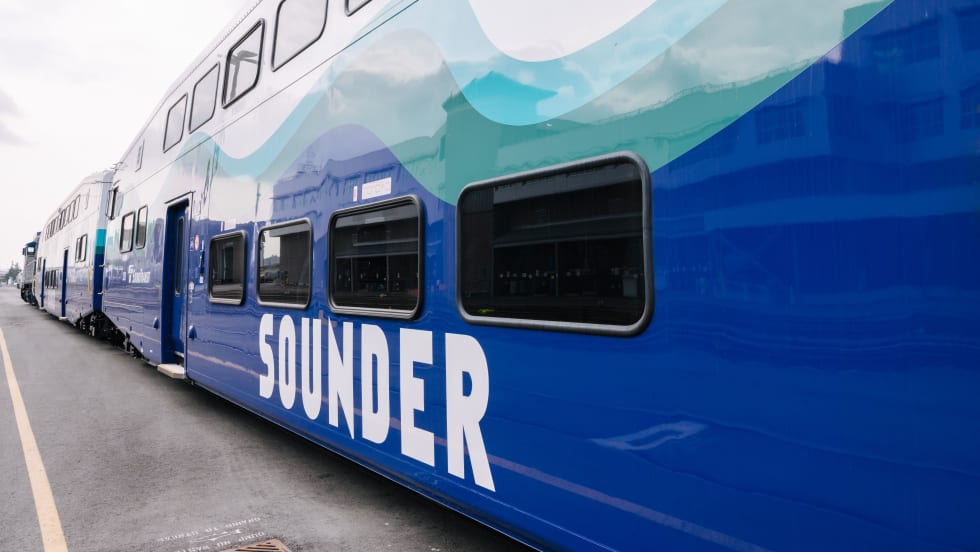
Seattle's Sound Transit Launches New Sounder Railcars into Service
Alstom manufactured all the cars under a $46.5 million contract and came into service in anticipation of summer crowds for soccer and baseball.
Read More →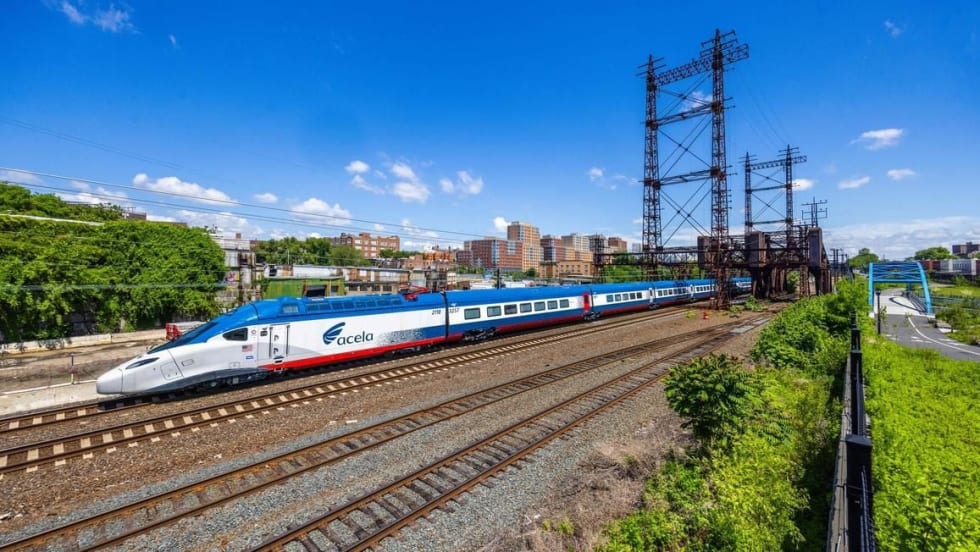
Alstom Partners With Universities to Build Rail Talent Pipeline
The partnerships include a new engineering scholarship fund at Alfred State College in Western New York and collaborations with transportation centers at the University of Pennsylvania and New York University.
Read More →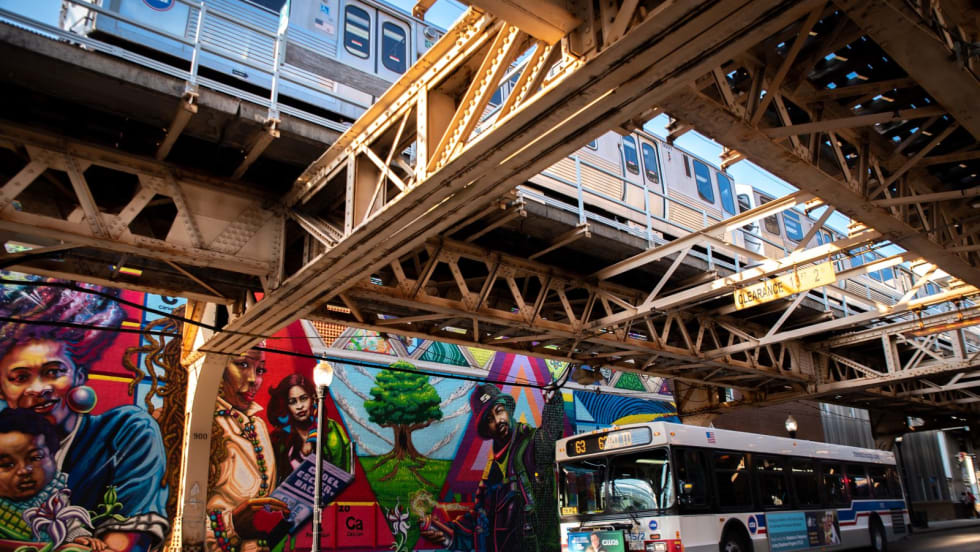
Chicago's NITA Act Moves Into Next Phase as Service Improvements Begin
Rider-focused improvements will begin rolling out across the system immediately as CTA, Metra, and Pace increase service this summer in the six-county region.
Read More →