



Wireless service begins at six N.Y. subway stations
Under agreements with the MTA and Transit Wireless, AT&T and T-Mobile customers can now use their cell phones and also send and receive wireless data messages and emergency messages.

New York's Metropolitan Transportation Authority (MTA) launched wireless voice and data communication capability in six subway stations, allowing New York City subway riders to make and receive cell phone calls, send tweets and receive e-mail underground.
Transit Wireless expects to provide service to the remaining 271 underground stations within four years and has already begun design work on the next 30 stations on the west side of Manhattan, including Times Square, Herald Square and Columbus Circle. Those 30 stations are expected online in the next 12 months.
As part of the service, E911 also provides added security underground with uninterrupted access to 911 and the ability for 911 dispatchers to know when a call is being placed at street level or underground in the subway. Under agreements with the MTA and Transit Wireless, AT&T and T-Mobile customers can now use their cell phones and also send and receive wireless data messages at six stations.
Transit Wireless and the carriers are paying 100 percent of the cost of the project, estimated at up to $200 million, including the cost of NYC Transit forces that provide flagging, protection and other support services. The MTA and Transit Wireless would also evenly split revenues from occupancy fees paid by the wireless carriers and other sub-licensees of the network.
Transit Wireless will pay the MTA a minimum annual compensation of $3.3 million once the full build out of the network is complete.
As a neutral host, Transit Wireless welcomes all wireless carriers to sign on. AT&T and T-Mobile have agreements covering the six stations which went live today, with the option to expand as additional subway stations come on line. Negotiations with other carriers are ongoing.
Transit Wireless also expects to establish sublicense arrangements with Wi-Fi providers to give customers additional data and internet access in the near future.
More Rail

Biz Briefs: STV teams with Amtrak, Motorcoach Operators Boost Fleet and Land Contracts, and More
From manufacturers and suppliers to transit agencies and motorcoach operators, these updates offer a snapshot of the projects, partnerships and business moves driving the industry forward.
Read More →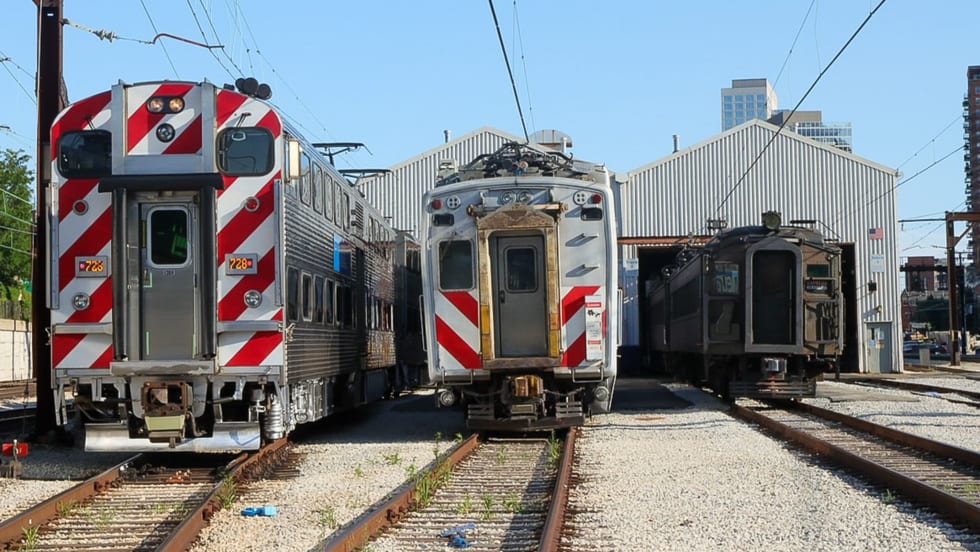
Metra Celebrates 100 Years of Electric Rail, Looks to the Future
The event was also a celebration of recent reforms to public transportation in the Chicago area, changes that could be as transformative in the future as the major civic achievement a century ago, said officials.
Read More →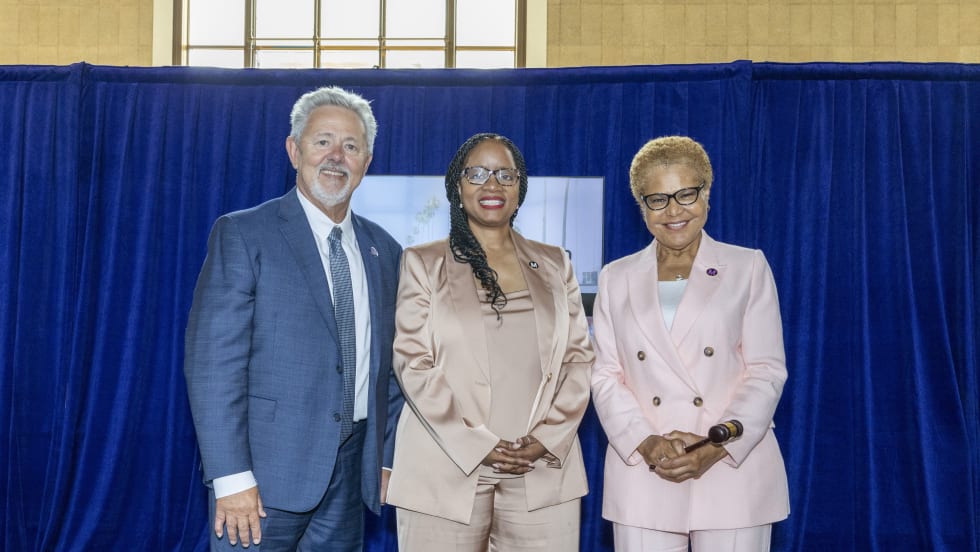
LA Metro Marks Banner Year, Sets Ambitious Goals for New Fiscal Year
Incoming LA Metro Board Chair and Los Angeles Mayor Karen Bass joined outgoing Board Chair Fernando Dutra and LA Metro CEO Stephanie Wiggins to review accomplishments from fiscal year 2026, which included the opening of new rail extensions, advancement of major transit projects, expanded safety programs, and new rider amenities.
Read More →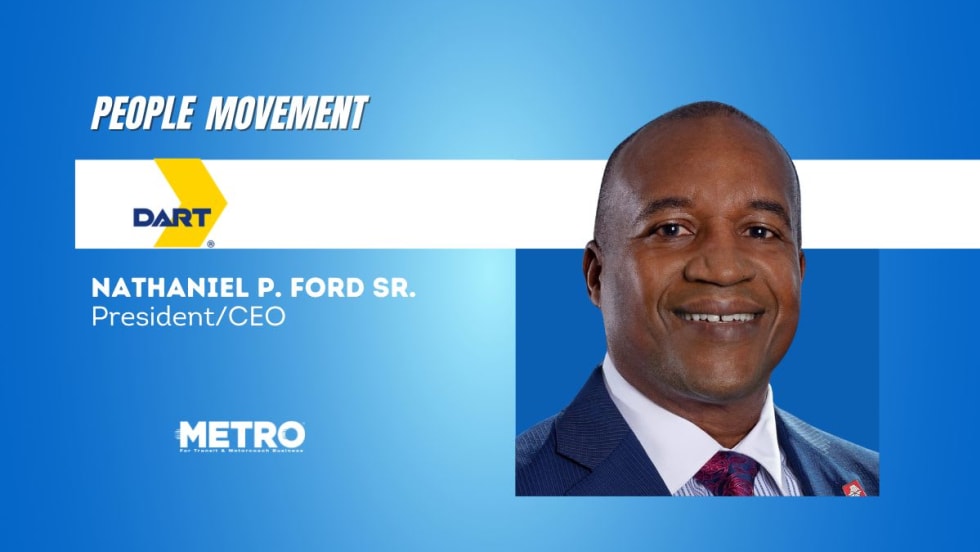
DART Taps Nathaniel P. Ford Sr. as Next President/CEO
Since 2012, Ford has served as the CEO of the Jacksonville Transportation Authority
Read More →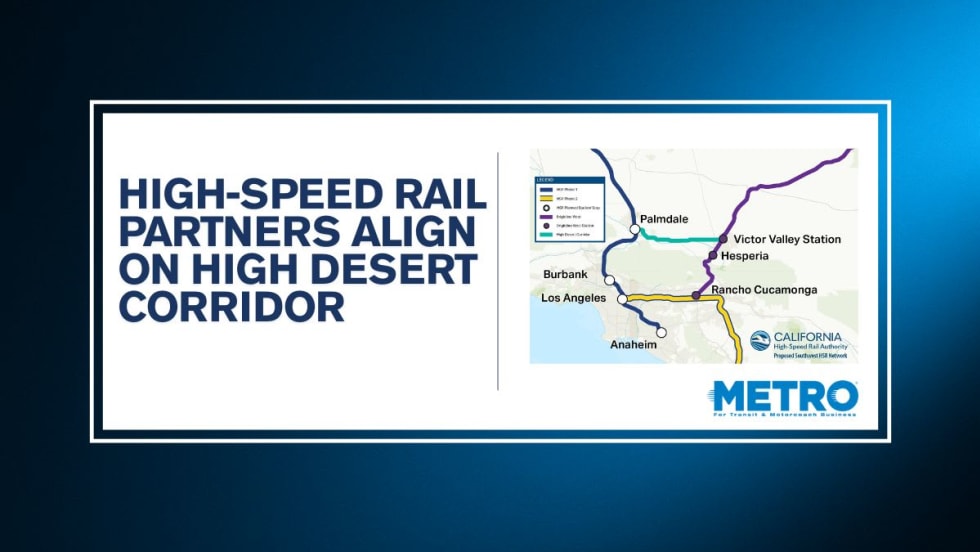
California High-Speed Rail Authority Signs MOU to Advance High Desert Corridor
The agreement deepens collaboration between the California High-Speed Rail Authority and the High Desert Corridor Joint Powers Agency, supporting design integration, cost savings, and faster delivery of a key Southern California rail link.
Read More →
Building the Next Generation of Transit Technology
In this edition of METROspectives, Luminator CEO Magnus Friberg discusses the company's transformation, the growing role of AI and software, and what's next for transit technology.
Read More →
How Data, Strategy, and Community Engagement Are Reshaping Transit
In this edition of METROspectives, strada360 CEO Steve Lassey discusses how transit agencies can better align planning with operations, leverage data to improve decision-making, and build public trust as they prepare for the future of mobility.
Read More →
TTC Launches Camera Pilot to Curb Illegal Passing of Streetcars
During the pilot, the cameras will measure how often illegal streetcar passing occurs and test the technology's reliability for future automated enforcement.
Read More →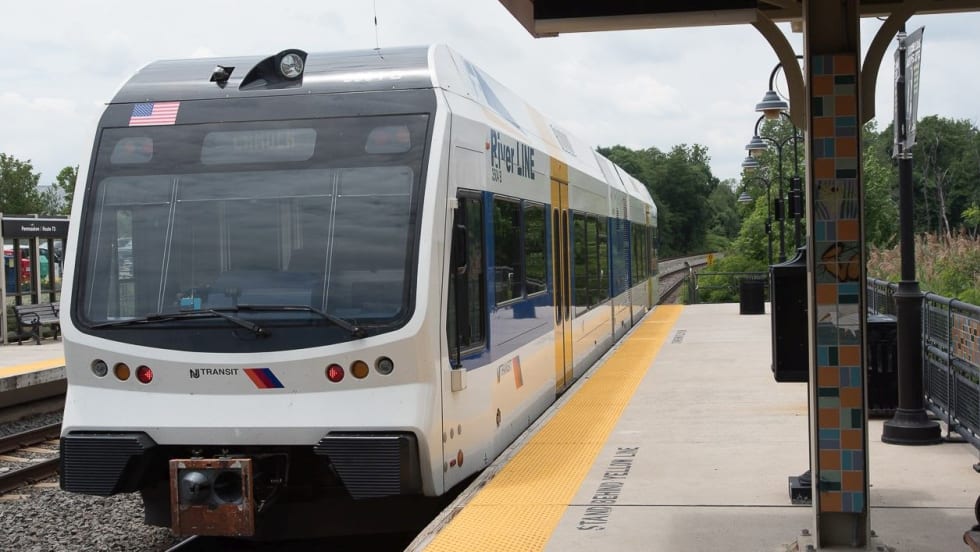
NJ TRANSIT Secures Capital Funding, Adopts FY2027 Budget
The budgets continue investments in infrastructure and equipment to maintain the system in a state of good repair and enhance the overall customer experience.
Read More →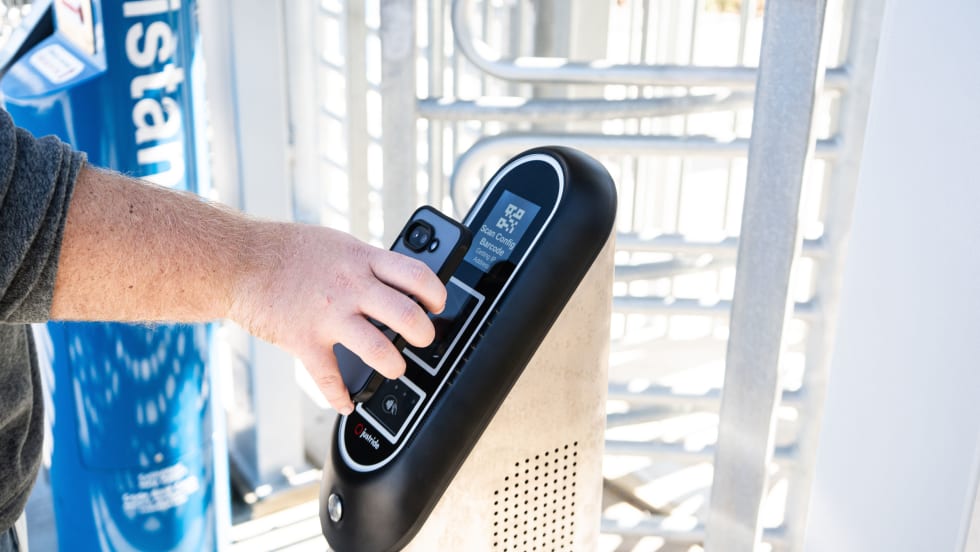
Biz Briefs: Masabi Teams with St. Louis Metro and More
In METRO's latest installment, we take a look at recent news from Transdev, Hitachi, and more partnerships making headlines across the transportation sector.
Read More →