



Chicago Metra’s 2012 budget to include fare increase
Averages about 25 percent across all fare types. Metra was able to reduce its deficit by $17.5 million by locking in the price of 75 percent of its fuel needs, making administrative cuts and finding other operational efficiencies. Those actions reduced the size of the needed fare increase by 7 percentage points.

The Metra board of directors approved the release of a preliminary 2012 budget that calls for a fare increase that averages about 25 percent across all fare types. The budget plan now will be the subject of a series of public hearings before the board votes on a final budget on Nov. 11.
Metra’s proposed 2012 budget includes $686.8 million for operations and a $244.1 million capital program.
The agency has been warning for months that it faces a budget deficit next year due to a spike in diesel fuel prices, the demands of meeting new federal regulations, higher insurance premiums and a variety of other rising costs. Meanwhile, proceeds from the regional transportation sales tax have fallen short of expectations due to the faltering economy.
Additionally, Metra has decided to stop diverting funds from its capital budget, meant for infrastructure improvements, to plug holes in its operating budget. That practice helped Metra get through tough times until now, but simply is not sustainable given its critical capital needs.
Metra was able to reduce its deficit by $17.5 million through a variety of steps, including locking in the price of 75 percent of its fuel needs, making administrative cuts and finding other operational efficiencies. Those actions reduced the size of the needed fare increase by 7 percentage points. However, there still is a projected budget gap of $53.6 million that will need to be covered by a fare increase.
Under the fare increase proposal, one-way tickets would increase an average of 15.7 percent across all fare zones. Ten-ride tickets would go up an average of 30 percent, and monthly passes would increase an average of 29.4 percent. Reduced fare one-way tickets would increase an average of 10.3 percent, reduced fare ten-ride tickets would increase an average of 18.9 percent and reduced fare monthly passes would go up an average of 10.8 percent. Taken together, the overall average increase is 25.1 percent.
In addition to the fare increases, several fare policies would change. One-way tickets would only be valid for 14 days, instead of a year, and they would no longer be refundable. The ten-ride ticket discount would be reduced so that riders would get 10 rides for the price of nine, rather than 10 for the price of eight. Ten-ride tickets would remain valid for a year, but would only be refundable within three months of the date of purchase. The 10-ride tickets could be refunded on a pro-rated basis, but there would be a $5 handling fee. Monthly passes would be valid through the end of the month (instead of noon on the first weekday of the following month) and refunds would be subject to a $10 fee.
The Metra subsidy for the Link-Up and PlusBus tickets would be eliminated and riders would have to pay the full costs of those passes. Young adult fares on weekends and holidays also would be eliminated.
The fare increase and other changes would begin on Feb. 1, 2012.
Public hearings on Metra’s 2012 budget will be held on Nov. 2 and Nov. 3 at locations throughout the six-county region. Copies of the budget will be available for review online at www.metrarail.com and will be distributed to municipalities and libraries across the region.
Following the public comment period, the Metra board will vote on a final budget at its Nov. 11 meeting. The budget will then be forwarded to the Regional Transportation Authority, which will vote on the region’s transportation budget in December.
Click here to review the proposed 2012 Budget Fare Tables.
Click here to review the proposed 2012 Budget Book.
Click here to review the October 2011 presentation to the board of directors.
More Rail

The Invisible Infrastructure of Passenger Flow
What a seat reservation system on Austria’s Railjet trains reveals about the future of rider experience, and why U.S. agencies should pay attention.
Read More →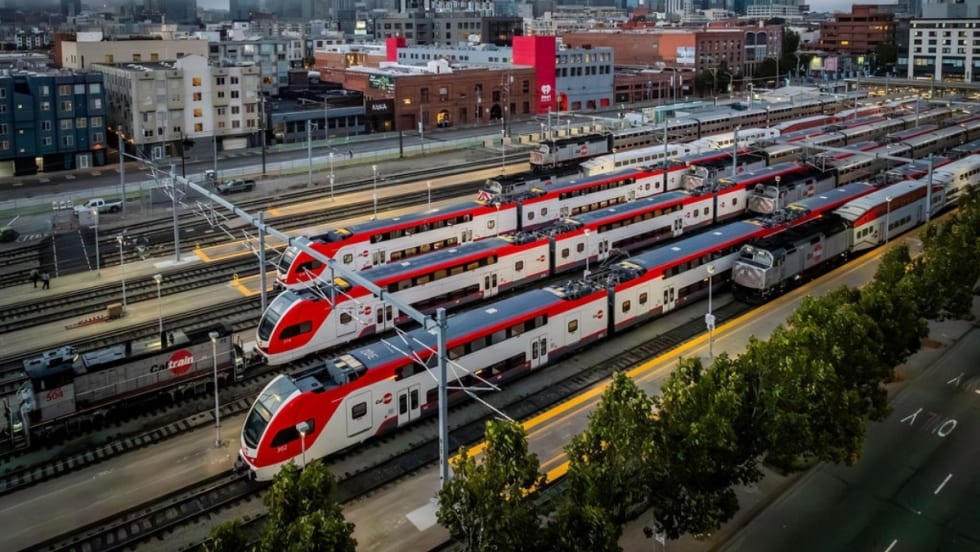
Caltrain Board Approves FY27 Budget, Endorses Efficiency Measures
The move ensures Caltrain service will continue operating as usual in the near term, but long-term financial challenges remain for the rail agency absent a new revenue source.
Read More →
Alstom Acquires Delaware Site to Support Amtrak NextGen Acela Fleet
The company is investing more than $55 million to acquire and improve the property and will employ approximately 100 people at this site once it is operational.
Read More →
When Routine Fails: How Public Transit Must Adapt for the World Cup
The 2026 FIFA World Cup will test transit agencies’ ability to manage unpredictable travel patterns, making real-time data and operational flexibility critical to moving millions of visitors efficiently.
Read More →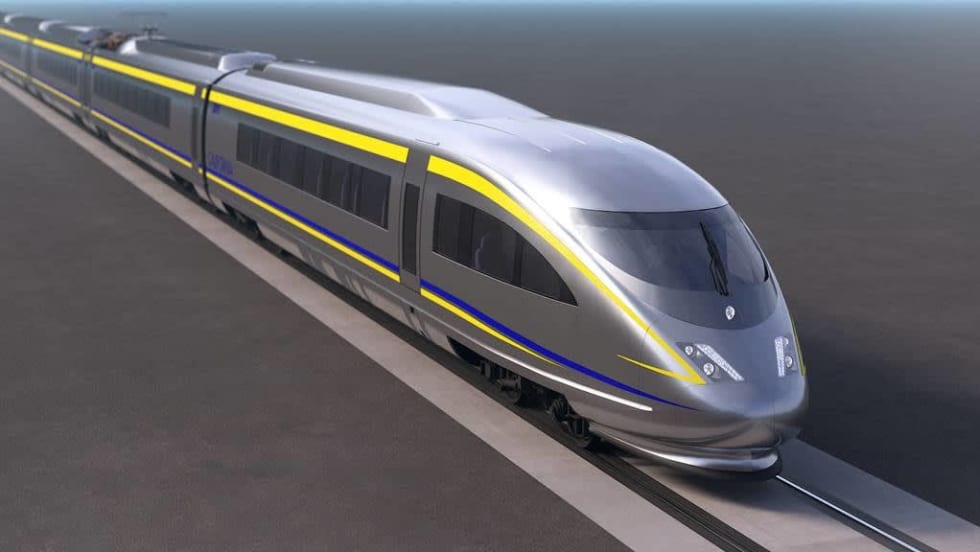
California Selects Team for Nation’s First True High-Speed Rail Track and Systems Contract
The board action follows completion of track installation at the 150-acre southern railhead in Kern County, which will serve as the staging and distribution hub for high-speed track and systems installation.
Read More →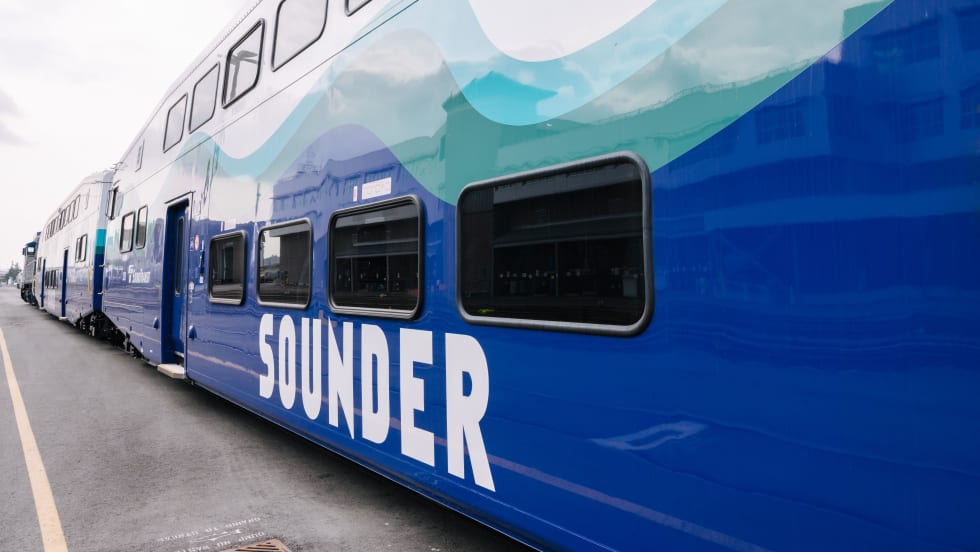
Seattle's Sound Transit Launches New Sounder Railcars into Service
Alstom manufactured all the cars under a $46.5 million contract and came into service in anticipation of summer crowds for soccer and baseball.
Read More →
Alstom Partners With Universities to Build Rail Talent Pipeline
The partnerships include a new engineering scholarship fund at Alfred State College in Western New York and collaborations with transportation centers at the University of Pennsylvania and New York University.
Read More →
Chicago's NITA Act Moves Into Next Phase as Service Improvements Begin
Rider-focused improvements will begin rolling out across the system immediately as CTA, Metra, and Pace increase service this summer in the six-county region.
Read More →
Seattle’s Sound Transit Adopts Updated ST3 System Plan
The updated system plan incorporates cost savings across the agency, including new revenue sources and financial policies, to set the agency on a sustainable path for the future.
Read More →
Inside Look: EMBARK Expands Fare-Free Transit Program Through New Public-Private Partnership
The OKC transit agency says sponsorship helps subsidize the Third Friday Free initiative while reducing barriers for first-time riders and boosting ridership across buses, streetcars, and river cruises.
Read More →